
Hiking, a pursuit that reconnects us with nature, also presents unique challenges that our clothing must overcome. Gone are the days of simple cotton shirts and jeans; modern hiking apparel is a testament to human ingenuity and technological advancement. From advanced moisture-wicking fabrics to smart insulation and integrated safety features, the clothes we wear on the trail are now sophisticated tools designed to enhance our performance, comfort, and safety. This article will explore the technological underpinnings of effective hiking attire, guiding you through the crucial layers and components that leverage cutting-edge materials and design.

The Foundation of Comfort: Advanced Fabric Technologies
The single most critical element of modern hiking clothing is the fabric itself. Decades of research and development in material science have yielded a range of textiles that outperform traditional materials in virtually every aspect relevant to outdoor activity. Understanding these technologies is key to making informed choices for your hiking wardrobe.
Moisture Management: The Battle Against Sweat
One of the primary challenges on a hike is managing body heat and the resulting perspiration. Uncontrolled moisture can lead to discomfort, chafing, and even hypothermia in cooler conditions. This is where advanced fabric technologies truly shine.
Wicking and Breathability: The Science of Staying Dry
Synthetic fibers like polyester and nylon, when engineered correctly, possess inherent wicking properties. These fibers are designed with specific cross-sections and surface textures that create capillary action, drawing moisture away from your skin and towards the outer surface of the fabric, where it can evaporate. This process is often referred to as “wicking.” Coupled with breathability – the fabric’s ability to allow air to pass through – wicking creates a microclimate that keeps you dry and comfortable. Brands invest heavily in optimizing yarn structures, weave patterns, and fabric finishes to maximize this effect. Technologies like Coolmax, Dri-FIT, and various proprietary blends are all aimed at achieving superior moisture management.
Odor Control: Battling Bacteria with Embedded Technology
The unpleasant odor associated with prolonged physical activity is primarily caused by bacteria breaking down sweat. Modern hiking apparel often incorporates advanced odor control technologies that go beyond simple treatments. This can include embedding antimicrobial agents, such as silver ions or specific chemical compounds, directly into the fabric fibers. These agents inhibit bacterial growth without compromising the fabric’s other performance characteristics. Some advanced materials even utilize photocatalytic reactions activated by UV light to break down odor-causing molecules. The goal is to keep your gear fresher for longer, reducing the need for frequent washing and extending its lifespan.
Insulation and Temperature Regulation: Smart Materials for Varied Conditions
Maintaining an optimal body temperature is crucial for comfort and performance on the trail, especially when facing fluctuating weather conditions. The evolution of insulation technology has transformed how we dress for the outdoors, offering lighter, more effective solutions than ever before.
Synthetic vs. Down: The Technological Divide in Warmth
While natural down remains a highly effective insulator, its susceptibility to moisture has driven innovation in synthetic alternatives. Modern synthetic insulations, such as PrimaLoft and Thinsulate, are engineered to mimic the loft and trapping properties of down while offering superior water resistance. These materials consist of fine fibers that create tiny air pockets, trapping heat. Their construction allows them to retain a significant portion of their insulating power even when damp, making them ideal for unpredictable mountain environments. The manufacturing process involves precise fiber diameter control, loft manipulation, and sometimes even treatments to enhance water repellency.
Phase Change Materials (PCMs) and Thermoregulation: The Future of Intelligent Clothing
Emerging technologies are pushing the boundaries of temperature regulation further with the integration of Phase Change Materials (PCMs). These are substances that absorb or release heat as they change from one state to another (e.g., solid to liquid). In the context of clothing, PCMs are often microencapsulated and embedded within the fabric. When your body temperature rises, the PCMs absorb excess heat, melting and providing a cooling sensation. As your body temperature drops, they release stored heat, solidifying and keeping you warm. While still a developing area, PCMs represent a significant leap towards truly intelligent, self-regulating hiking apparel.
Protective Layers: Engineering for the Elements
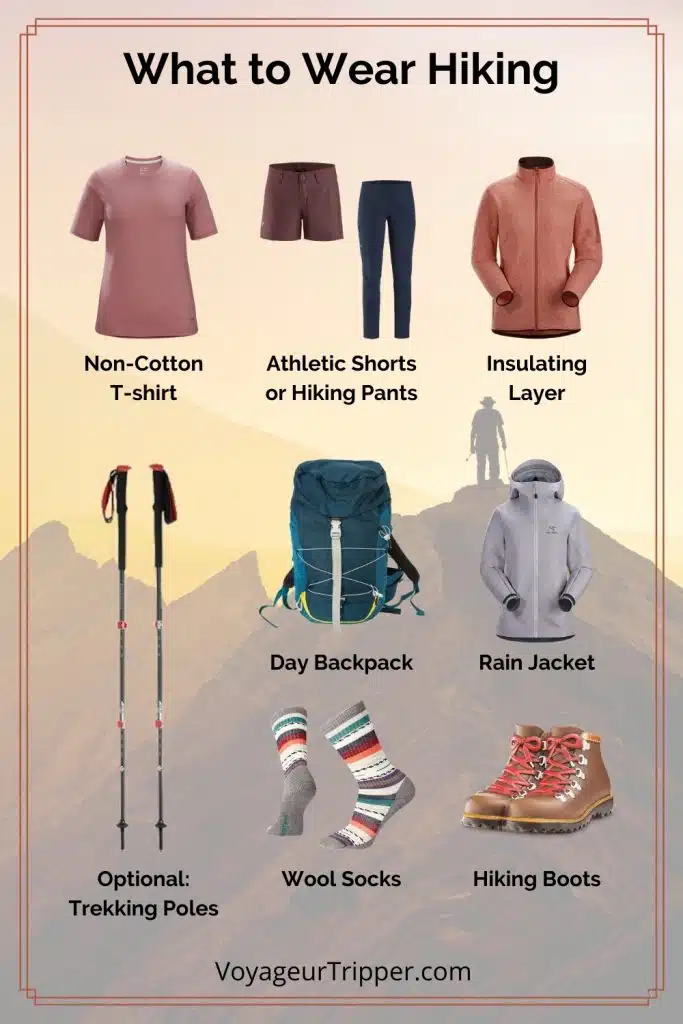
Beyond the base layers that manage moisture and regulate temperature, outer layers are designed to shield you from the elements. These garments employ sophisticated designs and material technologies to provide waterproofing, windproofing, and durability.
Waterproofing and Breathability: The Gore-Tex Paradigm and Beyond
The development of waterproof-breathable membranes, most famously Gore-Tex, revolutionized outdoor gear. These membranes are engineered with microscopic pores that are too small for liquid water droplets to pass through but large enough for water vapor (sweat) to escape. This allows for protection from rain and snow while preventing the buildup of moisture from within. The technology involves intricate layering of materials, often including ePTFE (expanded polytetrafluoroethylene), which is then laminated to face fabrics and often lined with protective scrims. Continuous innovation focuses on improving durability, reducing weight, and enhancing breathability through different pore sizes, membrane structures, and coating technologies. Other brands have developed their own proprietary waterproof-breathable technologies, each with unique performance characteristics and applications.
Windproofing: A Silent Guardian Against the Elements
Wind can significantly impact your perceived temperature, a phenomenon known as wind chill. Windproof fabrics are designed to block the passage of air, thus preventing convective heat loss. While some waterproof-breathable membranes also offer excellent windproofing, dedicated windproof layers are often lighter and more breathable, making them ideal for less extreme, windy conditions. Technologies here involve tightly woven fabrics or specialized coatings that create an effective barrier against the wind without significantly hindering breathability.
Durability and Functionality: The Engineering of Ruggedness
Hiking apparel is not just about comfort and protection; it must also withstand the rigors of the trail. Technological advancements in material construction and design contribute significantly to the durability and functionality of hiking clothing.
Abrasion Resistance: Standing Up to the Trail
Hiking often involves navigating rough terrain, brushing against rocks, branches, and backpacks. Fabrics need to be engineered for exceptional abrasion resistance to prevent premature wear and tear. This is achieved through the use of robust materials like ripstop nylon and polyester, often woven with reinforced threads in a grid pattern to prevent tears from spreading. The denier count of the yarn (a measure of its thickness) and the density of the weave are critical factors in determining a fabric’s resistance to abrasion. Some advanced textiles also incorporate ceramic particles or other hard coatings to further enhance their durability.
Articulated Design and Ergonomics: The Science of Movement
Modern hiking clothing is not simply constructed from flat fabric panels. Advanced design principles and the use of stretch fabrics are employed to create garments that move with the body. Articulated knees and elbows, gusseted underarms, and ergonomic patterns allow for a full range of motion without restriction, preventing chafing and fatigue. The integration of stretch panels made from elastane or similar materials in key areas enhances flexibility, allowing for easier climbing, scrambling, and bending. This focus on biomechanics ensures that your clothing facilitates, rather than hinders, your movement.
Integrated Features and Wearable Tech: The Smart Trail Ahead
The integration of technology into hiking clothing is an evolving frontier. While not yet commonplace, the future holds exciting possibilities for smart fabrics and integrated systems.
Embedded Sensors and Connectivity: Gathering Data on the Go
The concept of wearable technology extends to hiking apparel. Imagine jackets with embedded sensors that monitor your heart rate, body temperature, or even the ambient weather conditions. This data could be transmitted wirelessly to a smartphone or smartwatch, providing real-time insights into your performance and well-being. While still largely in the developmental stages, the potential for such technologies to enhance safety and optimize training is immense.

Integrated Safety Features: Enhanced Preparedness
Some hiking garments are beginning to incorporate subtle yet crucial safety features. This can include highly reflective detailing for increased visibility in low-light conditions, emergency whistles integrated into zipper pulls, or even subtle reinforcements designed to improve durability in critical areas. As technology advances, we may see more sophisticated safety integrations, such as personal locator beacons or communication devices embedded directly into outerwear.
In conclusion, the clothes we wear for hiking have transcended mere fabric to become sophisticated pieces of engineering. By understanding the underlying technologies in moisture management, insulation, waterproofing, durability, and even emerging smart features, hikers can make informed choices that significantly enhance their experience on the trail. Investing in technically advanced apparel is not just about comfort; it’s about leveraging innovation to push your boundaries, stay safer, and enjoy the natural world to its fullest.
aViewFromTheCave is a participant in the Amazon Services LLC Associates Program, an affiliate advertising program designed to provide a means for sites to earn advertising fees by advertising and linking to Amazon.com. Amazon, the Amazon logo, AmazonSupply, and the AmazonSupply logo are trademarks of Amazon.com, Inc. or its affiliates. As an Amazon Associate we earn affiliate commissions from qualifying purchases.