
The illuminated Vehicle Stability Assist (VSA) light on your dashboard can be a cause for concern, but understanding its purpose and potential triggers can demystify this important safety feature. The VSA system, often referred to as Electronic Stability Control (ESC) or simply stability control, is designed to help drivers maintain control of their vehicle during challenging driving conditions, such as sudden swerving, sharp turns, or slippery surfaces. When the VSA light illuminates, it indicates that the system is either actively engaged to prevent a skid or that there’s an issue with the system itself. This article delves into the various reasons why your VSA light might be on, exploring the technical aspects of its operation and the common causes of its activation or malfunction.
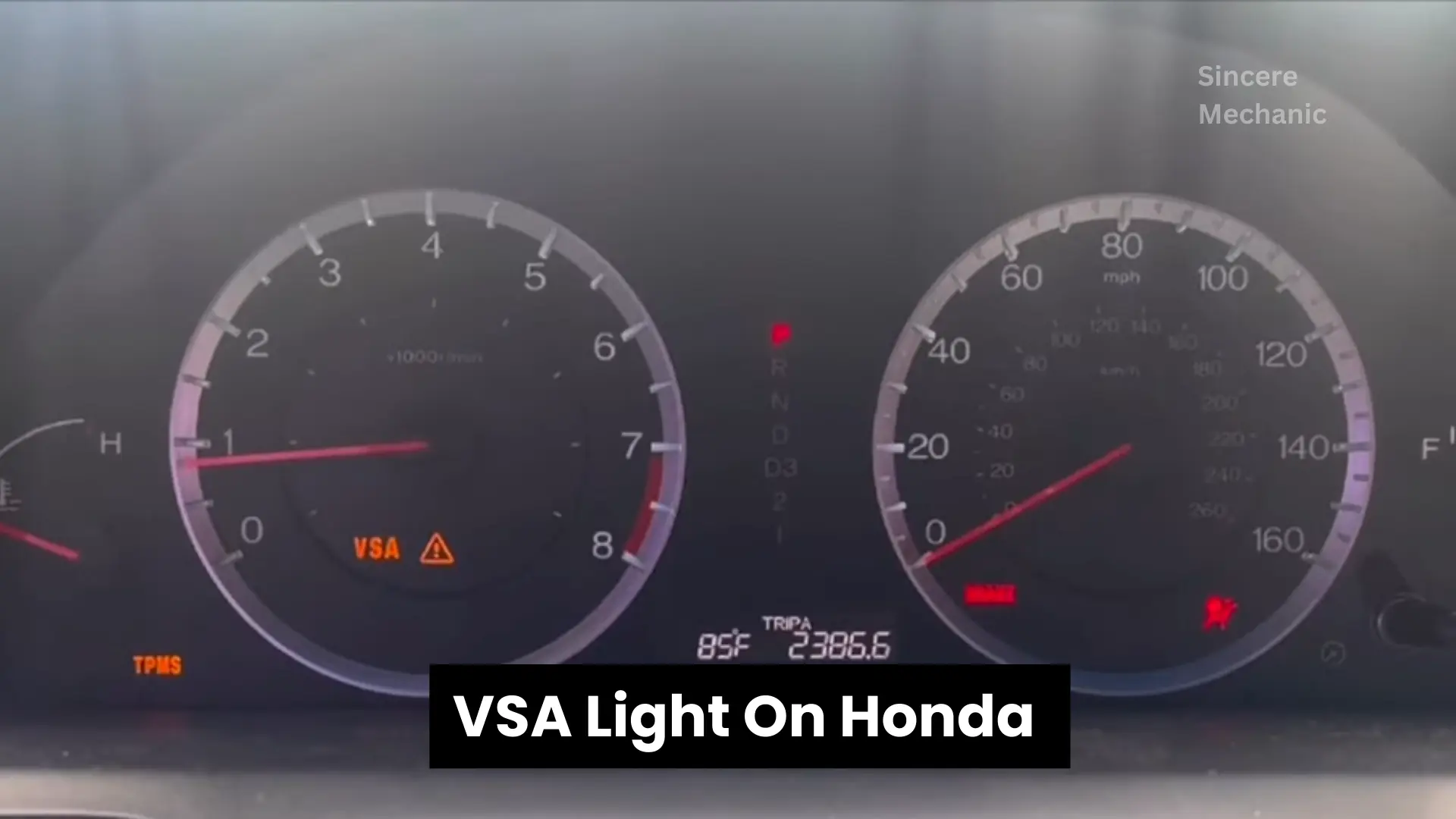
The VSA system is a sophisticated piece of automotive technology that works in conjunction with other safety systems, including the anti-lock braking system (ABS) and traction control. Its primary function is to detect and correct loss of traction. When the car’s sensors detect that the vehicle is about to spin or slide, the VSA system intervenes by automatically applying individual brakes to specific wheels and, in some cases, reducing engine power. This coordinated action helps to steer the vehicle back onto the intended path, significantly reducing the risk of an accident. Understanding the underlying technology is key to appreciating why the VSA light might appear.
Understanding the VSA System: How it Works
The Vehicle Stability Assist system is a marvel of modern automotive engineering, employing a network of sensors and electronic control units (ECUs) to monitor and manage the vehicle’s dynamic behavior. Its effectiveness hinges on its ability to constantly assess the driver’s intended direction of travel against the vehicle’s actual movement.
The Role of Sensors in VSA Operation
At the heart of the VSA system lies a suite of sensors, each playing a critical role in gathering real-time data about the vehicle’s performance. These sensors work in unison to provide the VSA control module with a comprehensive picture of the driving situation.
Wheel Speed Sensors
Perhaps the most fundamental sensors in the VSA system are the wheel speed sensors. Positioned at each wheel, these sensors continuously monitor the rotational speed of each tire. When the VSA system detects a significant difference in wheel speeds that doesn’t correspond to normal turning, it can infer that a wheel is losing traction. This disparity is a key indicator of a potential skid. For instance, if you’re making a sharp turn and one wheel is spinning much faster than the others, or if one wheel is braking significantly more than its counterparts to correct a slide, the wheel speed sensors will flag this anomaly.
Steering Angle Sensor
The steering angle sensor provides the VSA control module with crucial information about the driver’s intended direction. Located in the steering column, it measures the angle of the steering wheel. By comparing the driver’s steering input with the vehicle’s actual yaw rate (how quickly the car is rotating around its vertical axis), the VSA system can determine if the vehicle is responding as the driver intends. If the yaw rate deviates significantly from what the steering angle suggests, it signals an impending loss of control. For example, if the driver is trying to steer left but the car is starting to oversteer (the rear end sliding out), the VSA system will recognize this discrepancy.
Yaw Rate Sensor
The yaw rate sensor, often integrated with an accelerameter, measures the vehicle’s rate of rotation around its vertical axis. This sensor is vital for understanding the vehicle’s actual turning behavior. It helps the VSA system detect the onset of a skid. A high yaw rate that is not matched by the steering angle indicates that the car is rotating more than the driver is commanding, meaning it’s losing stability.
Lateral Acceleration Sensor
This sensor measures the forces acting on the vehicle from side to side. It provides information about how hard the vehicle is being pushed or pulled in a turn. High lateral acceleration can indicate that the tires are nearing their grip limit, and if this force becomes unbalanced or exceeds acceptable thresholds, it can precede a loss of control.
The VSA Control Module: The Brains of the Operation
All the data from these sensors is fed into the VSA control module, which is essentially the central processing unit for the stability system. This module analyzes the incoming information in milliseconds and makes rapid decisions about how to intervene.
Detecting Loss of Traction
When the VSA control module receives data indicating that the vehicle’s actual motion does not match the driver’s intended direction (as determined by comparing steering angle and yaw rate), or if it detects excessive wheel speed differences, it identifies a loss of traction or an impending skid. This is the trigger for the VSA system to activate.
Interventions: Braking and Engine Power Reduction
Upon detecting a loss of traction, the VSA system can take two primary actions:
- Applying Individual Brakes: The VSA system can selectively apply braking pressure to individual wheels. For instance, if the car is oversteering (tail sliding out), the system might apply a light brake to the inside front wheel. This creates a counter-torque that helps to pull the vehicle back into its intended path. If the car is understeering (plowing straight ahead in a turn), the system might apply brake to the inside rear wheel to help rotate the vehicle.
- Reducing Engine Power: In conjunction with or as an alternative to braking, the VSA system can also reduce engine power. This is particularly effective when the loss of traction is due to excessive acceleration. By momentarily decreasing the engine’s output, it reduces the torque applied to the wheels, helping them regain grip.
Common Reasons for the VSA Light to Illuminate
The VSA light can illuminate for a variety of reasons, ranging from normal system operation to potential malfunctions. It’s important to differentiate between these scenarios to understand the implications for your driving.
The VSA Light Illuminates During Operation
In many instances, the VSA light illuminating is a sign that the system is doing exactly what it’s designed to do: protecting you.
Actively Correcting a Skid or Loss of Traction
The most straightforward reason for the VSA light to come on is that the system has detected a situation where your vehicle is losing traction and is actively intervening. This can happen during:
- Sudden Braking: Hard braking, especially on slippery surfaces, can cause wheels to lock up if ABS is not engaged or if it’s working in conjunction with VSA.
- Sharp Turns or Lane Changes: Aggressive maneuvers can push the tires beyond their grip limits, triggering the VSA.
- Driving on Slippery Surfaces: Rain, snow, ice, or gravel can significantly reduce tire grip. Even minor accelerations or turns can lead to wheel slip, activating the VSA.
- Hydroplaning: When tires lose contact with the road surface due to a layer of water, the VSA can activate to help regain control once traction is re-established.
In these situations, the VSA light will typically blink or flash to indicate that it is actively engaged. Once the vehicle regains stability and the driver corrects their steering and acceleration, the light should return to its normal off state. The duration of the illumination often correlates with the severity and duration of the loss of traction.
VSA System Has Been Manually Disabled
Most vehicles equipped with VSA have a button that allows the driver to manually turn the system off. This is often done in specific situations where the VSA’s intervention might be counterproductive, such as driving in deep snow or mud, where some wheel spin is necessary to maintain momentum. If you or someone else has accidentally pressed this button, the VSA light will remain illuminated to indicate that the system is not active. Consult your vehicle’s owner’s manual for the location of this button and the procedure for re-enabling the VSA.

The VSA Light Illuminates Due to a Malfunction
While an illuminated VSA light can signify normal operation, it can also be a warning that there’s an issue with the VSA system itself or a related component. Often, when the VSA light stays on continuously without any indication of active intervention (e.g., no blinking), it points to a fault.
Issues with Wheel Speed Sensors
As discussed, wheel speed sensors are critical for VSA operation. If a wheel speed sensor is dirty, damaged, or malfunctioning, it can send incorrect readings to the VSA control module. This can lead to the VSA system being unable to accurately assess wheel speeds, thus impairing its ability to detect skids or causing it to inaccurately believe there’s a problem. A faulty wheel speed sensor will often cause the ABS light to illuminate as well, as the ABS system relies on the same sensors.
Problems with the ABS System
The VSA system and the ABS system are closely integrated, sharing many components, particularly the wheel speed sensors. If there is a fault within the ABS system, it can directly impact the VSA system’s functionality. This could be due to issues with the ABS control module, hydraulic unit, or brake pressure sensors. When the ABS system malfunctions, the VSA system often becomes disabled, and its warning light will illuminate.
Steering Angle Sensor Malfunction
If the steering angle sensor fails or provides inaccurate readings, the VSA control module will not know the driver’s intended direction accurately. This can lead to the VSA system not activating when it should, or activating inappropriately, and consequently, the VSA light will illuminate to signal this error.
Issues with the Yaw Rate Sensor or Lateral Acceleration Sensor
Similar to other sensors, a faulty yaw rate sensor or lateral acceleration sensor can provide incorrect data about the vehicle’s motion. This can confuse the VSA control module, leading it to trigger the warning light.
Other Electrical or Sensor Faults
The VSA system is an electronic system, and like any electronic system, it can be susceptible to various electrical issues. This could include problems with wiring harnesses, connectors, fuses, or the VSA control module itself. Environmental factors like moisture ingress or physical damage can also lead to faults in these components.
Low Tire Pressure or Incorrect Tire Size
While less common, very low tire pressure in one or more tires can sometimes trick the VSA system into thinking there’s a traction issue, especially if the pressure difference is significant. Similarly, if tires of incorrect size or type are installed, the differing tire diameters can confuse the wheel speed sensors and potentially trigger the VSA light.
Diagnosis and Resolution of VSA Light Issues
When your VSA light illuminates, it’s crucial to approach the situation systematically to ensure your safety and the longevity of your vehicle. Ignoring the light can have consequences, so prompt diagnosis and repair are recommended.
Initial Steps When the VSA Light Comes On
The first step is to observe the behavior of the VSA light. Is it blinking, or is it steadily illuminated? This distinction provides immediate clues.
Observing the VSA Light’s Behavior
- Blinking Light: If the VSA light is blinking, it signifies that the system is actively intervening to help you maintain control. This is usually a temporary condition. Slow down, reduce sudden steering inputs, and drive cautiously until the light returns to its off state. Once the conditions that triggered the VSA have passed, the light should extinguish on its own.
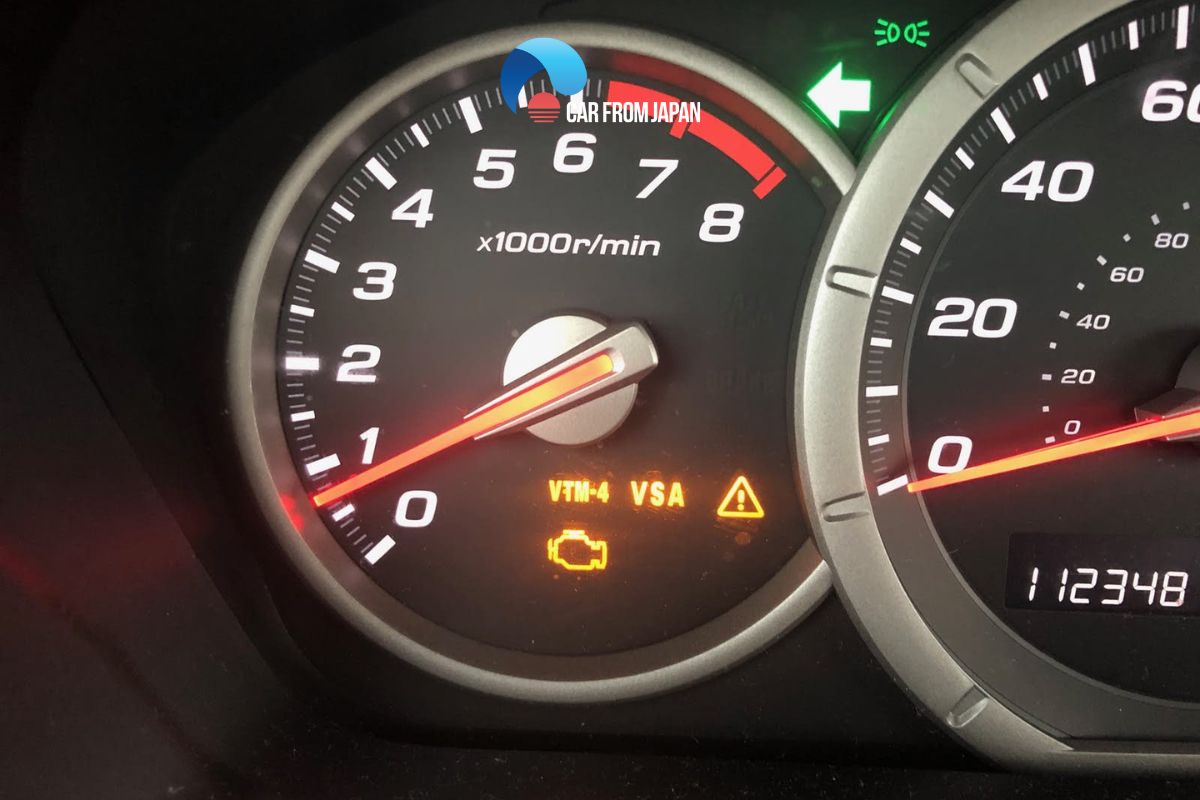
- Steady Light: If the VSA light remains illuminated continuously, it generally indicates a fault within the VSA system or a related component. This means the VSA system may not be operational, and you are driving without its assistance. While your car will still be drivable, it’s essential to address this issue.
Checking Tire Pressure and General Vehicle Condition
Before assuming a complex electronic fault, perform a quick visual inspection:
- Tire Pressure: Ensure all your tires are inflated to the recommended pressure specified in your owner’s manual or on the sticker located on the driver’s side doorjamb. Low tire pressure can sometimes trigger VSA warnings.
- Tire Condition: Inspect your tires for any visible damage or uneven wear. Ensure you are using tires of the correct size and type as recommended by the manufacturer.
- Recent Work: Consider if any recent work has been done on your vehicle, such as brake repairs or tire replacements. Sometimes, these services can inadvertently lead to VSA system issues if not performed correctly.
Professional Diagnosis and Repair
For a steady VSA light, professional diagnosis is usually required. The integrated nature of automotive safety systems means that a single fault can affect multiple functions.
The Importance of Diagnostic Scanners
Automotive diagnostic scanners are indispensable tools for pinpointing the cause of illuminated warning lights. When you take your vehicle to a qualified mechanic, they will connect a scanner to your vehicle’s onboard diagnostic (OBD-II) port. This scanner can retrieve diagnostic trouble codes (DTCs) stored in the VSA control module and other related modules. These codes provide specific information about the nature of the fault, such as “wheel speed sensor circuit malfunction” or “VSA sensor zero point calibration error.”
Common Repair Procedures
The repair procedure will depend entirely on the diagnostic trouble codes retrieved:
- Sensor Replacement: If a faulty sensor (wheel speed, steering angle, yaw rate, or lateral acceleration) is identified, the sensor will need to be replaced.
- Wiring and Connector Repair: Damaged wiring or corroded connectors in the VSA system’s harness can lead to intermittent or persistent faults. These will need to be repaired or replaced.
- ABS/VSA Module Repair or Replacement: In more severe cases, the VSA or ABS control module itself might be malfunctioning and require repair or replacement.
- Calibration: After replacing certain sensors, especially the steering angle sensor or yaw rate sensor, a calibration procedure might be necessary. This process “teaches” the control module the correct neutral or zero position of the sensor, ensuring accurate readings.
- Tire/Wheel Alignment: In some instances, particularly if other suspension-related issues are present, a proper wheel alignment might be needed to ensure the VSA system is working with correctly aligned wheels.
Conclusion: Maintaining Optimal VSA Performance
The VSA light is a critical indicator designed to enhance your safety on the road. Understanding when it’s actively working to prevent a loss of control and when it signifies a potential problem is paramount. By familiarizing yourself with the VSA system’s operation and the common causes of its illumination, you can be better equipped to respond appropriately and ensure timely maintenance.
Regular maintenance and attentive driving are your best defenses against unexpected VSA issues. When the VSA light illuminates, don’t dismiss it. Whether it’s a brief flicker indicating a momentary loss of traction or a persistent glow suggesting a fault, understanding its meaning is the first step towards a safer and more reliable driving experience. Always refer to your vehicle’s owner’s manual for specific information about your VSA system, and consult a trusted mechanic for any persistent warning lights to ensure your vehicle’s safety systems are functioning at their optimal performance.
aViewFromTheCave is a participant in the Amazon Services LLC Associates Program, an affiliate advertising program designed to provide a means for sites to earn advertising fees by advertising and linking to Amazon.com. Amazon, the Amazon logo, AmazonSupply, and the AmazonSupply logo are trademarks of Amazon.com, Inc. or its affiliates. As an Amazon Associate we earn affiliate commissions from qualifying purchases.