
Fermentation, a biochemical process that has been used by humans for millennia, transforms food through the action of microorganisms like bacteria, yeasts, and molds. This ancient art, while often associated with culinary traditions, is experiencing a renaissance, driven by a deeper understanding of its scientific underpinnings and its profound impact on nutrition, preservation, and even the development of novel food technologies. Beyond the familiar tang of sourdough or the effervescence of kombucha, fermentation represents a sophisticated biological transformation with far-reaching implications, particularly within the realm of Tech.
While the word “fermentation” might conjure images of traditional kitchens and age-old recipes, its modern interpretation is inextricably linked with technological advancements. From precision fermentation in bioreactors to the application of AI in optimizing microbial strains, technology is not merely an enabler but a transformative force in how we understand, control, and leverage fermentation. This exploration will delve into the technical intricacies of food fermentation, focusing on the innovative technologies that are revolutionizing its production, quality control, and potential applications in the food industry.
The Microbiome and the Mechanics of Fermentation
At its core, fermentation is a metabolic process. Microorganisms, in the absence of oxygen (anaerobic respiration), break down carbohydrates (sugars and starches) into simpler compounds, releasing energy in the process. This breakdown yields a variety of end products, including acids (like lactic acid and acetic acid), alcohols (ethanol), and gases (carbon dioxide). The specific products and characteristics of a fermented food are dictated by the type of microorganism involved, the substrate (the food being fermented), and the environmental conditions such as temperature, pH, and time.
Microbial Catalysts: Yeasts, Bacteria, and Molds
The diversity of fermented foods is a direct reflection of the vast array of microorganisms employed.
Yeasts: The Alchemists of Alcohol and CO2
Yeasts, primarily Saccharomyces cerevisiae, are renowned for their role in producing alcohol and carbon dioxide. This makes them indispensable in the production of bread, beer, and wine. Their enzymatic machinery efficiently converts sugars into ethanol and CO2, leading to leavening in dough and the characteristic fizziness in beverages. Technological advancements are focusing on selecting and engineering yeast strains with enhanced metabolic pathways for increased efficiency, specific flavor profiles, and even the production of valuable byproducts. This includes the development of genetically modified yeasts for improved fermentation yields or the creation of hybrid strains with unique sensory attributes.
Bacteria: The Acidifiers and Flavor Developers
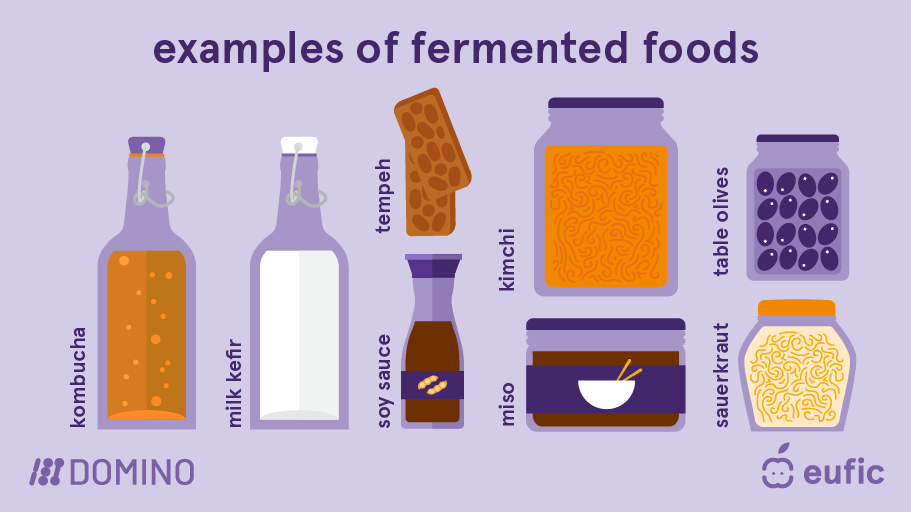
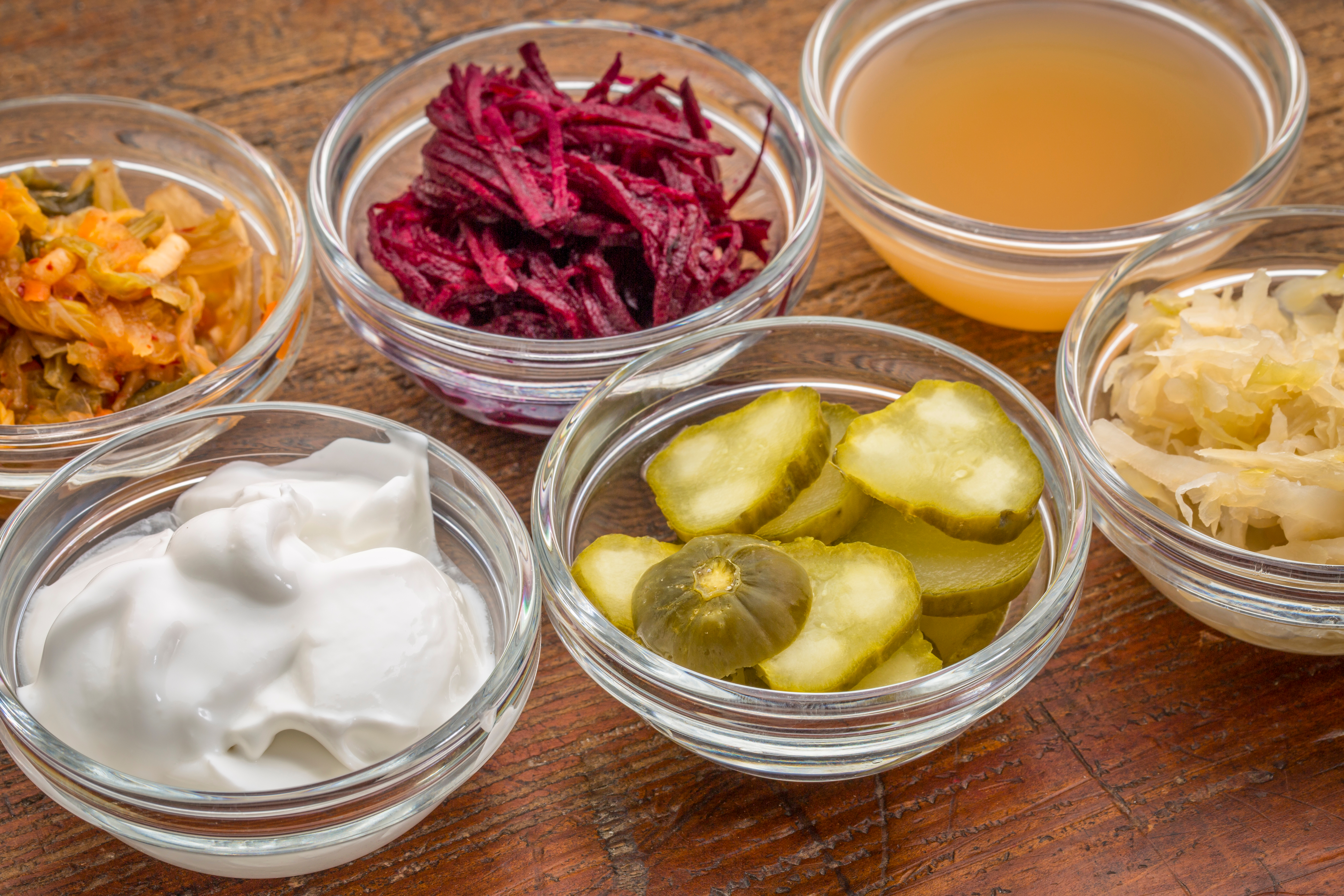
Bacteria, particularly lactic acid bacteria (LAB) like Lactobacillus and Bifidobacterium species, are crucial for the production of fermented dairy products (yogurt, cheese, kefir), sauerkraut, kimchi, and pickles. LAB convert lactose into lactic acid, which lowers the pH of the food, inhibiting the growth of spoilage organisms and contributing to the characteristic tangy flavor. Beyond acidification, certain bacterial species produce a complex array of flavor compounds, contributing to the depth and richness of fermented foods. Modern biotechnology is enabling the isolation and characterization of specific LAB strains with desired traits, such as improved probiotic functionality, enhanced acid production, or the ability to synthesize novel flavor precursors. Precision fermentation allows for the controlled cultivation of these bacteria in sterile environments, ensuring consistent product quality and safety.
Molds: The Artisans of Texture and Aroma
Molds, such as Penicillium roqueforti in blue cheese or Aspergillus oryzae (koji) in soy sauce and miso, play a vital role in developing complex textures and aromas. These filamentous fungi secrete enzymes that break down proteins and fats into smaller, flavorful molecules. The enzymatic activity of molds can transform tough ingredients into palatable and desirable foods, contributing unique characteristics to products like certain cheeses and fermented soy products. Research in this area involves understanding the enzymatic cascades of these molds and optimizing their growth conditions to achieve specific textural and aromatic outcomes, often through advanced bioreactor designs and controlled atmospheric environments.
Substrate Specificity and Transformation
The food substrate itself is a critical variable in fermentation. The carbohydrate composition, protein content, fat levels, and the presence of essential micronutrients all influence which microorganisms can thrive and what metabolic pathways are activated. Technological innovations allow for the manipulation of these substrates to optimize fermentation.
Carbohydrate Breakdown and Utilization
The primary fuel for most fermentations is carbohydrates. Different microorganisms possess distinct enzymatic repertoires for breaking down complex sugars into simpler ones that can be metabolized. For instance, in sourdough, the symbiotic relationship between yeast and bacteria involves the breakdown of starches into fermentable sugars. Advanced techniques allow for the precise selection and engineering of enzymes to pre-treat substrates, making them more accessible to the desired microorganisms, thus increasing fermentation efficiency and speed. This can involve using immobilized enzymes or engineered microbial consortia that possess a broader range of enzymatic capabilities.
Protein and Fat Modification
In fermented dairy and meat products, the breakdown of proteins and fats by microbial enzymes contributes significantly to flavor and texture development. Proteases break down proteins into peptides and amino acids, while lipases hydrolyze fats into fatty acids. These enzymatic transformations are complex and can lead to the generation of a vast array of volatile and non-volatile compounds responsible for the characteristic aromas and tastes of fermented foods. Technological advancements are enabling the mapping of these complex enzymatic pathways and the identification of key enzymes and their substrates, leading to more targeted approaches for flavor development and the creation of novel ingredients with specific sensory profiles through controlled enzymatic action.
Technological Innovations Driving Fermentation Forward
The ancient practice of fermentation is now being propelled into the future by a wave of technological innovations. These advancements are not only enhancing efficiency and safety but also opening up new frontiers in food production and sustainability.
Precision Fermentation: Industrial-Scale Biotransformation
Precision fermentation represents a paradigm shift in how we produce fermented ingredients. Instead of traditional open vats, this method utilizes highly controlled bioreactors to cultivate specific microorganisms. These bioreactors are sophisticated vessels equipped with sensors and control systems that monitor and adjust parameters such as temperature, pH, dissolved oxygen, and nutrient levels in real-time. This precise control allows for optimal growth conditions, maximizing the yield of desired products and minimizing the production of unwanted byproducts.
Bioreactor Design and Optimization
The design of bioreactors is a crucial aspect of precision fermentation. From stirred-tank bioreactors to wave bioreactors and packed-bed bioreactors, each design offers specific advantages depending on the microorganism and the desired product. Computational fluid dynamics (CFD) and process modeling are employed to optimize mixing, oxygen transfer, and heat removal within the bioreactors, ensuring consistent and efficient fermentation. This allows for scaling up production from laboratory to industrial levels with high reproducibility.
Microbial Strain Engineering and Selection
The power of precision fermentation lies in the ability to utilize highly selected or engineered microbial strains. Genetic engineering techniques allow scientists to modify microorganisms to enhance their production of specific compounds, improve their tolerance to process conditions, or even introduce entirely new metabolic capabilities. For example, strains can be engineered to produce specific enzymes, vitamins, or flavor compounds more efficiently. Furthermore, high-throughput screening technologies are used to identify naturally occurring microbial strains with superior fermentation characteristics, such as faster growth rates, higher product yields, or desirable flavor profiles.
Downstream Processing and Purification: Extracting the Essence
Once fermentation is complete, the desired products need to be separated and purified from the fermentation broth. This “downstream processing” is a critical stage that can significantly impact the cost and quality of the final ingredient. Technological advancements in separation and purification techniques are vital for making fermented ingredients economically viable and meeting stringent quality standards.
Membrane Filtration and Chromatography

Advanced membrane filtration techniques, such as microfiltration, ultrafiltration, and nanofiltration, are widely used to separate microbial cells from the liquid broth and to concentrate the desired products. Chromatography, another powerful separation technique, is employed to isolate and purify specific compounds based on their chemical properties. These technologies allow for the efficient and selective recovery of valuable ingredients, such as proteins, enzymes, or specific flavor molecules, with high purity.
Drying and Stabilization Technologies
To ensure the shelf life and stability of fermented ingredients, various drying and stabilization technologies are employed. Spray drying, freeze-drying (lyophilization), and vacuum drying are common methods used to remove moisture while preserving the integrity and functionality of the fermented products. The selection of the appropriate drying method is crucial and depends on the heat sensitivity of the compound being dried and the desired final product characteristics. Research is ongoing to develop even gentler and more energy-efficient drying technologies.
Automation and AI in Fermentation Management
The integration of automation and artificial intelligence (AI) is revolutionizing the management and optimization of fermentation processes. These technologies offer unprecedented levels of control, predictive capabilities, and efficiency.
Real-time Monitoring and Process Control
Automated sensor networks continuously collect data on critical fermentation parameters. AI algorithms analyze this data in real-time, identifying subtle deviations from optimal conditions and making automatic adjustments to maintain process stability and maximize yield. This reduces human error and ensures consistent product quality. For example, AI can predict the optimal time to harvest a fermentation batch based on the real-time metabolic activity of the microorganisms.
Predictive Analytics and Strain Development
AI is also being used to predict fermentation outcomes based on historical data and microbial characteristics. This predictive power can accelerate the development of new microbial strains with desired traits. By analyzing vast datasets of microbial genomes and fermentation performance, AI can identify promising candidates for further development or pinpoint specific genes that can be targeted for genetic modification. This dramatically speeds up the R&D cycle for novel fermented ingredients and applications.
Applications and Future Horizons in Fermentation Technology
The impact of fermentation technology extends across a wide spectrum of food applications, from enhancing nutritional profiles to developing sustainable alternatives and creating entirely new food experiences.
Nutritional Enhancement and Bioavailability
Fermentation can significantly improve the nutritional value of food. Microorganisms can synthesize vitamins, break down antinutrients that hinder nutrient absorption, and increase the bioavailability of minerals. For instance, lactic acid fermentation can increase the levels of B vitamins and convert phytic acid in grains and legumes, improving iron and zinc absorption. Technological advancements in strain selection and fermentation control allow for the targeted enhancement of specific nutrients in fermented foods and ingredients. This is particularly relevant in the development of functional foods and dietary supplements.
Probiotics and Prebiotics
Fermented foods are often rich sources of probiotics, beneficial live microorganisms that confer health benefits when consumed. Technological focus is on identifying and cultivating probiotic strains with proven efficacy and ensuring their survival through the fermentation and digestion processes. Furthermore, fermentation can be used to produce prebiotics, non-digestible fibers that selectively stimulate the growth of beneficial bacteria in the gut. The synergy between probiotics and prebiotics is a key area of research, with technology playing a vital role in their development and application.
Improved Digestibility and Reduced Allergens
The enzymatic activity during fermentation can break down complex proteins and carbohydrates into smaller, more easily digestible molecules. This makes fermented foods a valuable option for individuals with digestive sensitivities. For example, the lactose in milk is broken down during the fermentation of yogurt and cheese, making them more tolerable for lactose-intolerant individuals. Additionally, fermentation can be employed to reduce the allergenicity of certain foods by breaking down allergenic proteins.
Sustainable Food Production and Alternative Proteins
Fermentation technology is at the forefront of developing sustainable and environmentally friendly food solutions, particularly in the realm of alternative proteins.
Cultured Meat and Precision Fermentation
Precision fermentation is crucial for producing animal-free proteins and ingredients for cultured meat. Microorganisms can be engineered to produce specific proteins, such as collagen or myoglobin, which are then used as building blocks for cultured meat. This eliminates the need for traditional animal agriculture, significantly reducing land and water usage, greenhouse gas emissions, and ethical concerns. The ability to precisely control microbial metabolism is key to producing these complex protein structures efficiently and cost-effectively.
Mycoprotein and Microbial Biomass
Fermentation is also used to produce mycoprotein, a nutrient-rich protein source derived from fungi. This involves cultivating specific fungal strains on a carbohydrate-rich substrate, leading to the production of a biomass that can be processed into a meat-like product. Similarly, other microbial biomass, such as bacteria and algae, can be fermented to produce protein-rich food ingredients. Technological advancements in bioreactor design, nutrient optimization, and downstream processing are essential for scaling up the production of these sustainable protein sources.
Novel Food Experiences and Flavor Innovation
Beyond nutritional and sustainability benefits, fermentation technology is driving innovation in food flavor and texture, creating entirely new culinary experiences.
Flavor Precursors and Aroma Compounds
Microorganisms are natural chemists, capable of producing a vast array of flavor and aroma compounds. By understanding and manipulating microbial metabolism, scientists can engineer strains to produce specific flavor precursors or directly synthesize desirable aroma compounds. This allows for the creation of novel flavor profiles and the development of authentic-tasting plant-based alternatives to traditional meat and dairy products.
Texture Modification and Novel Ingredients
Fermentation can dramatically alter the texture of food ingredients. For example, the enzymatic activity of molds can create the characteristic creamy texture of certain cheeses. Technological focus is on understanding the complex interactions between microbial enzymes and food matrices to engineer desired textural properties. This can lead to the development of novel ingredients with unique functionalities, such as improved emulsification, binding, or gelling properties. The ability to precisely control these enzymatic transformations opens up a world of possibilities for food texture innovation.
In conclusion, fermentation is far more than a culinary technique; it is a sophisticated biochemical process at the intersection of biology and technology. From the intricate metabolic pathways orchestrated by microorganisms to the advanced bioreactors and AI algorithms that control and optimize these processes, technology is fundamentally reshaping our understanding and application of food fermentation. As we continue to harness the power of microbial transformation, fermentation promises to play an increasingly vital role in creating a more nutritious, sustainable, and flavorful future of food.
aViewFromTheCave is a participant in the Amazon Services LLC Associates Program, an affiliate advertising program designed to provide a means for sites to earn advertising fees by advertising and linking to Amazon.com. Amazon, the Amazon logo, AmazonSupply, and the AmazonSupply logo are trademarks of Amazon.com, Inc. or its affiliates. As an Amazon Associate we earn affiliate commissions from qualifying purchases.