
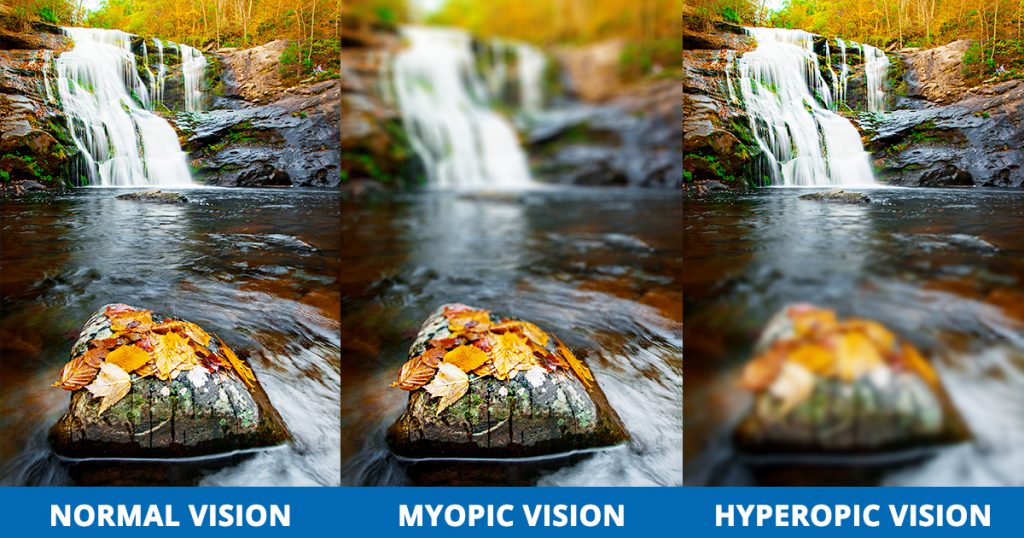
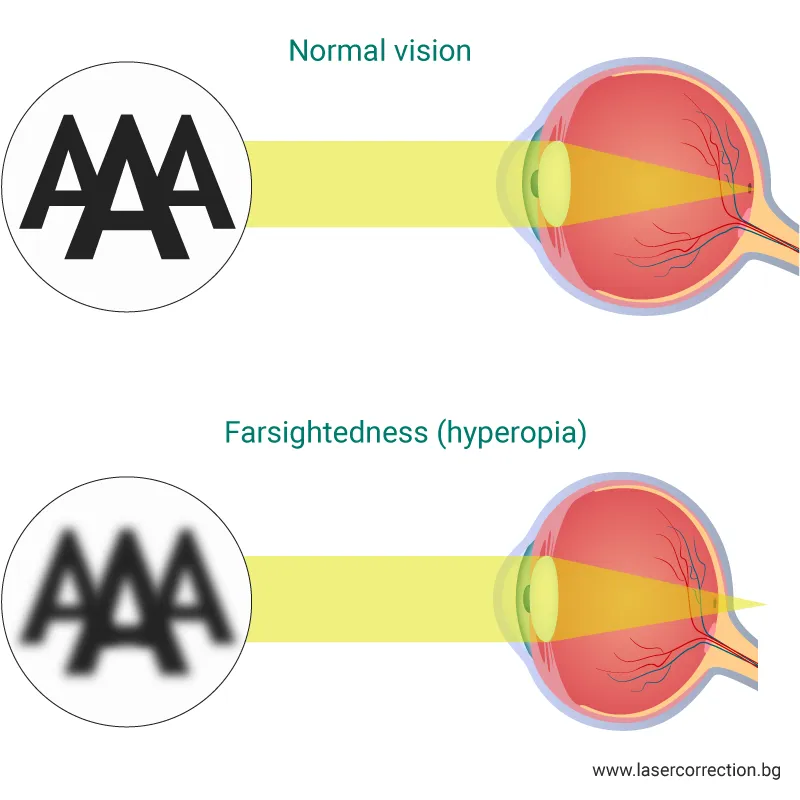
Farsightedness, medically known as hyperopia, is a common refractive error of the eye. It occurs when the eye focuses images behind the retina, rather than directly on it. This misalignment causes distant objects to appear clear, while near objects are seen as blurry. While the term “farsighted” might intuitively suggest a broad, generalized vision improvement, in ophthalmology, it specifically refers to this particular focusing issue. Understanding hyperopia is crucial, not just for those experiencing its symptoms, but also for appreciating the intricate mechanics of human vision and the technologies developed to address its imperfections.
The Anatomy of Seeing: How Light Behaves in a Healthy Eye
Before delving into the nuances of farsightedness, it’s essential to grasp the fundamental process of sight. Vision is a complex interplay of light, optics, and neurological processing. When we look at an object, light rays emanate from it and enter the eye. These rays first pass through the cornea, the transparent outer layer of the eye, which bends and refracts the light. Next, the light travels through the pupil, the opening in the iris, and then through the lens. The lens, a flexible, biconvex structure, further refines the light’s focus. Its primary role is accommodation, the ability to change its shape to focus on objects at varying distances. Finally, the light rays converge on the retina, a light-sensitive tissue lining the back of the eye. The retina contains photoreceptor cells – rods and cones – that convert light into electrical signals. These signals are then transmitted via the optic nerve to the brain, where they are interpreted as images.
The Cornea’s Role in Light Refraction
The cornea is the eye’s primary refractive surface, responsible for about two-thirds of its total focusing power. Its curved shape acts like a lens, bending light rays inwards. The uniformity of its curvature is critical for sharp vision. Any irregularities or significant deviations in its shape can lead to visual distortions.
The Lens: The Dynamic Focus Adjuster
The crystalline lens, situated behind the iris, is responsible for the fine-tuning of focus. It can change its shape, becoming thicker for near vision and flatter for distant vision. This process, known as accommodation, allows us to see both far away mountains and intricate details of a book with clarity. The elasticity of the lens diminishes with age, a phenomenon known as presbyopia, which is distinct from hyperopia.
The Retina: The Light-Sensitive Canvas
The retina’s job is to capture the focused light and convert it into neural signals. It’s a sophisticated biological sensor array, packed with millions of photoreceptor cells. The central part of the retina, the macula, is responsible for sharp, central vision (visual acuity), while the peripheral retina provides a wider field of vision.
Understanding Hyperopia: When Focus Falls Behind
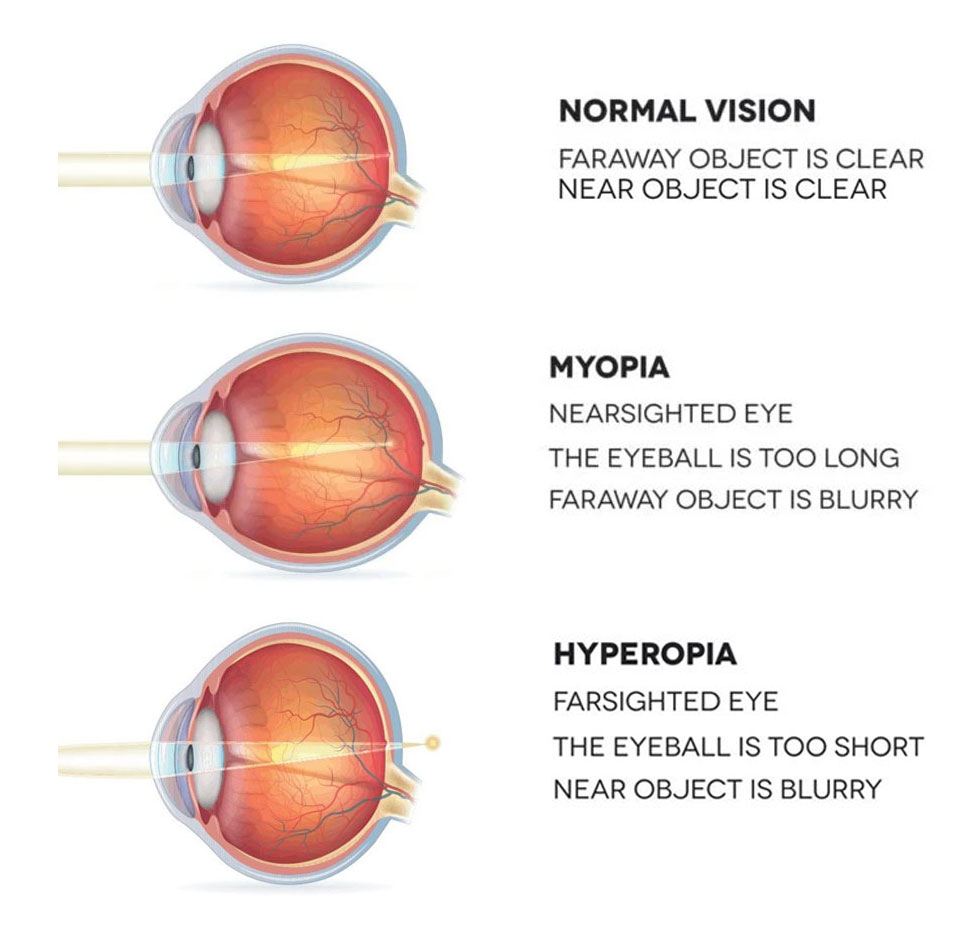
In a healthy eye with normal vision (emmetropia), light rays from distant objects are focused precisely on the retina. In hyperopia, however, the eye’s optical power is insufficient, or the eyeball is too short, causing light rays to converge behind the retina. This results in blurry vision, particularly for near objects. The degree of blurriness can vary significantly depending on the severity of the hyperopia and the individual’s age.
The Mechanics of Farsightedness: Anatomical and Optical Causes
Hyperopia can arise from several anatomical or optical factors:
- Eyeball Length: The most common cause of hyperopia is a shortened eyeball. In this case, the cornea and lens are typically normal in their refractive power, but the distance from the lens to the retina is too short. Light rays naturally converge behind the retina.
- Corneal Curvature: A cornea that is flatter than normal can also lead to hyperopia. A flatter cornea bends light less effectively, resulting in a weaker overall refractive power.
- Lens Power: While less common, a lens with insufficient refractive power can contribute to hyperopia. This could be due to developmental issues or changes in the lens’s structure.
The Spectrum of Hyperopia: Mild, Moderate, and Severe
Hyperopia is categorized into different levels of severity based on the refractive error, typically measured in diopters:
- Mild Hyperopia (Low): This is often characterized by a refractive error of +0.25 to +3.00 diopters. Young individuals with mild hyperopia may not experience any noticeable symptoms because their eyes’ accommodative system can compensate for the focusing error, especially for distant objects. However, prolonged near work can lead to eye strain.
- Moderate Hyperopia (Medium): This falls within the range of +3.25 to +6.00 diopters. Symptoms become more pronounced, and even distant objects might appear slightly blurry. Individuals in this category will likely experience significant eye strain, headaches, and difficulty with reading and other close-up tasks.
- Severe Hyperopia (High): With a refractive error exceeding +6.00 diopters, vision can be significantly impaired at all distances. Even with the eye’s full accommodative effort, clear vision is often unattainable, leading to constant blurriness and significant visual discomfort.
The Body’s Compensatory Mechanism: Accommodation
The remarkable ability of the eye to adjust its focus is called accommodation. In individuals with hyperopia, the ciliary muscles within the eye work harder to make the lens more convex, increasing its refractive power to bring the focal point forward onto the retina. This constant effort, especially for near tasks, can lead to symptoms like eye strain, headaches, and fatigue. As people age, the lens naturally loses some of its flexibility, making it more difficult for the eye to accommodate effectively, which is why hyperopia often becomes more apparent or problematic with age.
Symptoms and Diagnosis: Recognizing the Signs of Farsightedness
The symptoms of hyperopia can vary greatly depending on the individual’s age and the severity of the condition. Many young people with mild hyperopia may experience no noticeable vision problems, as their eyes can easily compensate. However, as the condition progresses or as they age and their accommodative ability decreases, symptoms will emerge.
Common Manifestations of Hyperopia
The most common symptoms associated with farsightedness include:
- Blurry Vision: This is the hallmark symptom. While distant objects are often seen clearly, near objects appear fuzzy or out of focus. In severe cases, even distant vision can be affected.
- Eye Strain and Fatigue: The constant effort of the ciliary muscles to accommodate for near vision can lead to significant eye strain, a feeling of tiredness in and around the eyes, and discomfort.
- Headaches: Persistent eye strain can trigger headaches, often felt around the forehead or temples, particularly after reading or engaging in prolonged close-up work.
- Squinting: People with hyperopia may squint to try and sharpen their vision, an unconscious effort to adjust the shape of their eyelids to reduce aberrations.
- Difficulty with Close-Up Tasks: Reading, writing, using a computer, or performing other activities that require near focus can become challenging and uncomfortable.
- Crossed Eyes (Strabismus) in Children: In some cases, particularly in young children with significant hyperopia, the excessive accommodative effort can lead to a condition called esotropia, where one or both eyes turn inward. This is a serious condition that requires prompt medical attention to prevent amblyopia (lazy eye).
The Importance of Professional Eye Examinations
Diagnosing hyperopia is straightforward and is typically done during a comprehensive eye examination conducted by an optometrist or ophthalmologist.
- Visual Acuity Test: This basic test measures how clearly a person can see at various distances. It involves reading letters or symbols on a chart from a set distance.
- Refraction Test: This is the core diagnostic tool for refractive errors. The eye care professional uses a phoropter, a device with a series of lenses, to determine the precise prescription needed to correct vision. The patient is asked to choose which lens provides the clearest and most comfortable vision.
- Retinoscopy: This objective method involves shining a light into the eye and observing the reflection on the retina. The examiner can estimate the refractive error without requiring patient feedback, making it useful for young children or individuals who have difficulty communicating.
- Eye Muscle Coordination Tests: If strabismus or amblyopia is suspected, especially in children, tests are performed to assess how well the eye muscles work together.
Regular eye check-ups are vital for everyone, but especially for children, as early detection and correction of hyperopia can prevent the development of more serious vision problems and ensure optimal visual development.
Corrective Options: Restoring Clarity to Farsighted Vision
Fortunately, hyperopia is a treatable condition, and various methods are available to correct it, restoring clear vision and alleviating uncomfortable symptoms. The choice of correction often depends on the severity of the hyperopia, the individual’s lifestyle, age, and personal preferences.
Eyeglasses: The Traditional Solution
Eyeglasses have been the mainstay of vision correction for centuries and remain a highly effective and accessible option for managing hyperopia. The lenses in eyeglasses designed for farsightedness are convex (thicker in the center than at the edges). These lenses magnify the incoming light rays, effectively pushing the focal point forward onto the retina.
- Lens Types: Standard single-vision lenses are most common. For individuals who also develop presbyopia, bifocal or progressive lenses may be prescribed to address both hyperopia and age-related difficulty with near vision.
- Frame Styles: A wide variety of frame styles and materials are available, allowing for both functional correction and personal aesthetic expression.
Contact Lenses: A Discreet Alternative
Contact lenses offer a convenient and often preferred alternative to eyeglasses for many individuals. These small, clear lenses are placed directly on the surface of the eye, correcting vision by altering how light enters the eye.
- Material and Design: Soft contact lenses are the most common, offering comfort and ease of wear. Rigid gas-permeable (RGP) lenses are also an option, providing sharper vision for some individuals.
- Types for Hyperopia: Like eyeglasses, single-vision contact lenses are used. For those experiencing presbyopia, multifocal contact lenses are available.
- Care and Maintenance: Proper hygiene and regular replacement are crucial for maintaining eye health and preventing complications when wearing contact lenses.
Refractive Surgery: Permanent Vision Correction
For those seeking a more permanent solution, refractive surgery offers the possibility of reducing or eliminating the need for glasses or contact lenses. These procedures alter the shape of the cornea to correct the eye’s focusing power.
- LASIK (Laser-Assisted In Situ Keratomileusis): This is one of the most popular refractive surgeries. A thin flap is created on the cornea, and a laser is used to reshape the underlying corneal tissue. The flap is then repositioned.
- PRK (Photorefractive Keratectomy): In PRK, the outer layer of the cornea (epithelium) is removed, and then a laser reshapes the corneal surface. The epithelium regenerates over a few days. PRK may be a better option for individuals with thinner corneas or those whose lifestyles put them at higher risk of eye injury.
- SMILE (Small Incision Lenticule Extraction): A newer procedure, SMILE involves creating a small lenticule of tissue within the cornea that is then removed through a small incision.
- Phakic Intraocular Lenses (IOLs): For individuals with very high degrees of hyperopia or those who are not candidates for laser surgery, phakic IOLs can be implanted inside the eye, in front of the natural lens, to correct vision.
The suitability for refractive surgery depends on various factors, including the degree of hyperopia, corneal thickness, overall eye health, and individual expectations. A thorough consultation with an ophthalmologist is essential to determine the best surgical option, if any.
Beyond Correction: Farsighted Vision’s Impact on Life
While the primary concern with hyperopia is blurry vision, its effects can extend beyond the visual realm, impacting daily life, learning, and even emotional well-being. Understanding these broader implications highlights the importance of addressing farsightedness comprehensively.
Impact on Learning and Development in Children
In children, uncorrected hyperopia can significantly hinder their academic performance and overall development.
- Reading and Writing Difficulties: Blurry vision, especially up close, makes it challenging for children to read textbooks, complete assignments, and engage in fine motor tasks like handwriting. This can lead to frustration and a reluctance to participate in learning activities.
- Attention and Behavioral Issues: The constant effort to see clearly can lead to fatigue, headaches, and irritability, which can be misinterpreted as attention deficit or behavioral problems. Children may appear restless, distracted, or even withdrawn because of visual discomfort.
- Delayed Skill Development: Visual skills are fundamental to many developmental milestones. Difficulty with depth perception, hand-eye coordination, and visual tracking can impact gross motor skills, sports participation, and the acquisition of new abilities.
- Risk of Amblyopia and Strabismus: As mentioned earlier, uncorrected hyperopia in children increases the risk of developing amblyopia (“lazy eye”), where the brain favors the stronger eye, and strabismus (misaligned eyes). Both conditions can lead to permanent vision loss if not treated early.
Farsightedness in Adult Life: Daily Challenges and Professional Implications
In adulthood, hyperopia can present a different set of challenges, impacting work, social life, and overall quality of life.
- Workplace Productivity: Many modern jobs require extensive computer use and detailed close-up work. For adults with uncorrected or under-corrected hyperopia, this can lead to reduced productivity, increased errors, and significant discomfort. Eye strain and headaches can make sustained concentration difficult.
- Leisure Activities: Hobbies like reading, crafting, playing musical instruments, or even engaging in social activities that involve reading menus or understanding small print can become challenging and less enjoyable.
- Driving Safety: While distant vision is often clear in mild hyperopia, moderate to severe cases can impair the ability to read road signs, see other vehicles clearly, and judge distances, posing a risk to driving safety.
- Social and Emotional Well-being: Chronic visual discomfort and the limitations imposed by blurry vision can lead to reduced confidence, social isolation, and even a decline in overall mental well-being. The constant struggle to see can be emotionally draining.
The Future of Vision Correction: Innovations on the Horizon
The field of ophthalmology and optometry is continuously evolving, with ongoing research and development promising even more advanced solutions for refractive errors like hyperopia.
- Advanced Laser Technologies: Newer generations of excimer lasers and femtosecond lasers are offering greater precision and personalized treatment options for refractive surgery, leading to improved outcomes and faster recovery times.
- Improved Intraocular Lenses: Research into new materials and designs for intraocular lenses (IOLs) for cataract surgery and refractive lens exchange is leading to enhanced visual quality, better depth of focus, and reduced visual disturbances like glare and halos.
- Scleral Lenses: These specialized contact lenses vault over the cornea, resting on the sclera (the white part of the eye), and creating a fluid-filled space between the lens and the cornea. They are particularly beneficial for managing complex eye conditions and can offer excellent vision correction.
- Biopharmaceuticals and Gene Therapy: While still in early stages for refractive errors, ongoing research into eye drops that can temporarily improve focusing ability or even gene therapies that could address the underlying causes of certain visual impairments hold future promise.
In conclusion, understanding farsighted vision, or hyperopia, is not merely about recognizing blurry images. It’s about appreciating the intricate biological machinery of the eye, the varied ways in which its functions can be impaired, and the remarkable technological and medical advancements that empower us to see the world with clarity and comfort. From traditional eyeglasses to cutting-edge surgical procedures, the journey of correcting hyperopia reflects humanity’s enduring quest to overcome biological limitations and enhance our visual experience.
aViewFromTheCave is a participant in the Amazon Services LLC Associates Program, an affiliate advertising program designed to provide a means for sites to earn advertising fees by advertising and linking to Amazon.com. Amazon, the Amazon logo, AmazonSupply, and the AmazonSupply logo are trademarks of Amazon.com, Inc. or its affiliates. As an Amazon Associate we earn affiliate commissions from qualifying purchases.