
The financial world is undergoing a profound transformation. Beyond the traditional metrics of profitability and shareholder value, a new set of considerations is shaping investment decisions, corporate strategy, and ultimately, the long-term success of businesses. This paradigm shift is driven by the growing importance of Environmental, Social, and Governance (ESG) factors. Understanding what ESG means is no longer a niche concern for a select few; it’s becoming a fundamental aspect of astute financial decision-making for investors, businesses, and individuals alike. This article delves into the core components of ESG, its burgeoning significance in the financial landscape, and how it’s impacting investment strategies and corporate accountability.
Understanding the Pillars of ESG
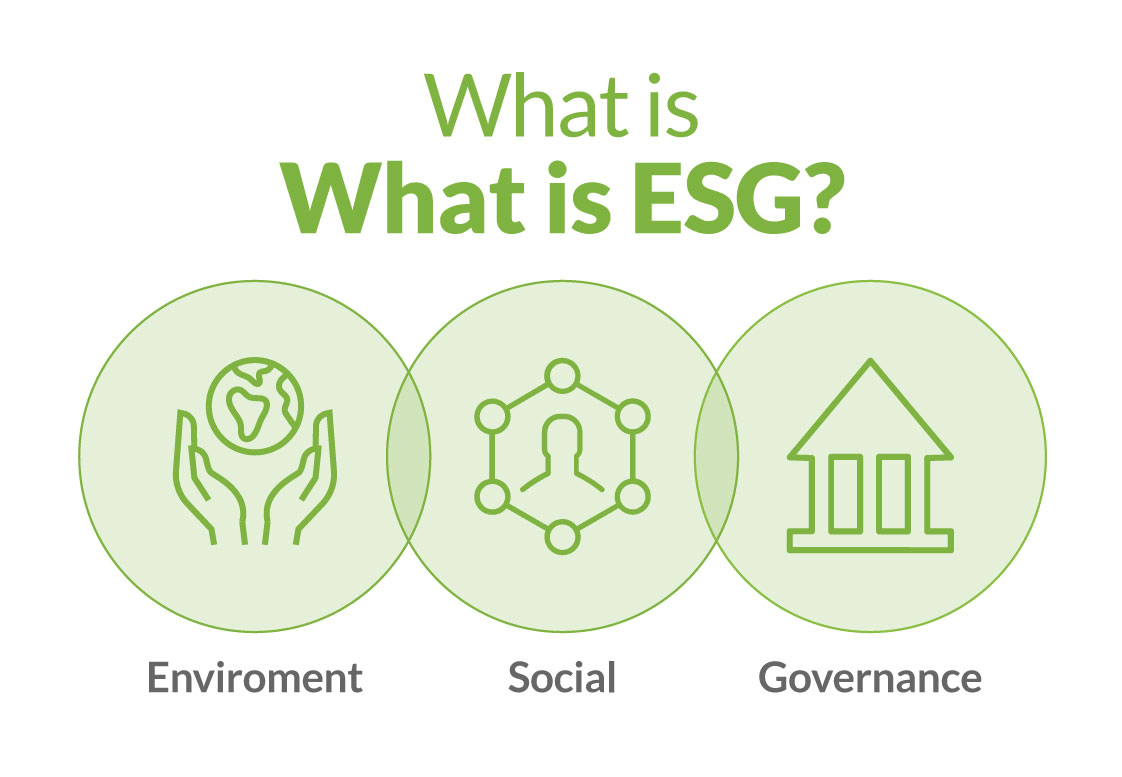
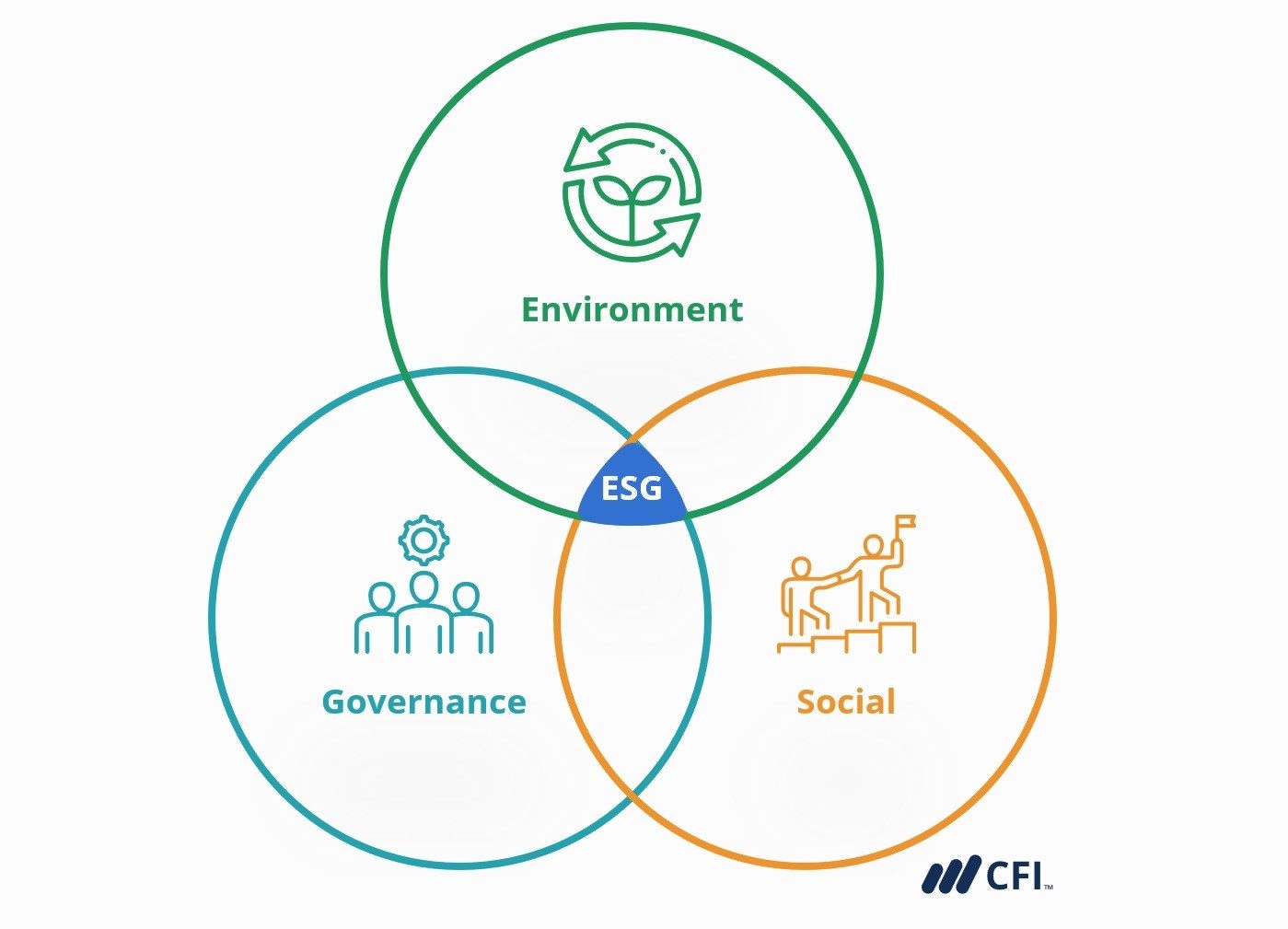
ESG is an acronym that represents a framework for evaluating a company’s sustainability and ethical impact. It is comprised of three distinct, yet interconnected, pillars: Environmental, Social, and Governance. Each pillar encompasses a broad range of criteria that collectively provide a holistic view of a company’s performance beyond its financial statements.
Environmental (E): Protecting Our Planet
The Environmental pillar focuses on a company’s impact on the natural world. It scrutinizes how businesses manage their ecological footprint and their commitment to environmental stewardship. Key areas within this pillar include:
- Climate Change and Carbon Emissions: This is arguably the most prominent aspect of the Environmental pillar. Investors assess a company’s greenhouse gas emissions, its strategies for reducing them, and its preparedness for the physical and transitional risks associated with climate change. This can involve analyzing a company’s reliance on fossil fuels, its investments in renewable energy, and its targets for carbon neutrality.
- Resource Management and Conservation: This involves evaluating how a company utilizes natural resources such as water, energy, and raw materials. Companies that demonstrate efficient resource management, waste reduction, and circular economy principles are often viewed favorably. This also includes responsible sourcing of materials and minimizing pollution.
- Biodiversity and Land Use: The impact of a company’s operations on ecosystems and biodiversity is increasingly scrutinized. This can range from the agricultural sector’s land use practices to the impact of mining operations on natural habitats. Companies are expected to demonstrate efforts to protect and restore biodiversity.
- Pollution and Waste Management: This assesses a company’s approach to managing air and water pollution, as well as its strategies for waste reduction, recycling, and proper disposal of hazardous materials. Proactive waste management and pollution prevention are key indicators of responsible environmental practices.
- Environmental Opportunities: Beyond mitigating risks, this aspect also considers a company’s innovation in developing environmentally friendly products, services, or technologies. This could include investments in green technology, sustainable supply chains, or solutions for environmental challenges.
Social (S): People and Communities
The Social pillar examines how a company manages its relationships with its employees, suppliers, customers, and the communities in which it operates. It reflects a company’s commitment to social responsibility and its impact on human capital and societal well-being. Key considerations include:
- Employee Relations and Labor Practices: This is a cornerstone of the Social pillar. It encompasses fair wages, safe working conditions, employee well-being, diversity and inclusion initiatives, and employee training and development. Companies with strong labor practices tend to have higher employee morale, lower turnover, and increased productivity.
- Human Rights and Labor Standards: Companies are expected to uphold human rights throughout their operations and supply chains, avoiding forced labor, child labor, and discrimination. This includes conducting due diligence to identify and address human rights risks.
- Customer Welfare and Data Privacy: This focuses on a company’s commitment to product safety, ethical marketing, fair pricing, and protecting customer data. In an era of increasing data breaches, strong data privacy policies are paramount.
- Community Engagement and Social Impact: Companies are evaluated on their contributions to the communities where they operate. This can include philanthropic activities, job creation, local economic development, and addressing social issues relevant to their business.
- Diversity, Equity, and Inclusion (DEI): The composition of a company’s workforce, leadership, and board of directors in terms of gender, race, ethnicity, and other demographic factors is a critical component. Companies that champion DEI are often seen as more innovative and better positioned to understand diverse markets.
- Supply Chain Management: This involves ensuring that suppliers adhere to similar social and environmental standards. Companies are increasingly held accountable for the practices of their entire value chain.
Governance (G): Leadership and Accountability
The Governance pillar deals with a company’s leadership, executive pay, audits, internal controls, and shareholder rights. It assesses how a company is managed, directed, and controlled. Strong governance practices are essential for long-term sustainability and investor confidence. Key aspects include:
- Board Composition and Diversity: This examines the independence of the board of directors, the diversity of its members (in terms of skills, experience, gender, and ethnicity), and its oversight capabilities. An effective board is crucial for strategic decision-making and accountability.
- Executive Compensation: This scrutinizes how executive pay is structured and whether it is aligned with the company’s long-term performance and ESG goals. Fair and transparent executive compensation practices build trust.
- Shareholder Rights: This assesses the rights of shareholders, including their ability to vote on key company matters, elect directors, and receive timely and accurate information. Respect for shareholder democracy is a hallmark of good governance.
- Business Ethics and Transparency: This includes a company’s code of conduct, its policies on anti-corruption and bribery, and its commitment to ethical business practices. Transparency in reporting and operations is vital.
- Auditing and Internal Controls: This focuses on the quality of financial reporting, the independence of auditors, and the robustness of a company’s internal control systems to prevent fraud and errors.
- Risk Management: Effective governance includes a comprehensive approach to identifying, assessing, and mitigating various risks, including financial, operational, strategic, and ESG-related risks.
The Growing Significance of ESG in Investing
The integration of ESG factors into investment strategies is no longer a fringe movement; it’s a mainstream phenomenon reshaping how capital is allocated. The rationale behind this shift is multifaceted, driven by an increasing awareness of risks, opportunities, and ethical considerations.
Risk Mitigation and Enhanced Returns
Historically, investors focused almost exclusively on financial metrics. However, a growing body of research suggests that companies with strong ESG performance are often better managed and more resilient, leading to reduced risk and potentially enhanced long-term returns.
- Identifying Hidden Risks: Traditional financial analysis might overlook environmental liabilities, labor disputes, or governance failures that can significantly impact a company’s bottom line. ESG analysis helps uncover these “hidden” risks before they materialize into significant financial losses. For example, a company with poor environmental practices might face substantial fines or operational disruptions due to regulatory changes or natural disasters.
- Operational Efficiency: Companies that prioritize resource efficiency (Environmental pillar) often benefit from lower operating costs. Similarly, strong employee relations (Social pillar) can lead to higher productivity and reduced turnover, further contributing to profitability.
- Reputational Capital: A strong ESG profile can enhance a company’s reputation, making it more attractive to customers, talent, and investors. Conversely, poor ESG performance can lead to reputational damage, boycotts, and a loss of market share.
- Long-Term Value Creation: By focusing on sustainability and stakeholder well-being, companies with strong ESG credentials are often better positioned for long-term success, adapting to evolving societal expectations and regulatory landscapes. This proactive approach can lead to more sustainable value creation over time.
Investor Demand and Stakeholder Pressure
A significant driver of ESG’s rise is the increasing demand from investors themselves.
- Millennial and Gen Z Investors: Younger generations of investors are often more conscious of social and environmental issues and actively seek investments that align with their values. This growing demographic is a powerful force in shaping investment trends.
- Institutional Investors: Large institutional investors, such as pension funds, endowments, and sovereign wealth funds, are increasingly incorporating ESG criteria into their investment mandates. They recognize that ESG factors can be material to long-term financial performance and fiduciary duty.
- Active Ownership and Engagement: Many investors are not just passively investing in ESG-friendly companies but are actively engaging with management to encourage improvements in ESG performance. This can involve proxy voting, shareholder resolutions, and direct dialogue.
- Regulatory and Policy Drivers: Governments and regulatory bodies worldwide are implementing policies and frameworks that encourage or mandate ESG disclosure and sustainable practices. This creates a more favorable environment for ESG integration and pushes companies to adapt.
Aligning Investments with Values
For many investors, ESG investing is also about aligning their financial portfolios with their personal values and beliefs. They want to support companies that contribute positively to society and the environment, not those that exacerbate social or ecological problems. This conscious capitalism approach is gaining traction as individuals seek to make a tangible difference through their investment choices.
Implementing ESG in Practice: For Investors and Corporations
The understanding and application of ESG principles are transforming both investment strategies and corporate operations.
For Investors: Integrating ESG into Decision-Making
Investors can integrate ESG factors into their investment process in several ways:
- ESG Integration: This involves systematically incorporating material ESG risks and opportunities into traditional financial analysis. Analysts and portfolio managers consider ESG data alongside financial statements when evaluating potential investments.
- Screening: This approach involves either excluding certain companies or industries that do not meet specific ESG criteria (negative screening) or actively seeking out companies that demonstrate strong ESG performance (positive screening).
- Impact Investing: This goes a step further than traditional ESG investing, aiming to generate measurable, beneficial social or environmental impact alongside a financial return. This often involves investments in companies or funds that address specific societal challenges.
- Thematic Investing: This focuses on investing in companies that are positioned to benefit from specific ESG themes, such as renewable energy, clean water, sustainable agriculture, or gender equality.
- Active Ownership and Engagement: As mentioned, this involves using shareholder rights to influence corporate behavior and improve ESG practices. This can include voting on shareholder proposals related to ESG issues and engaging in direct dialogue with company management.
For Corporations: Embedding ESG into Strategy and Operations
For companies, embracing ESG is not just about compliance; it’s about building a more sustainable and resilient business model.
- Strategic Integration: ESG considerations should be embedded into the core business strategy, not treated as an add-on. This means identifying material ESG issues that affect the business and developing strategies to manage them effectively.
- Robust Data and Reporting: Companies need to establish robust systems for collecting, measuring, and reporting ESG data. Transparency and accuracy in reporting are crucial for building trust with investors and stakeholders. Frameworks like the Global Reporting Initiative (GRI) and the Sustainability Accounting Standards Board (SASB) provide guidance.
- Supply Chain Responsibility: Extending ESG principles to the supply chain is vital. Companies must work with their suppliers to ensure adherence to ethical labor practices, environmental standards, and human rights.
- Innovation and Sustainability: Companies can leverage ESG principles to drive innovation, developing new products, services, and business models that are more sustainable and meet evolving consumer demands.
- Stakeholder Engagement: Proactive engagement with stakeholders – including investors, employees, customers, regulators, and communities – is essential to understand their expectations and incorporate their feedback into ESG strategies.
- Governance as a Foundation: Strong governance is the bedrock of effective ESG implementation. A well-functioning board, ethical leadership, and transparent processes are critical for driving meaningful change.

The Future of Finance: ESG as a Standard
The concept of ESG has evolved from a novel idea to a fundamental component of modern finance. As awareness grows and data availability improves, ESG integration is likely to become the standard rather than the exception for prudent investment and responsible corporate citizenship.
The continued emphasis on climate action, social equity, and robust corporate governance will further propel ESG considerations to the forefront of financial decision-making. Investors will increasingly seek companies that demonstrate a commitment to sustainability, not just for ethical reasons, but because they understand that these companies are better positioned to navigate the challenges and opportunities of the 21st century. For corporations, proactively integrating ESG principles into their operations and strategy is no longer just a matter of good corporate behavior; it’s a strategic imperative for long-term survival, growth, and value creation in an increasingly conscious and interconnected world. Understanding what ESG means is the first step towards participating in this vital evolution of finance.
aViewFromTheCave is a participant in the Amazon Services LLC Associates Program, an affiliate advertising program designed to provide a means for sites to earn advertising fees by advertising and linking to Amazon.com. Amazon, the Amazon logo, AmazonSupply, and the AmazonSupply logo are trademarks of Amazon.com, Inc. or its affiliates. As an Amazon Associate we earn affiliate commissions from qualifying purchases.