
The term “economy” in the context of an airline like United Airlines often conjures images of functional travel, a balance between affordability and the essential components of a flight. However, to truly understand “economy on United Airlines” requires a more nuanced examination. It’s not merely about the cheapest seat; it’s a strategic offering designed to cater to a vast segment of travelers, a carefully calibrated product that balances cost-effectiveness with an acceptable level of comfort and service. This exploration will delve into the multifaceted nature of United’s economy class, dissecting its value proposition, the evolving passenger experience, and the strategic considerations that shape its offering.
Understanding the Core Value Proposition of United Economy
At its heart, United’s economy class is built around the principle of delivering a baseline travel experience at a competitive price. This segment of the market is highly price-sensitive, and airlines like United must constantly innovate and optimize to capture and retain these passengers. The core value proposition isn’t about luxury or premium amenities; it’s about facilitating accessible air travel, connecting people and businesses across distances, and doing so in a way that is sustainable for the airline’s financial health.
The Economic Realities of Mass Air Travel
The very existence of economy class is a testament to the economic realities of mass air travel. For airlines to operate profitably, they need to fill seats. Economy class is the engine that drives this volume. It accommodates the majority of passengers, enabling airlines to achieve economies of scale. This means that the revenue generated from economy class tickets subsidizes, to a degree, the more premium classes and also covers the significant operational costs of running an airline – fuel, maintenance, labor, and aircraft acquisition. United, like its competitors, understands that a robust economy offering is fundamental to its business model.
Balancing Cost and Customer Expectations
A critical aspect of the economy class offering is the delicate balance between keeping costs low and meeting fundamental customer expectations. Passengers in economy still expect safety, reliability, and a degree of comfort. United’s strategy involves offering a standardized, yet continuously refined, product. This includes providing essential services such as a seat, access to in-flight entertainment (often through seatback screens or personal device streaming), basic refreshments, and checked baggage allowance (though this can vary with fare type). The challenge lies in delivering these elements efficiently without compromising the perception of value. This often translates to optimizing cabin density, streamlining catering, and leveraging technology to reduce operational costs.
The Role of Fare Classes and Ancillary Revenue
Within the broad umbrella of “economy,” United employs a sophisticated system of fare classes and actively pursues ancillary revenue streams. This is where the “money” aspect of economy truly comes into play. Not all economy tickets are created equal. Different fare buckets offer varying degrees of flexibility, including options for seat selection, changes, and cancellations. These distinctions allow United to segment the economy market further, catering to both ultra-price-conscious travelers and those willing to pay a bit more for added convenience. Furthermore, ancillary revenues—such as fees for preferred seating, extra baggage, Wi-Fi, and on-demand food and beverage—are increasingly vital to the profitability of economy class. These revenue streams allow United to keep the base fare competitive while offering passengers the opportunity to customize their experience and pay for specific amenities they value.
Evolving Passenger Experience in United Economy
The passenger experience in economy class is not static; it’s a constantly evolving landscape shaped by technological advancements, shifting consumer preferences, and competitive pressures. United has been actively investing in and reimagining various aspects of the economy cabin to enhance comfort, connectivity, and overall satisfaction.
Seat Design and Comfort Innovations

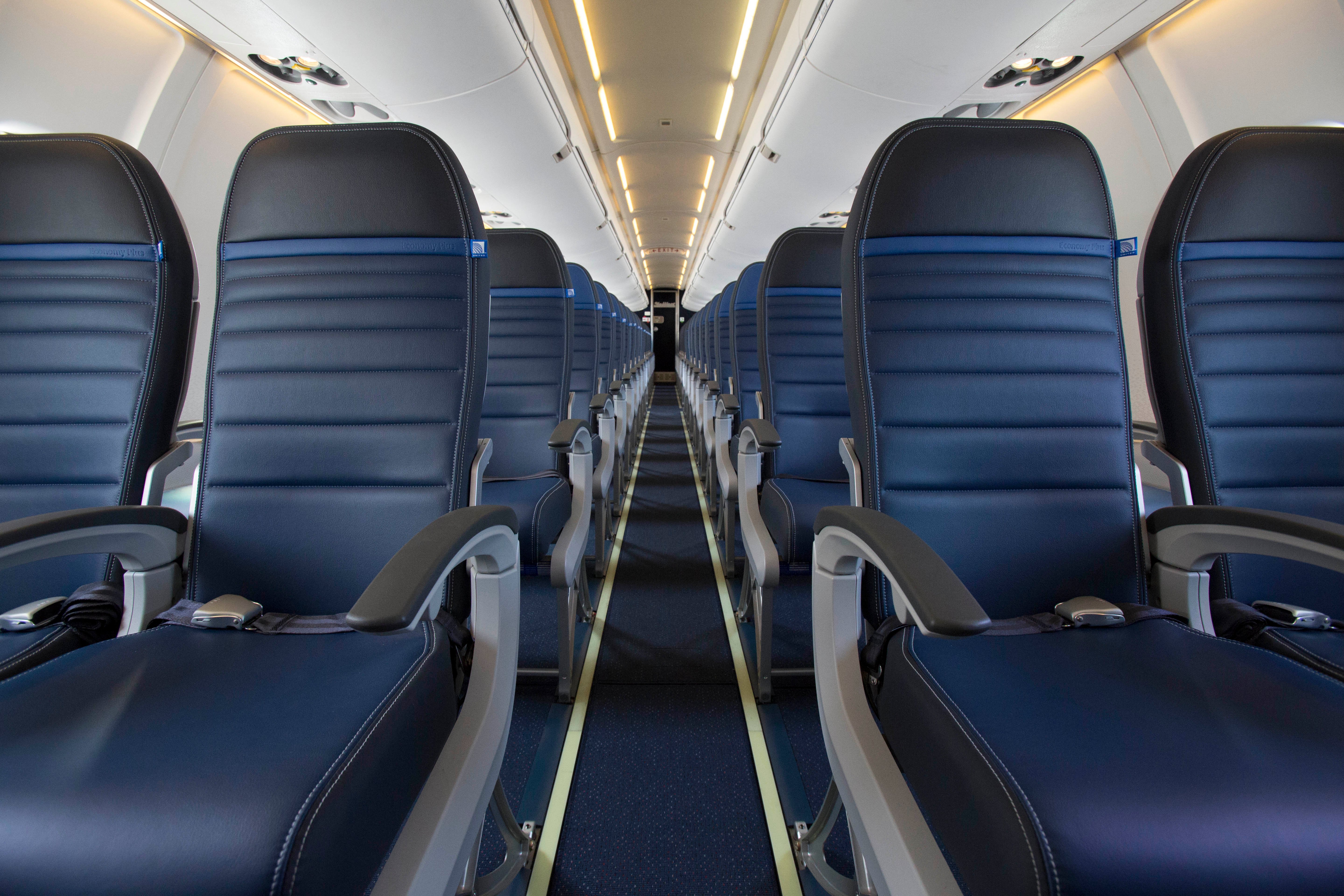
Seat comfort is paramount in the economy cabin. United has invested in redesigned seats that aim to maximize legroom and personal space within the constraints of cabin density. Features like adjustable headrests, improved lumbar support, and slimmer seatback designs contribute to a more comfortable journey, especially on longer flights. The quality of the seat itself is a significant factor in a passenger’s perception of value in economy. Beyond the physical seat, United is also focusing on cabin aesthetics, using lighting and design elements to create a more pleasant atmosphere.
In-Flight Entertainment and Connectivity
In today’s digitally connected world, in-flight entertainment and connectivity are no longer considered luxuries but essential components of the travel experience, even in economy. United has been expanding its Wi-Fi offerings across its fleet, allowing passengers to stay connected for work or leisure. The in-flight entertainment systems themselves are also being upgraded, with larger, higher-resolution screens and a more extensive library of movies, TV shows, music, and games. The ability to stream content directly to personal devices further enhances accessibility and choice for economy passengers, effectively turning their personal devices into extensions of the airline’s entertainment system.
Onboard Services and Catering Adjustments
While economy catering has historically been basic, United, like many airlines, has made adjustments to cater to evolving tastes and dietary preferences. While complimentary meals on domestic routes are less common, on longer international flights, passengers can expect a more substantial meal service. The airline has also introduced options for purchasing a wider variety of snacks, meals, and beverages, providing greater choice and catering to diverse palates. This approach allows United to manage catering costs effectively while still offering passengers avenues to enhance their onboard dining experience if they choose.
Strategic Considerations for United’s Economy Offering
The design and implementation of United’s economy class strategy are driven by a complex interplay of financial goals, market positioning, and operational efficiency. It’s a calculated approach aimed at maximizing revenue while ensuring a competitive and appealing product for the mass market.
Fleet Modernization and Cabin Configuration
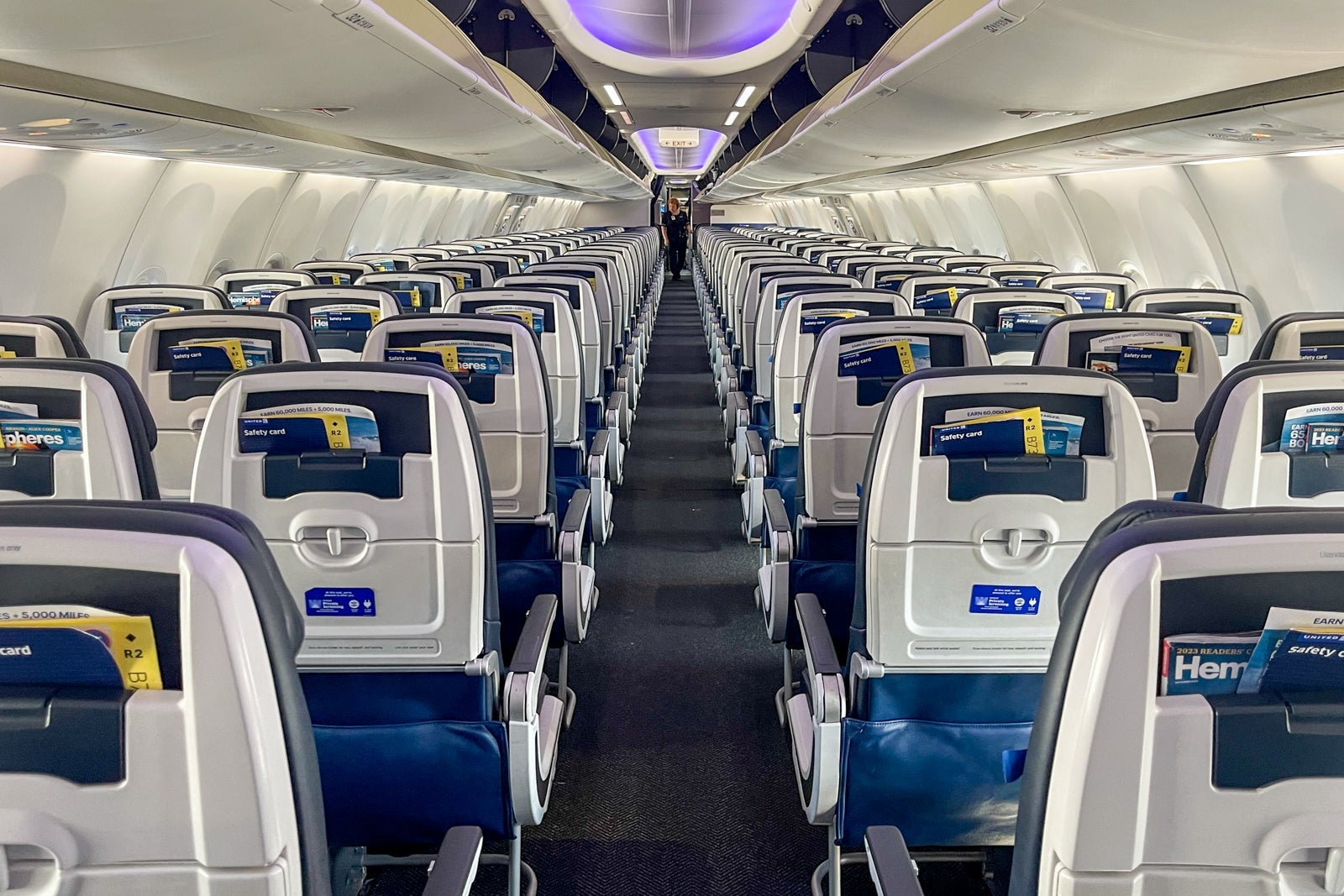
A significant part of United’s economy strategy involves its fleet. Newer aircraft often come with more fuel-efficient engines and advanced cabin designs that allow for greater seating density without sacrificing too much comfort. United’s choices in aircraft acquisition and retrofitting directly impact its economy offering. The configuration of the economy cabin, including the number of seats and their pitch (the distance between rows), is a crucial financial decision. Airlines constantly analyze load factors and revenue per available seat mile (RASM) to optimize these configurations, ensuring they can carry as many passengers as economically feasible.
Competitive Pricing and Market Segmentation
United operates in a highly competitive global aviation market. Its economy pricing is a strategic tool used to attract passengers away from competitors and to capture different segments of the traveler market. This involves dynamic pricing strategies that adjust fares based on demand, seasonality, and booking patterns. Furthermore, as mentioned, the differentiation between various economy fare types allows United to cater to a spectrum of passenger needs and willingness to pay, from the most budget-conscious to those seeking slightly more flexibility or convenience within the economy framework.
Ancillary Revenue Optimization and Future Growth
The future profitability of economy class is increasingly tied to the successful generation of ancillary revenue. United actively seeks opportunities to monetize various aspects of the passenger journey beyond the base ticket price. This includes partnerships for Wi-Fi providers, in-flight shopping, and premium snack and beverage offerings. The data gathered from these ancillary purchases also provides valuable insights for further personalization and targeted marketing, allowing United to understand passenger preferences better and tailor future offerings to maximize revenue and customer satisfaction within the economy segment. This strategic focus on ancillary revenue is a cornerstone of maintaining profitability in a price-sensitive market.
In conclusion, “economy on United Airlines” is a multifaceted offering that goes beyond a simple low-cost seat. It represents a strategic balance of affordability, essential comfort, evolving passenger expectations, and sophisticated financial management. From its core value proposition built on accessible travel to the innovative enhancements in seat design, connectivity, and service, United’s economy class is a dynamic product continuously being refined to meet the demands of a vast and diverse traveler base. The airline’s ability to effectively manage costs, leverage ancillary revenue, and adapt to technological and market shifts will continue to shape the future of economy travel for millions of passengers worldwide.
aViewFromTheCave is a participant in the Amazon Services LLC Associates Program, an affiliate advertising program designed to provide a means for sites to earn advertising fees by advertising and linking to Amazon.com. Amazon, the Amazon logo, AmazonSupply, and the AmazonSupply logo are trademarks of Amazon.com, Inc. or its affiliates. As an Amazon Associate we earn affiliate commissions from qualifying purchases.