
For many, a camper or recreational vehicle (RV) represents the ultimate symbol of freedom and adventure. However, from a financial perspective, a camper is a significant depreciating asset that requires a strategic approach to valuation and management. Whether you are looking to sell, trade in, or simply assess your net worth, understanding the nuances of the RV market is essential for making informed fiscal decisions.
Determining the value of a camper is not as straightforward as checking a single number. It involves a complex interplay of market demand, depreciation curves, physical condition, and regional economic factors. This guide explores the financial landscape of RV ownership, providing the tools and insights needed to accurately answer: “How much is my camper worth?”
Understanding Depreciation and Market Trends
The first step in valuing any vehicle is acknowledging the reality of depreciation. Unlike real estate, which typically appreciates over time, campers follow a downward value trajectory similar to automobiles, though often at a more accelerated rate during the initial years of ownership.
The Initial Hit: New vs. Used Depreciation
When a new camper is driven off the lot, it immediately loses a significant portion of its retail value—often between 15% and 25%. This “instant depreciation” is a result of the transition from a retail product to a used asset. For the first five years, owners can expect an average annual depreciation of approximately 5% to 8%. Understanding this curve is vital for owners who are “underwater” on their RV loans, meaning they owe more to the bank than the asset is currently worth.
Seasonal Fluctuations and Economic Cycles
The valuation of a camper is highly sensitive to the time of year and broader economic conditions. From a personal finance standpoint, timing the market is crucial. Values typically peak in late spring and early summer as families prepare for vacation season. Conversely, values often dip in late autumn when storage costs and winterization become liabilities for owners. Furthermore, macroeconomic factors like fuel prices and interest rates play a significant role; high interest rates increase the cost of financing for buyers, which can drive down the resale price of used units.
Core Valuation Metrics and Financial Tools
To arrive at a precise figure, you must move beyond guesswork and utilize the same professional valuation tools used by lenders and dealerships. These tools provide a baseline “book value” that serves as the foundation for negotiations.
Utilizing NADA (JD Power) and Professional Guides
The most widely recognized authority in RV valuation is the JD Power (formerly NADA) RV Guide. This tool categorizes values into “Low Retail” and “Average Retail.”
- Low Retail: This represents a unit that may have extensive wear and tear but is still functional. It is often the baseline for wholesale or trade-in offers.
- Average Retail: This assumes the camper is in good condition, has been well-maintained, and is ready for immediate use.
When using these tools, it is imperative to be honest about the unit’s condition. Overestimating the grade of your asset can lead to unrealistic expectations and prolonged time-on-market during a sale.

Comparative Market Analysis (CMA) for Private Sales
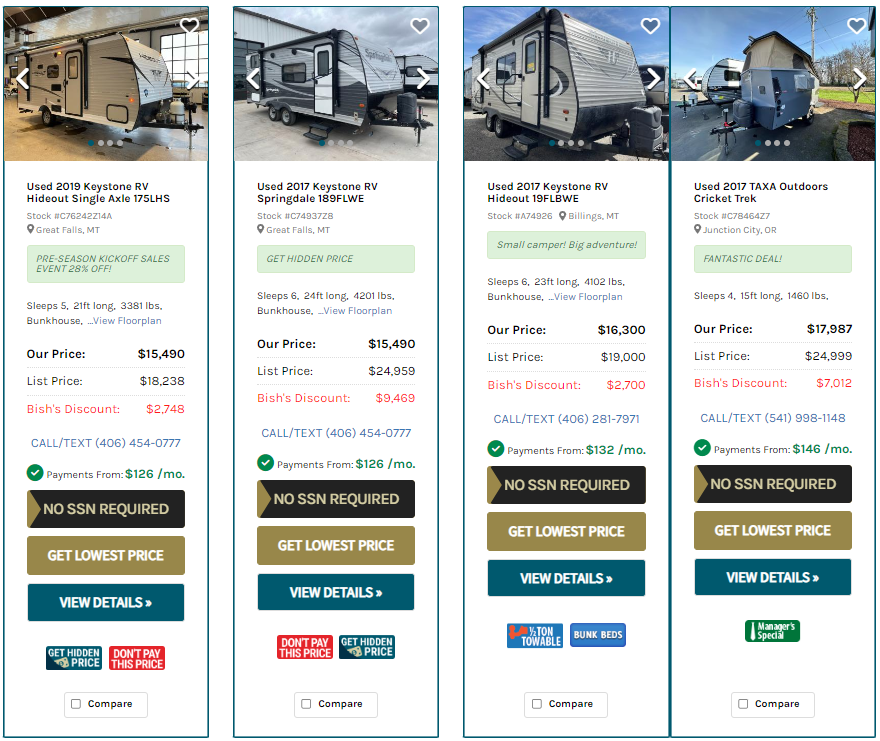
While book values provide a theoretical range, a Comparative Market Analysis (CMA) reveals what buyers are actually paying in the current climate. To perform a CMA, search platforms like RV Trader, Facebook Marketplace, and specialized forums for “sold” listings of similar makes, models, and years.
Pay close attention to geographic discrepancies. A four-season camper with heavy insulation may command a premium in the Pacific Northwest or the Rockies, whereas a lightweight travel trailer with high-efficiency air conditioning might be more valuable in the Sunbelt. Adjusting your valuation based on local demand ensures your price remains competitive yet profitable.
Enhancing Asset Value Through Strategic Upgrades
While you cannot stop depreciation, you can mitigate its effects through strategic maintenance and upgrades. Not all improvements offer a positive Return on Investment (ROI), so it is important to distinguish between “vanity projects” and “value adds.”
Renovations that Yield High Returns
In the modern RV market, certain upgrades significantly increase liquidity and resale value. From a financial perspective, the most valuable upgrades are those that increase the camper’s utility and “off-grid” capabilities:
- Solar Power and Lithium Battery Banks: As “boondocking” (camping without hookups) grows in popularity, integrated solar systems have become highly sought-after assets that can justify a higher asking price.
- Modern Interior Refresh: Replacing dated upholstery or flooring can improve the “curb appeal” of a camper, often leading to a faster sale and a price closer to the “Average Retail” ceiling.
- Appliance Upgrades: High-efficiency 12V refrigerators or tankless water heaters are tangible upgrades that buyers recognize as added value.
Maintenance Documentation as a Value Guard
Perhaps the most overlooked aspect of camper valuation is the “paper trail.” A camper with a meticulous service history is worth significantly more than an identical unit with no records. Documenting roof resealing, wheel bearing packs, and appliance services proves to a potential buyer or dealer that the asset has been protected against catastrophic failures like water damage. In financial terms, documentation reduces the “risk premium” a buyer might otherwise subtract from the price.
Exit Strategies: Maximizing Your Net Proceed
Once you have determined the value of your camper, the final step is choosing the right exit strategy. The method you choose to liquidate the asset will directly impact the final amount that hits your bank account.
Trade-in vs. Private Sale vs. Consignment
Each liquidation method offers a different balance of convenience and profit:
- Trade-in: This is the most convenient option but typically yields the lowest price (often “Wholesale” or “Low Retail”). However, many states offer a sales tax credit on the purchase of a new RV when you trade in an old one, which can bridge the gap between the trade-in offer and a private sale price.
- Private Sale: This method yields the highest net proceed, as you are capturing the retail margin yourself. It requires the most effort, including marketing, showings, and handling the legal transfer of title and funds.
- Consignment: In this scenario, a dealer sells the camper for you in exchange for a percentage of the sale (usually 10% to 15%). This is an effective middle ground for owners who want a professional to handle the logistics while still targeting a retail price point.
Tax Implications and Financial Record Keeping
When selling a camper, it is important to consult with a financial advisor regarding potential tax implications. In most cases, because campers are depreciating personal assets, they are sold for less than their original purchase price, resulting in no capital gains tax. However, if you have used the camper for business purposes or as a primary residence, the tax treatment may differ. Ensure all loan payoffs are handled through secure escrow services or directly at a banking institution to protect your financial standing and ensure a clean title transfer.

Conclusion
Determining “how much my camper is worth” is a multifaceted exercise in asset management. By understanding the mechanics of depreciation, utilizing professional valuation tools, and strategically maintaining the unit, you can maximize your financial outcome. Whether you are looking to exit the RV lifestyle or upgrade to a newer model, a disciplined, data-driven approach to valuation ensures that your “home on wheels” remains a well-managed part of your financial portfolio.
aViewFromTheCave is a participant in the Amazon Services LLC Associates Program, an affiliate advertising program designed to provide a means for sites to earn advertising fees by advertising and linking to Amazon.com. Amazon, the Amazon logo, AmazonSupply, and the AmazonSupply logo are trademarks of Amazon.com, Inc. or its affiliates. As an Amazon Associate we earn affiliate commissions from qualifying purchases.