
The humble spinach leaf, a nutritional powerhouse often relegated to the side of the plate, undergoes a remarkable transformation when it’s “creamed.” The very phrase conjures images of comforting, indulgent cuisine, a rich and savory dish that transcends its simple green origins. But what exactly is creamed spinach? Is it a singular recipe, a family of preparations, or something else entirely? This exploration delves into the essence of creamed spinach, dissecting its core components, its historical context, and its multifaceted role within the broader culinary landscape.
The Fundamental Architecture of Creamed Spinach
At its heart, creamed spinach is a dish built upon the foundational principles of flavor layering and textural contrast. It’s not simply cooked spinach tossed with cream; rather, it’s a carefully constructed symphony of ingredients designed to elevate the natural earthiness of spinach into something altogether more decadent. Understanding the building blocks is key to appreciating its enduring appeal.
Spinach: The Unsung Hero
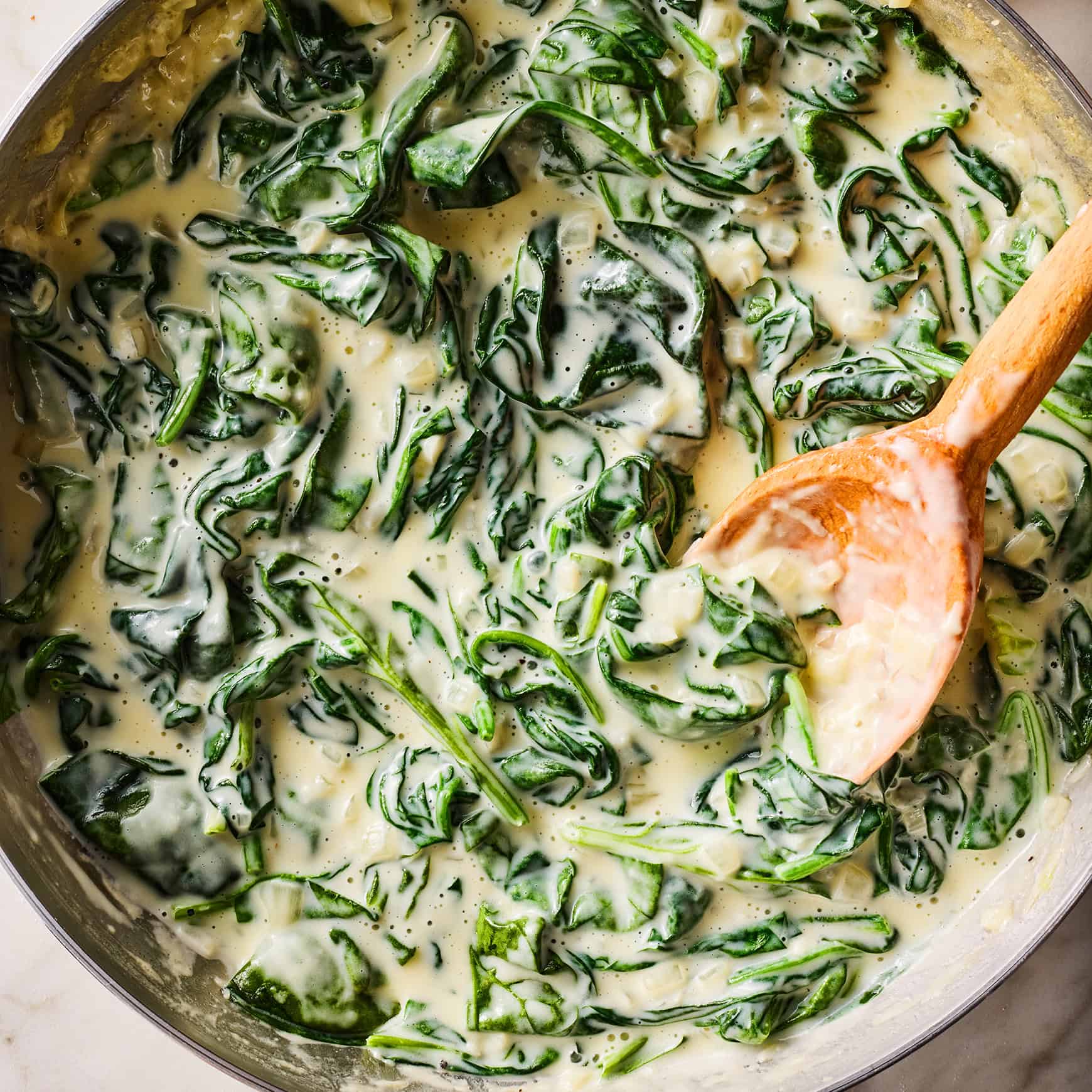
The journey of creamed spinach begins with the spinach itself. While many varieties can be used, tender baby spinach or mature, hearty spinach leaves are most common. The preparation of the spinach is crucial to its final texture and flavor. Typically, the spinach is blanched or sautéed to wilt it down and remove excess moisture. This step is vital; waterlogged spinach will dilute the richness of the cream sauce and can lead to a watery, unappealing final product. Some recipes call for a fine chop after wilting, while others opt for a coarser chop or even leave the leaves largely intact, depending on the desired visual and textural outcome. The earthy, slightly bitter notes of spinach provide a grounding counterpoint to the richness of the sauce, preventing the dish from becoming overly cloying. This inherent balance is a testament to the ingredient’s versatility.
The Creamy Matrix: More Than Just Dairy
The “creamed” aspect of this dish refers to the luscious sauce that envelops the spinach. While the name suggests a simple addition of cream, the reality is often more nuanced and involves a carefully constructed base that provides both body and flavor.
The Roux Foundation: A Classic Technique
Many traditional creamed spinach recipes begin with a roux. This is a fundamental thickening agent in many Western cuisines, made by cooking equal parts fat (butter is most common, though sometimes oil is used) and flour together. The cooking time of the roux dictates its color and flavor profile: a pale roux offers a neutral thickening, while a darker roux imparts a nuttier, more complex flavor. For creamed spinach, a pale to medium blonde roux is typically favored to avoid overpowering the delicate flavors of the spinach and dairy.
The Dairy Components: Cream, Milk, and Beyond
Once the roux is established, dairy is gradually incorporated. Heavy cream is the star, providing the signature richness and velvety mouthfeel. However, a blend of heavy cream and milk is often used to achieve a desired consistency that is rich but not overwhelmingly heavy. Some variations might incorporate evaporated milk for a condensed, creamy texture without adding extra liquid. The careful whisking of the dairy into the hot roux is essential to prevent lumps and create a smooth, homogenous sauce.
Flavor Enhancements: The Subtle Art of Seasoning
Beyond the core ingredients, a host of seasonings and aromatics contribute to the complexity and appeal of creamed spinach.
Aromatics: Building Depth
Onions or shallots, finely minced and sautéed until softened and translucent, form the aromatic bedrock of many creamed spinach recipes. Garlic, minced or grated, adds a pungent depth. These are typically cooked in the fat before the roux is introduced, allowing their flavors to meld and meliorate.
Seasoning Staples: Salt, Pepper, and Nutmeg
Salt and freshly ground black pepper are, of course, indispensable for enhancing all the inherent flavors. However, the secret weapon in many creamed spinach recipes is a pinch of freshly grated nutmeg. Nutmeg possesses a warm, slightly sweet, and subtly pungent aroma that complements the earthy spinach and creamy sauce beautifully, adding an unexpected layer of sophistication. It’s a classic pairing that elevates the dish from good to exceptional.
Additional Notes: Umami and Richness
Some modern interpretations might include a touch of Parmesan cheese for added umami and saltiness, or even a hint of Dijon mustard to cut through the richness. A splash of white wine, reduced before adding the dairy, can also contribute a subtle acidity and complexity.
Historical Roots and Culinary Evolution
The origins of creamed spinach, like many beloved comfort foods, are somewhat elusive, but its lineage can be traced to the broader tradition of cooking vegetables in rich sauces, a practice that gained prominence in European cuisines.
The French Influence: Béarnaise and Mornay
The concept of enriching vegetables with creamy sauces has deep roots in French haute cuisine. Sauces like Béchamel (a simple milk-based white sauce) and Mornay (Béchamel with cheese) provided a blueprint for combining dairy with starches for thickening and flavor. While not directly creamed spinach, these foundational sauces demonstrate the historical desire to transform simple ingredients into something more luxurious. The practice of adding butter and cream to vegetables was a hallmark of aristocratic dining, signifying wealth and indulgence.
American Adaptation and Comfort Food Status
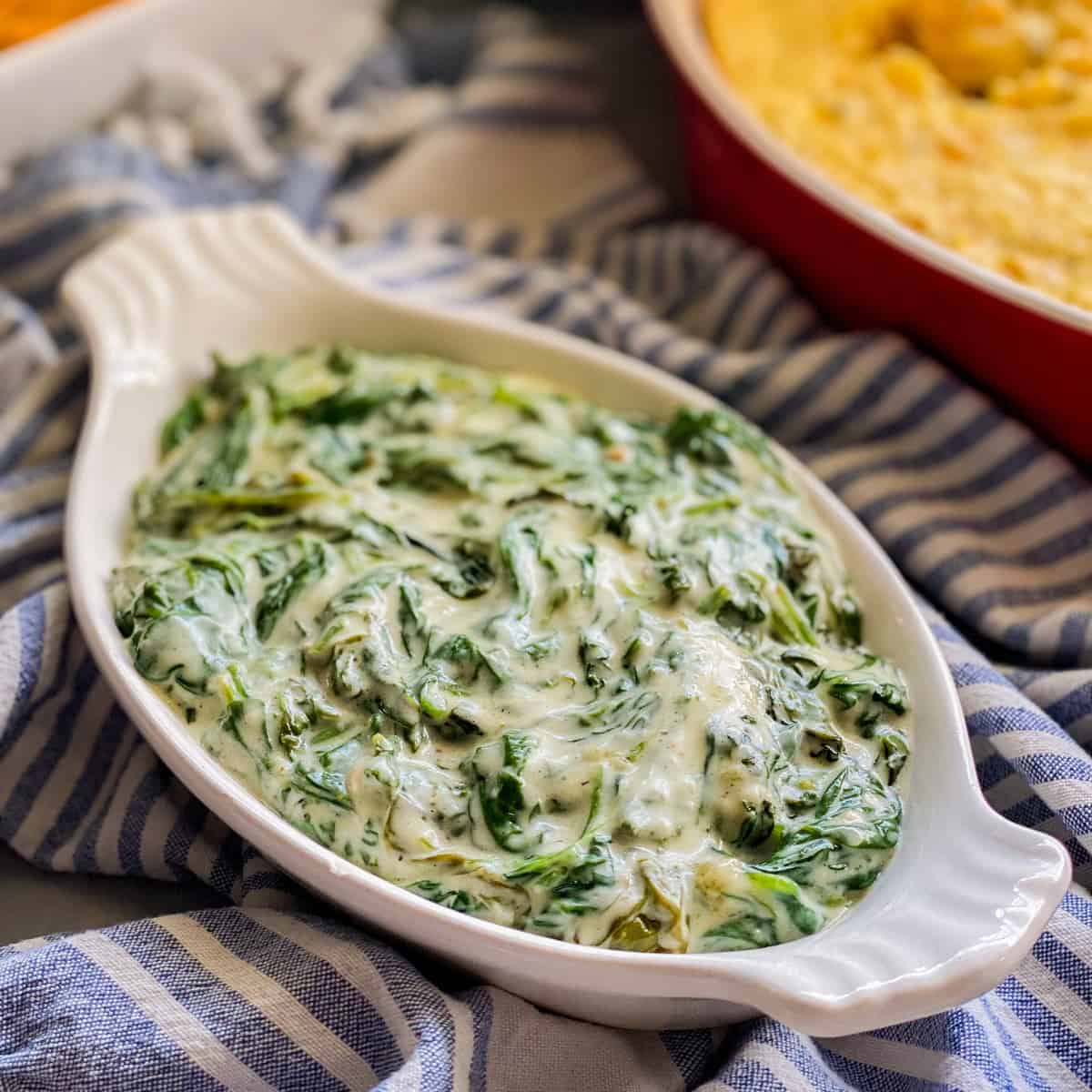
In America, creamed spinach truly found its niche as a classic steakhouse side dish and a staple of home cooking, particularly in the mid-20th century. Its rich, decadent profile made it a perfect accompaniment to hearty meats, offering a contrasting element of creaminess and a dose of vegetables. It became synonymous with celebratory meals and Sunday dinners, cementing its status as a quintessential comfort food. The simplicity of its preparation, coupled with its satisfying richness, contributed to its widespread popularity. It was a dish that felt both familiar and special.
Modern Interpretations and Global Variations
While the classic creamed spinach remains a beloved staple, contemporary chefs and home cooks have continued to innovate. This has led to a spectrum of variations, each offering a unique twist on the original.
Lighter and Healthier Approaches
Recognizing the dish’s potential for heaviness, some recipes now focus on lighter dairy alternatives, such as evaporated skim milk or even pureed cauliflower for thickening. Vegetable broths can be used to reduce the reliance on butter. These adaptations cater to a growing demand for more health-conscious options without sacrificing flavor entirely.
International Flavors and Fusion
In some culinary traditions, the concept of enriching greens with creamy elements exists independently. For instance, Indian cuisines often feature dishes like Palak Paneer, where spinach is cooked with a rich, spiced gravy and cheese. While distinct from creamed spinach, these global parallels highlight a universal culinary desire to transform leafy greens into deeply satisfying dishes. Modern fusion approaches might also incorporate ingredients like coconut milk, ginger, or chili to lend an international flair to the classic recipe.
The Versatile Role of Creamed Spinach in Modern Cuisine
Beyond its identity as a standalone dish, creamed spinach plays a crucial supporting role in a wide array of culinary applications, demonstrating its remarkable adaptability. Its rich, savory profile makes it a prized addition to everything from casual weeknight meals to elegant special occasion dining.
The Steakhouse Staple: A Perfect Pairing
The quintessential association of creamed spinach is with steak. The rich, fatty nature of a well-cooked steak finds a perfect counterpoint in the creamy, slightly earthy notes of creamed spinach. The dish provides a textural contrast, the velvety sauce balancing the chew of the meat, and a flavor harmony that has stood the test of time. This classic pairing is a testament to how well the dish complements bold, savory flavors. It’s a culinary partnership that has become almost cliché, yet remains enduringly popular for good reason.
Beyond the Steak: Expanding Its Reach
While the steakhouse pairing is iconic, creamed spinach’s versatility extends far beyond. Its rich texture and savory depth make it an excellent filling or topping for various dishes.
Savory Fillings and Toppings
Creamed spinach is a natural choice for quiches, pot pies, and stratas, where it adds a luxurious layer of flavor and moisture. It can be folded into pasta dishes, used as a stuffing for chicken breasts or manicotti, or served atop grilled fish or pork chops. The ability of the creamy sauce to bind other ingredients makes it an invaluable component in many baked and layered dishes. Consider its use in a “spinach and artichoke dip,” a popular appetizer that shares many of creamed spinach’s core flavor profiles.
A Sophisticated Appetizer or Side
Served in smaller portions, creamed spinach can be an elegant appetizer, perhaps presented in a ramekin with a sprinkle of toasted breadcrumbs or a drizzle of truffle oil for an added touch of luxury. It also shines as a vibrant side dish alongside roasted chicken, lamb, or even a simple grilled vegetable platter. Its ability to transition from a humble side to a star component of a meal underscores its culinary significance.
Considerations for Home Cooks and Restaurateurs
For both home cooks and professional chefs, mastering creamed spinach involves understanding a few key principles to ensure success.
Balancing Richness and Texture
The primary challenge in preparing creamed spinach is achieving the right balance of richness and texture. Overcooking can lead to a greasy or separated sauce, while undercooking can result in a gritty texture. The quality of the spinach and the careful preparation of the roux are paramount. Using fresh, high-quality dairy also makes a significant difference. Many home cooks struggle with achieving the desired silkiness of restaurant-style creamed spinach, often due to differences in equipment and ingredient ratios.
Seasoning and Personalization
The beauty of creamed spinach lies in its adaptability to individual taste. Adjusting the amount of nutmeg, garlic, or adding a pinch of cayenne pepper for a subtle kick are all ways to personalize the dish. For those seeking a lighter option, incorporating pureed white beans or a small amount of cornstarch slurry can help achieve a creamy consistency with less reliance on heavy cream. Professional kitchens often have their own secret ingredients or techniques, such as a touch of Worcestershire sauce for umami or a specific cooking method for the spinach to ensure optimal texture.
The Enduring Allure of Creamed Spinach
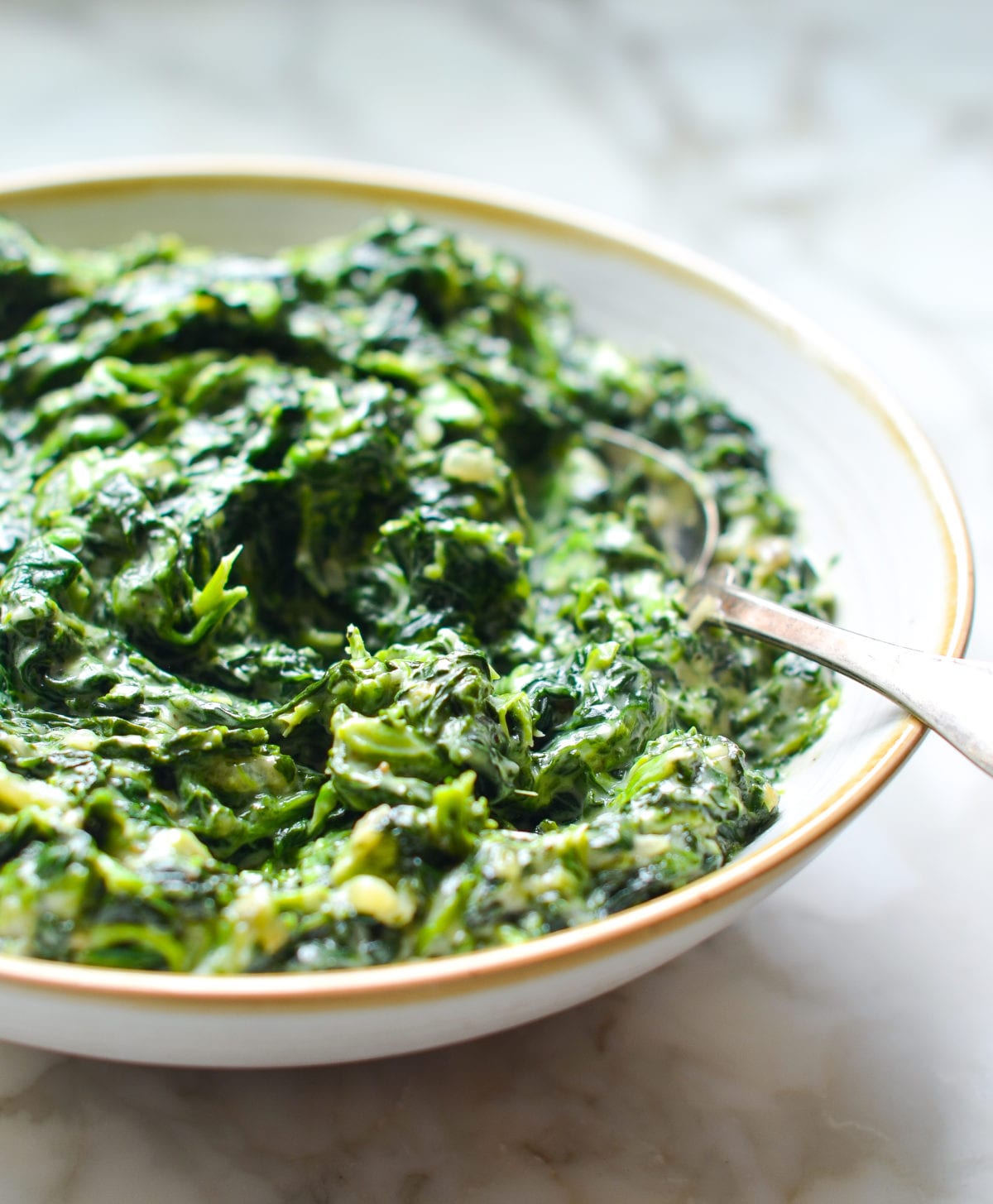
In conclusion, creamed spinach is more than just a dish; it’s a culinary phenomenon rooted in the desire to transform simple ingredients into something deeply satisfying and comforting. From its foundational elements of perfectly cooked spinach and a velvety dairy-based sauce, to its historical evolution and diverse modern applications, creamed spinach continues to hold a special place in the hearts and on the plates of diners worldwide. Its ability to be both a classic steakhouse side and a versatile ingredient in a multitude of recipes speaks to its enduring appeal and its status as a true culinary chameleon. Whether enjoyed in its traditional form or reimagined with contemporary twists, creamed spinach offers a taste of indulgence and a testament to the power of simple ingredients, expertly prepared, to create something truly memorable.
aViewFromTheCave is a participant in the Amazon Services LLC Associates Program, an affiliate advertising program designed to provide a means for sites to earn advertising fees by advertising and linking to Amazon.com. Amazon, the Amazon logo, AmazonSupply, and the AmazonSupply logo are trademarks of Amazon.com, Inc. or its affiliates. As an Amazon Associate we earn affiliate commissions from qualifying purchases.