
When you hear about “CPI data,” especially in financial news or economic reports, it’s easy to feel a bit lost in the jargon. However, understanding Consumer Price Index (CPI) data is fundamental to grasping the health of an economy and how it impacts your personal finances, investments, and purchasing power. CPI is not just a dry economic statistic; it’s a crucial indicator that influences everything from interest rates to the cost of your groceries.
At its core, CPI data measures the average change over time in the prices paid by urban consumers for a basket of consumer goods and services. This basket is carefully curated to represent typical household spending across various categories, such as food, housing, apparel, transportation, medical care, recreation, and education. By tracking these price changes, economists and policymakers can gauge the rate of inflation – the general increase in prices and the fall in the purchasing value of money.
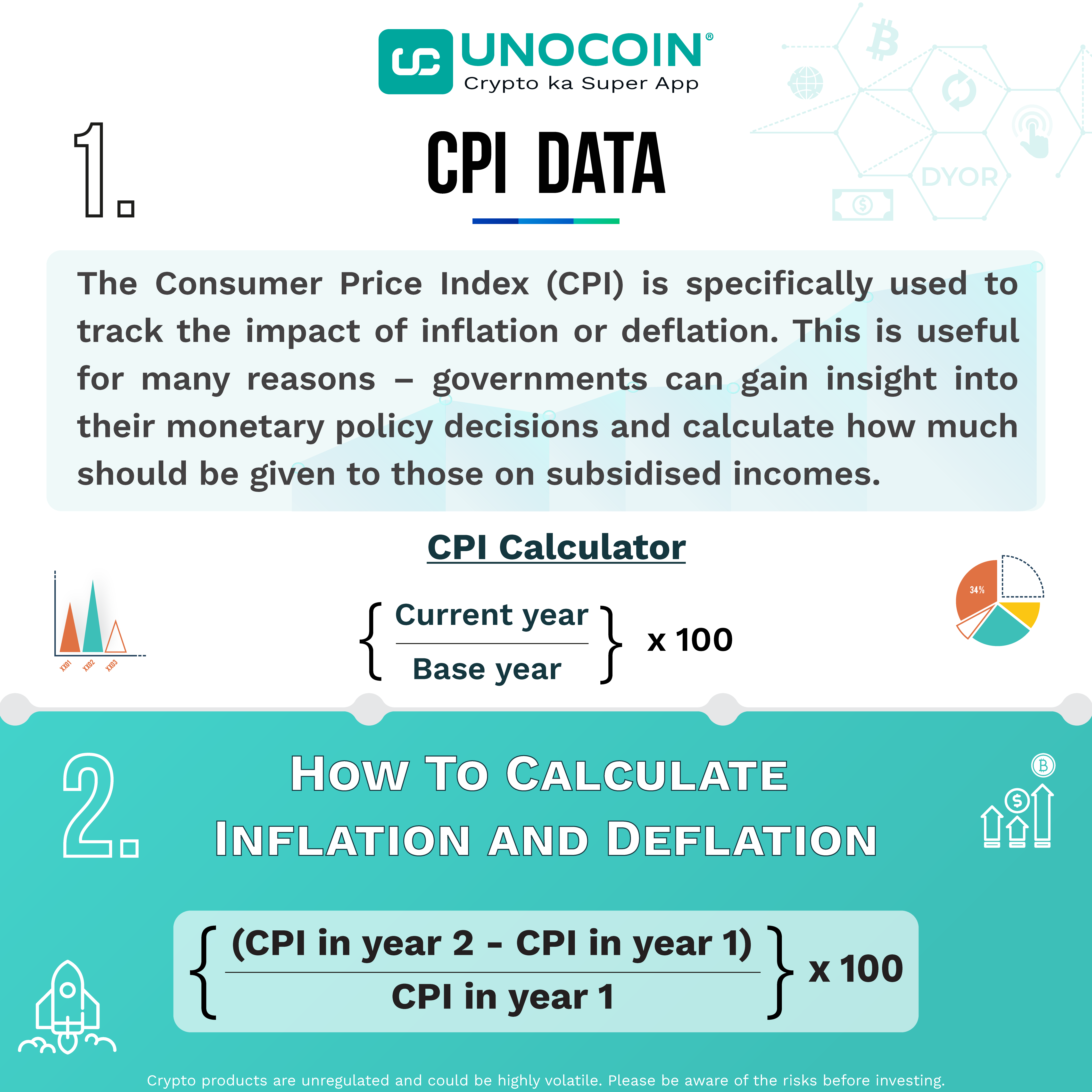
This article will delve into the intricacies of CPI data, exploring what it is, how it’s calculated, why it’s so important, and how it can affect your financial life.
Understanding the Mechanics of CPI Calculation
The calculation of the Consumer Price Index is a complex yet vital process, undertaken by statistical agencies to ensure accuracy and representativeness. This involves a detailed methodology that aims to capture the most accurate picture of price changes for consumers.
The “Basket of Goods and Services”
The foundation of CPI calculation is the “basket of goods and services.” This isn’t a literal shopping cart, but rather a representative sample of items that a typical urban household buys over a given period. These items are chosen based on extensive consumer expenditure surveys. For instance, in the United States, the Bureau of Labor Statistics (BLS) conducts the Consumer Expenditure Survey to understand what consumers are buying and how much they are spending.
The basket is categorized into broad groups:
- Food and beverages: This includes everything from groceries to restaurant meals.
- Housing: This covers rent, homeowner’s equivalent rent, utilities, and furnishings.
- Apparel: Clothing and footwear.
- Transportation: New and used vehicles, gasoline, public transportation, and vehicle maintenance.
- Medical care: Prescription drugs, medical supplies, and healthcare services.
- Recreation: This can include items like sporting goods, audio-visual equipment, and park admissions.
- Education and communication: Tuition fees, school supplies, internet services, and telephone services.
- Other goods and services: This is a catch-all category that includes items like tobacco, personal care products, and financial services.
The relative importance of each item in the basket is determined by its share of total consumer spending. For example, if housing accounts for a larger portion of a household’s budget than apparel, its weight in the CPI calculation will be higher. This weighting ensures that price changes in more significant spending categories have a greater impact on the overall CPI.
Data Collection and Price Monitoring
Once the basket is defined, the next crucial step is collecting price data. Statistical agencies dispatch trained data collectors to thousands of retail stores, service establishments, rental units, and healthcare providers across the country. They record the prices of specific items in the basket. This data is collected regularly, often monthly, to capture timely price fluctuations.
The key to accurate CPI data is consistency. Data collectors are trained to identify and record the prices of identical or comparable items over time. If a specific brand or model of a product is no longer available, collectors will find the closest substitute to ensure that the comparison remains valid. This meticulous data collection process forms the bedrock of the CPI’s reliability.
Index Calculation and Interpretation
The collected price data is then used to calculate the CPI. The index is typically set to 100 for a specific base period. For example, if the base period is 1982-84, a CPI of 150 in a later period means that prices, on average, have risen by 50% since the base period.
The CPI is usually reported as a percentage change from a previous period, such as month-over-month or year-over-year.
- Month-over-month CPI: This shows the percentage change in prices from one month to the next. It’s useful for observing short-term price trends.
- Year-over-year CPI: This compares the current month’s prices to the prices in the same month of the previous year. This is the most commonly cited figure and provides a broader view of inflation trends.
Furthermore, there are different versions of the CPI:
- Headline CPI: This includes all items in the basket and is the most comprehensive measure of inflation.
- Core CPI: This excludes volatile components like food and energy prices, which tend to fluctuate more significantly. Core CPI is often looked at by policymakers as it provides a clearer picture of underlying inflation trends, removing short-term shocks.
Why is CPI Data So Important?
The importance of CPI data extends far beyond academic interest; it has profound and tangible implications for economies and individuals alike. Its influence permeates policy decisions, financial markets, and the daily lives of consumers.
Inflation Measurement and Economic Health
The primary role of CPI data is to act as a barometer for inflation. Inflation, when moderate, can be a sign of a healthy, growing economy. However, high or unpredictable inflation can erode purchasing power, destabilize businesses, and create economic uncertainty. Conversely, deflation (a general decrease in prices) can signal a struggling economy where demand is weak.
By tracking CPI, central banks and governments can:
- Assess the economy’s temperature: Is it overheating (high inflation) or sluggish (low inflation)?
- Inform monetary policy: Central banks, like the Federal Reserve in the U.S., use inflation data as a key input for setting interest rates. If inflation is too high, they might raise interest rates to cool down the economy and curb price increases. If inflation is too low, they might lower rates to stimulate spending.
- Guide fiscal policy: Governments may adjust spending and taxation policies based on inflation trends to manage economic stability.
The reliability of CPI data is therefore paramount for effective economic management. Misinterpretation or inaccurate data can lead to misguided policy decisions with significant consequences.

Impact on Purchasing Power and Cost of Living
For individuals, CPI data directly reflects changes in the cost of living. When CPI rises, it means that the same basket of goods and services costs more than it did previously. This reduces the purchasing power of money – your dollar doesn’t stretch as far as it used to.
This has several real-world effects:
- Wage adjustments: Many employment contracts and government benefits, such as Social Security, are indexed to inflation. This means that wages or benefit payments are adjusted upward when the CPI rises, helping recipients maintain their real income and standard of living.
- Budgeting and planning: Understanding inflation trends helps households plan their budgets more effectively. If you anticipate higher prices for certain goods or services, you can make adjustments to your spending or savings accordingly.
- Consumer confidence: High and persistent inflation can erode consumer confidence, leading people to delay purchases or become more cautious with their spending, which can further impact economic growth.
Influence on Financial Markets and Investments
CPI data is a critical piece of information for investors and financial markets. It influences decisions about where to invest money and impacts the performance of various asset classes.
- Interest rates: As mentioned, central bank responses to CPI data directly affect interest rates. Higher interest rates can make fixed-income investments like bonds more attractive, but they can also increase borrowing costs for businesses and consumers, potentially slowing economic growth.
- Stock market: High inflation can be a mixed bag for stocks. Companies that can pass on increased costs to consumers may perform well. However, rising interest rates designed to combat inflation can put downward pressure on stock valuations.
- Real estate: Inflation can influence real estate values. In some scenarios, real estate can be seen as an inflation hedge, as property values may rise with general price levels.
- Commodities: Prices of commodities like oil, gold, and agricultural products are often sensitive to inflation expectations. Investors may buy commodities as a hedge against inflation.
Therefore, traders and investors closely monitor CPI releases, as they can lead to significant market movements.
How CPI Data Affects Your Personal Finances
Beyond the broader economic implications, CPI data has direct and often significant consequences for your personal financial well-being. Understanding these impacts can empower you to make smarter financial decisions.
The Erosion of Purchasing Power
The most immediate effect of rising CPI is the erosion of your purchasing power. If prices increase by 5% and your income remains the same, your money can buy 5% less than it could before. This means your savings are worth less in real terms, and your ability to afford the same lifestyle diminishes.
Consider a simple example: If you spent $1,000 last year on a certain set of goods and services, and inflation was 3%, you would now need $1,030 to purchase the exact same items this year. If your income hasn’t kept pace with this increase, you are effectively poorer.
Adjustments to Income and Benefits
Many people’s incomes are indirectly or directly linked to CPI.
- Cost of Living Adjustments (COLA): Social Security benefits, pensions, and some union wage contracts include COLAs. These adjustments are typically based on changes in a specific CPI measure, ensuring that recipients can maintain their standard of living as prices rise. If CPI goes up by 3%, your Social Security check or covered wages might also increase by 3%.
- Tax Brackets: In some countries, tax brackets are adjusted annually for inflation. This means that the income thresholds for different tax rates are raised, preventing people from being pushed into higher tax brackets simply because of inflation (this is known as “bracket creep”).
Impact on Savings and Investments
The level of inflation, as indicated by CPI data, plays a crucial role in how you manage your savings and investments.
- Savings Accounts: When inflation is higher than the interest rate your savings account earns, your money is losing value in real terms. For example, if your savings account earns 1% interest and inflation is 4%, your money is actually decreasing in purchasing power by 3% per year.
- Bonds: Inflation can impact the real return on bonds. If you hold a bond with a fixed interest rate and inflation rises significantly, the purchasing power of your interest payments and the principal you receive back at maturity will be lower. This is why investors often look for inflation-protected securities (like TIPS in the U.S.) when inflation is a concern.
- Stocks: While stocks have historically outperformed inflation over the long term, high inflation can create volatility. Companies that can effectively pass on rising costs to consumers tend to fare better. However, if inflation leads to aggressive interest rate hikes by central banks, this can put pressure on stock valuations.
- Real Estate: Real estate is often considered a hedge against inflation because property values and rental income can increase with general price levels. However, rising interest rates can make mortgages more expensive, potentially dampening demand.
Borrowing Costs
CPI data influences the monetary policy decisions of central banks, which in turn affect interest rates. When central banks raise interest rates to combat inflation, the cost of borrowing money increases.
- Mortgages: Variable-rate mortgages will become more expensive. Fixed-rate mortgages may also see higher rates for new borrowers.
- Auto Loans: The interest you pay on car loans will likely increase.
- Credit Cards: Interest rates on credit cards often rise in line with central bank rate hikes.
- Business Loans: Higher borrowing costs can impact businesses, potentially leading to reduced investment or higher prices for goods and services.

Understanding CPI and Making Informed Financial Decisions
In conclusion, Consumer Price Index (CPI) data is a vital economic indicator that offers a window into the prevailing inflation rate and the overall health of an economy. It’s not just a number reported by statisticians; it’s a force that shapes our daily lives, influencing everything from the cost of groceries to the value of our savings and the decisions made by policymakers and businesses.
By understanding what CPI data is, how it’s calculated, and why it matters, you can better navigate the economic landscape. This knowledge empowers you to make more informed financial decisions, whether it’s adjusting your budget to account for rising costs, choosing investments that can weather inflationary periods, or understanding the rationale behind central bank policy changes that affect borrowing costs.
The “basket of goods and services” is a dynamic representation of typical consumer spending, and the meticulous process of collecting prices ensures that the CPI remains a relevant and reliable measure. While headline CPI provides a broad picture, core CPI offers insights into underlying inflationary pressures by excluding volatile food and energy prices.
The importance of CPI data cannot be overstated. It serves as a cornerstone for inflation measurement, guiding monetary and fiscal policies. For individuals, it directly impacts purchasing power, influencing wage adjustments, the real value of savings, and the cost of borrowing. Financial markets react keenly to CPI releases, driving movements in interest rates, bond yields, and stock valuations.
As you encounter discussions about inflation, interest rates, and economic trends, remember the fundamental role of CPI data. Staying informed about these indicators allows you to adapt your financial strategies proactively, protect your wealth, and make more confident decisions in an ever-changing economic environment. By demystifying CPI, we equip ourselves to better manage our personal finances and participate more effectively in the broader economic discourse.
aViewFromTheCave is a participant in the Amazon Services LLC Associates Program, an affiliate advertising program designed to provide a means for sites to earn advertising fees by advertising and linking to Amazon.com. Amazon, the Amazon logo, AmazonSupply, and the AmazonSupply logo are trademarks of Amazon.com, Inc. or its affiliates. As an Amazon Associate we earn affiliate commissions from qualifying purchases.