
Correct posture is more than just an aesthetic ideal; it’s a fundamental aspect of our physical well-being, profoundly impacting our health, productivity, and even our mental state. In an era increasingly dominated by sedentary lifestyles and prolonged screen time, understanding and actively cultivating proper posture has become an essential skill. This isn’t about rigid, unnatural stances, but rather about finding a balanced, efficient alignment of the body that minimizes strain and maximizes function. This exploration delves into the nuances of correct posture, examining its definition, benefits, common pitfalls, and the technological tools and strategies that can help us achieve and maintain it.
The Pillars of Good Posture: Understanding the Fundamentals
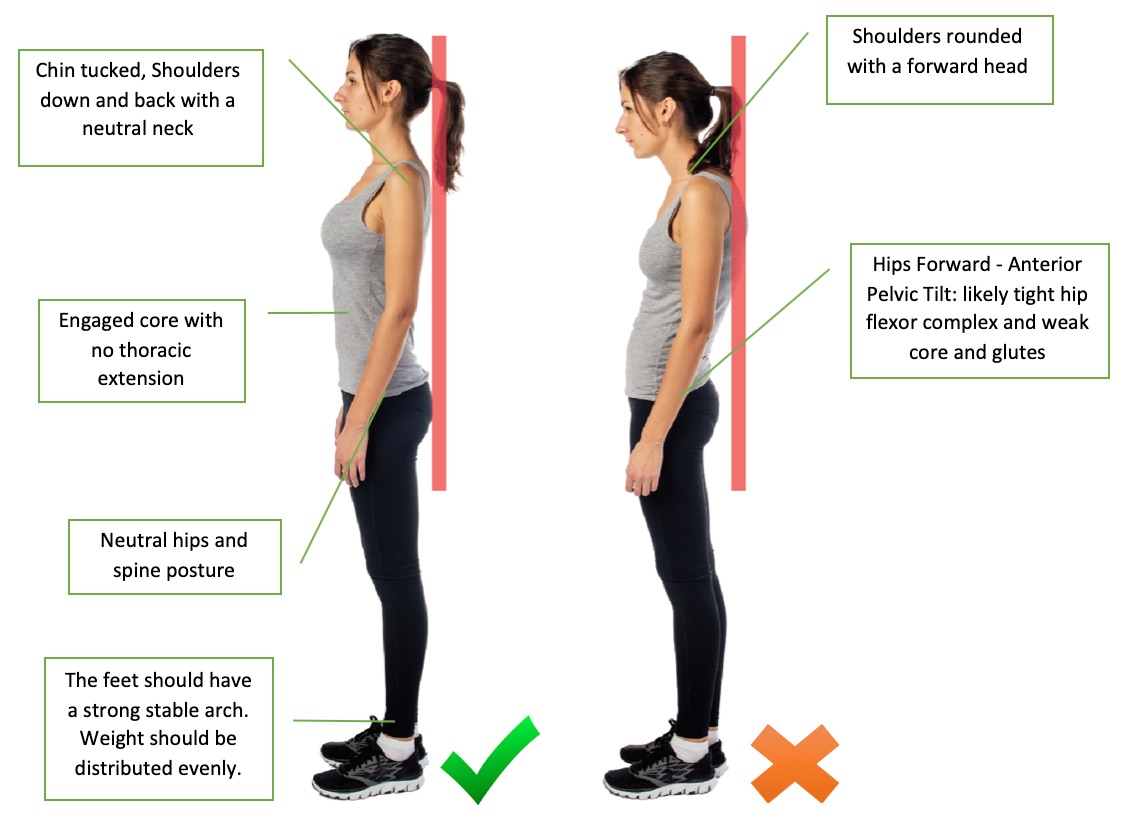
At its core, correct posture refers to the way we hold our bodies when standing, sitting, or lying down. It’s the optimal alignment of our musculoskeletal system, with the spine in its natural curves, the head balanced over the shoulders, and the weight distributed evenly. This alignment allows our muscles, joints, and ligaments to work most efficiently, reducing unnecessary stress and preventing potential damage over time.
Standing Tall: The Unsung Hero of Physical Alignment
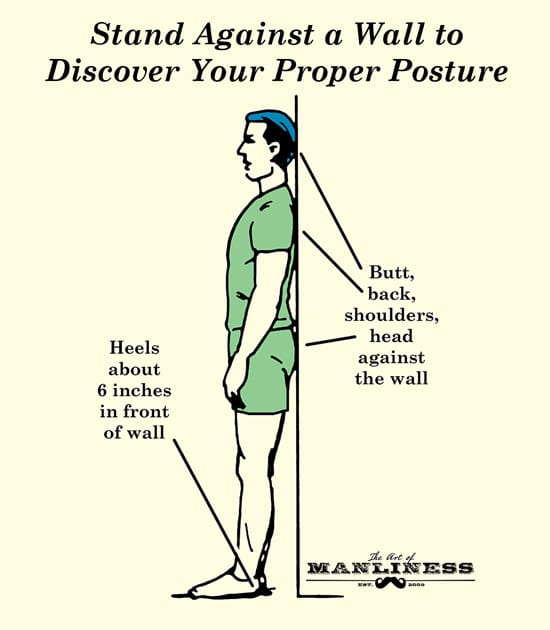
When standing, the ideal posture is characterized by several key indicators. Imagine a plumb line dropped from your ear; it should ideally pass through your shoulder, hip, knee, and slightly in front of your ankle. This implies that your head should be neither jutting forward nor tilted back excessively. Your shoulders should be relaxed and pulled back slightly, not rounded or hunched. Your chest should be lifted, but not rigidly puffed out. Your abdomen should be gently drawn in, supporting the lower back. Your knees should be soft, not locked. Finally, your weight should be distributed evenly on both feet, with the arches of your feet supporting your frame. This seemingly simple alignment is crucial for maintaining spinal health, preventing lower back pain, and promoting better breathing.
The Seated Struggle: Navigating the Perils of Desk Life
Sitting presents a unique set of challenges for maintaining good posture. Our modern work environments often necessitate prolonged periods spent at desks, which can lead to a cascade of postural issues. In a seated position, the goal is to maintain a similar alignment to standing, but with adaptations for support. Your feet should be flat on the floor, or on a footrest if necessary, with your knees bent at a 90-degree angle. Your back should be supported, ideally by the lumbar curve of your chair, with a small cushion if needed to maintain the natural inward curve of your lower spine. Avoid slouching or leaning forward. Your shoulders should remain relaxed, and your elbows should be at a comfortable angle, typically around 90 degrees, when typing. Regular breaks to stand and move are paramount to counteract the static nature of sitting.
The Importance of Spinal Curves: Nature’s Shock Absorbers
The human spine is not a straight rod; it possesses natural curves: a lordotic curve in the neck (cervical spine), a kyphotic curve in the upper back (thoracic spine), and another lordotic curve in the lower back (lumbar spine). These curves are essential for shock absorption, flexibility, and distributing weight evenly. Correct posture works to preserve and support these natural curves. When we slouch or adopt poor postural habits, these curves can become exaggerated or flattened, leading to increased stress on the vertebrae, intervertebral discs, and surrounding muscles. Maintaining these curves is key to preventing spinal degeneration and the associated pain and discomfort.
The Far-Reaching Benefits of Proper Posture
The advantages of cultivating correct posture extend far beyond a simple aesthetic improvement. It’s an investment in our overall health and quality of life, impacting physical, mental, and even social well-being.
Enhancing Physical Health and Reducing Pain
One of the most immediate and significant benefits of good posture is the reduction of physical pain. Poor posture is a leading contributor to chronic back pain, neck pain, shoulder pain, and headaches. When your body is properly aligned, muscles and joints are used in their intended way, reducing strain and wear and tear. This can alleviate existing pain and prevent future injuries. Furthermore, good posture can improve circulation, aid digestion by allowing organs to function optimally, and enhance breathing capacity by opening up the chest cavity.
Boosting Energy Levels and Improving Focus
There’s a direct link between posture and energy levels. When you slouch, your body expends more energy trying to hold itself upright against gravity. This inefficient use of energy can lead to fatigue. Conversely, upright posture allows your muscles to work more efficiently, conserving energy and making you feel more alert and energized. This improved physical state also translates to mental benefits. When you feel physically better, your focus and concentration can improve, leading to increased productivity in both work and daily tasks.
Elevating Mood and Confidence
The impact of posture on our mental state is often underestimated. Studies have shown that adopting an upright, open posture can actually influence our mood and feelings of confidence. This is partly due to the physiological effects – improved breathing and reduced physical discomfort can contribute to a more positive outlook. Additionally, the way we present ourselves physically can influence how we feel about ourselves and how others perceive us. Standing or sitting tall can project an image of confidence and self-assurance, which in turn can boost our own feelings of empowerment.
The Technological Toolkit for Posture Improvement
In today’s digitally driven world, technology offers a wealth of resources to help us identify, correct, and maintain good posture. From smart wearables to sophisticated software, these tools can provide personalized feedback and support, making the journey to better posture more accessible and effective.
Wearable Posture Trackers: Your Personal Posture Coach
Wearable posture trackers are a burgeoning category of smart devices designed to monitor your posture throughout the day. These small, discreet devices are typically worn on the upper back or chest and use accelerometers and gyroscopes to detect when your posture deviates from an optimal position. When you slouch or exhibit poor alignment, the device provides gentle feedback, often through vibrations or subtle alerts, prompting you to correct your stance. Some advanced models connect to smartphone apps, allowing you to track your progress over time, identify common postural habits, and even set personalized goals. These trackers act as constant reminders, training your body to adopt better postural habits even when you’re not actively thinking about it.
Ergonomic Software and Apps: Optimizing Your Digital Workspace
For individuals spending significant time at computers, ergonomic software and apps can be invaluable. These tools can help analyze your workspace setup, from monitor height and keyboard position to chair adjustments, and provide recommendations for optimal ergonomic configuration. Some apps offer guided stretching routines or breathing exercises to be performed during breaks, combating the ill effects of prolonged sitting. Furthermore, certain posture apps can even integrate with your webcam to analyze your sitting posture in real-time, offering visual cues and feedback directly on your screen. These digital assistants are designed to make your digital workspace work for you, rather than against your posture.
Smart Furniture and Accessories: Designing for Well-being
Beyond wearable tech, the physical environment itself is being transformed by technology to support better posture. This includes the rise of smart furniture. Standing desks, which can be adjusted to different heights, allow for seamless transitions between sitting and standing, reducing sedentary periods. Ergonomic chairs are increasingly incorporating advanced features like dynamic lumbar support, adjustable armrests, and breathable materials to promote optimal spinal alignment and comfort. Even simple accessories like monitor stands and footrests, when chosen with an understanding of ergonomic principles, can play a significant role in creating a posture-friendly workspace. The integration of technology into these everyday objects signifies a growing recognition of the importance of posture in our daily lives.
Cultivating Lasting Postural Habits: Strategies for Success
While technology can provide valuable support, achieving and maintaining correct posture ultimately relies on conscious effort and the development of sustainable habits. It’s a journey that involves awareness, consistent practice, and a proactive approach to our physical well-being.
Building Body Awareness: The Foundation of Change
The first and most crucial step in improving your posture is developing a heightened sense of body awareness. This involves paying attention to how your body feels in different positions and actively noticing when you’re slouching or holding tension. Simple exercises like “body scans,” where you mentally move your attention through your body and observe sensations without judgment, can be incredibly effective. Practice in front of a mirror to visualize your alignment. The more aware you are of your current posture, the better equipped you’ll be to make conscious corrections.
Integrating Movement and Exercise: Strengthening Your Support System
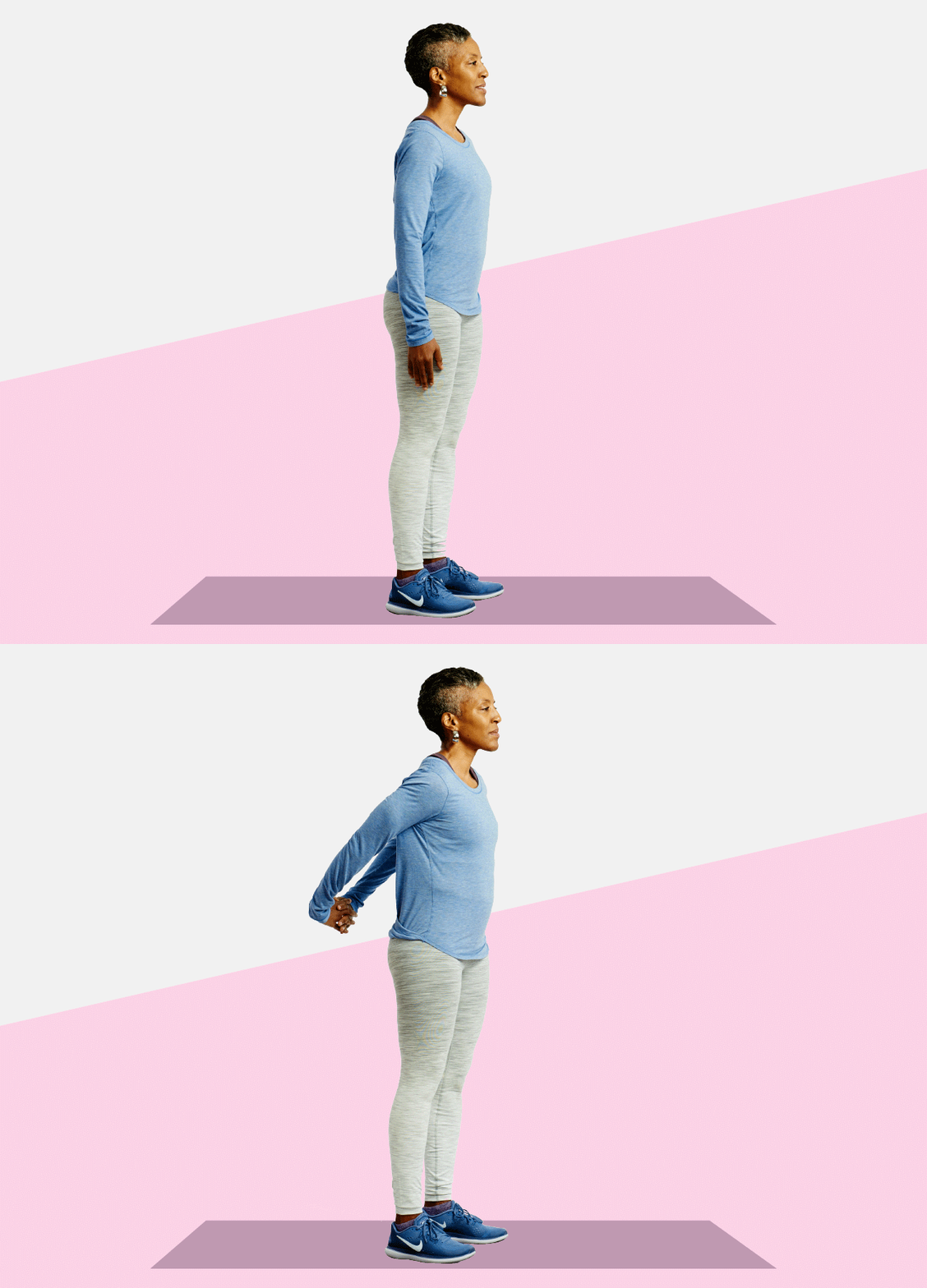
A sedentary lifestyle is a primary enemy of good posture. Regular physical activity is essential for strengthening the muscles that support your spine and promoting flexibility. Exercises like yoga, Pilates, and swimming are particularly beneficial as they focus on core strength, flexibility, and body control. Even simple daily activities like walking and stretching can make a significant difference. Aim to incorporate movement throughout your day, taking short breaks to stand, walk, or do a few stretches. This consistent engagement with physical activity helps build a robust muscular framework that naturally supports better posture.
Mindful Sitting and Standing: Everyday Posture in Action
Correct posture isn’t just about formal exercise; it’s about applying the principles throughout your day. When sitting, consciously adjust your chair and desk to support your natural spinal curves. Imagine a string pulling you up from the crown of your head. When standing, distribute your weight evenly, relax your shoulders, and engage your core. Be mindful of your posture when performing everyday tasks like lifting objects, carrying bags, or even looking at your phone. Small, consistent adjustments throughout the day will reinforce good habits and prevent the accumulation of strain from prolonged poor positioning.
Seeking Professional Guidance: When to Call in the Experts
For individuals experiencing persistent pain or significant postural issues, seeking professional guidance is highly recommended. Chiropractors, physical therapists, and certified ergonomic specialists can provide personalized assessments and develop tailored programs to address specific needs. They can identify underlying muscular imbalances, teach correct exercise techniques, and offer expert advice on optimizing your workspace and daily habits. Don’t hesitate to reach out to these professionals; their expertise can be instrumental in achieving lasting postural improvements and preventing long-term health problems.
aViewFromTheCave is a participant in the Amazon Services LLC Associates Program, an affiliate advertising program designed to provide a means for sites to earn advertising fees by advertising and linking to Amazon.com. Amazon, the Amazon logo, AmazonSupply, and the AmazonSupply logo are trademarks of Amazon.com, Inc. or its affiliates. As an Amazon Associate we earn affiliate commissions from qualifying purchases.