
Chipotle Mexican Grill, often simply referred to as Chipotle, has transcended its origins as a fast-casual Mexican food chain to become a significant case study in modern brand building, marketing, and strategic consumer engagement. More than just a place to grab a burrito, Chipotle has cultivated a distinct identity that resonates deeply with its target audience, influencing not only how people eat but also how they perceive food sourcing and corporate responsibility. This exploration delves into the essence of what defines Chipotle as a brand, examining its core philosophy, its innovative marketing strategies, and the enduring impact of its corporate identity.
The Genesis of a Distinctive Brand Identity
Chipotle’s journey from a single Denver restaurant in 1993 to an international powerhouse is a testament to a clearly defined and consistently executed brand vision. At its heart, Chipotle’s identity is built upon a foundational promise: to serve “Food with Integrity.” This seemingly simple phrase is the bedrock upon which its entire brand is constructed, influencing everything from its menu and ingredient sourcing to its restaurant design and marketing communications.
“Food with Integrity”: More Than Just a Slogan
The concept of “Food with Integrity” is not a mere marketing slogan; it’s a guiding principle that permeates Chipotle’s operational ethos. This commitment translates into a focus on sourcing high-quality, fresh ingredients, often from local farmers who adhere to sustainable agricultural practices. This emphasis on transparency and provenance has been a key differentiator, appealing to a growing segment of consumers who are increasingly concerned about the origins of their food, its environmental impact, and its ethical production.
Transparency in Sourcing
Chipotle has been a pioneer in openly communicating its ingredient sourcing practices. This transparency builds trust and allows consumers to make informed choices. By highlighting its relationships with farmers, detailing its animal welfare standards, and explaining its choices regarding genetically modified organisms (GMOs), Chipotle empowers its customers. This detailed information is often readily available on its website and through in-store materials, fostering a sense of partnership between the brand and its patrons. The brand’s willingness to openly discuss challenges, such as occasional ingredient shortages due to weather or supply chain issues, further reinforces its commitment to honesty.
Commitment to Quality and Freshness
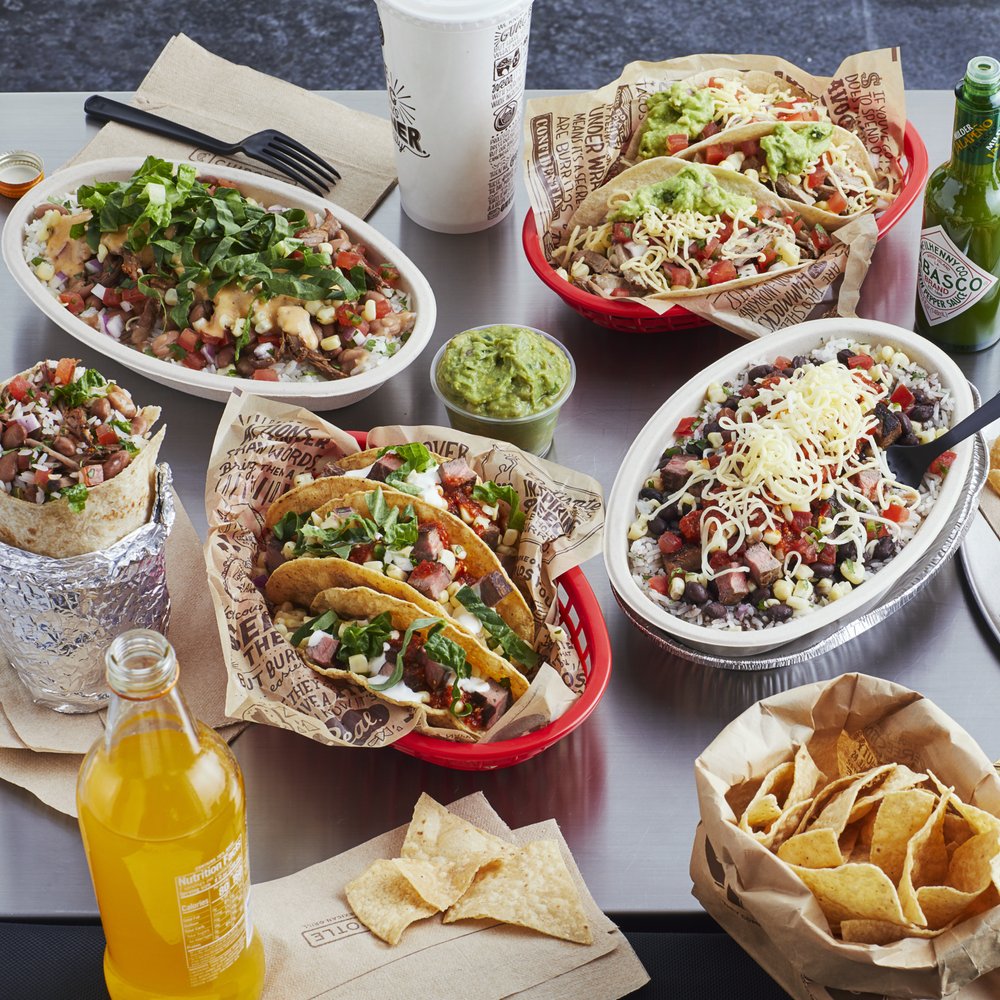
The perception of freshness and quality is paramount to Chipotle’s brand. Unlike many fast-food competitors, Chipotle prepares its food in small batches throughout the day in its restaurants. This “made-to-order” assembly line model not only ensures that ingredients are as fresh as possible but also provides a visually engaging experience for the customer. The visible preparation of burritos, bowls, tacos, and salads allows consumers to see the quality of the ingredients and customize their meals precisely to their liking. This hands-on customization further enhances the perception of quality and individual attention.
The “Fast-Casual” Revolution
Chipotle is widely credited with popularizing the “fast-casual” dining segment. This hybrid model bridges the gap between traditional fast food and full-service restaurants. It offers the speed and convenience of fast food but with higher quality ingredients, a more elevated dining environment, and a significantly better customer experience. Chipotle’s success validated this model, inspiring a wave of similar concepts and forcing established fast-food giants to re-evaluate their own offerings and operational strategies. The brand’s strategic positioning in this niche allowed it to command premium pricing while still offering perceived value.
Strategic Marketing: Building a Cult Following
Chipotle’s marketing efforts have been as innovative and impactful as its food philosophy. The brand has consistently shied away from traditional advertising, opting instead for more authentic, engaging, and often socially conscious campaigns that resonate with its millennial and Gen Z customer base. This approach has been instrumental in building a loyal following and a strong sense of community around the brand.
Leveraging Digital Platforms and Storytelling
In an era dominated by digital interaction, Chipotle has masterfully utilized social media and online content to build its brand narrative. Rather than relying on overt product placement or celebrity endorsements, the brand has focused on storytelling. This includes sharing the stories of its farmers, highlighting the importance of sustainable agriculture, and creating relatable content that addresses the lifestyle and values of its target demographic.
Social Media Engagement
Chipotle’s social media presence is characterized by its wit, relatability, and responsiveness. The brand actively engages with its followers, participates in trending conversations, and uses humor to create a persona that feels approachable and human. This interactive approach fosters a sense of community and encourages user-generated content, further amplifying the brand’s reach and authenticity. Campaigns often encourage user participation, turning customers into brand advocates.
Content Marketing and “Cultivating a Better World”
Beyond social media, Chipotle has invested in content marketing initiatives that align with its “Food with Integrity” mission. This includes short films, documentaries, and online series that explore themes of sustainable food systems, the challenges faced by farmers, and the importance of healthy eating. These initiatives are not overtly promotional but rather serve to educate and inspire, positioning Chipotle as a thought leader and a brand that cares about broader societal issues. This “purpose-driven” marketing has proven highly effective in connecting with consumers who seek brands that reflect their own values.
The Power of Experiential Marketing
Chipotle has also embraced experiential marketing, creating opportunities for consumers to interact with the brand in memorable ways. This can include pop-up events, collaborations with artists or musicians, and even educational initiatives that bring its “Food with Integrity” message to life. These experiences go beyond a simple transaction, creating emotional connections and reinforcing the brand’s identity in a tangible way. The deliberate design of its restaurant interiors, often featuring exposed brick, natural wood, and local art, contributes to this experiential approach.
Corporate Identity and Enduring Impact
Chipotle’s corporate identity is intrinsically linked to its brand promise and marketing strategies. Its distinctive logo, its restaurant design, and its overall corporate culture all reinforce the message of quality, transparency, and a commitment to doing things differently.
The Chipotle Logo and Restaurant Design
The Chipotle logo, with its distinctive stylized “C,” is instantly recognizable and has become synonymous with its unique offering. The restaurant design itself is a crucial element of its brand identity. Typically featuring a clean, modern aesthetic with natural materials like wood and metal, Chipotle restaurants evoke a sense of rustic authenticity and artisanal quality. This deliberate design choice differentiates it from the sterile, mass-produced feel of many fast-food establishments and aligns with its emphasis on fresh, natural ingredients. The open kitchen design further enhances transparency and the customer experience.
Navigating Challenges and Maintaining Brand Resilience
Like any major brand, Chipotle has faced its share of challenges, most notably a series of food safety incidents in the mid-2010s. These events posed a significant threat to its carefully crafted brand reputation. However, the company’s response to these crises provides a valuable insight into its brand resilience. Chipotle invested heavily in improving its food safety protocols, enhancing its supply chain management, and communicating its efforts transparently to the public. While these incidents did impact sales and consumer trust in the short term, the brand’s core commitment to “Food with Integrity” and its consistent messaging about improvements helped it to eventually regain consumer confidence. This period underscored the importance of a strong, values-driven brand in weathering difficult times.

The Legacy of “Food with Integrity”
In conclusion, Chipotle Mexican Grill is far more than just a restaurant chain; it is a masterclass in building a powerful and enduring brand. Its success is rooted in a clear and unwavering commitment to “Food with Integrity,” translated into tangible actions of ingredient transparency, quality sourcing, and a focus on fresh, delicious food. Coupled with innovative, purpose-driven marketing that leverages digital storytelling and experiential engagement, Chipotle has cultivated a loyal customer base that aligns with its values. Its corporate identity, from its recognizable logo to its distinctive restaurant design, consistently reinforces this message. Even when faced with significant challenges, Chipotle’s foundational brand principles have provided the resilience necessary to adapt and recover, solidifying its position as a leader in the fast-casual dining landscape and a compelling case study in modern brand building.
aViewFromTheCave is a participant in the Amazon Services LLC Associates Program, an affiliate advertising program designed to provide a means for sites to earn advertising fees by advertising and linking to Amazon.com. Amazon, the Amazon logo, AmazonSupply, and the AmazonSupply logo are trademarks of Amazon.com, Inc. or its affiliates. As an Amazon Associate we earn affiliate commissions from qualifying purchases.