
In the modern economic landscape, the word “budget” often carries a negative connotation. For many, it evokes images of restriction, sacrifice, and the painstaking tracking of every cent spent on a cup of coffee. However, viewed through the lens of professional financial management, a budget is not a cage; it is a roadmap. It is the most fundamental tool for anyone seeking to transition from financial uncertainty to wealth accumulation. At its core, budgeting is the strategic process of creating a plan for your money. It ensures that you are intentionally directing your resources toward your priorities rather than wondering where your paycheck went at the end of the month.
The Core Philosophy of Strategic Budgeting
Budgeting is often misunderstood as a purely mathematical exercise. In reality, it is a psychological and strategic framework that aligns your daily spending with your long-term life goals. Without a budget, even high-income earners can find themselves living paycheck to paycheck, a phenomenon known as “lifestyle creep.”
Defining the Budget as a Financial Blueprint
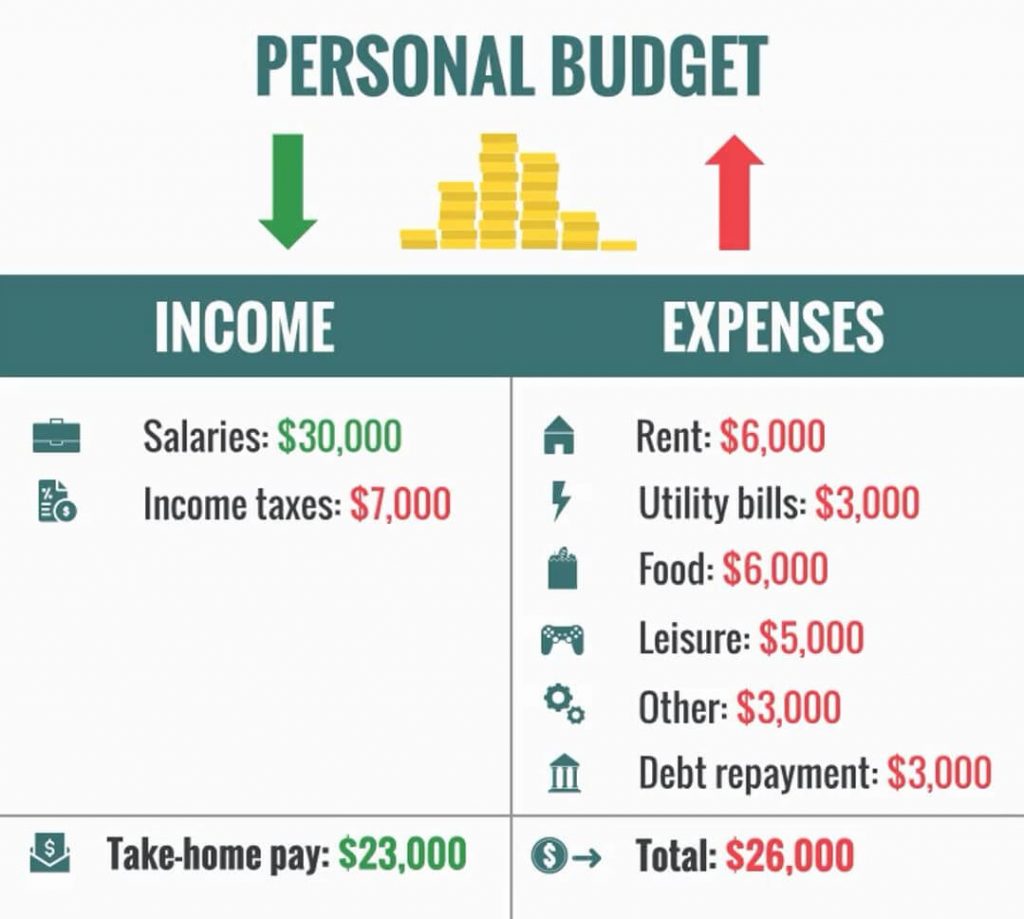
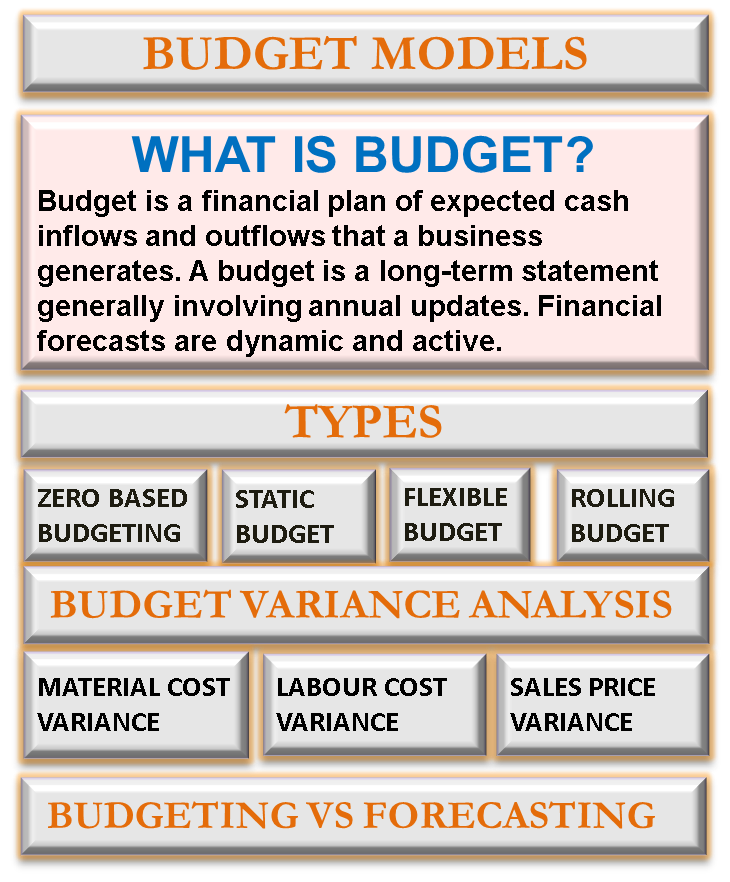
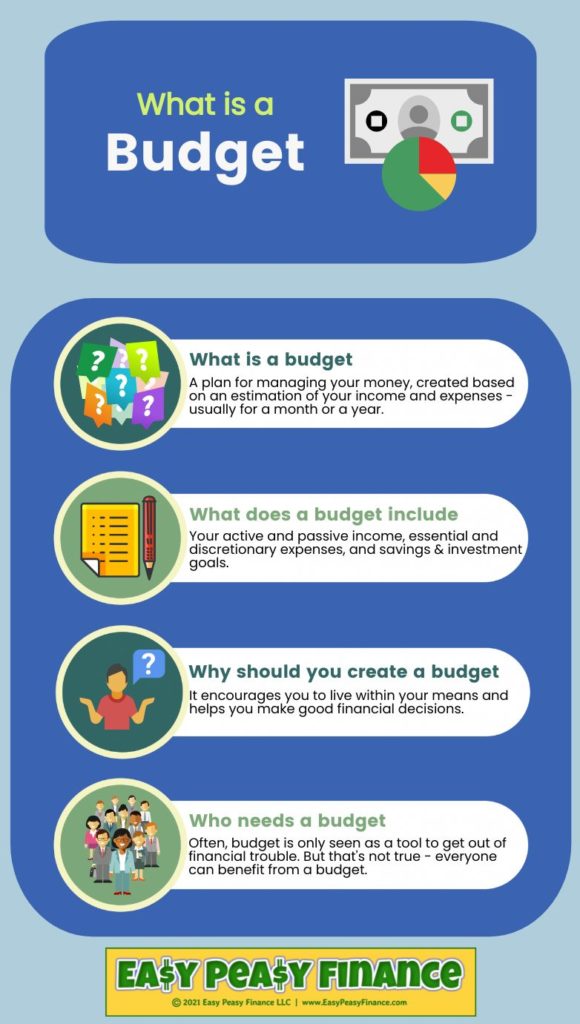
A budget is a formalization of your financial intentions. It is a document—whether digital or physical—that forecasts your income and allocates it to specific categories of spending, saving, and investing. Unlike an expense tracker, which looks backward at what you have already spent, a budget looks forward. It assigns a “job” to every dollar before it enters your bank account. By doing so, you move from a reactive state of “Can I afford this?” to a proactive state of “This is how I will use my resources.”
Why Budgeting is the Foundation of Wealth
Wealth is rarely built on high income alone; it is built on the margin between what you earn and what you spend. Budgeting is the primary mechanism for creating and protecting that margin. It allows individuals to identify “leaks” in their finances—redundant subscriptions, excessive dining out, or high-interest debt—and redirect those funds toward income-producing assets. In the world of personal finance, your budget acts as your primary internal audit, ensuring that your capital is being deployed efficiently to maximize your net worth over time.
Popular Budgeting Frameworks for Financial Success
There is no one-size-fits-all approach to budgeting. The best system is the one that you can stick to consistently. Over decades, several frameworks have emerged as industry standards for managing personal and household finances.
The 50/30/20 Rule
Popularized by Senator Elizabeth Warren, this is perhaps the most famous budgeting framework for those who prefer simplicity. It divides your after-tax income into three distinct buckets:
- 50% for Needs: This includes essential costs like housing, utilities, groceries, and insurance.
- 30% for Wants: This covers discretionary spending, such as entertainment, travel, and dining out.
- 20% for Savings and Debt Repayment: This is the “wealth-building” category, dedicated to retirement accounts, emergency funds, and paying down principal on loans.
The 50/30/20 rule is an excellent starting point because it provides a balanced perspective on living for today while securing tomorrow.
Zero-Based Budgeting
Zero-based budgeting is a more granular approach where your income minus your expenses equals exactly zero. This does not mean you have zero dollars in your bank account; rather, it means every single dollar has been assigned a specific destination. If you earn $5,000 in a month, you must account for where all $5,000 is going—including savings and investments. This method is highly effective for those who want maximum control over their cash flow and are serious about aggressive debt repayment or rapid wealth accumulation.
The Envelope System (Cash or Digital)
The envelope system is a disciplined approach designed to curb overspending in “variable” categories like groceries or entertainment. You decide on a spending limit for a category, place that amount of cash in an envelope, and once the money is gone, you stop spending in that category for the month. In the modern era, many use “digital envelopes” or separate sub-accounts to achieve the same result. This system is particularly useful for those who struggle with impulse spending on credit cards.
The Step-by-Step Process of Creating a Robust Budget
Creating a budget requires an initial investment of time and a commitment to radical honesty regarding your spending habits. To build a budget that actually works, one must follow a logical sequence of data collection and goal setting.
Auditing Your Income and Expenses
The first step is to determine your true net income—the amount that actually hits your bank account after taxes and deductions. Next, you must conduct a thorough audit of the last three months of spending. Many people are shocked to find that they spend significantly more on “small” items than they realized. Categorizing these expenses into “Fixed” (rent, car payments) and “Variable” (groceries, gas, hobbies) provides a clear picture of your current financial baseline.
Setting Realistic Financial Goals
A budget without a goal is just a list of numbers. To maintain motivation, you must define what you are budgeting for. Are you building a six-month emergency fund? Are you saving for a down payment on a home? Are you aiming for early retirement? By attaching your budget categories to specific life milestones, the act of “cutting back” transforms into an act of “investing in your future self.” Professional financial planning suggests setting SMART goals: Specific, Measurable, Achievable, Relevant, and Time-bound.
Adjusting and Optimizing Over Time
A budget is a living document. It should not be static. Life changes—you might get a raise, your rent might increase, or you might decide to pick up a side hustle. A successful budgeter reviews their performance at the end of every month. If you consistently overspend in one category and underspend in another, adjust the allocations. The goal is not perfection; it is a continuous refinement of your financial habits to ensure they remain aligned with your evolving priorities.
Budgeting for Different Life Stages
The priorities of a budget will naturally shift as an individual progresses through different stages of their career and personal life. Understanding these shifts is crucial for long-term financial stability.
Budgeting for Early Career Professionals
For those just starting their professional journey, the budget should prioritize three things: establishing an emergency fund, eliminating high-interest debt (like credit cards), and taking advantage of employer-sponsored retirement matches. At this stage, time is your greatest asset due to the power of compound interest. Even small amounts budgeted toward investments can grow exponentially over several decades. The focus here is on discipline and avoiding “lifestyle inflation” as entry-level salaries begin to rise.
Managing Family Finances and Future Planning
As individuals transition into mid-life, budgeting often becomes more complex. It must account for multi-person households, childcare, education savings (such as 529 plans), and more robust insurance needs. At this stage, “sinking funds” become vital. A sinking fund is a way to save for a specific, non-monthly expense (like a new roof or a family vacation) by setting aside a small amount each month. This prevents large expenses from “breaking” the budget when they inevitably arise.
The Psychological Side of Money Management
The primary reason budgets fail is not a lack of math skills, but a lack of psychological endurance. Mastering your money requires mastering your mindset.
Overcoming the “Restriction” Mindset
Many people fail at budgeting because they view it as a form of financial dieting. If you make your budget too restrictive, you will eventually experience “frugal fatigue” and binge-spend. The key to a sustainable budget is to include a “fun money” or “guilt-free spending” category. By intentionally allocating money for enjoyment, you remove the guilt associated with spending and make it easier to stick to your long-term savings goals.
Developing Long-term Financial Discipline
Discipline is the bridge between goals and accomplishment. Budgeting builds this discipline by forcing you to make trade-offs. It teaches you to value long-term security over short-term gratification. Over time, the act of budgeting shifts your identity from a “consumer” to a “manager of capital.” This psychological shift is the hallmark of financial maturity and is the ultimate predictor of whether an individual will achieve true financial independence.
In conclusion, budgeting is the most powerful tool in your financial arsenal. It provides clarity in a world of complex choices and ensures that your hard-earned money is working as hard for you as you did for it. By choosing a framework that fits your lifestyle, setting clear goals, and maintaining the discipline to track your progress, you can transform your relationship with money and build a legacy of financial freedom.
aViewFromTheCave is a participant in the Amazon Services LLC Associates Program, an affiliate advertising program designed to provide a means for sites to earn advertising fees by advertising and linking to Amazon.com. Amazon, the Amazon logo, AmazonSupply, and the AmazonSupply logo are trademarks of Amazon.com, Inc. or its affiliates. As an Amazon Associate we earn affiliate commissions from qualifying purchases.