
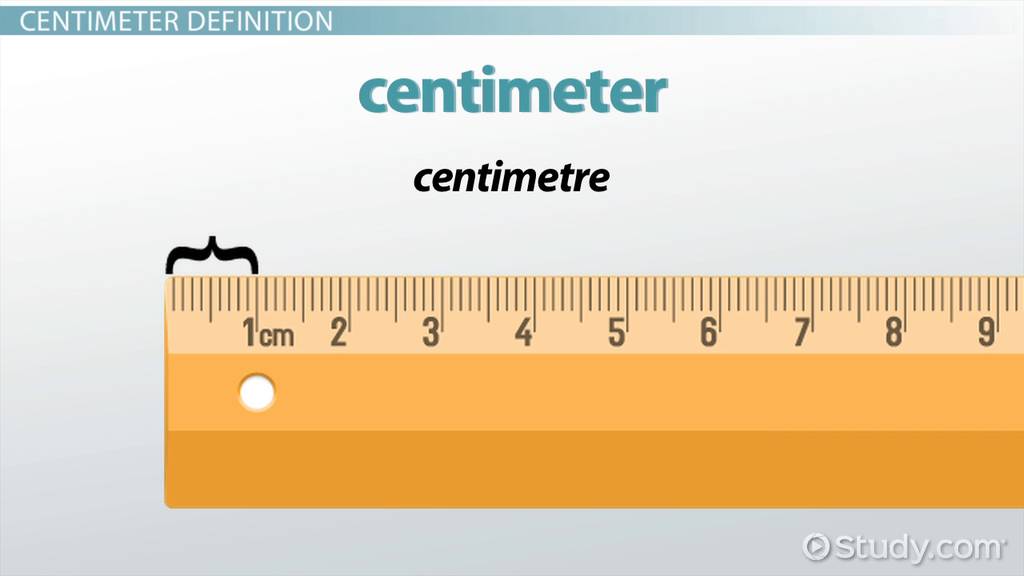
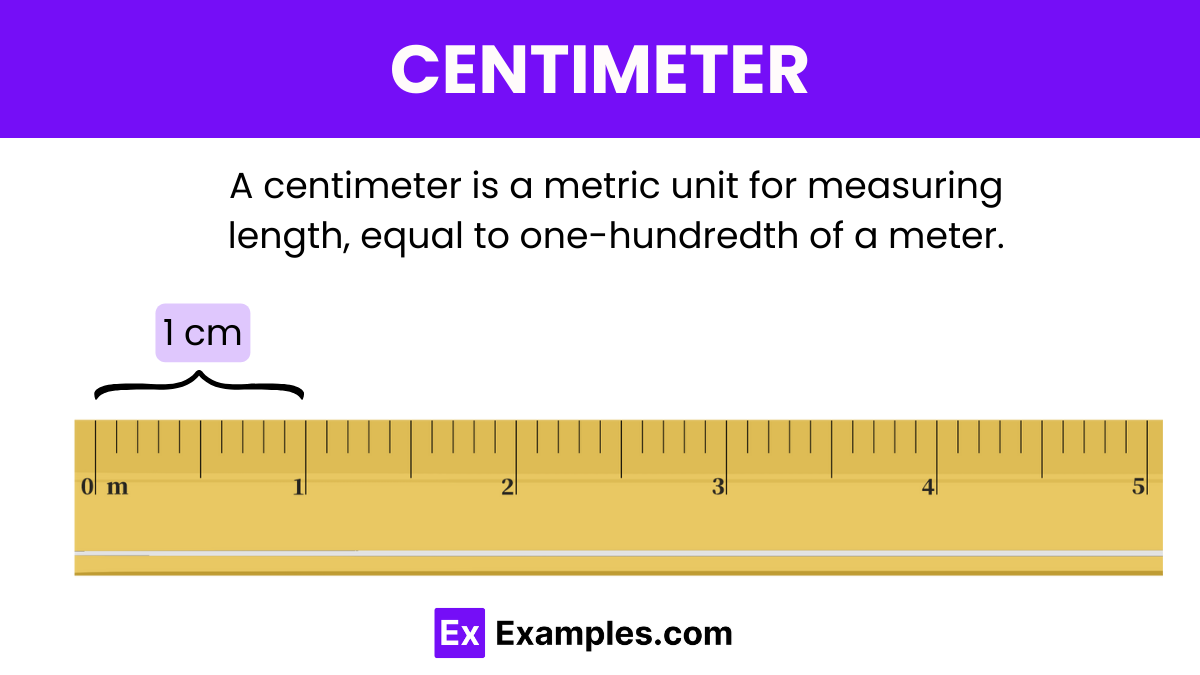
The humble centimeter, a unit of length within the metric system, might seem straightforward, a simple division of a meter into one hundred parts. However, in the context of technology, understanding centimeters and their digital representation is far more nuanced than a basic definition. From the microscopic precision required in semiconductor manufacturing to the vast scales of augmented reality environments, the centimeter plays a crucial, often invisible, role in the technologies that shape our world. This exploration delves into the significance of centimeters within the technological landscape, examining how this unit of measurement underpins everything from the physical dimensions of our devices to the virtual spaces we interact with.
The Physical Embodiment of Pixels: Centimeters in Device Design and Manufacturing
The tangible world of our electronic devices is inextricably linked to the concept of centimeters. Every smartphone, laptop, smart home appliance, and wearable gadget exists within specific physical dimensions, and these are universally understood and communicated using metric units, including centimeters. This fundamental aspect of design and manufacturing is not merely about aesthetics; it directly impacts functionality, ergonomics, and user experience.
Screen Real Estate and Usability
The most immediate application of centimeters in technology is evident in the dimensions of our screens. Diagonal screen sizes, typically measured in inches (though often converted and understood in metric equivalents for a global market), directly translate to the physical footprint of a device. A 6.7-inch smartphone, for instance, has a specific width and height measured in centimeters, influencing how it fits in a hand, a pocket, or a bag. This spatial consideration extends to the aspect ratio of the screen, dictating the balance between horizontal and vertical space available for content. Designers meticulously consider these centimeter-based dimensions to optimize the viewing experience, ensuring that text is legible, images are appropriately framed, and interactive elements are easily accessible. The bezel size, the border surrounding the active display area, is also a critical centimeter measurement that impacts the overall device dimensions and perceived screen-to-body ratio. Reducing bezels, a constant trend in smartphone design, directly involves minimizing centimeter measurements around the screen.
Internal Components and Miniaturization
Beyond the external form factor, the internal architecture of technological devices is a testament to the precise management of centimeters. The miniaturization of components is a driving force in technological advancement, and this involves working with increasingly smaller units of measurement. Integrated circuits, the brains of our devices, are fabricated with features measured in nanometers – incredibly small fractions of a centimeter. However, the arrangement and interconnection of these chips, along with other components like batteries, cameras, and sensors, all occupy specific physical spaces dictated by centimeter measurements. Engineers use Computer-Aided Design (CAD) software to meticulously plan the layout of these components, ensuring they fit together efficiently and without interference. This spatial optimization, grounded in centimeter-level precision, is crucial for creating thinner, lighter, and more powerful devices. The careful allocation of centimeters within a device’s chassis allows for the integration of more advanced features and improved thermal management, preventing overheating by ensuring adequate airflow, also measured in millimeters and centimeters.
Manufacturing Tolerances and Quality Control
In the high-stakes world of technology manufacturing, precision is paramount. The production of electronic components and devices involves stringent tolerances, deviations from ideal measurements that are typically expressed in fractions of a millimeter or, by extension, very small centimeters. For example, the alignment of a display panel, the placement of a camera lens, or the fit of a charging port all have specific centimeter tolerances. Failure to adhere to these tolerances can lead to defects, functional issues, and ultimately, product failure. Quality control processes heavily rely on precise measurement tools, such as calipers and coordinate measuring machines, which can accurately gauge dimensions down to fractions of a centimeter. These measurements ensure that mass-produced components are consistent and interchangeable, a cornerstone of modern manufacturing. The pursuit of ever-increasing miniaturization and performance in technology constantly pushes the boundaries of what can be achieved with centimeter-level precision in manufacturing.
The Digital Blueprint: Centimeters in 3D Modeling, AR, and VR
The abstract world of digital design and immersive experiences also relies heavily on the concept of centimeters, translating them into virtual dimensions that we interact with. While pixels are the building blocks of digital imagery, the underlying scale and spatial relationships within these digital environments are often defined and managed using real-world units like centimeters.
3D Modeling and Digital Prototyping

In fields like industrial design, architecture, and game development, 3D modeling software is indispensable. These powerful tools allow creators to design and manipulate virtual objects in three-dimensional space. When creating a virtual replica of a physical product, such as a new car model or a piece of furniture, designers will often set their modeling units to centimeters. This ensures that the digital model accurately reflects the real-world dimensions of the object, facilitating accurate prototyping, stress testing, and visualization. For instance, an automotive designer might create a virtual model of a car door, meticulously modeling its curves and contours, with all measurements taken in centimeters. This digital blueprint can then be used to generate blueprints for manufacturing or to conduct virtual wind tunnel simulations, all based on the centimeter-scale digital representation. Similarly, architects use 3D modeling to design buildings, ensuring that room dimensions, door heights, and furniture placements are accurately represented in centimeters before any physical construction begins.
Augmented Reality (AR) and Real-World Overlay
Augmented reality technology overlays digital information onto the real world. To achieve this seamless integration, AR systems must understand the physical dimensions of the user’s environment. While depth sensors and other tracking technologies capture spatial data, this data is often interpreted and utilized in real-world units, including centimeters. For an AR application to accurately place a virtual piece of furniture in a user’s living room, it needs to know the dimensions of the room, the position of the user within it, and the physical size of the virtual furniture. This spatial awareness, often managed in centimeters, allows the virtual object to appear life-sized and correctly positioned relative to existing objects. For example, an AR app might allow a user to visualize how a new sofa, with dimensions specified in centimeters, would fit into their living room, appearing to occupy the correct physical space.
Virtual Reality (VR) and Immersive Environments
Virtual reality immerses users in entirely digital worlds. While these worlds are not physically bound, their perceived scale and realism are crucial for effective immersion. VR developers often use centimeters as a fundamental unit of measurement when constructing these virtual environments. This ensures that virtual objects and characters have a consistent and believable sense of scale. A virtual character that is intended to be 180 centimeters tall will be modeled and rendered with those exact dimensions in the virtual world, making interactions feel natural and the environment believable. Even though the user is not physically present in that space, the consistency of centimeter-based measurements within the VR environment contributes significantly to the illusion of reality. This allows for realistic simulations, training exercises, and captivating gaming experiences where the scale of interaction feels authentic, regardless of the underlying technology.
The Unseen Infrastructure: Centimeters in Connectivity and Data Transmission
While not immediately apparent to the end-user, the precise measurement of centimeters is fundamental to the physical infrastructure that supports our digital lives, particularly in the realm of networking and data transmission. The physical layout and dimensions of cables, connectors, and antenna arrays are all critical for efficient and reliable data flow.
Cable Management and Network Infrastructure
The vast network of cables that power our digital world – from fiber optic cables spanning continents to Ethernet cables within our homes – are designed and installed with specific centimeter-based considerations. The length of these cables is crucial for signal integrity and performance. Excessive cable length can lead to signal degradation, while insufficient length can create connectivity issues. Network engineers meticulously plan cable runs, taking into account the physical distances measured in meters and centimeters, to ensure optimal performance and minimize latency. Furthermore, the physical dimensions of cable connectors, ports, and patch panels are all standardized using metric units, ensuring interoperability between different devices and network components. The efficient use of space within server racks, often measured in rack units (a standardized vertical measurement), is also a consideration that impacts the physical layout and the centimeter-based dimensions of the equipment housed within.
Antenna Design and Signal Propagation
The antennas that enable wireless communication, from the Wi-Fi router in your home to the cell towers that connect your smartphone, are engineered with precise centimeter-level dimensions. The size, shape, and placement of an antenna are critical factors that determine its operating frequency, radiation pattern, and signal strength. These parameters are directly influenced by the physical dimensions of the antenna, which are often designed and optimized using wavelengths that are measured in fractions of a centimeter. For example, a dipole antenna’s length is typically half of the wavelength it is designed to transmit or receive, meaning that for higher frequencies (shorter wavelengths), the physical dimensions of the antenna will be smaller, measured in centimeters or even millimeters. The precise centimeter-level design of antenna arrays, used in technologies like 5G and satellite communication, allows for beamforming – directing signals towards specific users or devices – further optimizing wireless connectivity and efficiency.
Precision in Manufacturing for High-Frequency Components
The components that handle high-frequency data transmission, such as those found in routers, modems, and specialized communication equipment, often require manufacturing processes with extremely tight tolerances, measured in fractions of a centimeter. The precise placement of conductive traces on printed circuit boards (PCBs), the dimensions of inductors and capacitors, and the alignment of microstrip lines all impact the electrical performance of these components at high frequencies. Deviations measured in micrometers or millimeters can lead to signal reflections, impedance mismatches, and ultimately, reduced data speeds or dropped connections. Therefore, the manufacturing of these critical technological components relies on sophisticated photolithography and etching techniques, all controlled and verified with centimeter-level precision to ensure that our digital communications remain fast, reliable, and robust.
In conclusion, while the concept of a centimeter might seem elementary, its role in the technological realm is profound and pervasive. From the tangible design of the devices we hold in our hands to the invisible infrastructure that connects us globally, and the virtual worlds we explore, centimeters provide the fundamental spatial framework. As technology continues to evolve towards greater miniaturization, increased complexity, and more immersive experiences, the precise understanding and application of this fundamental unit of measurement will remain indispensable. The centimeter, in its digital manifestation, is not just a unit of length; it is a foundational element in the architecture of our modern technological existence.
aViewFromTheCave is a participant in the Amazon Services LLC Associates Program, an affiliate advertising program designed to provide a means for sites to earn advertising fees by advertising and linking to Amazon.com. Amazon, the Amazon logo, AmazonSupply, and the AmazonSupply logo are trademarks of Amazon.com, Inc. or its affiliates. As an Amazon Associate we earn affiliate commissions from qualifying purchases.