
The Big Ten Conference, a name synonymous with athletic prowess and academic excellence, stands as one of the most prestigious collegiate athletic organizations in the United States. Far more than just a collection of sports teams competing on the field or court, the Big Ten represents a unique amalgamation of research-intensive universities with a shared commitment to student development, intercollegiate athletics, and groundbreaking academic endeavors. Its history is rich, its impact profound, and its future undeniably bright, shaping not only the landscape of college sports but also contributing significantly to the intellectual and economic fabric of its member institutions and the broader nation.

This article will delve into the multifaceted nature of the Big Ten Conference, exploring its historical evolution, its core principles and values, its significant impact on collegiate athletics and higher education, and its economic and branding implications.
The Genesis and Evolution of a Collegiate Giant
The Big Ten Conference’s story is one of gradual growth, strategic alliances, and an unwavering dedication to fostering a robust intercollegiate athletic and academic environment. What began as a relatively informal agreement between a handful of Midwestern universities has blossomed into a sprawling and influential entity.
Founding Principles and Early Expansion
The origins of the Big Ten can be traced back to 1895 with the formation of the Western Interstate University Football Association. This initial agreement laid the groundwork for athletic competition, emphasizing fair play and amateurism. The founding members – the Universities of Chicago, Illinois, Michigan, Minnesota, Northwestern, Purdue, and Wisconsin – recognized the burgeoning popularity of intercollegiate sports and the need for a structured framework to govern it. This early period was characterized by a focus on establishing consistent rules and schedules, primarily for football, which was rapidly becoming the most prominent collegiate sport.
The conference officially adopted the name “Big Ten” in 1896, even though it initially comprised only seven members. This seemingly paradoxical nomenclature highlights the league’s forward-thinking approach and its inherent desire for expansion and inclusivity. The name has persisted, becoming an enduring brand, even as the conference membership has fluctuated and grown over the decades. The early years were marked by the gradual inclusion of additional institutions that met the conference’s evolving academic and athletic standards. These additions were not merely about increasing the number of competing teams but were strategic decisions aimed at strengthening the conference’s overall competitive and academic standing.
Defining Moments and Modern Transformation
Throughout the 20th century, the Big Ten underwent several significant transformations. The establishment of a full-time commissioner’s office in the 1920s marked a crucial step towards professionalizing conference operations and solidifying its administrative structure. This move allowed for more consistent policy development and enforcement, ensuring a more equitable playing field for all member institutions.
The conference’s commitment to a comprehensive athletic program extended beyond football. Basketball, baseball, track and field, and other Olympic sports gradually gained prominence, leading to the development of multi-sport championships and awards. The increasing emphasis on women’s athletics, particularly after the passage of Title IX in 1972, led to the integration of women’s sports programs and championships within the Big Ten, further solidifying its commitment to gender equity.
The latter half of the 20th century and the early 21st century witnessed further expansion, bringing in institutions from across the Midwest and, more recently, beyond. This expansion has been driven by a desire to increase the conference’s national reach, enhance its competitive profile, and maximize its media rights potential. Key moments include the addition of Penn State in 1990, which significantly broadened the conference’s geographical footprint and athletic competitiveness, and the more recent additions of Maryland and Rutgers in 2014, further extending its presence on the East Coast. The ongoing evolution of the conference membership underscores its dynamic nature and its continuous adaptation to the changing landscape of collegiate athletics and higher education.
The Dual Pillars: Academics and Athletics
The Big Ten Conference is fundamentally defined by its commitment to two intertwined pillars: academic excellence and intercollegiate athletics. This dual focus distinguishes it from purely athletic conferences and underscores its core mission of developing well-rounded individuals.
The Scholar-Athlete Ideal
At the heart of the Big Ten’s philosophy is the concept of the “scholar-athlete.” This ideal emphasizes the importance of a balanced pursuit of both academic achievement and athletic accomplishment. The conference actively promotes policies and programs designed to support students in both arenas, recognizing that success in one can often enhance success in the other. This includes academic eligibility requirements, which are among the most stringent in collegiate athletics, ensuring that student-athletes maintain satisfactory academic progress to compete.
The conference also offers numerous academic awards and recognitions, such as the Big Ten Distinguished Scholar Award and the Academic All-Big Ten teams, celebrating students who excel in the classroom. These accolades serve to highlight the dedication and hard work of student-athletes who successfully navigate demanding schedules, rigorous coursework, and competitive athletic commitments. Furthermore, many Big Ten institutions offer dedicated academic support services for their student-athletes, including tutoring, mentoring, and advising, to help them thrive academically.
Research Universities and Their Shared Mission
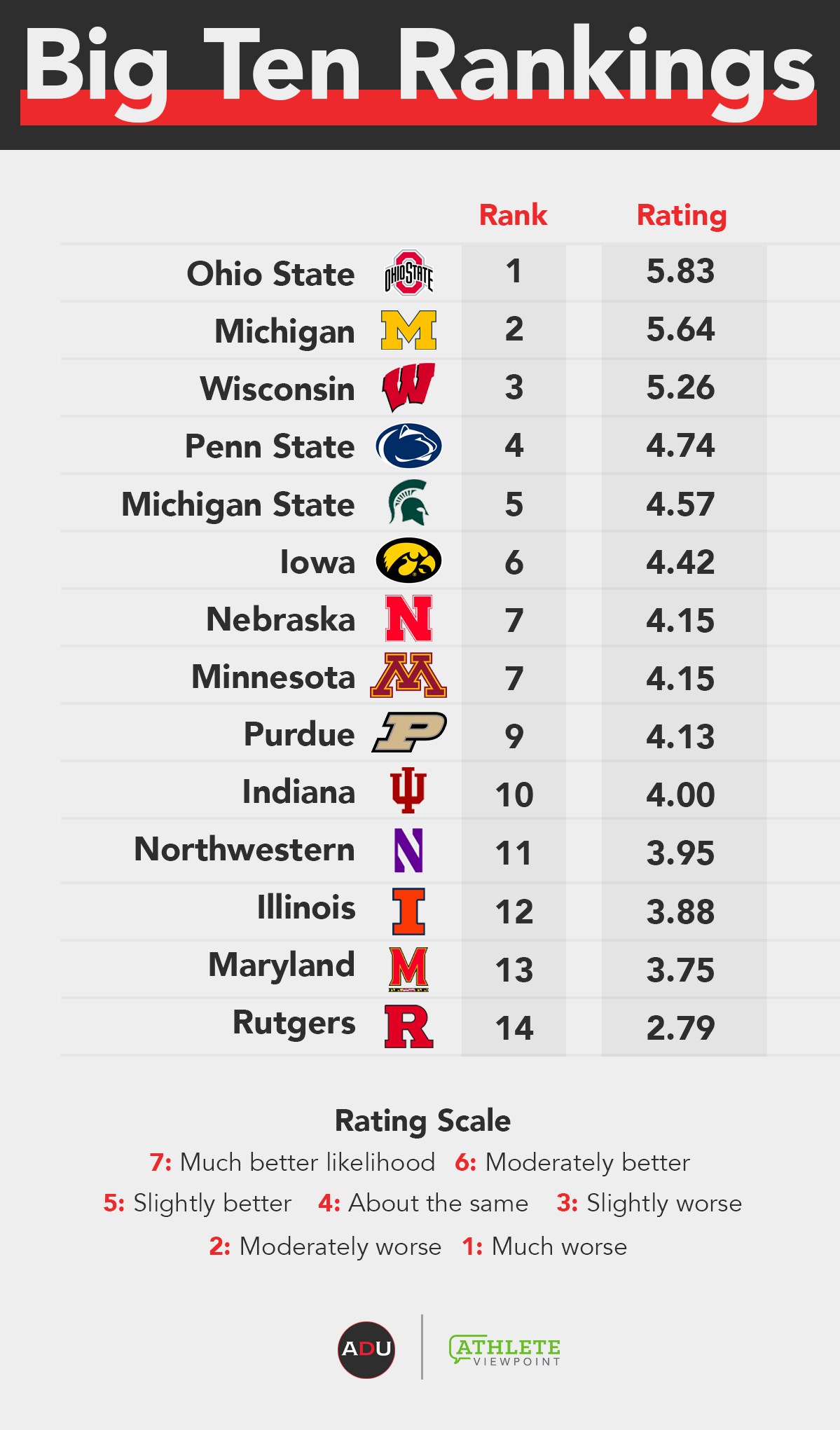
Beyond athletics, the Big Ten Conference comprises some of the nation’s leading research universities. This shared characteristic fosters a collaborative environment for academic innovation, scientific discovery, and intellectual exchange. The Big Ten Academic Alliance, formerly known as the Committee on Institutional Cooperation (CIC), is a testament to this academic synergy. This alliance facilitates collaboration among member universities on a wide range of initiatives, including shared library resources, joint research projects, faculty development programs, and student exchange opportunities.
The Big Ten Academic Alliance allows member institutions to leverage their collective strengths, pooling resources and expertise to tackle complex research challenges and advance knowledge across diverse disciplines. This academic collaboration enhances the educational experience for all students, provides unparalleled research opportunities for faculty, and contributes to the overall intellectual vitality of the conference. The integration of these world-class academic institutions with prominent athletic programs creates a unique ecosystem where students can receive a premier education while participating in high-level intercollegiate competition.
Impact and Influence: Shaping Collegiate Sports and Beyond
The Big Ten Conference’s influence extends far beyond its member campuses, impacting the national landscape of collegiate athletics, higher education, and even the economic development of its surrounding regions.
Athletic Dominance and National Recognition
The Big Ten has consistently been a powerhouse in collegiate athletics, producing numerous national champions across a wide array of sports. Its football and men’s basketball programs, in particular, have garnered significant national attention and success, contributing to the conference’s strong brand identity. The competitive rivalries that have developed over decades between member institutions are legendary, drawing large crowds and generating considerable media interest.
The conference’s success in athletics translates into substantial media rights deals, further bolstering its financial stability and allowing for continued investment in athletic programs and facilities. The visibility and prestige associated with Big Ten athletics attract top-tier student-athletes from across the country and internationally, further enhancing the quality of competition. This athletic prowess not only brings championships and recognition but also serves as a powerful recruitment tool for prospective students, both athletically and academically inclined.
Economic Engine and Branding Powerhouse
The Big Ten Conference is a significant economic engine for its member institutions and the regions in which they are located. Athletic events, particularly football games, draw hundreds of thousands of spectators annually, generating substantial revenue through ticket sales, concessions, merchandise, and tourism. This economic impact extends to local businesses, hotels, and restaurants.
Beyond direct revenue, the Big Ten brand itself holds considerable value. The conference’s reputation for excellence in both academics and athletics makes it a highly sought-after association for institutions. This branding power is further amplified through extensive media coverage, sponsorship deals, and merchandise sales. The conference’s ability to consistently secure lucrative media rights agreements for its athletic competitions is a testament to its strong brand recognition and the enduring appeal of its member institutions. This financial strength allows the conference and its members to invest in state-of-the-art facilities, cutting-edge academic programs, and comprehensive student support services, further solidifying its position as a leader in collegiate athletics and higher education. The economic ecosystem fostered by the Big Ten creates jobs, stimulates local economies, and contributes to the overall prosperity of the communities that host its member universities.
The Future of the Big Ten: Adaptation and Continued Excellence
The Big Ten Conference, like all major collegiate athletic organizations, faces a dynamic and evolving future. Challenges and opportunities abound, requiring continuous adaptation and strategic planning to maintain its status as a premier institution.
Navigating the Evolving Landscape of Collegiate Athletics
The world of collegiate athletics is constantly in flux, with significant shifts occurring in areas such as Name, Image, and Likeness (NIL) policies, the transfer portal, and the potential for further conference realignments. The Big Ten is actively engaged in navigating these changes, seeking to uphold its core values while embracing new realities. The conference’s leadership is focused on developing policies and frameworks that ensure fairness, student well-being, and the long-term sustainability of its athletic programs within these evolving paradigms.
The Big Ten’s commitment to academic integrity and the holistic development of its student-athletes remains a guiding principle as it adapts to these new landscapes. This involves finding innovative ways to support student-athletes in their academic pursuits, professional development, and personal well-being, even as the athletic landscape shifts. The conference is also keenly aware of the importance of maintaining competitive balance and ensuring a positive experience for all involved, from student-athletes and coaches to fans and alumni.

Continued Growth and Global Reach
Looking ahead, the Big Ten Conference is poised for continued growth and influence. Its strong academic foundation and its enduring athletic appeal provide a solid platform for future success. The conference’s willingness to adapt and innovate, as evidenced by its historical expansion and its current engagement with emerging trends, suggests a robust future.
The Big Ten’s global reach is also likely to expand, as its member institutions continue to attract international students and faculty, and its athletic competitions gain a wider audience. The conference’s commitment to collaboration, both within the Big Ten Academic Alliance and with external partners, positions it to address complex global challenges and contribute to advancements in research, education, and intercollegiate athletics on a worldwide scale. The enduring legacy of the Big Ten is its ability to consistently redefine excellence, ensuring its relevance and impact for generations to come.
aViewFromTheCave is a participant in the Amazon Services LLC Associates Program, an affiliate advertising program designed to provide a means for sites to earn advertising fees by advertising and linking to Amazon.com. Amazon, the Amazon logo, AmazonSupply, and the AmazonSupply logo are trademarks of Amazon.com, Inc. or its affiliates. As an Amazon Associate we earn affiliate commissions from qualifying purchases.