
The mention of asbestos immediately conjures images of crumbling buildings and hazardous waste sites. For many, it’s a relic of a bygone era, a material once lauded for its insulating and fire-resistant properties, now recognized as a severe health hazard. However, when we approach this topic through the lens of technology, a different, though equally important, narrative emerges. While asbestos is not a component of modern consumer electronics or cutting-edge software, its historical presence within the very infrastructure that supports our technological world, and in some legacy systems, warrants a closer examination. This article delves into the technological contexts where asbestos has been found, exploring its past applications, the implications for our digital present, and the evolving landscape of technological risk assessment.
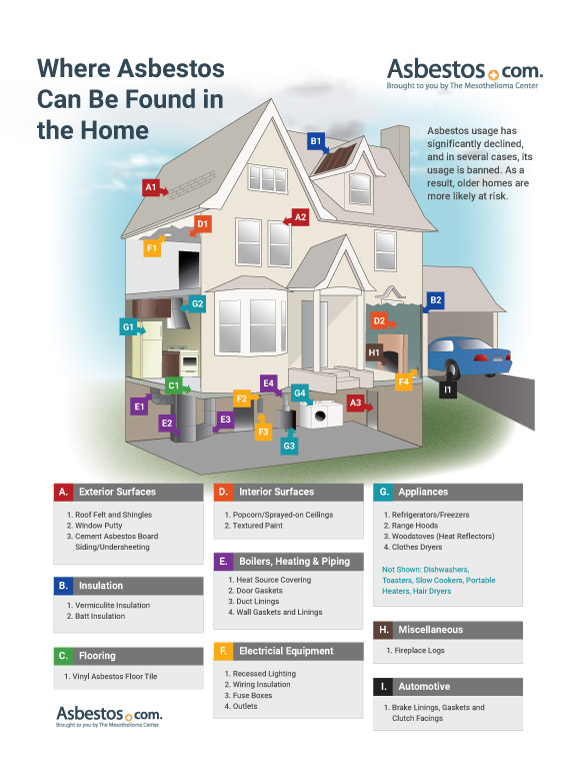
Historical Integration of Asbestos in Technological Infrastructure
The pervasive use of asbestos in the mid-20th century meant it permeated numerous industries, including those that laid the groundwork for our current technological age. Its remarkable ability to withstand heat and electrical currents made it an attractive material for insulation and fireproofing in a wide array of applications that were precursors to modern tech.
Power Generation and Transmission
Early advancements in electricity generation and distribution relied heavily on materials that could handle high temperatures and prevent electrical shorts. Asbestos-lined conduits, transformers, and switchgear were common. The robust insulating properties of asbestos made it ideal for protecting electrical wiring and components in power plants and substations, which are the backbone of any modern technological society. These structures, some of which are still in operation or are being decommissioned, often contain residual asbestos. The very networks that power our data centers, our communication towers, and our homes were, in part, built with asbestos-containing materials. This legacy means that maintenance, upgrades, or demolition of older power infrastructure can expose workers to asbestos.
Industrial Machinery and Manufacturing
The rise of industrial automation and the manufacturing processes that produce our technological goods also saw significant asbestos integration. Early production lines, conveyor systems, and heavy machinery often utilized asbestos for insulation, gaskets, and brake linings due to its durability and heat resistance. Think of the vast factories that once churned out electronic components or assembled early computing devices. Many of these facilities, even if repurposed for more modern manufacturing or even converted into co-working spaces or data storage facilities, might still harbor asbestos in their original building materials or within the remaining original machinery. This historical footprint is crucial when considering the remediation and repurposing of industrial sites that underpin our technological ecosystem.
Early Computing and Telecommunications Equipment
While less common than in heavy industrial settings, asbestos did find its way into some early electronic and telecommunications equipment. Its fire-retardant properties were particularly valued in enclosed spaces where heat could build up, such as within large mainframe computers or telecommunication hubs. Asbestos-containing insulation was sometimes used to wrap electrical components, power cords, and housings to prevent fires. These early behemoths of computing and communication, though largely obsolete, may still exist in archives, museums, or as components within specialized legacy systems that haven’t been fully decommissioned. Even if not directly in the chips and circuits we recognize today, its presence in the surrounding infrastructure highlights a historical reliance on this material in the evolution of our digital tools.
Asbestos in Modern Technological Environments: Legacy and Indirect Presence
Although the direct inclusion of asbestos in new technological products has been banned in most parts of the world for decades, its legacy continues to influence modern technological environments. This influence is primarily seen in the infrastructure that houses our technology and in the ongoing challenges of managing legacy materials.
Data Centers and Server Rooms
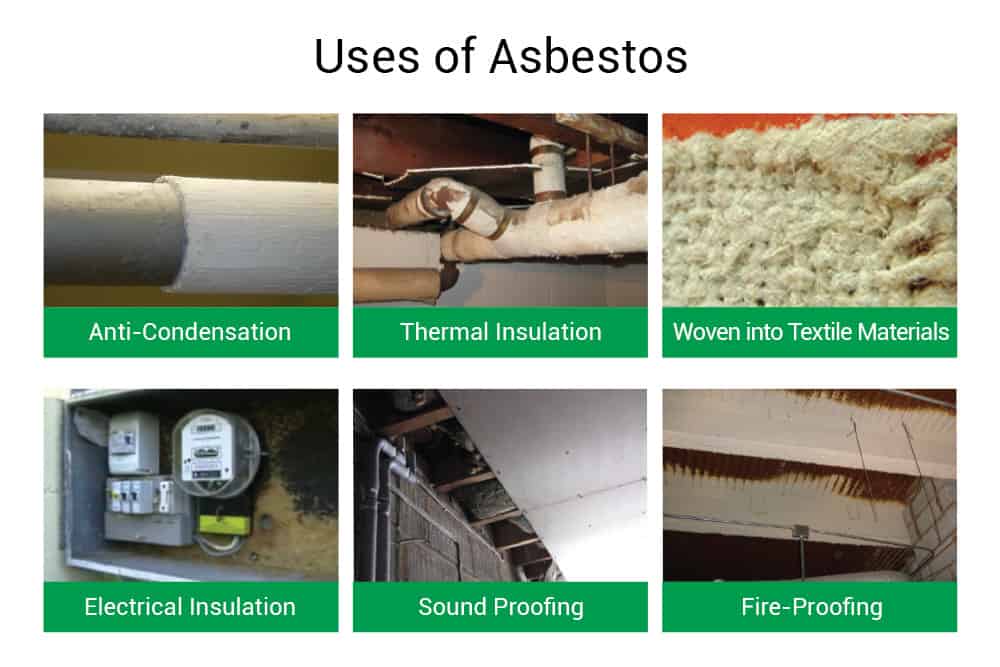
The proliferation of data centers, the physical homes of our digital lives, presents a unique intersection with asbestos. Many of these facilities are housed in buildings constructed during the peak asbestos era. Older buildings converted into data centers may contain asbestos in ceiling tiles, insulation, flooring, and pipe lagging. While strict regulations govern the management of these materials, the risk of disturbance during renovation, expansion, or system upgrades remains. The heat generated by servers and the need for fire suppression systems in data centers further complicate matters. While modern fire-retardant materials are now the standard, the historical presence of asbestos in the building envelope requires diligent monitoring and management to ensure the safety of personnel and the integrity of the sensitive equipment. The potential for airborne fibers during unforeseen events or during maintenance poses a silent threat that must be proactively addressed.
Research and Development Labs
In specialized research and development settings, particularly those dealing with high-temperature processes, early-stage material science, or historical technological archeology, there might still be encountered legacy equipment or infrastructure that contains asbestos. Laboratories involved in studying the properties of historical materials, or those housed in older university or industrial buildings, might require specific protocols for handling and containing asbestos-containing materials. This is not about asbestos being a component of cutting-edge R&D, but rather its persistent presence in the environments where such innovation takes place, necessitating careful risk management and containment strategies.
Industrial Controls and Legacy Systems
Beyond the consumer-facing aspects of technology, a vast network of industrial control systems, telecommunications infrastructure, and specialized equipment operates behind the scenes. Many of these systems, particularly those installed decades ago, may still contain asbestos in their wiring insulation, electrical enclosures, gaskets, and seals. Replacing these legacy systems can be a complex and costly process, often involving the need for specialized asbestos abatement before new technology can be installed. The long lifespans of some industrial equipment mean that asbestos continues to be a consideration in maintaining and upgrading critical operational technology in sectors that are vital to the functioning of our interconnected world, from manufacturing plants to power grids.
The Technological Challenge of Asbestos Management and Remediation
The continued presence of asbestos in environments relevant to technology presents a significant ongoing challenge, requiring sophisticated management and remediation strategies that often leverage technological solutions themselves. The focus shifts from its use as a building material to its containment and removal.
Advanced Detection and Monitoring Technologies
The detection and monitoring of asbestos have evolved considerably, with technology playing a crucial role. Modern methods utilize advanced microscopy, including polarized light microscopy and phase contrast microscopy, to identify asbestos fibers. More sophisticated techniques like Scanning Electron Microscopy (SEM) and Energy Dispersive X-ray Spectroscopy (EDX) can provide detailed analysis of fiber morphology and elemental composition, confirming the presence of asbestos with high accuracy. For large-scale assessments, technologies like drone-based thermal imaging, combined with specialized sensors, are being explored to identify potential asbestos hotspots within large structures without direct human entry into hazardous areas. These technologies aid in the initial assessment and ongoing monitoring of asbestos-containing materials in industrial and commercial buildings that house technological infrastructure.
Encapsulation and Containment Technologies
When full removal is not feasible or immediately necessary, technological solutions for encapsulation and containment are employed. This involves sealing asbestos-containing materials to prevent fiber release. Various specialized coatings, sealants, and barriers are developed and applied using precision equipment. In data center environments, for instance, where dust and fiber contamination can be catastrophic for sensitive equipment, stringent containment protocols are paramount. Advanced air filtration systems, negative air pressure enclosures, and HEPA vacuums are crucial technological tools used during any asbestos-related work within these critical facilities. The goal is to create a technological barrier that isolates the hazard.
Robotics and Remote Handling in Remediation
The inherent danger of asbestos exposure has spurred the development of robotics and remote-handling technologies for its removal and remediation. In environments that are too hazardous for human workers, or in hard-to-reach areas within complex technological infrastructure, robotic arms equipped with specialized tools can be deployed to safely remove asbestos materials. This not only enhances worker safety but also allows for more efficient and precise remediation. Technologies like remote-controlled demolition robots and automated spraying systems for wetting down asbestos materials to minimize dust are increasingly being utilized in the complex and often challenging task of asbestos abatement within industrial and technological settings. This represents a critical intersection of hazard management and technological advancement.
Conclusion: Navigating the Digital Age with a Hazardous Past
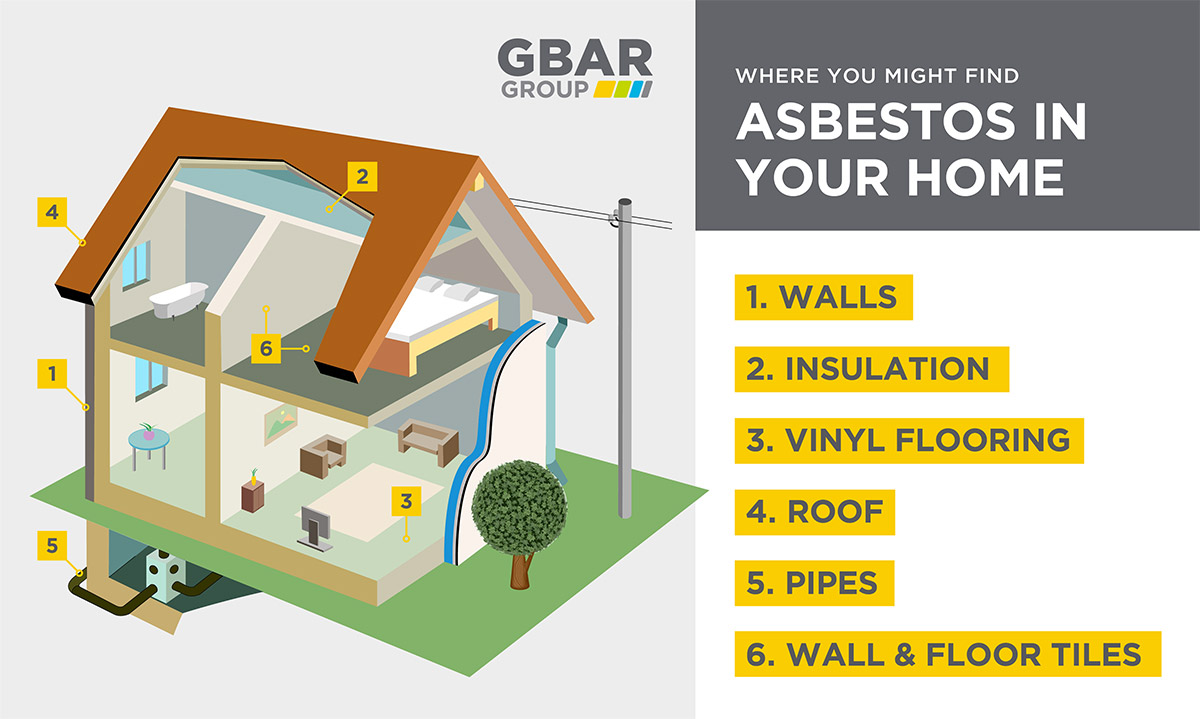
The question “What is asbestos found in?” when viewed through a technological lens, reveals a complex and often overlooked history. While asbestos is not a component of the sleek gadgets and sophisticated software that define our modern digital lives, its pervasive use in the very infrastructure that supports our technological advancements – from power grids to industrial facilities and early electronic systems – means its presence continues to be a relevant consideration. The ongoing challenge lies not in its current integration but in managing its legacy. The technological advancements in detection, containment, and remediation are crucial for ensuring the safety of personnel and the integrity of our digital infrastructure. As we continue to build and evolve our technological world, understanding the historical footprint of materials like asbestos and leveraging cutting-edge technologies to manage its risks remains an essential, albeit often unseen, part of securing our digital future. The silent remediation of hazardous pasts is a fundamental, technologically-driven prerequisite for the uninterrupted progress of innovation.
aViewFromTheCave is a participant in the Amazon Services LLC Associates Program, an affiliate advertising program designed to provide a means for sites to earn advertising fees by advertising and linking to Amazon.com. Amazon, the Amazon logo, AmazonSupply, and the AmazonSupply logo are trademarks of Amazon.com, Inc. or its affiliates. As an Amazon Associate we earn affiliate commissions from qualifying purchases.