
The dream of homeownership is a significant milestone for many, representing stability, investment, and a place to call one’s own. However, the path to securing a mortgage – the loan used to purchase property – involves understanding a crucial financial component: the interest rate. This rate is not merely a number; it’s the cost of borrowing money and a fundamental determinant of the overall affordability of your home. Deciphering mortgage interest rates is essential for making informed financial decisions, managing your budget effectively, and ultimately, achieving your homeownership goals.
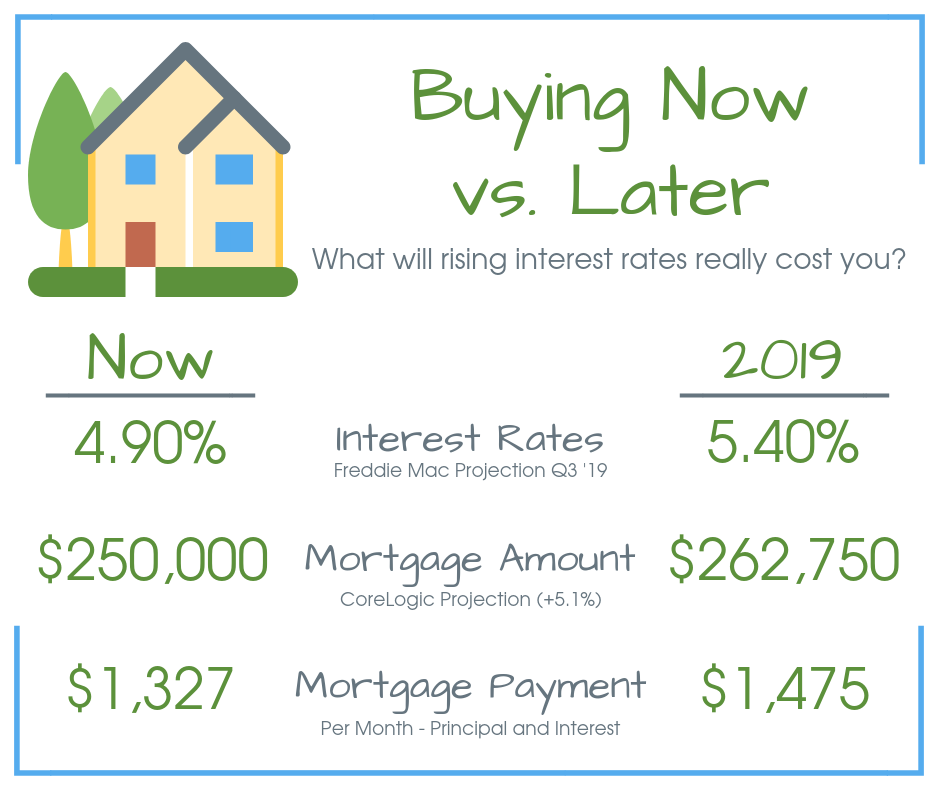
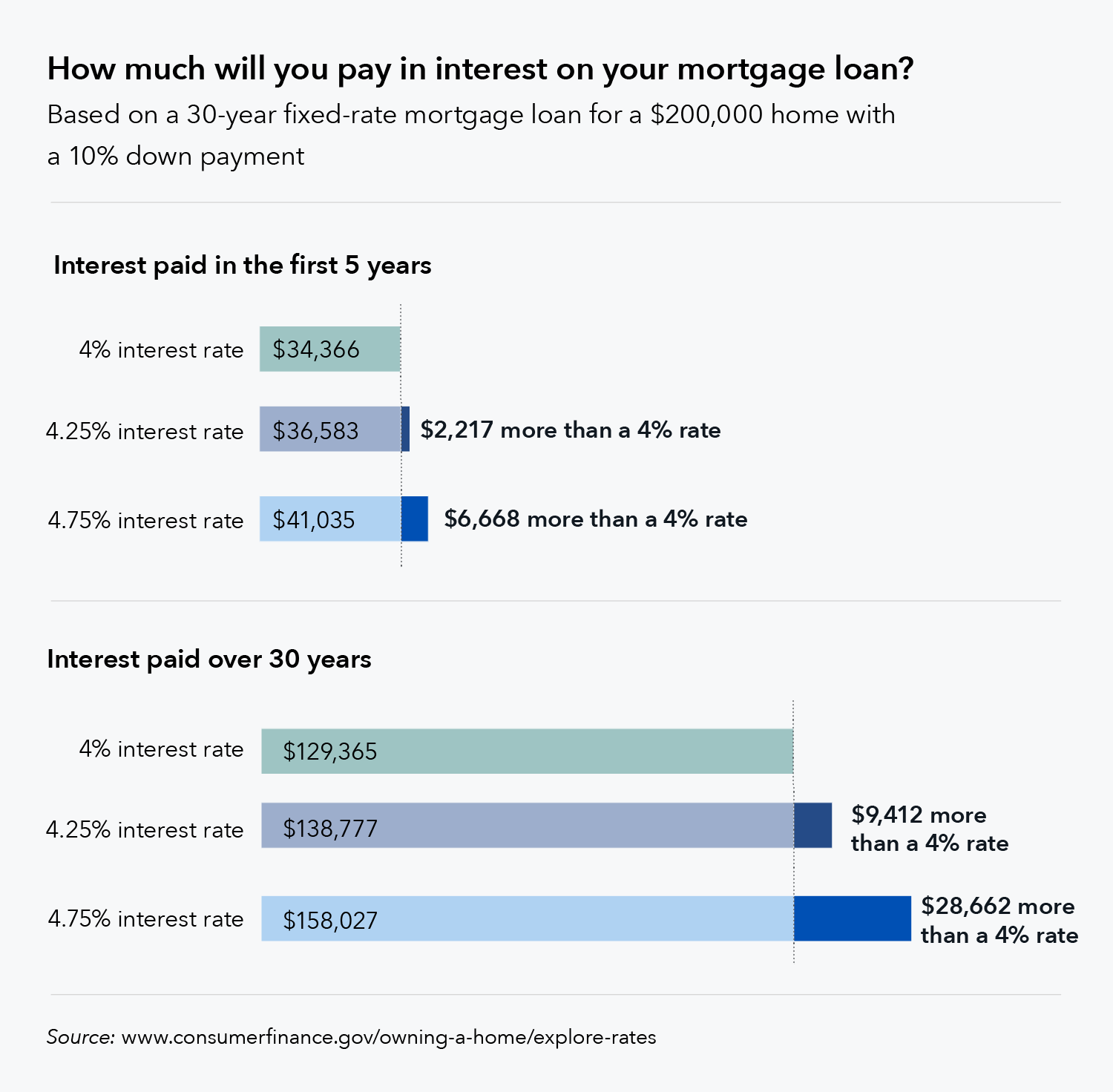
Mortgage interest rates are the price a lender charges you for lending you the money to buy a home. They are expressed as a percentage of the loan amount and are a significant factor in your monthly mortgage payment. Over the life of a typical 15- or 30-year mortgage, even a small difference in the interest rate can translate into tens or even hundreds of thousands of dollars in additional interest paid. Therefore, understanding what influences these rates, how they are calculated, and how to secure the best possible rate is paramount for any prospective homeowner.
The Anatomy of a Mortgage Interest Rate: Key Components
A mortgage interest rate isn’t a single, fixed entity; it’s a complex calculation influenced by a variety of factors. Lenders assess risk and potential returns when setting the rates they offer to borrowers. Understanding these foundational elements will provide clarity on why rates fluctuate and what aspects of your financial profile play a role.
The Prime Rate and Market Forces
At its core, the interest rate on a mortgage is heavily influenced by broader economic conditions and prevailing interest rate benchmarks. The most significant of these is often the prime rate, which is the interest rate that commercial banks charge their most creditworthy corporate customers. While not directly applied to consumer mortgages, the prime rate serves as a significant indicator of the general cost of borrowing in the economy.
When the Federal Reserve (in the US) or other central banks adjust their benchmark interest rates (like the federal funds rate), it ripples through the financial system. An increase in the benchmark rate typically leads to a rise in the prime rate, which in turn increases the cost of funds for banks. This increased cost is then passed on to consumers in the form of higher interest rates for various loans, including mortgages. Conversely, a decrease in benchmark rates generally leads to lower borrowing costs across the board.
Beyond central bank policies, other market forces at play include:
- Inflation: When inflation is high, lenders demand higher interest rates to ensure that the money they are repaid in the future retains its purchasing power.
- Economic Growth: A strong economy can lead to increased demand for loans, potentially pushing rates up. A weaker economy might see rates fall as lenders try to stimulate borrowing.
- Bond Markets: Mortgage interest rates are often closely tied to the yields on U.S. Treasury bonds, particularly longer-term bonds. As bond yields rise, mortgage rates tend to follow suit, and vice versa. This is because investors who buy mortgage-backed securities are seeking returns comparable to those offered by government bonds.
The Lender’s Perspective: Risk and Profit
Lenders are in the business of lending money and expect a return on their investment. They carefully assess the risk associated with each borrower and the loan itself. This risk assessment directly impacts the interest rate offered.
- Cost of Funds: As mentioned, banks borrow money themselves, and the rate at which they can secure these funds significantly influences the rates they offer.
- Operating Costs: Running a mortgage lending operation involves expenses for staff, technology, marketing, and regulatory compliance. These costs are factored into the overall pricing of loans.
- Profit Margin: Lenders aim to make a profit on each loan. The desired profit margin is built into the interest rate, ensuring the lender’s financial viability.
- Risk Premium: This is the most crucial element from the borrower’s perspective. Lenders add a premium to the base rate to compensate for the risk that the borrower might default on the loan. This premium is influenced by several factors related to the borrower’s financial profile.
Factors Influencing Your Individual Mortgage Interest Rate
While broad economic trends set the stage, your personal financial situation is the primary determinant of the specific interest rate you will be offered. Lenders meticulously scrutinize your creditworthiness and the characteristics of the loan you are seeking.
Your Creditworthiness: The Cornerstone of Borrowing Power
Your credit score and credit history are arguably the most significant factors influencing your mortgage interest rate. A higher credit score signals to lenders that you are a responsible borrower with a proven track record of repaying debts.
- Credit Score: This three-digit number, typically ranging from 300 to 850, is a summary of your creditworthiness. Scores above 740 are generally considered good to excellent, often qualifying borrowers for the lowest interest rates. Scores below 620 may result in higher rates or even loan denial.
- Credit History: This encompasses the length of your credit history, the types of credit you’ve used (e.g., credit cards, installment loans), your payment history (on-time payments are crucial), your credit utilization ratio (how much of your available credit you’re using), and the number of recent credit inquiries. A history of late payments, defaults, bankruptcies, or collections will negatively impact your score and lead to higher rates.
- Debt-to-Income Ratio (DTI): This ratio compares your total monthly debt payments to your gross monthly income. A lower DTI indicates that you have more disposable income to handle a mortgage payment, making you a less risky borrower. Lenders typically prefer a DTI below 43%, though this can vary.
Loan Characteristics: The Specifics of Your Mortgage
Beyond your personal finances, the specifics of the mortgage loan itself will also affect the interest rate you receive.
- Loan-to-Value Ratio (LTV): This is the ratio of the loan amount to the appraised value of the property. A lower LTV (meaning you’re putting down a larger down payment) generally results in a lower interest rate because the lender has less risk. For example, a borrower with a 20% down payment (80% LTV) will typically receive a better rate than someone with a 5% down payment (95% LTV).
- Loan Term: Mortgages come with different repayment periods, most commonly 15 or 30 years. Shorter loan terms (e.g., 15 years) typically have lower interest rates because the lender receives their money back sooner and with less exposure to market fluctuations over time. However, the monthly payments will be higher. Longer terms (e.g., 30 years) generally have slightly higher interest rates but result in lower monthly payments.
- Type of Mortgage:
- Fixed-Rate Mortgages: The interest rate remains the same for the entire life of the loan. This provides payment stability and predictability.
- Adjustable-Rate Mortgages (ARMs): These loans have an initial fixed interest rate period, after which the rate adjusts periodically based on a market index. ARMs often start with a lower introductory rate than fixed-rate mortgages, but carry the risk of increasing payments over time.
- Loan Program: Different loan programs (e.g., conventional, FHA, VA) have different eligibility requirements and associated interest rates. Government-backed loans like FHA and VA loans can sometimes offer more accessible rates for borrowers who might not qualify for conventional loans.
- Discount Points: Borrowers have the option to pay “points” upfront to lower their interest rate. One point is equal to 1% of the loan amount. This is a trade-off: you pay more money at closing in exchange for lower monthly payments over the life of the loan. The decision to buy points depends on how long you plan to stay in the home and your overall financial strategy.

Understanding Different Types of Mortgage Interest Rates
The concept of an “interest rate” on a mortgage isn’t monolithic. There are different ways this rate can be structured, each with its own implications for your financial planning.
Fixed vs. Adjustable-Rate Mortgages
The most fundamental distinction in mortgage interest rates lies between fixed and adjustable-rate options.
-
Fixed-Rate Mortgages: With a fixed-rate mortgage, the interest rate is locked in for the entire duration of the loan, typically 15, 20, or 30 years. This means your principal and interest payment will remain the same each month, providing immense predictability and budget stability. This is often the preferred choice for borrowers who plan to stay in their homes for an extended period and prefer not to worry about potential rate increases. The interest rate on a fixed-rate mortgage is generally determined by market conditions at the time of application and the borrower’s creditworthiness.
-
Adjustable-Rate Mortgages (ARMs): ARMs, also known as variable-rate mortgages, feature an interest rate that can change over the life of the loan. Typically, an ARM begins with a fixed interest rate for an initial period (e.g., 3, 5, 7, or 10 years). After this introductory period, the interest rate adjusts periodically (usually annually) based on a specific market index (such as the Secured Overnight Financing Rate or SOFR) plus a margin set by the lender.
- Initial Rate: ARMs often offer a lower initial interest rate compared to fixed-rate mortgages, making the early monthly payments more affordable. This can be attractive for borrowers who expect their income to increase or who plan to sell or refinance before the adjustment period begins.
- Rate Adjustments: When the rate adjusts, your monthly payment will increase or decrease depending on the movement of the underlying index. Lenders typically have caps on how much the rate can increase at each adjustment period and over the lifetime of the loan, providing some protection against extreme payment shocks. However, significant increases are still possible.
Conforming vs. Non-Conforming Loans
The interest rates offered can also vary based on whether a loan is considered “conforming” or “non-conforming.”
-
Conforming Loans: These are mortgages that meet the funding criteria and limits set by government-sponsored enterprises (GSEs) like Fannie Mae and Freddie Mac. These loans generally have lower interest rates because they are more liquid and easier for lenders to sell on the secondary mortgage market. The loan limits for conforming mortgages are set annually by the Federal Housing Finance Agency (FHFA).
-
Non-Conforming Loans: These are loans that exceed the conforming loan limits or do not meet other Fannie Mae and Freddie Mac guidelines. This category often includes jumbo loans, which are used for properties with higher values. Because jumbo loans carry more risk for lenders (due to their larger size), they typically come with slightly higher interest rates than conforming loans, although the difference may not always be substantial, especially for borrowers with excellent credit. Other non-conforming loans might include those with unique terms or for borrowers with less-than-perfect credit profiles.
Strategies for Securing the Best Mortgage Interest Rate
Navigating the mortgage market can feel daunting, but by employing strategic approaches, you can significantly improve your chances of securing a favorable interest rate. It’s not just about having a good credit score; it’s about diligent preparation and informed decision-making.
Preparation is Key: Building a Strong Financial Foundation
Before you even start shopping for a home, investing time in improving your financial standing can pay substantial dividends.
- Boost Your Credit Score: Review your credit reports from the three major bureaus (Equifax, Experian, and TransUnion) for any errors and dispute them. Pay down outstanding balances on credit cards to lower your credit utilization ratio. Consistently make all your debt payments on time. Avoid opening new lines of credit or making significant purchases on credit in the months leading up to your mortgage application.
- Reduce Your Debt-to-Income Ratio: Focus on paying down existing debts, such as car loans, student loans, and personal loans. The less debt you carry relative to your income, the more attractive you will appear to lenders.
- Save for a Larger Down Payment: A larger down payment directly reduces your Loan-to-Value (LTV) ratio, signaling less risk to the lender and potentially unlocking lower interest rates. Aiming for 20% or more can help you avoid private mortgage insurance (PMI) on conventional loans, further reducing your overall housing costs.
- Gather Your Financial Documentation: Have all necessary documents readily available, including pay stubs, W-2 forms, tax returns, bank statements, and proof of any other income or assets. This demonstrates your financial readiness and streamlines the application process.
The Art of Shopping Around and Negotiation
One of the most critical steps in securing a good interest rate is not settling for the first offer you receive. The mortgage market is competitive, and lenders are eager to earn your business.
- Compare Offers from Multiple Lenders: Apply for pre-approval from at least 3-5 different lenders, including banks, credit unions, and mortgage brokers. While each hard credit inquiry within a short period (typically 14-45 days, depending on the scoring model) will only impact your credit score minimally, it allows you to gather a range of rate quotes and loan terms.
- Understand the Loan Estimate: When you receive a loan estimate, carefully review all the details, paying close attention to the interest rate, Annual Percentage Rate (APR), closing costs, and any points being charged. The APR provides a more comprehensive picture of the loan’s cost, including fees, compared to the interest rate alone.
- Don’t Be Afraid to Negotiate: Once you have multiple offers, you may have some leverage to negotiate. If one lender offers a better rate or lower fees, inform other lenders. Sometimes, they may be willing to match or beat the competitor’s offer to secure your business.
- Consider a Mortgage Broker: A mortgage broker acts as an intermediary between you and multiple lenders. They can often find competitive rates and loan products that you might not discover on your own, as they have access to a wide network of lenders and wholesale rates.
- Lock Your Rate: Once you’ve found a rate you’re satisfied with, ask the lender to “lock” it. This means the quoted interest rate will be guaranteed for a specific period (e.g., 30, 45, or 60 days) while your loan is processed. This protects you from potential rate increases that might occur before closing. However, be aware that if rates fall significantly after you lock, you may miss out on those lower rates unless you have a “float down” option, which may come with an additional fee.
Long-Term Considerations: Rate Locks and Future Refinancing
Understanding when to lock your rate and considering future refinancing are also vital strategies for maximizing the benefit of your mortgage interest rate.
- Choosing the Right Time to Lock: The decision of when to lock your rate involves a degree of market timing and personal risk tolerance. If rates are historically low and trending upward, locking sooner rather than later makes sense. If rates are high and expected to fall, you might consider waiting, but this carries the risk of further increases. Discuss your options and concerns with your loan officer.
- The Power of Refinancing: Even after you’ve purchased your home, the opportunity to lower your interest rate remains through refinancing. If market interest rates fall significantly or your creditworthiness improves substantially, you may be able to refinance your mortgage to obtain a new loan with a lower interest rate. This can reduce your monthly payments and save you a considerable amount of money over the remaining term of your loan. However, refinancing involves closing costs, so it’s essential to calculate whether the savings will outweigh the expenses.
By thoroughly understanding what mortgage interest rates are, how they are determined, and implementing proactive strategies, you can approach the homebuying process with confidence and secure a mortgage that aligns with your financial goals.
aViewFromTheCave is a participant in the Amazon Services LLC Associates Program, an affiliate advertising program designed to provide a means for sites to earn advertising fees by advertising and linking to Amazon.com. Amazon, the Amazon logo, AmazonSupply, and the AmazonSupply logo are trademarks of Amazon.com, Inc. or its affiliates. As an Amazon Associate we earn affiliate commissions from qualifying purchases.