
The question of “America’s Sport” is a perennial debate, often sparking passionate arguments and deep-seated loyalties. While historically and culturally, baseball has worn the crown, the modern landscape is far more complex, and the answer might lie not in a single game, but in the business of sports and its pervasive influence on the American economy. This exploration delves into the financial ecosystem that surrounds America’s athletic endeavors, revealing how sports have become a multi-billion dollar industry, a powerful branding engine, and a significant driver of consumer spending.
The Financial Powerhouse: Sports as a Multi-Billion Dollar Industry
The sheer scale of revenue generated by American sports is staggering. Far from being mere pastimes, professional and collegiate athletics represent a colossal economic force, impacting everything from employment to real estate development. Understanding these financial underpinnings is crucial to appreciating the true “sport” that captivates a nation.

Revenue Streams: Beyond Ticket Sales
While stadium gates remain a vital income source, the financial success of American sports is built on a far more diversified set of revenue streams. Broadcasting rights, for instance, have become the golden goose. The astronomical sums paid by television networks for the rights to air games, particularly for major leagues like the NFL, NBA, and MLB, dwarf traditional revenue sources. These deals not only fund the leagues and teams but also create a feedback loop, increasing the visibility and appeal of the sports, which in turn drives further investment.
Beyond broadcasting, sponsorships and advertising are colossal income generators. Corporations vie for association with popular teams and athletes, recognizing the unparalleled reach and brand loyalty that sports can offer. This extends from naming rights for stadiums and arenas to jersey sponsorships, product endorsements, and extensive advertising campaigns during game broadcasts. The emotional connection fans have with their favorite teams translates directly into a powerful marketing platform for brands seeking to capture consumer attention and loyalty.
Merchandising also plays a significant role. Jerseys, apparel, memorabilia, and a vast array of branded products contribute billions of dollars annually. This taps into the fan’s desire to express their allegiance and become a part of the team’s identity. Furthermore, the growth of fantasy sports and sports betting, while sometimes controversial, has added entirely new revenue streams, further embedding sports into the financial fabric of the nation.
Economic Impact: Job Creation and Local Development
The economic impact of sports extends far beyond the immediate confines of the game. The operation of professional sports leagues and teams creates a significant number of jobs, from the athletes themselves to coaches, trainers, stadium staff, marketing professionals, and administrative personnel. The construction and maintenance of stadiums and arenas are major undertakings, spurring economic activity in local communities through the creation of construction jobs and the demand for materials and services.
Moreover, sports franchises often act as catalysts for urban development and revitalization. The presence of a major sports venue can attract new businesses, restaurants, hotels, and residential developments, transforming entire neighborhoods and boosting local economies. The fan base, traveling from near and far to attend games, injects substantial sums into local economies through spending on transportation, accommodation, food, and entertainment. This ripple effect underscores the multifaceted financial contribution of sports to the American economy.
The Business of Athletes: Endorsements and Personal Brands
While the collective entities of leagues and teams are massive economic engines, individual athletes have also become significant financial players. Through lucrative endorsement deals, athletes leverage their fame and athletic prowess to earn millions of dollars, often far exceeding their playing salaries. These endorsements are not merely about advertising products; they are about building and monetizing personal brands that resonate with consumers.
The rise of social media has further amplified this phenomenon. Athletes can now directly engage with their fan bases, building a personal brand and cultivating an audience that is highly attractive to advertisers. This direct connection allows for more authentic and targeted marketing, making athletes incredibly valuable marketing assets. The ability of an athlete to transcend their sport and become a recognizable cultural figure is a testament to the powerful intersection of sports, media, and commerce.
The Brand Value: Sports as a Marketing and Identity Engine
Beyond the raw financial figures, the power of sports lies in its unparalleled ability to build and leverage brands – both for the leagues and teams themselves, and for the companies that align with them. Sports are intrinsically tied to identity, community, and emotional resonance, making them potent branding vehicles.
League and Team Branding: Cultivating Loyalty and Recognition
Major sports leagues like the NFL, NBA, MLB, and NHL have meticulously cultivated strong corporate identities. These leagues are not just collections of teams; they are global brands in themselves, synonymous with competition, entertainment, and often, a particular aspect of American culture. Their branding is built on a foundation of consistent storytelling, memorable logos, iconic team colors, and the creation of enduring narratives around rivalries, championships, and legendary athletes.
Team branding is equally crucial. Each team strives to create a unique identity that resonates with its local fanbase and, increasingly, a global audience. This involves everything from the design of team logos and uniforms to the stadium experience and the community outreach initiatives. The emotional connection fans develop with their team’s brand fosters deep loyalty, translating into consistent viewership, merchandise sales, and a willingness to support the team through both victories and defeats. This loyalty is the bedrock upon which the financial success of sports entities is built.
Sponsorship and Advertising: Aligning with Success and Values

For corporations, sponsoring sports teams and events is a strategic marketing decision. It offers a direct pathway to connect with large, engaged, and often passionate audiences. The association with a successful team or a popular athlete can imbue a brand with qualities like excellence, determination, and victory. This is particularly true in an era where consumers are increasingly discerning about the brands they support, seeking alignment with values they admire.
The advertising that surrounds sports broadcasts is immense. During major events, advertising slots command premium prices, reflecting the captive audience and the high engagement levels. Brands strategically deploy their advertising to tap into the emotional fervor of game days, associating their products with the excitement, drama, and camaraderie that sports inspire. This constant presence reinforces brand recognition and cultivates a subconscious association between the product and the positive emotions evoked by the sport.
Personal Branding of Athletes: From MVP to Mogul
As mentioned earlier, athletes are increasingly sophisticated in their approach to personal branding. Beyond the athletic achievements, they cultivate personas that appeal to a wider audience. This can involve showcasing their philanthropic efforts, their business acumen, their fashion sense, or their family life. The goal is to create a multi-dimensional image that extends beyond the playing field, making them attractive to a broader range of endorsement opportunities and entrepreneurial ventures.
Many athletes transition from their playing careers into successful business ventures, leveraging the brand equity they built during their time in the spotlight. This demonstrates the enduring power of a well-managed athletic brand. The ability to translate athletic success into sustained commercial viability is a testament to the sophisticated branding strategies employed by both athletes and the organizations that support them.
The Consumer Behavior: Sports as a Driver of Spending and Engagement
The allure of sports transcends simple entertainment; it taps into fundamental aspects of human psychology, driving significant consumer behavior and engagement that fuels the economic machinery.
Fan Engagement: The Emotional Connection and Community Aspect
At its core, sports are about connection – connection to a team, to a community, and to shared experiences. Fans invest their emotions, their time, and their money into their favorite sports. This emotional investment is a powerful driver of consumer behavior. The thrill of victory, the agony of defeat, the anticipation of a new season – these emotions create a consistent demand for sports-related content and products.
The communal aspect of sports fandom is also vital. Attending games, watching with friends, discussing outcomes online – these shared experiences create a sense of belonging. This fosters a deep-seated loyalty that translates into consistent consumption. Fans are not just passive observers; they are active participants in the sports ecosystem, their engagement fueling the entire industry.
Media Consumption: Broadcasting, Streaming, and Digital Platforms
The way Americans consume sports media has evolved dramatically, but the demand remains voracious. Traditional broadcasting still holds sway for major events, but the rise of streaming services and dedicated sports apps has created new avenues for engagement. Leagues and broadcasters are investing heavily in digital platforms to reach younger demographics and provide more personalized viewing experiences.
This constant availability of sports content, across multiple platforms, ensures that fans remain engaged throughout the year. From live games to highlight reels, sports analysis, documentaries, and podcasts, the media landscape is rich with opportunities for consumers to immerse themselves in their favorite sports. This sustained media consumption, in turn, drives advertising revenue and subscription fees, further solidifying sports’ economic importance.
Sports Betting and Fantasy Sports: The Growth of Interactive Engagement
The exponential growth of sports betting and fantasy sports has transformed how many Americans interact with sports. These platforms add an extra layer of engagement, turning passive viewing into an active and often lucrative pursuit. The ability to predict outcomes, manage virtual teams, and compete with others adds a significant psychological draw, encouraging more frequent and intense consumption of sports.
While regulatory landscapes are still evolving, the financial implications of these interactive platforms are undeniable. They create new revenue streams for sports organizations and media companies, and they also stimulate ancillary industries, such as data analysis and betting-related content creation. This demonstrates how innovation and evolving consumer interests can continue to expand the financial reach of American sports.
The Ancillary Spending: Beyond the Stadium Gates
The economic impact of sports extends far beyond ticket prices. Consider the ancillary spending associated with attending a game: transportation to and from the venue, parking fees, food and beverages purchased inside and outside the stadium, team merchandise, and often, post-game dining or entertainment. For major events like the Super Bowl or the World Series, this ancillary spending can generate significant economic benefits for the host city.
Even for those who don’t attend games in person, the consumption of sports drives spending. Purchasing streaming subscriptions, buying team apparel online, subscribing to sports magazines or websites, and even investing in sports-related technology – all these activities contribute to the overall economic footprint of American sports. The “sport” in America, therefore, is not just the game itself, but the entire ecosystem of consumption and engagement it inspires.
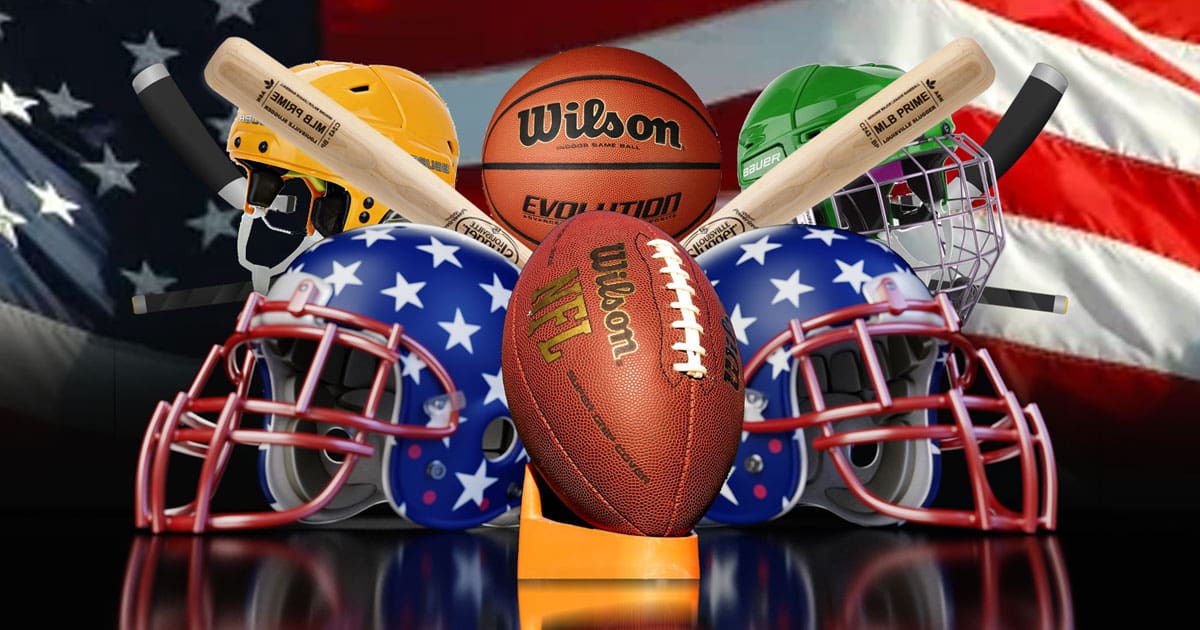
Conclusion: The Enduring Financial Spectacle of American Sports
Ultimately, the question of “what is America’s sport” can be answered not by a singular athletic pursuit, but by the sprawling and dynamic financial enterprise that surrounds it. While baseball may hold a historical claim, and football may command the most attention, the true American sport is the relentless pursuit of revenue, the masterful cultivation of brands, and the profound influence on consumer behavior that defines the business of athletics. It is a sport played not just on the field, but in boardrooms, advertising agencies, and living rooms across the nation. The economic engine powered by American sports is a testament to its deep cultural penetration and its unwavering ability to capture the attention and the wallets of millions. It is a multi-billion dollar game, and America is playing to win.
aViewFromTheCave is a participant in the Amazon Services LLC Associates Program, an affiliate advertising program designed to provide a means for sites to earn advertising fees by advertising and linking to Amazon.com. Amazon, the Amazon logo, AmazonSupply, and the AmazonSupply logo are trademarks of Amazon.com, Inc. or its affiliates. As an Amazon Associate we earn affiliate commissions from qualifying purchases.