
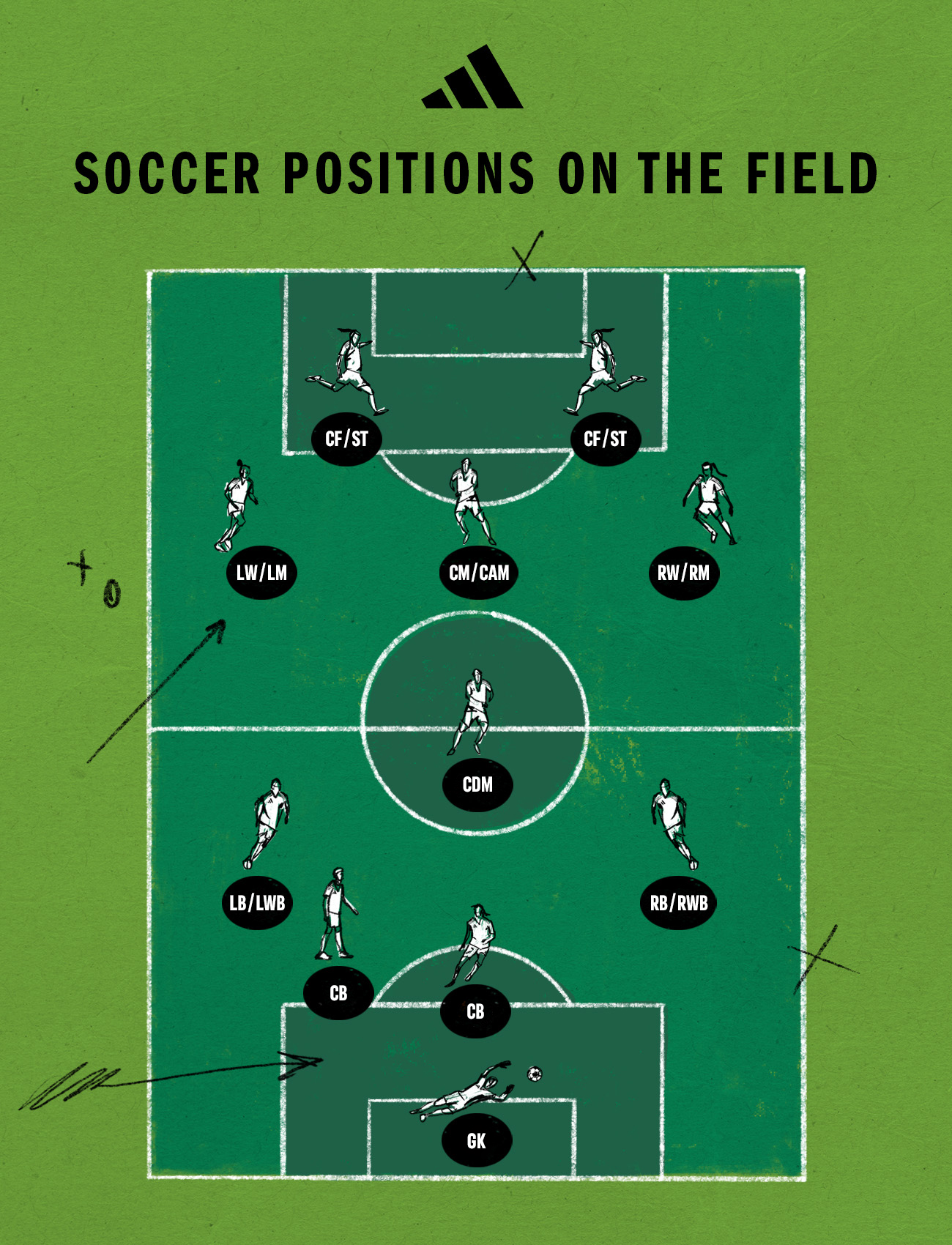
Football, the world’s most beloved sport, is a dynamic tapestry woven from individual skill, strategic brilliance, and collective execution. At its core, the efficacy of any team hinges on the precise understanding and masterful execution of player positions. While the fundamental roles have remained, the advent of sophisticated technology has profoundly reshaped how we analyze, train, and even define these positions. This article delves into the diverse positions within football, not just through the traditional lens of on-field responsibilities, but through the illuminating prism of technological advancements that are revolutionizing player development, performance analysis, and strategic deployment. From the goalkeeping glove equipped with sensors to the data analytics platform dissecting every pass, technology is an indispensable partner in understanding the intricate roles played on the pitch.
The Defensive Backbone: Guardians of the Goal and the Turf
The defensive unit forms the bedrock of any successful football team, tasked with thwarting opposition attacks and maintaining a strong organizational structure. Technology has significantly enhanced the capabilities and understanding of these crucial roles, moving beyond mere physical presence to a more data-informed approach to defensive strategy.
The Goalkeeper: More Than Just Reflexes
Once viewed primarily as a shot-stopper, the modern goalkeeper’s role has expanded exponentially, thanks in part to technological aids. Goalkeeping gloves, for instance, are now incorporating advanced materials for grip and protection, with some even featuring integrated sensors to track ball impact and hand speed. Beyond the equipment, performance analysis software provides goalkeepers with detailed insights into opposition penalty patterns, shot trajectories, and even psychological tells.
Data-Driven Positioning and Distribution
Goalkeepers are no longer passive recipients of shots; they are integral to initiating attacks. Analytics platforms help coaches and keepers understand optimal distribution angles, the likelihood of successful long passes based on opposition press, and the effectiveness of different throwing or kicking techniques. This data empowers goalkeepers to make more informed decisions about when to launch a counter-attack or when to maintain possession, turning them into a crucial first point of offensive build-up.
Biomechanical Analysis and Injury Prevention
The physical demands on goalkeepers are immense, involving explosive leaps, awkward landings, and rapid directional changes. Biomechanical analysis, utilizing motion capture technology and wearable sensors, helps identify potential injury risks in a goalkeeper’s technique. By analyzing joint angles, stride patterns, and impact forces, coaches can implement targeted training programs to improve efficiency and reduce the likelihood of injuries, ensuring their most vital defensive asset remains on the field.
The Central Defenders: Pillars of Resilience
Central defenders are the anchors of the backline, responsible for marshaling the defense, intercepting passes, and preventing opposition forwards from getting clear scoring opportunities. Technology has augmented their effectiveness by providing deeper insights into opponent tendencies and enabling more precise tactical execution.
Tactical Analytics and Opposition Profiling
Sophisticated video analysis software allows teams to meticulously break down opposition attacking strategies. For central defenders, this means detailed profiles of opposing strikers, including their preferred foot, movement patterns in the box, and tendencies during set-piece situations. This data informs their positioning, marking schemes, and duel strategies, making them more proactive rather than reactive.
Wearable Technology for Performance Monitoring
Wearable sensors, discreetly integrated into training attire, provide real-time data on a central defender’s physical output. Metrics such as distance covered, sprint intensity, acceleration and deceleration rates, and even heart rate variability offer valuable insights into their stamina, recovery needs, and overall match load. This allows coaches to tailor training regimes and manage fatigue effectively, ensuring peak performance throughout the season.
The Full-Backs/Wing-Backs: Dynamic Flank Controllers
The evolution of full-backs and wing-backs from primarily defensive roles to dynamic attacking threats is a testament to tactical innovation and the influence of modern training methodologies. Technology plays a key role in optimizing their dual responsibilities.
Spatial Awareness and Overlapping Runs
GPS tracking and video analysis help understand the spatial dynamics of the game. For full-backs, this means analyzing optimal times to make overlapping runs, how to create space for midfielders, and how to maintain defensive shape while contributing to the attack. Data on opponent defensive vulnerabilities on the flanks informs their positioning and decision-making during offensive transitions.
Stamina and Recovery Optimization
The high-mileage demands on modern full-backs require meticulous attention to their physical conditioning. Performance data from wearables helps monitor their energy expenditure and recovery cycles. This allows for personalized training plans, including specific strength and conditioning exercises, to ensure they can consistently contribute offensively without compromising defensive solidity, a balance increasingly facilitated by technological insights.
The Engine Room: Midfield Maestros of Control and Creativity
The midfield is the pulsating heart of a football team, dictating the tempo of the game, winning possession, and linking defense with attack. Technological advancements have elevated the understanding and execution of midfield roles to new levels of sophistication.
The Defensive Midfielder: The Shield and the Springboard
Often referred to as the “deep-lying playmaker” or “holding midfielder,” this player is crucial for breaking up opposition attacks and initiating team build-up. Technology enhances their ability to control the game’s tempo and disrupt opposition flow.
Positional Data and Pressing Effectiveness
Advanced analytics can quantify a defensive midfielder’s contribution to pressing and regaining possession. Data on tackle success rates, interceptions, and crucially, the effectiveness of their positional play in cutting off passing lanes, provides objective measures of their impact. Heatmaps generated from GPS data illustrate their coverage areas and work rate, allowing coaches to optimize their positioning relative to teammates and opposition movements.
Ball Retention and Passing Networks
The ability to retain possession under pressure and accurately distribute the ball is paramount for defensive midfielders. Passing network analysis, a product of sophisticated data processing, reveals how effectively they connect with other players, the types of passes they are most successful with, and how they contribute to maintaining team possession. This informs their decision-making on whether to play a safe pass or attempt a more progressive one.
The Central Midfielder/Box-to-Box: The All-Rounder
The quintessential box-to-box midfielder is a player of immense work rate, capable of contributing defensively and offensively across the entire pitch. Technology helps measure and optimize their dual threat.
Work Rate and Stamina Metrics
Wearable technology is invaluable for tracking the extensive distances covered by box-to-box midfielders. Metrics like total distance run, high-intensity sprints, and accelerations/decelerations provide a quantifiable measure of their work rate. This data allows coaches to ensure they are maintaining optimal energy levels and recovering effectively between matches, crucial for sustained performance.
Transitional Play Analysis
The ability of a box-to-box midfielder to seamlessly transition from defense to attack and vice versa is a key attribute. Data analytics can track their involvement in both phases, highlighting their contribution to counter-attacks and their effectiveness in supporting defensive transitions. This helps in refining their movement patterns and decision-making during these critical moments.
The Attacking Midfielder/Playmaker: The Creator of Chances
The attacking midfielder is the team’s creative hub, responsible for unlocking defenses with incisive passes, dribbling, and goal-scoring opportunities. Technology has amplified their creative output through enhanced analysis and training tools.
Passing Analytics and Chance Creation Metrics
Beyond simple pass completion rates, advanced analytics measure the “expected goals” (xG) generated by a player’s passes, the number of key passes that lead to shots, and assists. This provides a granular understanding of an attacking midfielder’s creative impact. Video analysis helps identify patterns in their dribbling, their ability to find pockets of space, and their effectiveness in creating overloads.
Vision and Decision-Making Under Pressure
While difficult to quantify directly, technology aids in improving a playmaker’s vision and decision-making. Simulation software can recreate various game scenarios, allowing players to practice decision-making in high-pressure situations. Furthermore, video analysis of successful and unsuccessful creative moments provides a feedback loop for improvement, helping them refine their tactical awareness and execution.
The Cutting Edge: Forward Players and Their Role in the Tech-Driven Game
The forward line represents the sharp end of the attacking spear, tasked with scoring goals and putting pressure on the opposition defense. Technology has profoundly impacted how these players are trained, analyzed, and deployed.
The Centre-Forward: The Target and the Finisher
The traditional centre-forward acts as a focal point for attacks, holding up play and finishing chances. Modern iterations, however, are often more mobile and versatile.
Movement Analytics and Defensive Disruption
Data analytics can track a centre-forward’s off-the-ball movement, identifying patterns that create space for teammates or disrupt opposition defensive structures. Metrics on their duels won, aerial ability, and effectiveness in pressing opposition centre-backs provide a comprehensive view of their contribution beyond just scoring.
Shooting Technique and Efficiency
High-speed cameras and biomechanical analysis can dissect a centre-forward’s shooting technique, identifying areas for improvement in power, accuracy, and trajectory. Shooting drills can be enhanced with technology that provides real-time feedback on ball speed and accuracy, helping to refine their finishing prowess and increase their goal-scoring efficiency.
The Wide Forwards/Wingers: Speed, Skill, and Strategic Threat
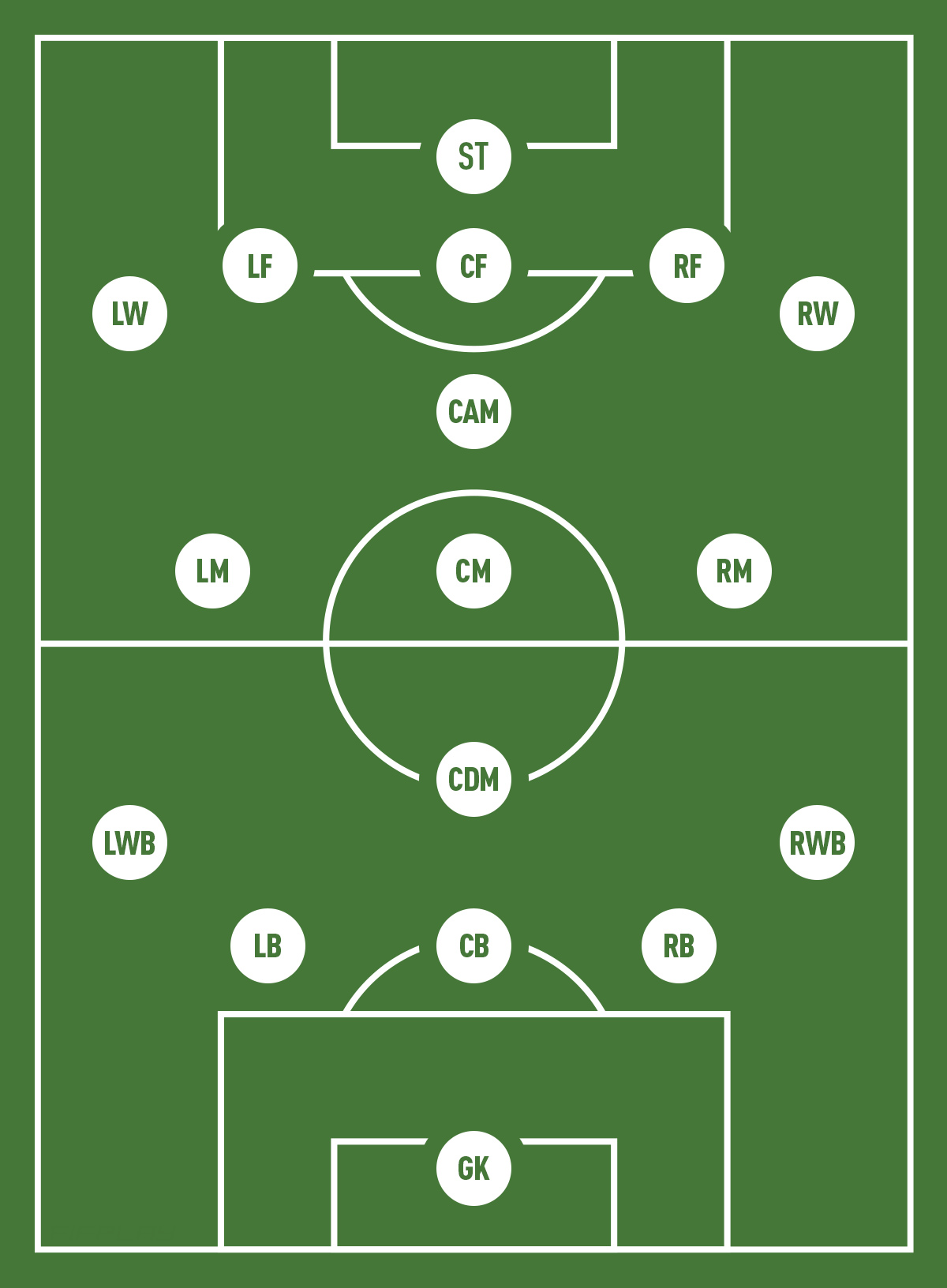
Wingers are known for their pace, dribbling ability, and crossing prowess, often tasked with stretching defenses and creating scoring opportunities from wide areas. Technology plays a significant role in optimizing their attacking threat.
Dribbling Analysis and Success Rates
Software can analyze a winger’s dribbling technique, identifying their most effective moves and decision-making processes when carrying the ball. Metrics on successful dribbles, the number of defenders beaten, and the resultant attacking actions (shots, passes) provide a clear picture of their impact.
Crossing Accuracy and Delivery Data
The effectiveness of a winger’s crosses is crucial for creating scoring chances. Data analytics can measure crossing accuracy, the type of cross delivered (low, driven, lofted), and the outcome of these deliveries. This feedback loop helps wingers refine their technique and choose the most advantageous moments and types of crosses to deliver, maximizing their contribution to the attack.
In conclusion, while the fundamental concepts of football positions remain timeless, the modern game is inextricably linked to technology. From the granular data generated by wearable sensors and analytical software to the advanced training tools that refine technique, technology is not just augmenting player performance; it is actively redefining our understanding of each role on the pitch. The positions in football are no longer just names and general responsibilities; they are increasingly defined by the sophisticated insights and tools that empower players and coaches to achieve new levels of excellence, ensuring the beautiful game continues to evolve and captivate us.
aViewFromTheCave is a participant in the Amazon Services LLC Associates Program, an affiliate advertising program designed to provide a means for sites to earn advertising fees by advertising and linking to Amazon.com. Amazon, the Amazon logo, AmazonSupply, and the AmazonSupply logo are trademarks of Amazon.com, Inc. or its affiliates. As an Amazon Associate we earn affiliate commissions from qualifying purchases.