
Micromanagement is a management style characterized by a manager’s excessive control over the work of their subordinates. This often manifests as a constant need to oversee every detail, dictate how tasks should be performed, and frequently check in on progress. While a manager’s intention might be to ensure high quality, efficiency, or to support their team, micromanagement often backfires, leading to decreased productivity, low morale, and a stifled work environment. Understanding what a micromanager is, how their behavior impacts a team, and how to navigate such situations is crucial for fostering a healthy and productive workplace.

The Hallmarks of Micromanagement: Recognizing the Signs
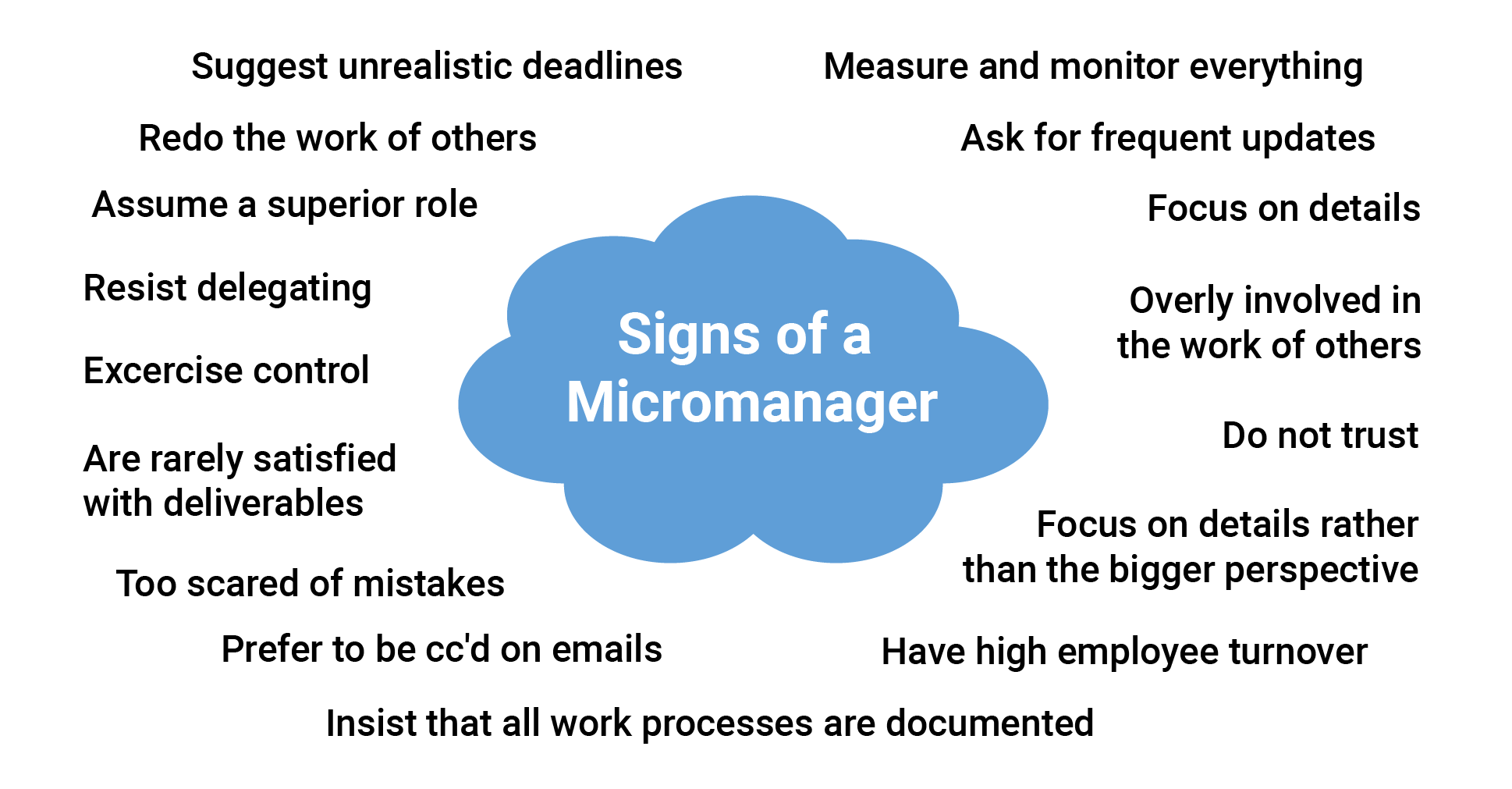
Distinguishing micromanagement from effective, engaged management can sometimes be subtle, but there are distinct behaviors that signal a micromanaging approach. These are not about a manager being invested in a project, but rather about an unhealthy obsession with granular control.
Excessive Task Delegation and Oversight
A key indicator of a micromanager is the way they delegate tasks. Instead of assigning an objective and allowing the employee to determine the best approach, a micromanager will often break down a task into incredibly small, specific steps. They might dictate the exact software to use, the precise wording for an email, or the exact order in which to complete sub-tasks, leaving little room for autonomy. This can extend to frequent, unsolicited “check-ins” that interrupt workflow and create a sense of constant surveillance rather than collaboration.
The Need for Constant Updates and Reporting
Micromanagers often require disproportionately frequent and detailed reports on even minor tasks. This could involve daily or even hourly updates on simple assignments, with managers scrutinizing every detail of the employee’s progress. This can manifest as requesting extensive documentation for every decision, no matter how small, and demanding justification for actions that are well within an employee’s purview. The underlying theme is a lack of trust in the employee’s ability to manage their own work effectively.
Dictating Processes and Discouraging Innovation
A hallmark of micromanagement is the rigid adherence to prescribed methods. Micromanagers often believe their way of doing things is the only correct way. This leads to discouraging or outright shutting down suggestions from employees who might have more efficient or creative solutions. The focus shifts from achieving a desired outcome to adhering to the manager’s specific, often inflexible, process. This can create an environment where employees are afraid to experiment or offer new ideas, fearing criticism or reprimand for deviating from the established norm.
Inability to Delegate Effectively
True delegation involves entrusting an employee with responsibility and authority to complete a task or project. Micromanagers, however, often struggle with this. They might delegate a task but then hover, interjecting with instructions, correcting minor errors in real-time, or even taking over parts of the task themselves. This is not delegation; it’s oversight disguised as assignment. The employee is left feeling like an errand runner rather than a valued team member empowered to contribute meaningfully.
The Detrimental Impact of Micromanagement on Team Dynamics
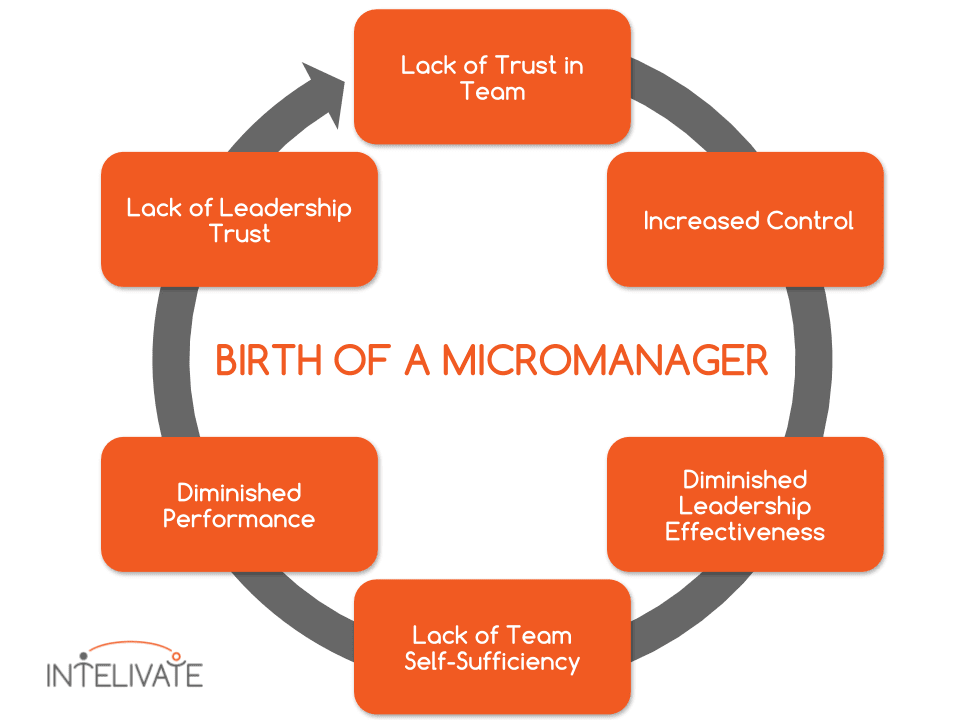
While a manager might believe they are being diligent, micromanagement has a profound and often negative impact on individuals, teams, and the overall organizational culture. The constant pressure and lack of autonomy can erode motivation and creativity, creating a toxic work environment.
Erosion of Trust and Autonomy
The most immediate casualty of micromanagement is trust. When a manager constantly second-guesses employees, revises their work excessively, and requires constant approval, it signals a fundamental lack of faith in their capabilities. This erodes the manager-employee relationship, making employees feel disempowered and undervalued. The absence of autonomy is a major demotivator. Employees want to feel trusted to manage their own responsibilities and contribute their unique skills. When this is taken away, job satisfaction plummets.
Decreased Employee Morale and Engagement
A constant state of being watched and corrected can be incredibly demoralizing. Employees may begin to dread coming to work, feeling that their efforts are never good enough or that they are constantly on the verge of making a mistake. This leads to decreased engagement, where employees do the bare minimum to avoid scrutiny, rather than striving for excellence. Passion and creativity are stifled, replaced by a sense of obligation and anxiety.
Stifled Creativity and Innovation
When employees are constantly told how to do things, rather than being empowered to figure it out themselves, their creative juices dry up. The fear of making a mistake or deviating from the manager’s preferred method discourages experimentation. Innovation, which often arises from trying new approaches and learning from both successes and failures, is severely hampered. This can lead to a team that is resistant to change and stuck in outdated practices, ultimately hindering the organization’s ability to adapt and grow.
Increased Stress and Burnout
The relentless oversight and pressure associated with micromanagement can lead to significant stress for employees. The feeling of never being able to get things right, coupled with the constant need to justify their actions, can be exhausting. This chronic stress can contribute to burnout, leading to decreased productivity, increased absenteeism, and higher employee turnover. Employees may feel constantly on edge, leading to a deterioration of their overall well-being.
Navigating the Micromanaged Workplace: Strategies for Employees
Being managed by a micromanager can be a challenging experience. However, there are proactive strategies employees can employ to mitigate the negative effects and foster a more productive working relationship, or at least survive and thrive.
Proactive Communication and Setting Expectations
The key to managing up with a micromanager is to be overly communicative and proactive. Anticipate their need for information and provide it before they ask. This involves regularly updating them on your progress, potential roadblocks, and proposed solutions. Clearly communicate your understanding of the task and your proposed approach upfront. By demonstrating that you are in control of your work and have thought through the process, you can sometimes preempt their need to intervene. Setting clear expectations at the outset of a project, by asking clarifying questions and confirming understanding, can also prevent misinterpretations that a micromanager might latch onto.
Demonstrating Reliability and Competence
The best way to disarm a micromanager is to consistently prove your reliability and competence. Deliver high-quality work on time, every time. Be meticulous in your tasks and pay close attention to detail. When you consistently meet and exceed expectations, it builds their confidence in your abilities, potentially lessening their need to hover. This doesn’t mean becoming a robot; it means executing your responsibilities with a high degree of professionalism and accuracy, thereby demonstrating that their oversight is becoming redundant.
Seeking Feedback and Understanding Their Concerns
Instead of waiting for criticism, actively seek feedback. Frame this as wanting to ensure you are meeting their expectations and aligning with their vision. Ask specific questions about areas where they tend to focus their attention. Understanding the root of their anxieties or their specific concerns can help you address them directly. Often, micromanagement stems from a manager’s own insecurities or past negative experiences. By showing you are receptive to their feedback and willing to adapt while maintaining your autonomy, you can foster a more collaborative environment.
Documenting Your Work and Decisions
Maintain thorough documentation of your work, decisions, and progress. This serves as a valuable reference point, both for you and for your manager. If they question a decision or process, you can refer back to your documentation as evidence of your thought process and actions. This also helps you stay organized and provides a clear trail of your contributions, which can be beneficial in performance reviews or if any issues arise.
When to Consider Moving On: Recognizing the Breaking Point
While many situations can be improved with strategic communication and consistent performance, there are times when micromanagement becomes so detrimental that it’s healthier to seek opportunities elsewhere. Recognizing these signs is crucial for maintaining your career growth and well-being.
Persistent Lack of Growth and Development
If a micromanager consistently prevents you from taking on new responsibilities, learning new skills, or advancing your career due to their need for control, it can be a significant roadblock. True growth requires opportunities to challenge yourself and learn from experience, which micromanagers often stifle. If you find yourself stagnant, with no prospect of development under their leadership, it’s a clear sign that their management style is hindering your professional trajectory.
A Consistently Toxic or Demoralizing Environment
When the work environment becomes consistently toxic, characterized by excessive stress, fear, or a pervasive sense of demoralization, it’s a serious concern. If your mental and physical health is suffering due to your manager’s behavior, and no amount of proactive effort has led to improvement, it’s time to consider your options. A workplace should be a place of professional development and contribution, not a source of chronic anxiety and unhappiness.
The Manager’s Unwillingness to Evolve
Ultimately, the effectiveness of dealing with a micromanager often hinges on their willingness to adapt. If you’ve tried various strategies, demonstrated your competence, and communicated your needs, but the manager remains entrenched in their micromanaging habits, it may be a sign that they are unlikely to change. In such cases, seeking a new role or team with a different leadership style might be the most pragmatic solution for your long-term success and well-being. A manager who is unwilling to delegate, trust, or empower their team is unlikely to foster a high-performing and happy workforce.
In conclusion, understanding what constitutes micromanagement is the first step towards addressing it. While well-intentioned, this style of management can have deeply negative consequences. For employees, navigating such a situation requires a combination of proactive communication, consistent performance, and a clear understanding of when to advocate for change or seek new opportunities. For organizations, fostering a culture of trust and empowering managers to delegate effectively is paramount to building motivated, productive, and innovative teams.
aViewFromTheCave is a participant in the Amazon Services LLC Associates Program, an affiliate advertising program designed to provide a means for sites to earn advertising fees by advertising and linking to Amazon.com. Amazon, the Amazon logo, AmazonSupply, and the AmazonSupply logo are trademarks of Amazon.com, Inc. or its affiliates. As an Amazon Associate we earn affiliate commissions from qualifying purchases.