
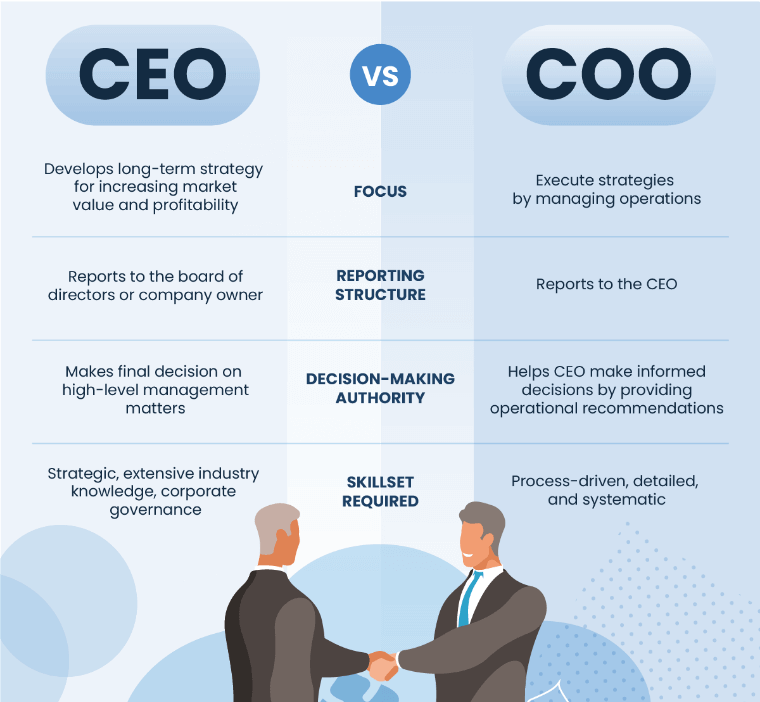
The term “COO” (Chief Operating Officer) is a familiar executive title in the corporate world, signifying the individual responsible for overseeing the day-to-day operations of a company. However, when transposed into the realm of government, its meaning and implications can become more nuanced, often reflecting a shift in focus from profit-driven efficiency to public service delivery and the effective management of vast, complex organizations. Understanding the role of a COO in government requires an appreciation of the unique challenges and mandates inherent in public sector entities, where accountability, public trust, and policy execution take precedence over financial returns. This article delves into the intricacies of the COO position within governmental structures, exploring its purpose, responsibilities, and the strategic importance it holds in modern governance.
The Evolving Landscape of Government Operations
Governmental bodies, by their very nature, are tasked with providing essential services, enforcing regulations, and shaping public policy. Unlike private sector organizations driven by market competition and shareholder value, governments operate within a framework of public accountability, legislative oversight, and constituent needs. This fundamental difference shapes the operational imperatives and the leadership roles within these entities. The increasing complexity of societal challenges, from public health crises to climate change, coupled with the constant demand for efficient and transparent service delivery, has necessitated a greater emphasis on sophisticated operational management within government.
The Imperative for Operational Excellence in Public Service
The traditional image of government operations might conjure bureaucratic processes and slow-moving departments. However, in the 21st century, there’s a growing recognition that operational excellence is not just desirable but crucial for effective governance. Citizens expect services to be delivered efficiently, reliably, and with a high degree of responsiveness. Failures in operational execution can have profound consequences, impacting public safety, economic stability, and overall societal well-being. This is where the role of a COO, or a functionally equivalent position, becomes indispensable. The COO acts as a linchpin, ensuring that the machinery of government runs smoothly and effectively to achieve its stated objectives.
Bridging the Gap Between Policy and Execution
A core challenge in government is translating broad policy objectives into tangible, on-the-ground actions. Policymakers set the vision and legislative frameworks, but it is the operational arm of government that brings these intentions to life. The COO plays a pivotal role in this translation process, ensuring that departmental strategies are aligned with overarching governmental goals and that the necessary resources, processes, and personnel are in place to achieve them. This involves not just managing existing operations but also driving innovation and reform to improve the delivery of public services and the effectiveness of governmental programs.
Defining the COO’s Mandate in Government
While the title “COO” might not be universally adopted across all government levels and departments, the functions it represents are increasingly being recognized and formalized. In essence, a government COO is an executive leader tasked with the efficient and effective management of an organization’s day-to-day operations to achieve its public service mission. This role transcends mere administrative duties, encompassing strategic planning, resource allocation, performance management, and the cultivation of a culture of accountability and continuous improvement.
Strategic Oversight of Day-to-Day Operations
At its heart, the COO’s mandate is to ensure that the operational gears of government are turning efficiently. This involves a deep understanding of an agency’s or department’s core functions, its service delivery models, and its underlying infrastructure. The COO is responsible for overseeing the implementation of operational strategies, identifying bottlenecks, and devising solutions to enhance productivity and service quality. This might include optimizing procurement processes, streamlining regulatory approvals, managing IT infrastructure, or ensuring the effective deployment of human capital.
Driving Efficiency and Resource Optimization
Governmental entities often operate with finite budgets and a constant need to demonstrate responsible stewardship of public funds. The COO is a key figure in ensuring that resources are allocated effectively and that waste is minimized. This involves implementing performance metrics, conducting operational audits, and identifying opportunities for cost savings through process improvements or technological adoption. The objective is not just to reduce expenditure but to maximize the impact and reach of public resources, ensuring that taxpayer money is used to deliver the greatest public benefit.
Fostering Accountability and Performance Management
A cornerstone of good governance is accountability. The COO is instrumental in establishing robust performance management systems that track progress against key objectives and service level agreements. This involves setting clear performance indicators, monitoring outcomes, and reporting on results to stakeholders, including elected officials and the public. By fostering a culture of accountability, the COO helps to ensure that government agencies are not only performing their duties but are doing so transparently and effectively, building public trust and confidence.
Key Responsibilities and Functional Areas
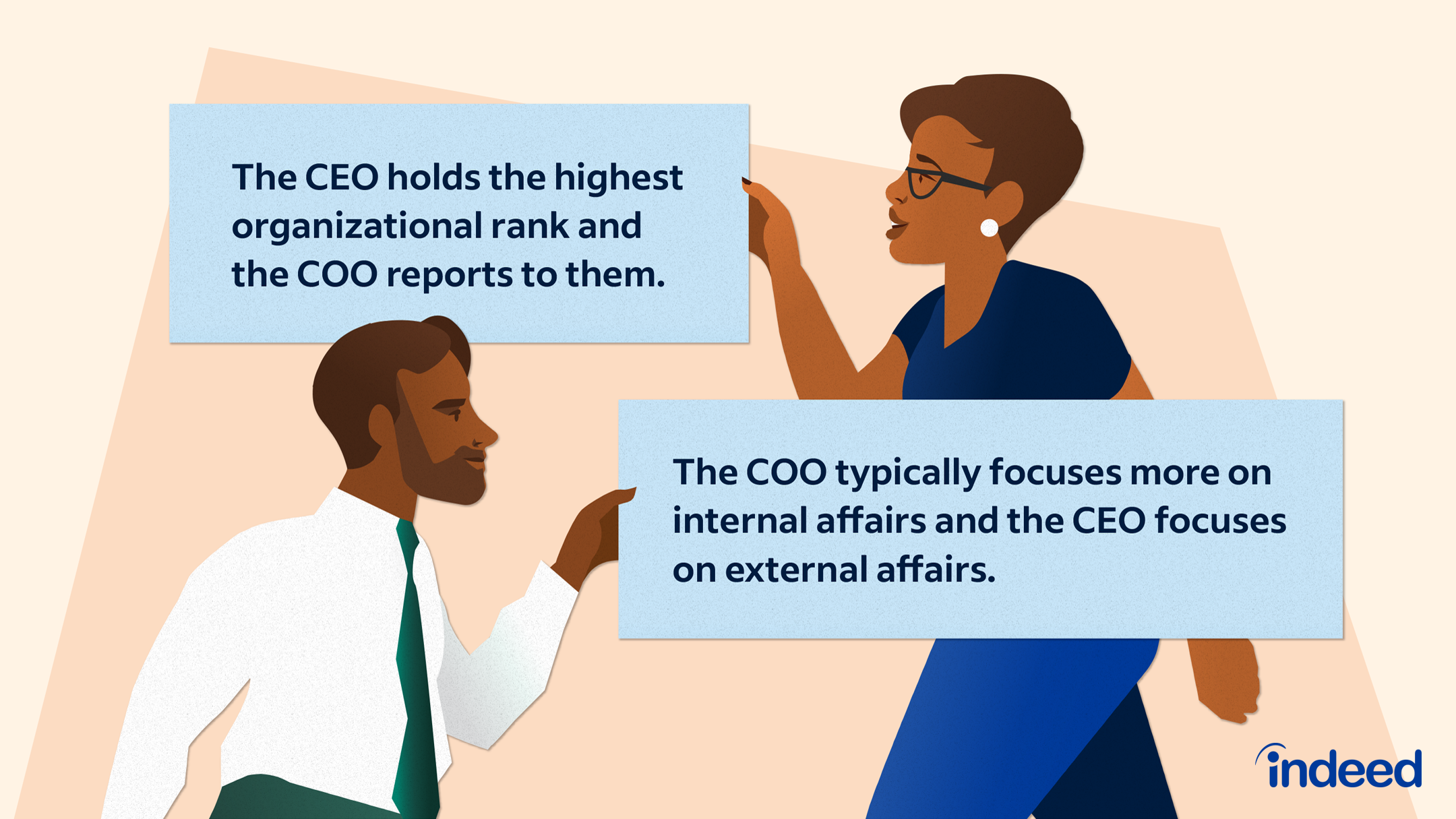
The responsibilities of a COO in government are broad and can vary significantly depending on the specific agency or department they serve. However, several core functional areas consistently fall under their purview. These areas are critical for the successful execution of governmental mandates and the delivery of public services.
Program and Service Delivery Management
Perhaps the most direct responsibility of a government COO is the oversight of program and service delivery. This involves ensuring that government programs, from social welfare initiatives to infrastructure development, are implemented as intended and that the public receives the services they are entitled to in a timely and equitable manner. The COO works to streamline processes, improve service accessibility, and address any operational impediments that hinder effective delivery. This could involve managing call centers, coordinating field operations, or overseeing the deployment of essential services during emergencies.
Infrastructure and Technology Modernization
In today’s digital age, government operations are heavily reliant on robust technological infrastructure. The COO often plays a crucial role in overseeing the modernization of IT systems, ensuring cybersecurity, and leveraging technology to enhance efficiency and transparency. This can include implementing new digital platforms for citizen services, optimizing data management, and ensuring that technological investments align with operational needs and strategic goals. Modernization is key to improving responsiveness, reducing administrative burdens, and providing more accessible and user-friendly government services.
Human Capital and Workforce Management
Government agencies are comprised of dedicated public servants, and the COO is responsible for ensuring that the workforce is effectively managed and deployed. This includes overseeing human resources functions, talent acquisition and retention, employee training and development, and fostering a productive and engaged organizational culture. In a public sector context, this also involves ensuring compliance with labor laws, promoting diversity and inclusion, and maintaining ethical standards within the workforce.
Risk Management and Business Continuity
Government entities face a unique set of risks, from natural disasters and cyberattacks to economic downturns and public health crises. The COO is often at the forefront of developing and implementing comprehensive risk management strategies and business continuity plans. This ensures that essential government functions can continue uninterrupted in the face of adversity, safeguarding public safety and maintaining essential services. This involves identifying potential risks, developing mitigation strategies, and establishing protocols for emergency response and recovery.
Strategic Impact and the Future of Government Operations
The presence of a dedicated COO, or a similarly empowered operational leader, signifies a maturing approach to government management. It reflects a recognition that effective governance requires not only visionary leadership and sound policy but also the disciplined execution of operations. As governments grapple with increasingly complex societal demands and the need for greater public accountability, the strategic impact of operational excellence becomes ever more pronounced.
Enhancing Public Trust Through Operational Prowess
Public trust is the bedrock of any democratic government. When government agencies operate efficiently, deliver services reliably, and manage public resources responsibly, it directly contributes to building and maintaining that trust. The COO, by focusing on the smooth and effective functioning of government operations, plays a direct role in demonstrating competence and commitment to public service, thereby bolstering public confidence in governmental institutions.
Driving Innovation and Adaptability in Public Service
The world is constantly changing, and so too must government. The COO is a key driver of innovation within governmental operations, encouraging the adoption of new technologies, the refinement of processes, and the exploration of novel approaches to service delivery. By fostering an environment that embraces continuous improvement and adaptability, the COO helps to ensure that government remains responsive to the evolving needs of its citizens and is equipped to tackle future challenges effectively. This proactive approach to operational management is essential for long-term governmental relevance and success.

The COO as a Catalyst for Modern Governance
In conclusion, the COO in government is more than just an administrative position; it is a strategic role that bridges policy and execution, drives efficiency, and underpins public trust. As governments worldwide strive to become more effective, responsive, and accountable, the principles embodied by the COO role – operational excellence, strategic resource management, and a commitment to public service – will become increasingly central to the successful functioning of public sector organizations. The evolution of this role reflects a fundamental shift towards a more professionalized and performance-driven approach to public administration, ensuring that government can meet the complex demands of the 21st century.
aViewFromTheCave is a participant in the Amazon Services LLC Associates Program, an affiliate advertising program designed to provide a means for sites to earn advertising fees by advertising and linking to Amazon.com. Amazon, the Amazon logo, AmazonSupply, and the AmazonSupply logo are trademarks of Amazon.com, Inc. or its affiliates. As an Amazon Associate we earn affiliate commissions from qualifying purchases.