
For the modern consumer, airfare often represents one of the most significant discretionary expenses in a household budget. Unlike fixed costs such as rent or insurance, the price of an airline ticket is notoriously volatile, fluctuating based on algorithms that prioritize airline profitability over consumer savings. Understanding “when” to buy an airline ticket is no longer a matter of luck; it is a discipline of personal finance and strategic market timing. By treating airfare as a volatile asset—similar to a stock or a commodity—travelers can apply rigorous financial principles to ensure they are capturing the best possible value for their money.
The Economics of Airfare: Understanding Pricing Volatility
To master the timing of a purchase, one must first understand the underlying economic forces that dictate ticket prices. Airlines utilize a sophisticated system known as “Yield Management” or “Revenue Management.” This is a variable pricing strategy based on anticipating and influencing consumer behavior to maximize revenue from a fixed, time-limited resource: the airplane seat.
The Role of Dynamic Pricing Algorithms
Airlines do not set a single price for a seat. Instead, they divide the cabin into “fare buckets.” As seats are sold, lower-priced buckets are closed, and only higher-priced ones remain. These algorithms monitor search volume, competitor pricing, and historical data in real-time. From a financial perspective, the “good time” to buy is when the algorithm perceives a lull in demand or when a new “bucket” of promotional fares is released to stimulate cash flow for the airline.
Supply, Demand, and the Scarcity Principle
Airfare follows the fundamental law of supply and demand, but with a twist: the product is highly perishable. Once a flight departs, the value of an empty seat drops to zero. Consequently, airlines face a delicate balancing act. They must keep prices high enough to maintain brand value and cover operational costs, but low enough to ensure high load factors. Investors in personal travel must recognize that during peak periods—such as summer holidays or end-of-year festivities—demand is inelastic. In these scenarios, the “good time” to buy is almost always as early as possible, as the probability of prices dropping is statistically negligible.
Timing Your Purchase: The Golden Windows of Opportunity
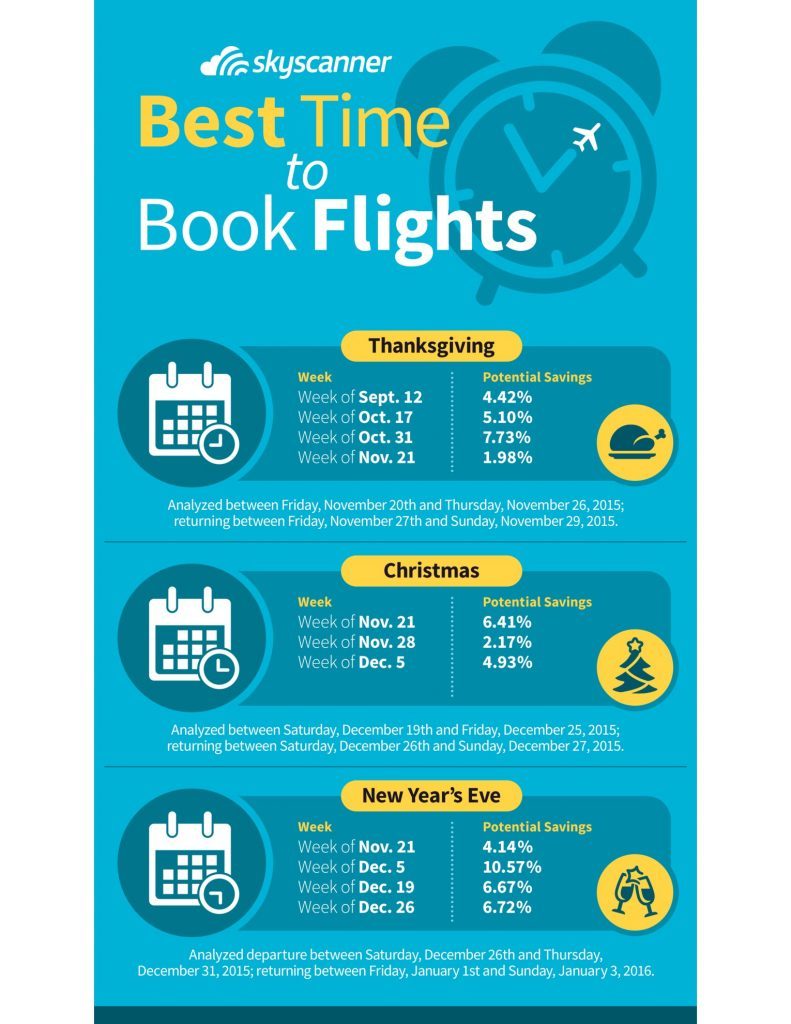
Timing a market is difficult, but historical data provides a roadmap for the “Booking Window”—the period during which prices are statistically at their lowest. Approaching this window requires a shift from impulsive spending to calculated acquisition.
The Domestic and International Sweet Spots
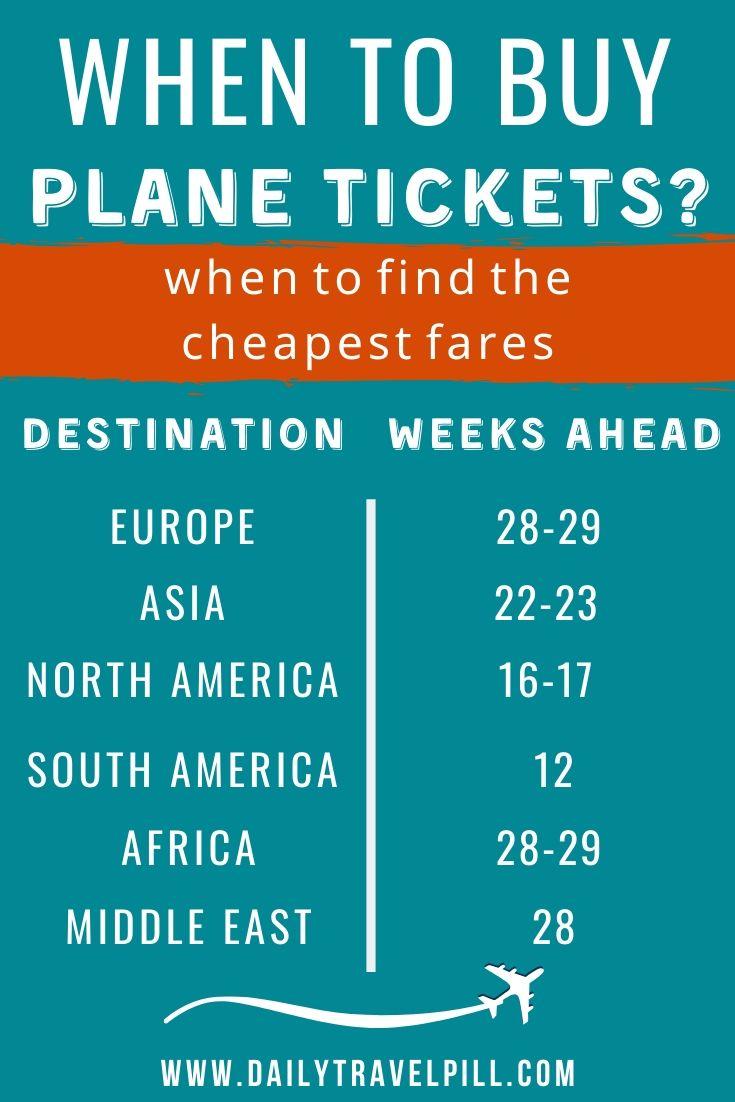
For domestic travel, the consensus among financial analysts and travel data scientists is that the “Goldilocks Window” typically falls between one and three months before departure. Purchasing too early (more than six months out) often means missing out on promotional cycles, as airlines haven’t yet felt the pressure to fill seats. Conversely, purchasing within 21 days of departure triggers “business traveler” pricing, where airlines capitalize on the inelastic demand of corporate flyers who are less price-sensitive.
For international routes, the window shifts significantly. Because these flights require more logistical planning, the optimal financial window is usually three to seven months in advance. Buying an international ticket during this period allows the traveler to avoid the steep price hikes that occur as the departure date nears and seat inventory dwindles.
The Mid-Week Advantage and Seasonal Arbitrage
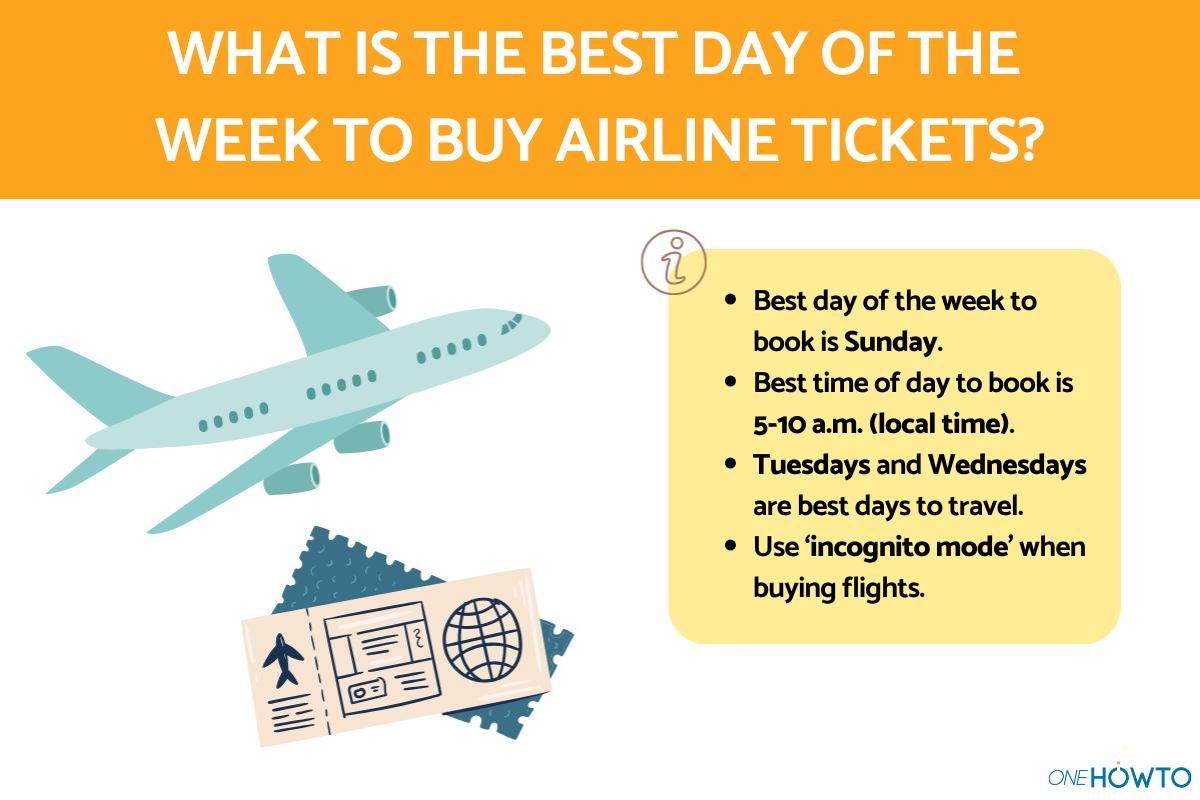
There is a persistent myth that booking on a Tuesday at midnight yields the lowest prices. While the specific day of booking has become less relevant due to 24/7 algorithmic adjustments, the day of departure remains a critical financial variable. Flights on Tuesdays and Wednesdays are consistently cheaper than those on Fridays or Sundays. By shifting a trip by just 24 to 48 hours, a traveler can often realize a 20% to 30% reduction in cost, representing a high return on the “investment” of flexibility.
Leveraging Financial Tools for Lower Fares
In the digital age, a “good time” to buy is often dictated by the tools you use to monitor the market. To maximize your travel budget, you must utilize financial technology (FinTech) and credit strategies that provide a hedge against price volatility.
Utilizing Fare Tracking and Price Protection
The most effective way to identify a price drop is through automated tracking. Tools that use predictive analytics can alert you when a price is at its “bottom” for a specific route. From a money management perspective, this removes the emotional stress of “clicking buy” too early. Furthermore, some high-end credit cards and travel booking platforms offer “price protection” or “price drop guarantees.” If the fare decreases after your purchase, these financial tools can refund the difference, effectively de-risking the purchase.
The Role of Rewards Points and Arbitrage
For the savvy personal financier, the “best time” to buy is often when you can achieve a high “Cent Per Point” (CPP) value. Using airline miles or credit card rewards points is a form of currency arbitrage. When cash prices are high—such as during an emergency or a last-minute business trip—the value of a fixed-rate mile increases. If a flight costs $1,000 but can be purchased for 50,000 miles, you are realizing a value of 2 cents per mile. If the cash price drops to $400, it is financially wiser to save the miles and pay cash, preserving your “points capital” for a higher-value opportunity.
Behavioral Finance and the “Last-Minute” Myth
Psychology plays a massive role in how we spend money on travel. Many travelers fall into cognitive traps that lead to poor financial outcomes. Understanding these biases is essential to determining the right time to commit to a purchase.
Overcoming the Sunk Cost Fallacy and Procrastination
The “Last-Minute Deal” is a relic of a bygone era. Modern revenue management systems are designed to extract maximum profit from last-minute buyers. Travelers often wait, hoping for a “price crash” that never comes, eventually paying a 50% premium due to the “Procrastination Penalty.” From a behavioral finance standpoint, it is better to set a “strike price”—a realistic price you are willing to pay based on historical averages—and execute the trade as soon as the market hits that number.
The Financial Risk of “Hidden City” Ticketing
In an attempt to outsmart airline pricing, some travelers use “hidden city” ticketing (booking a flight with a layover in their actual destination and skipping the second leg). While this can offer short-term savings, it carries significant financial and “brand” risk with the airline. Frequent flyer accounts can be shuttered, and “points wealth” can be confiscated. A sound financial strategy prioritizes long-term stability and the preservation of assets over risky, short-term loopholes.
Long-Term Financial Planning for Frequent Travelers
Buying an airline ticket should not be an isolated financial event. Instead, it should be integrated into a broader strategy of personal wealth management and budgeting.
Establishing a Dedicated Travel Fund
To avoid the high interest rates associated with carrying a balance on a credit card, travelers should treat airfare as a planned expense. By allocating a specific percentage of monthly income into a high-yield savings account or a dedicated “travel fund,” the buyer ensures they have the liquidity to strike when a “good time” (a price drop) occurs. Being “cash-ready” allows you to take advantage of flash sales that those without immediate liquidity must pass up.
Assessing the Opportunity Cost of Overpaying
Every dollar overpaid for an airline ticket is a dollar that could have been invested in a diversified portfolio or used to enhance the travel experience itself (e.g., better accommodations or excursions). When we ask “when is a good time to buy,” we are really asking how to minimize the opportunity cost of our travel. By adhering to a disciplined booking window, using tracking tools, and understanding the mechanics of dynamic pricing, we protect our capital.
In conclusion, the “good time” to buy an airline ticket is a convergence of three factors: the statistical low-point of the booking window (1-3 months for domestic, 3-7 for international), the utilization of mid-week departure flexibility, and the readiness of the buyer to execute a transaction when a predetermined “strike price” is met. By stripping away the mystery of airfare pricing and approaching it with the rigor of a financial analyst, you can transform travel from a burdensome expense into a well-managed component of your overall financial life.
aViewFromTheCave is a participant in the Amazon Services LLC Associates Program, an affiliate advertising program designed to provide a means for sites to earn advertising fees by advertising and linking to Amazon.com. Amazon, the Amazon logo, AmazonSupply, and the AmazonSupply logo are trademarks of Amazon.com, Inc. or its affiliates. As an Amazon Associate we earn affiliate commissions from qualifying purchases.