
A 501(c)(3) nonprofit organization is a classification under the U.S. Internal Revenue Code that grants tax-exempt status to organizations operating for charitable, religious, educational, scientific, literary, testing for public safety, fostering national or international amateur sports competition, or preventing cruelty to children or animals purposes. This designation is a cornerstone of the philanthropic sector, enabling countless organizations to fulfill their missions by providing significant financial and operational advantages. Understanding the intricacies of a 501(c)(3) is crucial for anyone involved in or considering establishing a nonprofit entity, as it dictates fundraising capabilities, operational guidelines, and public trust.
The Foundation of Tax Exemption: Understanding 501(c)(3) Status
The heart of what defines a 501(c)(3) organization lies in its tax-exempt status granted by the Internal Revenue Service (IRS). This exemption is not merely a bureaucratic formality; it’s the bedrock upon which these organizations build their capacity to serve the public good. Without it, the financial burden would be insurmountable for most, hindering their ability to pursue their noble objectives.
Federal Income Tax Exemption
The most prominent benefit of 501(c)(3) status is exemption from federal income tax. This means that the organization’s earnings are not taxed, allowing all available funds to be channeled directly into its programs and operations. This is a fundamental difference from for-profit businesses, where profits are subject to corporate income tax. For a nonprofit, “profit” is reinvested rather than distributed to shareholders. This enables organizations to operate more efficiently and maximize their impact on the communities they serve.
Deductibility of Contributions
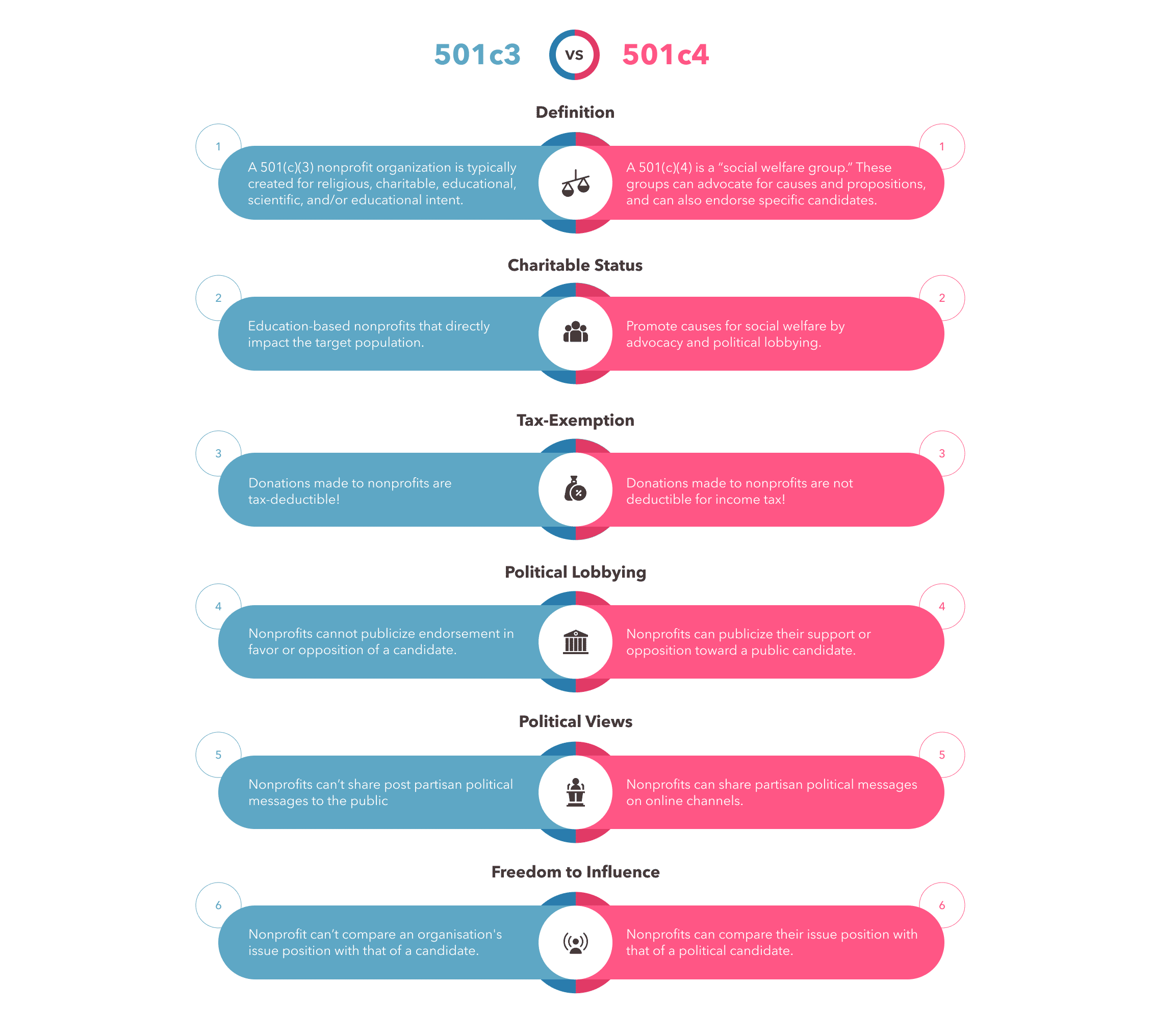
Perhaps the most significant implication for fundraising, and thus for the operational viability of a 501(c)(3), is that contributions made to these organizations are generally tax-deductible for the donor. This incentive encourages individuals, corporations, and foundations to support charitable causes, as they can reduce their own tax liability by giving. This deductibility is a powerful driver of philanthropic giving and is a primary reason why organizations strive to achieve and maintain 501(c)(3) status. Donors can feel confident that their contributions are supporting legitimate public benefit activities, further solidifying the trust placed in these organizations.
State and Local Tax Benefits
Beyond federal taxes, 501(c)(3) organizations often qualify for exemptions from state and local taxes as well. This can include sales tax, property tax, and state income tax. These additional savings further enhance the financial health of the organization, allowing for even greater allocation of resources towards programmatic activities and mission fulfillment. The cumulative effect of these tax exemptions is substantial, enabling nonprofits to achieve greater scale and impact than would otherwise be possible.
Eligibility Requirements and Operational Guidelines
Attaining and retaining 501(c)(3) status is not automatic; it requires adherence to specific IRS regulations and ongoing compliance. The IRS scrutinizes applications to ensure that the organization’s purpose and activities align with the public benefit criteria.
Permissible Purposes for 501(c)(3) Status
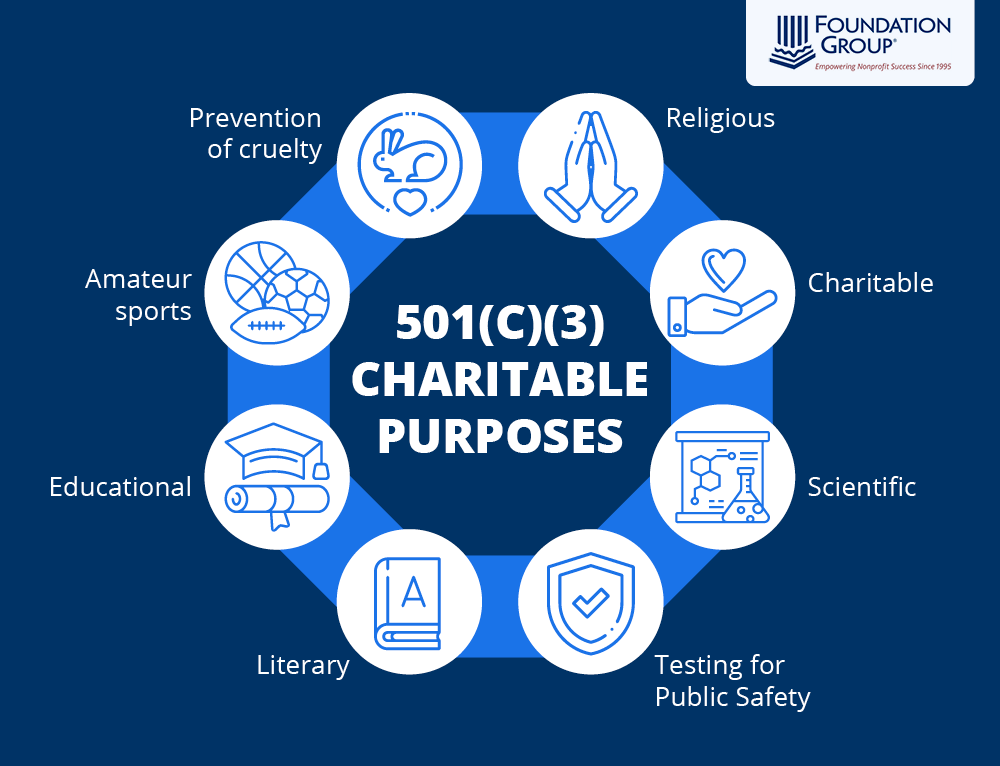
The IRS outlines specific categories for which an organization can qualify for 501(c)(3) status. These are:
- Charitable: This is the broadest category and includes organizations that relieve poverty, advance education, provide health services, or benefit the community in other ways.
- Religious: This includes churches, synagogues, mosques, and other organizations whose primary purpose is religious worship or instruction.
- Educational: This encompasses schools, colleges, universities, museums, and organizations that conduct research or provide educational programs.
- Scientific: Organizations dedicated to scientific research and the dissemination of scientific knowledge fall into this category.
- Literary: This category includes organizations that promote literature, writing, and reading.
- Testing for Public Safety: Organizations that test consumer products for safety are eligible.
- Fostering National or International Amateur Sports Competition: This allows organizations that promote amateur sports to qualify.
- Preventing Cruelty to Children or Animals: Organizations dedicated to the welfare of children and animals are covered.
It is imperative that an organization’s stated purpose and actual operations fall squarely within at least one of these categories.
Prohibitions on Private Benefit and Political Activity
A critical aspect of 501(c)(3) status is the prohibition against benefiting private individuals or engaging in excessive political activity.
- Prohibition of Private Inurement and Private Benefit: This means that the organization’s net earnings cannot inure to the benefit of any private shareholder or individual. Salaries paid to employees and officers must be reasonable and commensurate with the services rendered. The organization cannot be used as a vehicle to enrich founders, board members, or other private parties.
- Limitations on Political Campaign Intervention: 501(c)(3) organizations are generally prohibited from directly or indirectly participating or intervening in any political campaign on behalf of, or in opposition to, any candidate for public office. While they can engage in lobbying to influence legislation, this activity must be insubstantial in relation to the organization’s overall activities. This strict rule ensures that tax-exempt status is reserved for entities focused on public service rather than partisan politics.
Record Keeping and Reporting Requirements
Maintaining 501(c)(3) status requires diligent record-keeping and adherence to annual reporting obligations.
- Annual Filing of Form 990 Series: Most 501(c)(3) organizations must file an annual information return with the IRS, typically Form 990, Form 990-EZ, or Form 990-N, depending on their gross receipts and assets. These forms provide a transparent overview of the organization’s finances, governance, and activities.
- Maintaining Accurate Financial Records: Comprehensive and accurate financial records are essential for demonstrating compliance with tax laws and for internal accountability. This includes keeping track of all income, expenses, assets, and liabilities. Good record-keeping is not only an IRS requirement but also a fundamental aspect of responsible nonprofit management.
The Process of Obtaining 501(c)(3) Status
Securing 501(c)(3) designation involves a formal application process with the IRS, which can be detailed and time-consuming.
Application for Recognition of Exemption (Form 1023)
The primary mechanism for seeking 501(c)(3) status is by submitting Form 1023, Application for Recognition of Exemption Under Section 501(c)(3) of the Internal Revenue Code. This extensive application requires detailed information about the organization’s mission, governance structure, planned activities, financial projections, and governing documents (such as articles of incorporation and bylaws). The IRS reviews this application to determine if the organization meets all the requirements for tax-exempt status.
State-Level Registration and Compliance
In addition to federal tax exemption, most states require nonprofits to register with their state agencies, often for charitable solicitation purposes. This can involve registering with the state’s Attorney General or Secretary of State. Compliance with state-specific regulations, such as annual reports and fundraising permits, is also crucial. These state-level requirements ensure transparency and accountability to the public within the state’s jurisdiction.
Understanding the “Public Charity” vs. “Private Foundation” Distinction
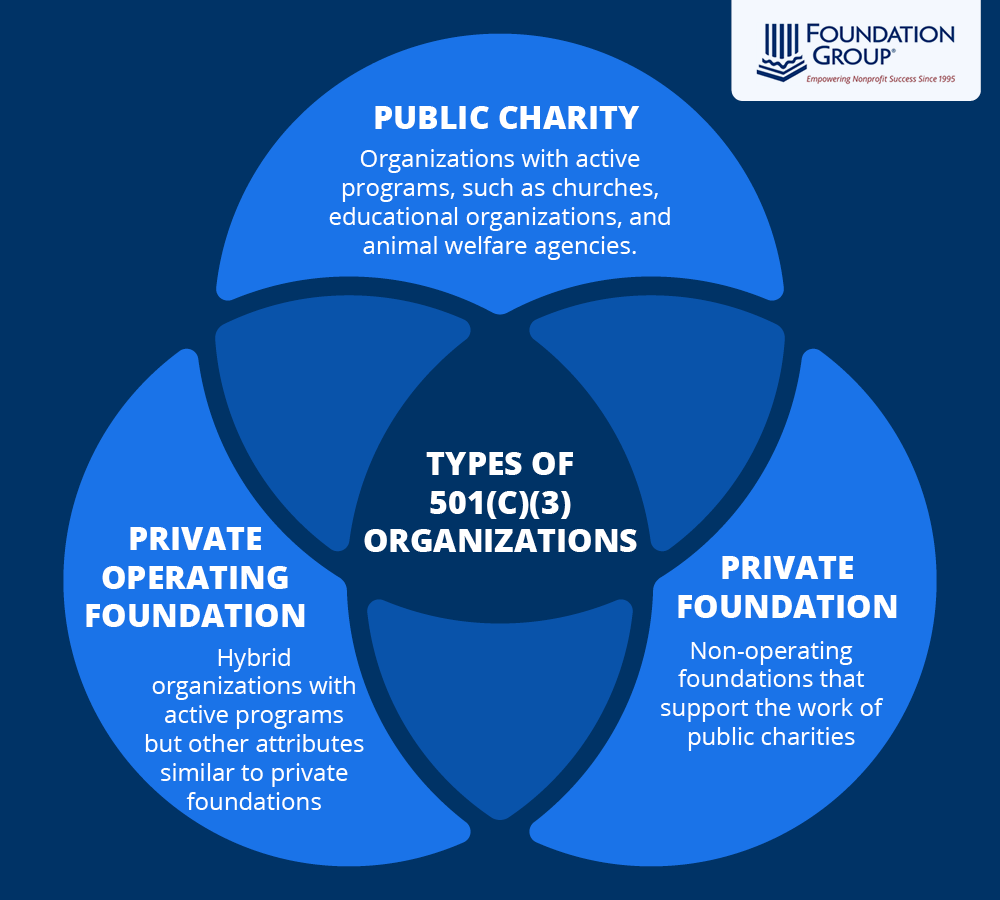
Upon approval, 501(c)(3) organizations are further categorized as either public charities or private foundations. This distinction has significant implications for how they operate and receive support.
- Public Charities: These organizations generally receive broad public support from many sources, such as individual donors, grants from other public charities, and government agencies. They are subject to fewer restrictions on their activities and fundraising than private foundations. Examples include many educational institutions, hospitals, and broadly supported religious organizations.
- Private Foundations: These organizations are typically funded by a single source or a small number of sources, often a family or a corporation. They are subject to more stringent regulations, including excise taxes on net investment income and minimum distribution requirements to ensure that their assets are used for charitable purposes.
The classification as a public charity or private foundation is determined by the IRS based on the organization’s funding sources and activities. Most organizations aspire to be classified as public charities due to their greater operational flexibility and broader fundraising potential.
The Broader Impact and Importance of 501(c)(3) Organizations
The existence and proliferation of 501(c)(3) organizations are vital to the fabric of American society, addressing needs that government and for-profit entities may not adequately serve.
Filling Gaps in Societal Needs
Nonprofit organizations are often on the front lines, addressing critical societal issues ranging from poverty and hunger to environmental protection, disease research, and cultural enrichment. They provide essential services, advocate for vulnerable populations, and foster community engagement in ways that are unique and indispensable. Their ability to be mission-driven, rather than profit-driven, allows them to tackle complex and often underserved areas.
Fostering Civic Engagement and Community Building
Beyond their direct services, 501(c)(3)s are powerful engines of civic engagement. They provide opportunities for individuals to volunteer their time and skills, connect with like-minded individuals, and contribute to causes they believe in. This fosters a sense of community, strengthens social bonds, and empowers citizens to be active participants in improving their world.
Driving Innovation and Social Change
Many groundbreaking innovations and significant social movements have originated within or been championed by 501(c)(3) organizations. Their ability to focus on specific missions, experiment with new approaches, and mobilize resources makes them ideal incubators for change. They often pioneer solutions to pressing problems, which can later be adopted or scaled by government or the private sector.
In conclusion, a 501(c)(3) nonprofit organization is more than just a tax designation; it represents a commitment to serving the public good. Understanding its structure, requirements, and the immense value it brings to society is fundamental for anyone seeking to contribute to or lead in the philanthropic sector. These organizations are indispensable partners in building a more just, equitable, and thriving world.
aViewFromTheCave is a participant in the Amazon Services LLC Associates Program, an affiliate advertising program designed to provide a means for sites to earn advertising fees by advertising and linking to Amazon.com. Amazon, the Amazon logo, AmazonSupply, and the AmazonSupply logo are trademarks of Amazon.com, Inc. or its affiliates. As an Amazon Associate we earn affiliate commissions from qualifying purchases.