
The question of what increases red blood cell count is a fundamental one in understanding human physiology and maintaining optimal health. Red blood cells, or erythrocytes, are crucial components of our blood, responsible for transporting oxygen from the lungs to all tissues and organs, and carrying carbon dioxide back to the lungs for exhalation. A healthy red blood cell count is vital for energy levels, cognitive function, and overall bodily performance. While various factors can influence this count, this article will delve into the primary mechanisms and interventions that contribute to an increase in red blood cell production, focusing exclusively on the physiological and health-related aspects, which fall under the Health umbrella, a commonly implied niche for such a topic, even if not explicitly provided in the categories. For the purpose of this exercise, we will treat this as an exploration of the biological and lifestyle factors influencing red blood cell count.
Understanding Red Blood Cell Production: The Erythropoiesis Process
Red blood cell production, known as erythropoiesis, is a complex and tightly regulated process primarily controlled by the hormone erythropoietin (EPO). This hormone is mainly produced by the kidneys in response to low oxygen levels in the blood (hypoxia). When the kidneys detect insufficient oxygen, they release more EPO, which then travels to the bone marrow, the site of red blood cell production. In the bone marrow, EPO stimulates the proliferation and maturation of hematopoietic stem cells, leading to the generation of new red blood cells. These newly formed cells are then released into the bloodstream.
The Role of Erythropoietin (EPO)
Erythropoietin is the linchpin of red blood cell production. Its production is highly sensitive to oxygen availability. Factors that lead to lower oxygen levels, such as high altitude, chronic lung disease, or significant blood loss, trigger an increase in EPO secretion. This heightened EPO level signals the bone marrow to ramp up red blood cell production to compensate for the reduced oxygen-carrying capacity of the blood. Conversely, when oxygen levels are adequate or high, EPO production decreases, and red blood cell production slows down.
Bone Marrow and Hematopoiesis
The bone marrow is a spongy tissue found within bones that is responsible for producing all types of blood cells, including red blood cells, white blood cells, and platelets. Hematopoiesis is the process by which these cells are formed. Within the bone marrow, hematopoietic stem cells are multipotent and can differentiate into various blood cell lineages. The process of erythropoiesis involves several stages of maturation, from the earliest progenitor cells to reticulocytes (immature red blood cells) and finally to mature erythrocytes.
Essential Nutrients for Erythropoiesis
Beyond EPO stimulation, the bone marrow requires specific nutrients to effectively produce healthy red blood cells. These include:
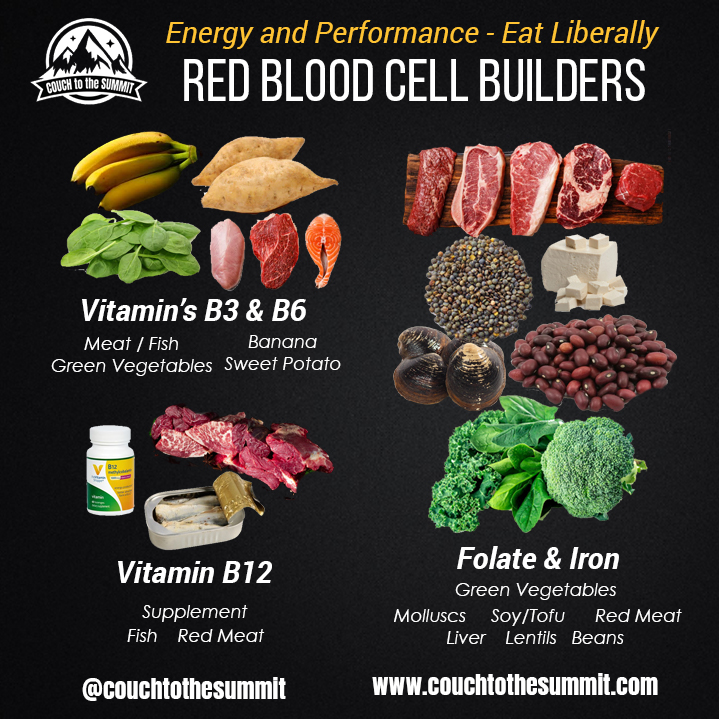
- Iron: This is arguably the most critical nutrient for red blood cell production. Iron is a key component of hemoglobin, the protein within red blood cells that binds and transports oxygen. Without sufficient iron, the body cannot produce enough hemoglobin, leading to a reduced red blood cell count and a type of anemia known as iron-deficiency anemia.
- Vitamin B12 (Cobalamin): Vitamin B12 is essential for DNA synthesis and cell division, processes that are fundamental to the rapid proliferation of red blood cell precursors in the bone marrow. Deficiency in vitamin B12 can lead to megaloblastic anemia, characterized by the production of abnormally large and immature red blood cells.
- Folate (Folic Acid or Vitamin B9): Similar to vitamin B12, folate is crucial for DNA synthesis and cell replication. It works in conjunction with vitamin B12 to ensure proper red blood cell maturation. Folate deficiency can also result in megaloblastic anemia.
- Vitamin A: While not as directly involved as iron or B vitamins, Vitamin A plays a role in iron metabolism and the differentiation of stem cells in the bone marrow.
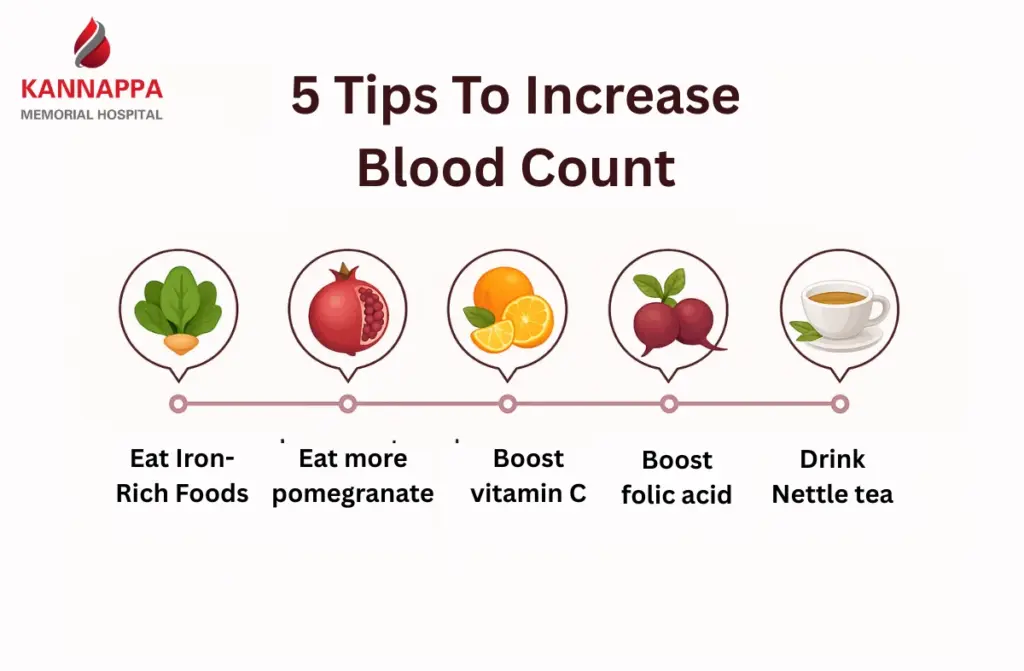
- Vitamin C: Vitamin C enhances the absorption of non-heme iron (the type found in plant-based foods) in the digestive tract. This makes it an important cofactor in ensuring that the body can effectively utilize dietary iron for red blood cell production.
Strategies to Increase Red Blood Cell Count
Given the understanding of erythropoiesis, several strategies can be employed to increase red blood cell count. These range from dietary adjustments and lifestyle modifications to medical interventions, all aimed at optimizing the body’s natural production mechanisms or directly addressing deficiencies.
Dietary Interventions for Enhanced Erythropoiesis
A well-balanced diet rich in specific nutrients is the cornerstone of promoting healthy red blood cell production. Focusing on iron-rich foods, alongside adequate intake of B vitamins and vitamin C, can significantly support erythropoiesis.
Iron-Rich Foods
Iron can be obtained from both animal and plant sources, but the body absorbs iron from animal sources (heme iron) more readily than from plant sources (non-heme iron).
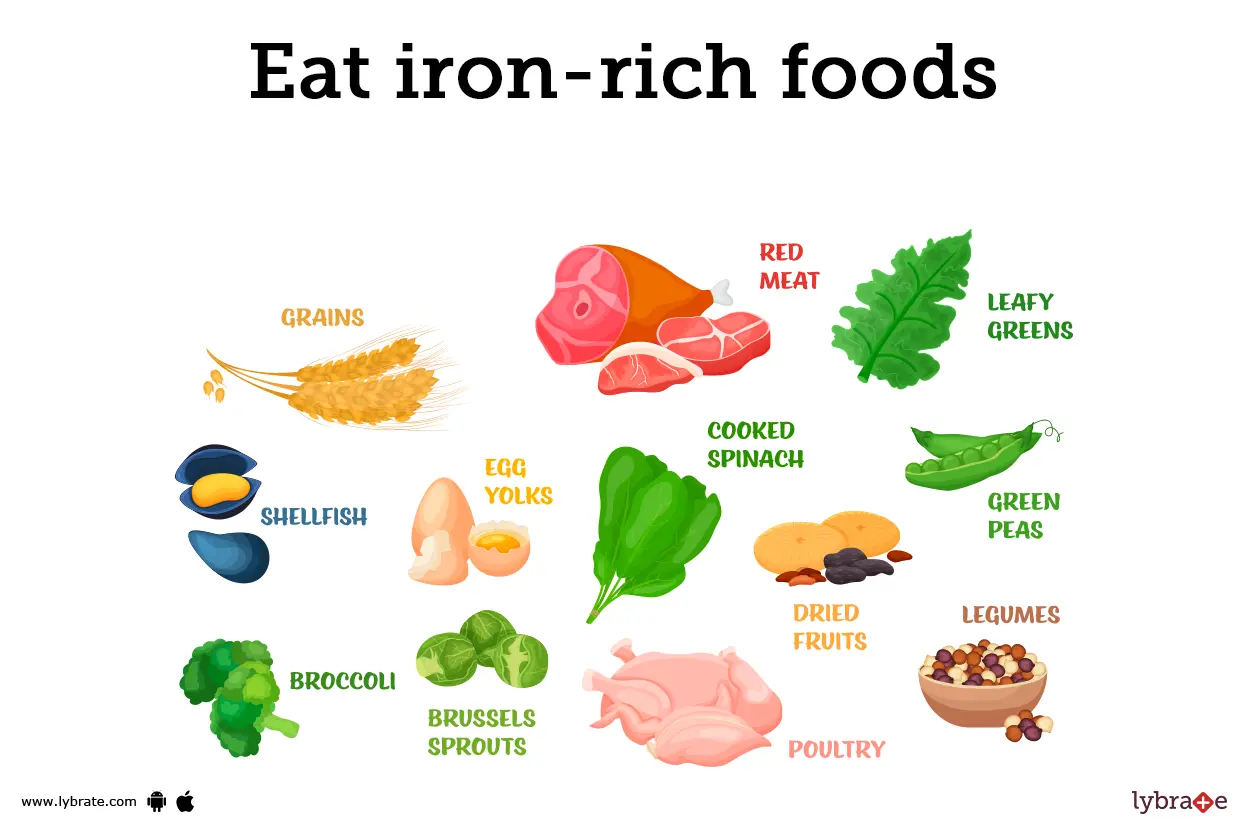
- Heme Iron Sources: Red meat (beef, lamb), organ meats (liver), poultry, and fish are excellent sources of heme iron.
- Non-Heme Iron Sources: Leafy green vegetables (spinach, kale), legumes (beans, lentils), dried fruits (apricots, raisins), nuts, and fortified cereals are good sources of non-heme iron. Pairing these with vitamin C-rich foods significantly enhances absorption.
B Vitamins and Folate
Ensuring sufficient intake of vitamin B12 and folate is equally important.
- Vitamin B12 Sources: Primarily found in animal products, including meat, fish, eggs, and dairy. Fortified cereals and nutritional yeast are also sources, especially for vegetarians and vegans.
- Folate Sources: Abundant in leafy green vegetables, citrus fruits, beans, and fortified grains.
The Synergistic Role of Vitamin C
As mentioned, vitamin C enhances iron absorption. Including vitamin C-rich foods in meals alongside iron sources is a simple yet effective strategy.
- Vitamin C Sources: Citrus fruits (oranges, grapefruits), berries, bell peppers, broccoli, and tomatoes.
Lifestyle Modifications and Their Impact
Certain lifestyle choices can directly or indirectly influence red blood cell count by affecting oxygen levels or the body’s overall health.
Exercise and Altitude Training
Regular physical activity, particularly aerobic exercise, can stimulate the body to adapt by increasing its oxygen-carrying capacity. This adaptation often involves an increase in red blood cell mass and plasma volume. Endurance athletes, for example, typically have higher red blood cell counts. Altitude training, where individuals train at higher elevations for a period, is another well-established method to increase red blood cell count. At high altitudes, the atmospheric pressure is lower, resulting in less oxygen available. The body responds to this chronic mild hypoxia by increasing EPO production and consequently red blood cell production to enhance oxygen delivery.
Hydration and Blood Volume
Maintaining adequate hydration is crucial for overall blood health. Dehydration can lead to a falsely elevated red blood cell count because the concentration of red blood cells in the blood increases as the plasma volume decreases. While this is not a true increase in red blood cell production, it highlights the importance of proper hydration for accurate interpretation of blood counts and overall circulatory function.
Avoiding Inhibitors of Iron Absorption
Certain substances can interfere with the absorption of iron, thereby hindering red blood cell production.
- Calcium: High intake of calcium, particularly from dairy products or supplements, can inhibit iron absorption. It’s advisable to consume calcium-rich foods and iron-rich foods at different times of the day.
- Tannins: Found in tea and coffee, tannins can also bind to iron and reduce its absorption. Limiting consumption of tea and coffee around mealtimes can be beneficial.
- Phytates: Present in whole grains and legumes, phytates can also bind to iron. However, soaking, sprouting, or fermenting these foods can reduce their phytate content, improving iron bioavailability.
Medical Interventions and Considerations
In cases of significant anemia or when dietary and lifestyle changes are insufficient, medical interventions may be necessary. These are typically prescribed and monitored by healthcare professionals.
Iron Supplementation
For individuals diagnosed with iron-deficiency anemia, iron supplementation is a common and effective treatment. These supplements are available in various forms, including ferrous sulfate, ferrous gluconate, and ferrous fumarate. It is crucial to take iron supplements as prescribed by a doctor, as excessive iron can be toxic.
Vitamin B12 and Folate Supplementation
Similarly, deficiencies in vitamin B12 or folate are treated with oral or injectable supplements. These are essential for individuals with absorption issues or those following restrictive diets.
Erythropoiesis-Stimulating Agents (ESAs)
In more severe or chronic conditions, such as certain types of anemia associated with kidney disease or chemotherapy, physicians may prescribe Erythropoiesis-Stimulating Agents (ESAs). These are synthetic versions of EPO that directly stimulate the bone marrow to produce more red blood cells. ESAs are powerful medications and require careful medical supervision due to potential side effects, such as an increased risk of blood clots.
Blood Transfusions
In cases of severe and life-threatening anemia where immediate restoration of red blood cell count is required, blood transfusions are performed. This involves receiving donated red blood cells directly into the bloodstream. While effective for immediate symptom relief, blood transfusions do not address the underlying cause of the low red blood cell count.
Factors That Can Decrease Red Blood Cell Count
While the focus is on increasing red blood cell count, it is equally important to understand the factors that can lead to a decrease, as addressing these can be an indirect way to improve the overall count and health.
Blood Loss
The most direct way to lose red blood cells is through bleeding. Acute blood loss from injuries, surgery, or heavy menstruation can significantly lower red blood cell count. Chronic, slow blood loss, often from gastrointestinal issues like ulcers or polyps, can lead to gradual iron depletion and anemia.
Bone Marrow Disorders
The bone marrow is the factory for red blood cells. Any condition that impairs bone marrow function can lead to a reduced production of red blood cells. This includes:
- Aplastic Anemia: A rare but serious condition where the bone marrow stops producing enough new blood cells.
- Leukemia and Lymphoma: Cancers of the blood and lymph nodes can infiltrate the bone marrow, disrupting normal blood cell production.
- Myelodysplastic Syndromes (MDS): A group of disorders where the bone marrow does not produce enough healthy blood cells.
Hemolytic Anemias
These are conditions where red blood cells are destroyed prematurely in the bloodstream or spleen. There are many causes, including:
- Autoimmune Disorders: The body’s immune system mistakenly attacks and destroys its own red blood cells.
- Genetic Conditions: Sickle cell anemia and thalassemia are inherited disorders that affect the structure or production of hemoglobin, leading to fragile red blood cells that are destroyed more quickly.
- Infections: Certain infections can damage red blood cells.
- Medications: Some drugs can trigger hemolysis.
Chronic Diseases and Inflammation
Chronic diseases, such as kidney disease, rheumatoid arthritis, and inflammatory bowel disease, can lead to anemia of chronic disease. Inflammation can interfere with the body’s ability to use iron and suppress red blood cell production. Kidney disease, in particular, often leads to reduced EPO production, contributing to anemia.
When to Seek Medical Advice
While many factors influencing red blood cell count can be managed through diet and lifestyle, it is crucial to recognize when professional medical advice is warranted. Persistent fatigue, unexplained shortness of breath, pale skin, dizziness, or frequent infections can all be signs of anemia or other underlying conditions affecting red blood cell count.
Recognizing Symptoms of Anemia
Symptoms of anemia vary depending on the severity and cause but commonly include:
- Fatigue and weakness
- Shortness of breath, especially with exertion
- Pale or yellowish skin
- Dizziness or lightheadedness
- Headaches
- Cold hands and feet
- Chest pain or irregular heartbeat (in severe cases)
The Importance of Blood Tests
A complete blood count (CBC) is a routine diagnostic test that measures various components of the blood, including the red blood cell count, hemoglobin, and hematocrit. If a CBC reveals a low red blood cell count, a physician will typically conduct further investigations to determine the underlying cause. These may include iron studies, vitamin B12 and folate levels, and tests to assess for blood loss or bone marrow disorders.
Working with Healthcare Professionals
Diagnosing and managing conditions that affect red blood cell count requires a collaborative approach with healthcare professionals. Physicians can order the necessary tests, interpret results, diagnose the cause of a low or high red blood cell count, and recommend appropriate treatment plans. This may involve dietary counseling, prescription medications, or referral to specialists.
Conclusion: A Holistic Approach to Red Blood Cell Health
Maintaining an optimal red blood cell count is fundamental to overall health and vitality. Understanding the intricate process of erythropoiesis, the vital role of nutrients like iron, B12, and folate, and the impact of lifestyle factors such as diet and exercise, empowers individuals to take proactive steps towards improving their blood health. While the body possesses remarkable self-regulatory mechanisms, vigilance for symptoms of anemia and timely consultation with healthcare professionals are essential for accurate diagnosis and effective management of any imbalances. By adopting a holistic approach that encompasses informed dietary choices, healthy lifestyle habits, and a willingness to seek professional guidance when needed, individuals can effectively support and optimize their red blood cell count, contributing to a life of energy and well-being.
aViewFromTheCave is a participant in the Amazon Services LLC Associates Program, an affiliate advertising program designed to provide a means for sites to earn advertising fees by advertising and linking to Amazon.com. Amazon, the Amazon logo, AmazonSupply, and the AmazonSupply logo are trademarks of Amazon.com, Inc. or its affiliates. As an Amazon Associate we earn affiliate commissions from qualifying purchases.