
The very mention of Masada evokes a potent and often visceral image: a rugged fortress perched atop a seemingly impregnable plateau, the site of a desperate last stand by Jewish rebels against the mighty Roman Empire. While the historical events themselves are the bedrock of this narrative, the enduring power of Masada lies not just in what transpired, but in how its story has been meticulously crafted, disseminated, and internalized, forging an indelible brand of resistance, sacrifice, and unwavering conviction. This article delves into the creation and evolution of the Masada brand, examining how its historical narrative has been leveraged across different eras, influencing national identity, political discourse, and even personal inspiration.
The Genesis of a Legend: Historical Accounts and Early Interpretations
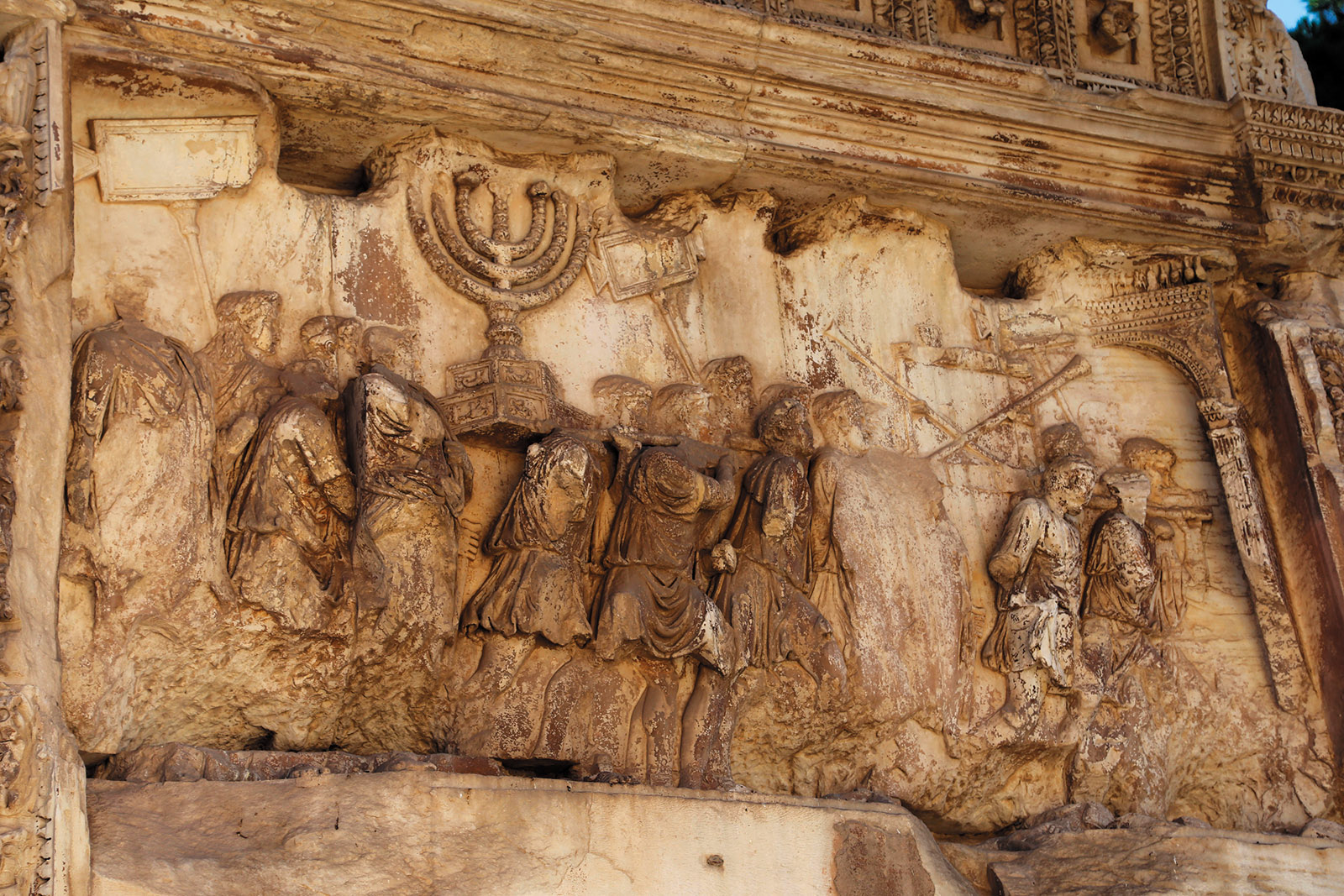
The initial construction of the Masada brand began not with the event itself, but with its aftermath, shaped by those who chronicled its fall. The primary source, and thus the initial architect of the Masada narrative, is the historian Flavius Josephus. His detailed account, written years after the events, was instrumental in establishing the core elements of the Masada story, which would form the foundation of its enduring brand.
Flavius Josephus: The First Brand Architect
Josephus, a Jewish historian who defected to the Roman side during the First Jewish-Roman War, was present during the siege and witnessed many of its events. His The Jewish War provides the most comprehensive, albeit Roman-sympathetic, description of Masada. He meticulously details the fortress’s construction by Herod the Great, its strategic importance, and the subsequent occupation by Jewish Sicarii rebels. Crucially, Josephus recounts the climactic decision of the defenders to commit mass suicide rather than surrender or be enslaved by the Romans. This act of collective self-destruction, as narrated by Josephus, became the central pillar of the Masada brand – a narrative of ultimate defiance.
His portrayal emphasized the stoic resolve and unwavering commitment to freedom of the Sicarii, framing their final actions as a testament to their principles. While Josephus’s own allegiances and motivations have been debated by historians, his narrative provided the foundational mythos. The descriptions of the siege’s brutality, the ingenuity of the Roman siege ramp, and the dramatic final moments all contributed to a powerful and memorable story. This early account, disseminated through his writings, served as the initial branding of Masada as a symbol of heroic, albeit tragic, resistance against overwhelming odds.
The Sicarii: Early Adopters of the Brand
The Sicarii themselves, while not actively engaging in marketing, were the initial embodiments of the brand they would leave behind. Their actions, driven by a fervent desire for independence and a deep-seated opposition to Roman rule, created the raw material for the legend. Their prolonged defiance, their fortified stronghold, and their ultimate, desperate choice all contributed to a potent narrative of unyielding spirit. The choice to die rather than surrender sent a clear message, a defiant statement of identity and self-determination that would resonate through centuries.
The Revival and Rebranding of Masada: From Antiquity to Modernity
For centuries, the story of Masada remained primarily a historical footnote, known to scholars and those deeply engaged with Jewish history. The brand, though potent, lay dormant, awaiting a renaissance that would see it reinterpreted and amplified on a grander scale. This revival was driven by a confluence of historical necessity, national aspirations, and evolving cultural narratives.
The Zionist Movement and National Identity
The late 19th and early 20th centuries witnessed the rise of Zionism, a movement dedicated to the establishment of a Jewish homeland. In this context, the narrative of Masada underwent a significant rebranding. It was no longer solely a tale of ancient heroism but was reinterpreted as a potent symbol of Jewish resilience and the yearning for self-determination that was central to the Zionist cause. Masada became a powerful emblem for a people seeking to reclaim their ancestral land and forge a new future.
The emphasis shifted from the specific details of the Sicarii’s religious or political motivations to the broader themes of courage, sacrifice, and the fight against oppression. Masada offered a compelling historical precedent for the struggles of the nascent Zionist movement, providing a narrative of unwavering commitment to a cause, even in the face of overwhelming adversity. This rebranding was crucial in galvanizing support for the movement and solidifying a shared sense of identity among Jewish people worldwide. The image of Masada as an unassailable bastion of Jewish strength was incredibly appealing to a community that had endured centuries of diaspora and persecution.
Military and National Service: The “Never Again” Slogan
The establishment of the State of Israel in 1948 marked a new era, and Masada’s brand evolved further, becoming intrinsically linked to the Israeli military and the concept of national defense. The famous oath taken by graduates of the Israeli Air Force stated, “Masada shall not fall again.” This slogan encapsulated a profound shift in the brand’s meaning. It moved beyond historical remembrance to a direct commitment to present-day security and a solemn promise to prevent a recurrence of past tragedies.
This reappropriation of Masada’s brand served multiple purposes. For the military, it fostered a spirit of unwavering dedication and sacrifice, equating service to the nation with the ultimate commitment demonstrated by the defenders of Masada. For the nation, it reinforced a collective resolve, a shared understanding that the security and survival of the Jewish state were paramount and demanded absolute vigilance. The stark imagery of the fortress, the stories of its defenders, and the dramatic conclusion of the siege were invoked to inspire a sense of duty and readiness to defend the homeland at all costs. Masada became a powerful symbol in the national consciousness, a constant reminder of the stakes involved in maintaining a Jewish state.
The Global Brand of Masada: Tourism, Media, and Enduring Symbolism
Today, Masada’s brand extends far beyond its historical origins and national significance. It has become a globally recognized symbol, attracting tourists, inspiring artists and writers, and continuing to resonate in discussions about resistance, freedom, and the human spirit. The site itself has been developed into a major tourist attraction, further solidifying its brand in the global consciousness.
Tourism and Heritage: Experiencing the Brand Firsthand
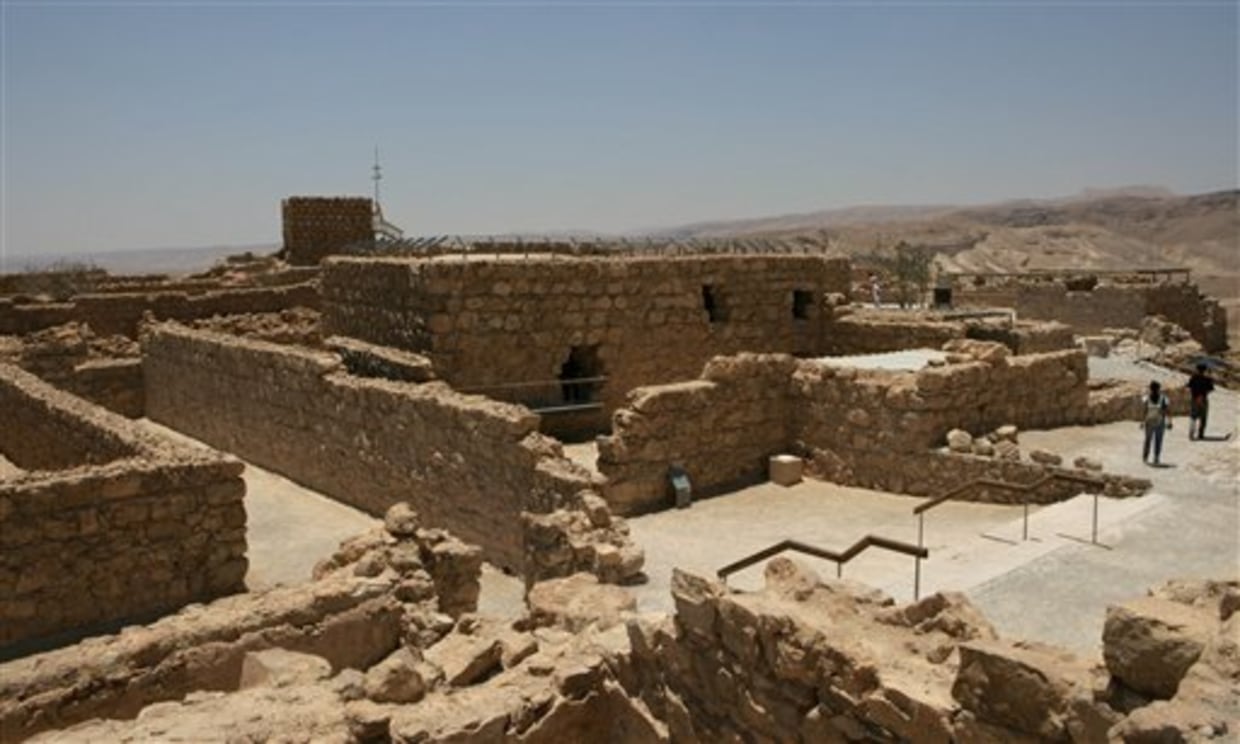
Masada is now a UNESCO World Heritage site, drawing hundreds of thousands of visitors annually. The experience of visiting the fortress is carefully curated to impart the power of its brand. Cable cars ascend the mountain, offering breathtaking views that mirror the strategic advantage the rebels once held. Guided tours meticulously recount the historical events, emphasizing the courage of the defenders and the dramatic final moments. The archaeological remains – storerooms, palaces, and the synagogue – provide tangible evidence of the lives lived and the resistance mounted, making the brand more visceral and relatable.
The sunrise tours, a particularly popular experience, are designed to immerse visitors in the almost spiritual atmosphere of the site, reinforcing the narrative of hope and defiance. By creating an immersive and educational experience, tourism actively perpetuates and strengthens the Masada brand, ensuring its story continues to be told and experienced by new generations. The site’s iconic status makes it a must-see destination, further embedding its brand in global tourism narratives.

Media, Arts, and Continued Relevance
The narrative of Masada has been a recurring theme in literature, film, and art, each iteration contributing to its evolving brand. From historical novels and documentaries to artistic interpretations, the story continues to be retold, adapted, and reinterpreted, keeping the brand alive and relevant. These creative works often focus on different aspects of the Masada story, highlighting themes of heroism, tragedy, faith, and the enduring struggle for freedom.
For instance, the acclaimed Yigael Yadin’s archaeological expedition in the 1960s not only unearthed significant historical findings but also reignited public interest in Masada, further solidifying its place in the national narrative and international consciousness. Documentaries and television series continue to explore the historical context and the dramatic events, ensuring that the story reaches new audiences. The brand’s adaptability allows it to resonate with contemporary concerns about oppression, self-determination, and the courage required to stand against injustice. The inherent drama and profound themes of the Masada story ensure its continued appeal across various media platforms, reinforcing its status as a universal symbol.
In conclusion, the story of Masada is far more than a historical event; it is a testament to the enduring power of narrative and the construction of a profound and multifaceted brand. From its genesis in ancient accounts to its reinterpretation during the Zionist movement and its continued relevance as a global symbol, the brand of Masada has consistently represented an indomitable spirit of resistance, sacrifice, and an unwavering commitment to freedom and identity. Its historical significance is undeniable, but its lasting impact is a testament to the masterful way its story has been told, retold, and embodied across generations, securing its place as one of history’s most potent and enduring brands.
aViewFromTheCave is a participant in the Amazon Services LLC Associates Program, an affiliate advertising program designed to provide a means for sites to earn advertising fees by advertising and linking to Amazon.com. Amazon, the Amazon logo, AmazonSupply, and the AmazonSupply logo are trademarks of Amazon.com, Inc. or its affiliates. As an Amazon Associate we earn affiliate commissions from qualifying purchases.