
The acronym “GDP” is a familiar term in economic discussions, often appearing in news headlines and policy debates. But what exactly does it represent, and why is it so crucial for understanding the financial pulse of a nation? Gross Domestic Product, or GDP, is not merely a statistic; it’s a comprehensive measure that encapsulates the economic activity within a country’s borders over a specific period. For anyone involved in business, investing, or simply trying to comprehend the broader economic landscape, a solid grasp of GDP is foundational. This article will delve into the core meaning of GDP, explore its different components, examine how it’s calculated, and discuss its significance for businesses and investors.
Understanding the Pillars of Gross Domestic Product
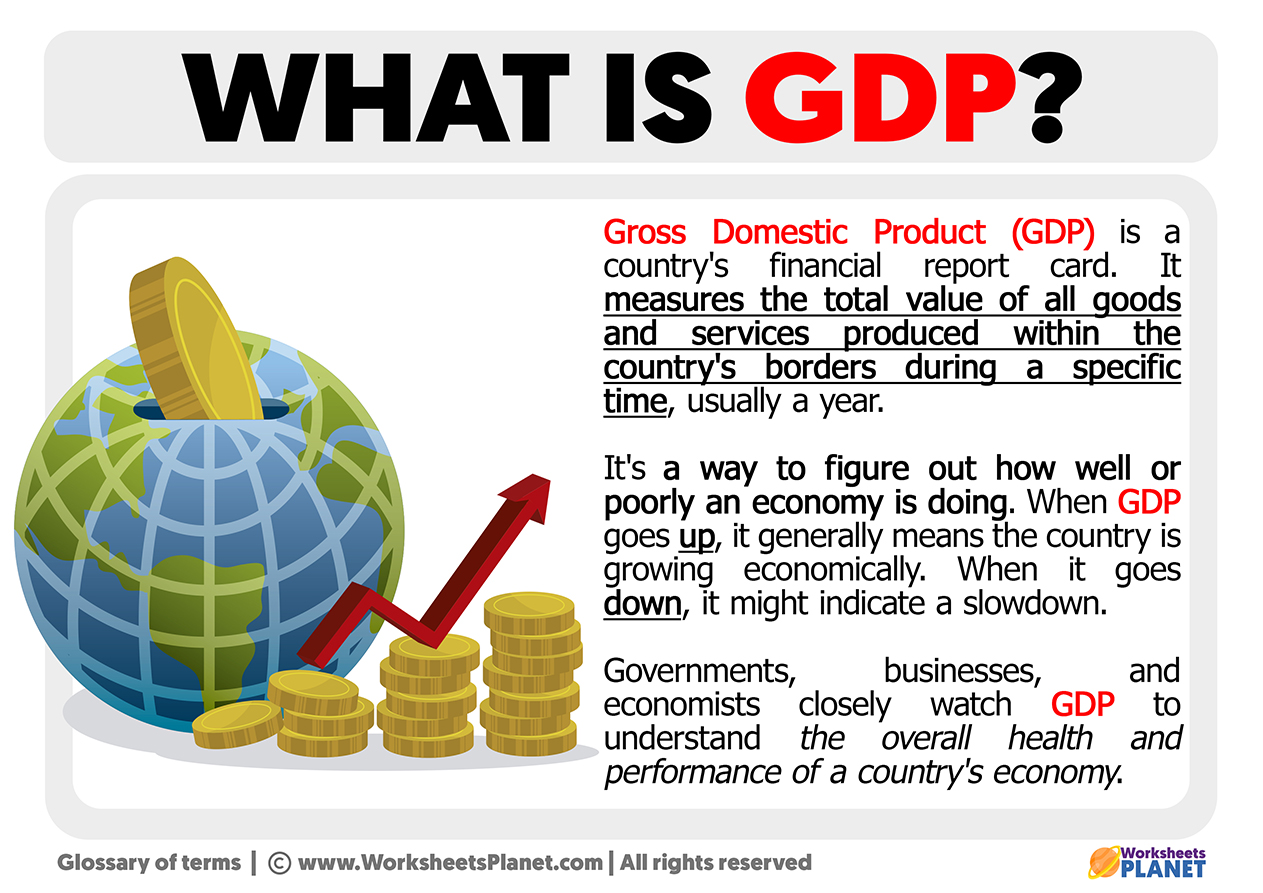
At its heart, GDP is the total monetary value of all finished goods and services produced within a country’s geographic boundaries during a specific time frame, typically a quarter or a year. It’s a snapshot of an economy’s size and health. To truly understand what GDP stands for, we need to break down its constituent parts and the underlying principles that define it.
The “Gross” in Gross Domestic Product
The term “gross” signifies that GDP measures the entire output of an economy without deducting any allowances for depreciation. Depreciation refers to the wear and tear of capital goods, such as machinery and buildings, as they are used in production. In simpler terms, GDP counts the total value of goods and services produced, regardless of whether the capital used to create them has aged or lost value. This provides a broader picture of the economy’s total output. If we were to deduct depreciation, we would be looking at Net Domestic Product (NDP), which offers a different perspective on economic welfare by accounting for capital consumption. However, for the purpose of understanding the overall economic engine, “gross” is the operative word.
The “Domestic” Aspect: Focusing on Geography
The “domestic” in GDP is a critical qualifier. It means that GDP only measures economic activity that takes place within the geographical boundaries of a country. This includes the production of goods and services by both domestic and foreign-owned entities operating within that country. For example, if a Japanese car manufacturer has a factory in the United States and produces cars there, those cars contribute to the U.S. GDP. Conversely, if an American company has a subsidiary in Germany and produces goods there, those goods contribute to Germany’s GDP, not the U.S. GDP. This geographical focus distinguishes GDP from Gross National Product (GNP), which measures the total income earned by a country’s citizens and businesses, regardless of where they are located.
The “Product” of Goods and Services
The final component, “product,” refers to the sum of all final goods and services produced. The key here is “final.” Intermediate goods, which are used in the production of other goods and services, are not directly counted in GDP. For instance, the value of the steel used to build a car is not separately counted in GDP; only the final price of the car itself is included. This avoids double-counting. If we were to count the value of every single component that goes into a product, the GDP figures would be wildly inflated and misrepresentative of actual economic output. Final goods and services are those that are purchased by the end user for consumption, investment, government spending, or export.
The Components Driving GDP: A Deeper Dive
To truly appreciate what GDP stands for, it’s essential to understand the distinct categories of spending that contribute to its calculation. Economists typically break down GDP into four main components, commonly represented by the expenditure approach: Consumption, Investment, Government Spending, and Net Exports.
Consumption (C): The Engine of Household Spending
Consumption, often denoted as ‘C’, represents the largest component of GDP in most developed economies. It includes all spending by households on goods and services. This can range from everyday necessities like food and clothing to discretionary purchases like electronics and entertainment, as well as spending on services such as healthcare and education. Durable goods (items that last three years or more, like cars and appliances), non-durable goods (items that last less than three years, like food and clothing), and services all fall under this category. The strength and stability of consumer spending are often seen as a primary indicator of economic health. When consumers are confident about the future and have disposable income, they tend to spend more, which stimulates production and economic growth.
Investment (I): Fueling Future Growth
Investment, denoted as ‘I’, refers to spending by businesses on capital goods, as well as changes in inventories and residential construction. This component is crucial because it represents spending that is expected to generate future income and economic growth. It includes:
- Business Fixed Investment: Spending by businesses on new machinery, equipment, and buildings.
- Residential Fixed Investment: Spending on new housing construction by households.
- Changes in Inventories: The difference between goods produced and goods sold. If businesses produce more than they sell, inventories increase, adding to GDP. If they sell more than they produce, inventories decrease, subtracting from GDP.
While consumer spending provides immediate economic activity, investment is the bedrock of long-term economic expansion. Higher levels of investment signal a positive outlook for future productivity and profitability.
Government Spending (G): The Role of Public Expenditure
Government spending, denoted as ‘G’, includes all spending by federal, state, and local governments on goods and services. This encompasses a wide array of expenditures, from national defense and infrastructure projects (like roads and bridges) to public education and healthcare services. Transfer payments, such as social security benefits and unemployment insurance, are not included in GDP, as they do not represent the production of new goods or services. They are considered a redistribution of income. Government spending plays a significant role in managing the economy, often used as a tool to stimulate demand during recessions or to provide essential public services.
Net Exports (NX): The Global Connection
Net Exports, denoted as ‘NX’, represent the difference between a country’s total exports and its total imports. Exports are goods and services produced domestically and sold to foreign buyers, which add to GDP. Imports are goods and services produced abroad and purchased by domestic consumers and businesses, which subtract from GDP because they represent spending on foreign production.
NX = Exports – Imports
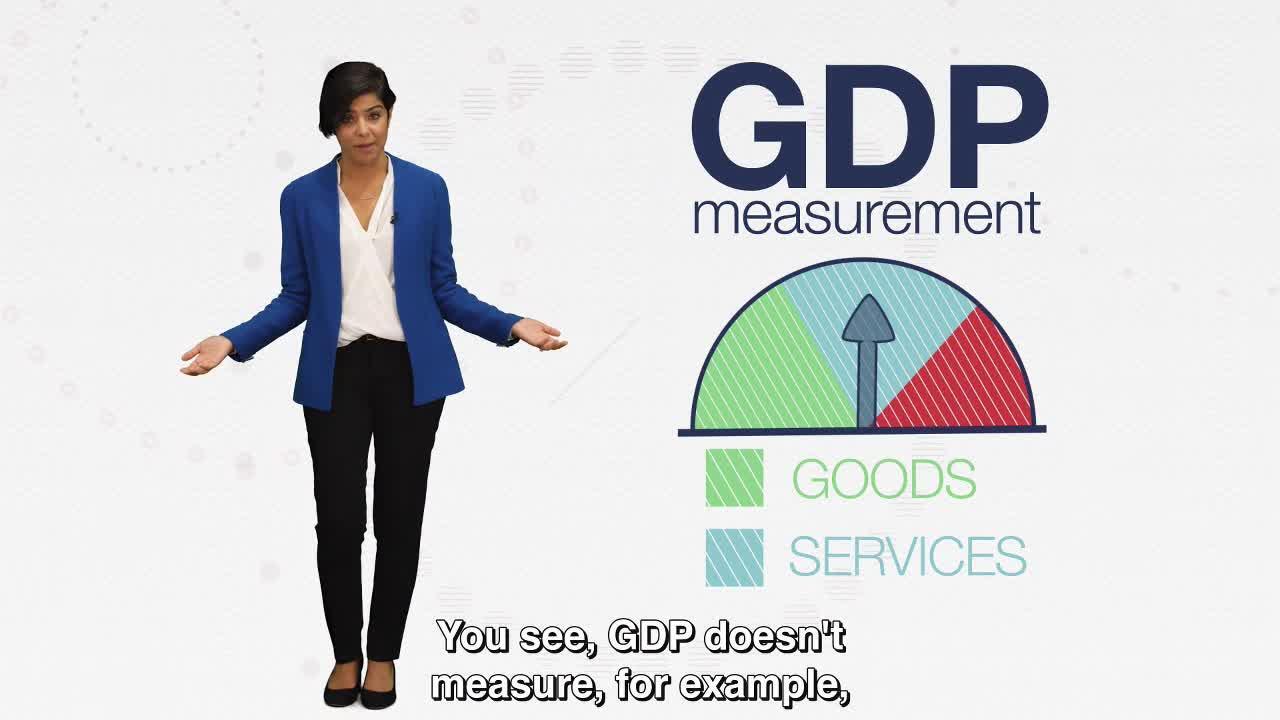
A country with a trade surplus (exports exceed imports) will see a positive contribution to its GDP from net exports, while a country with a trade deficit (imports exceed exports) will have a negative contribution. This component highlights the interconnectedness of national economies in the global marketplace.
Measuring GDP: The Approaches
Understanding what GDP stands for also involves recognizing the different methodologies used to calculate it. While the expenditure approach is the most commonly cited, economists also use the income approach and the production approach. In theory, all three approaches should yield the same result, as every dollar spent in the economy is a dollar earned by someone.
The Expenditure Approach (The Most Common)
As detailed above, the expenditure approach sums up all spending on final goods and services:
GDP = C + I + G + NX
This approach focuses on who is buying the goods and services produced. It provides a clear picture of the demand side of the economy.
The Income Approach
The income approach sums up all the income earned by individuals and businesses in an economy. This includes wages, salaries, profits, rent, and interest. The logic is that the total value of what is produced must equal the total income generated from that production.
GDP = Wages + Profits + Interest + Rent + Indirect Taxes – Subsidies + Depreciation
This method offers insights into how the economic pie is divided among the factors of production.
The Production (or Value-Added) Approach
The production approach measures the value added at each stage of production. It sums up the value of all goods and services produced, subtracting the cost of intermediate goods used in their production. For example, a baker buys flour, sugar, and eggs (intermediate goods) to make a cake. The value of the cake sold to the consumer is the GDP contribution, not the sum of the flour, sugar, eggs, and the final cake. This approach ensures that only the value created at each step is counted, preventing double-counting.
The Significance of GDP for Businesses and Investors
For businesses and investors, GDP is not just an abstract economic indicator; it’s a vital tool for strategic decision-making. Understanding GDP trends can inform crucial choices about expansion, investment, and risk assessment.
Business Strategy and Growth
When GDP is growing strongly, it generally indicates a robust economy with increasing consumer demand and business investment. This presents an opportune environment for businesses:
- Increased Sales Potential: Higher consumer spending means businesses can expect to sell more of their products and services.
- Expansion Opportunities: A growing economy can support business expansion, whether through opening new locations, increasing production capacity, or launching new product lines.
- Investment in Capital: Businesses are more likely to invest in new equipment, technology, and research and development when the economic outlook is positive, driven by strong GDP growth.
Conversely, a declining GDP, or a recession, signals a contraction in economic activity. Businesses must then adapt by potentially cutting costs, focusing on core offerings, and being more conservative with investments. Understanding GDP allows businesses to anticipate shifts in consumer behavior and market conditions.
Investment Decisions and Market Analysis
Investors closely monitor GDP figures to gauge the health of the overall economy and anticipate trends in specific sectors.
- Sectoral Performance: Different sectors of the economy respond differently to GDP fluctuations. For instance, luxury goods and travel might thrive during periods of strong GDP growth, while essential services might be more resilient during downturns. Investors use GDP data to identify sectors poised for growth or those facing headwinds.
- Inflation and Interest Rates: GDP growth is often a key factor influencing central banks’ decisions on interest rates. Strong GDP growth can lead to inflationary pressures, prompting central banks to raise interest rates. This, in turn, affects the cost of borrowing for businesses and the attractiveness of different investment vehicles.
- Risk Assessment: GDP trends provide a broader economic context for investment risk. Investing in countries with consistently high and stable GDP growth is generally considered less risky than investing in economies that are volatile or experiencing contraction.
In conclusion, the phrase “what GDP stands for” unlocks a gateway to understanding the fundamental engine of economic prosperity. It is the measure of a nation’s economic output, meticulously calculated through various components of spending, income, and production. For businesses and investors, a thorough comprehension of GDP is not merely academic; it is a practical necessity for navigating the complexities of the financial world, identifying opportunities, and mitigating risks in an ever-evolving global economy.
aViewFromTheCave is a participant in the Amazon Services LLC Associates Program, an affiliate advertising program designed to provide a means for sites to earn advertising fees by advertising and linking to Amazon.com. Amazon, the Amazon logo, AmazonSupply, and the AmazonSupply logo are trademarks of Amazon.com, Inc. or its affiliates. As an Amazon Associate we earn affiliate commissions from qualifying purchases.