
In the modern financial landscape, travel has transitioned from a luxury reserved for the elite to a manageable line item in a well-structured personal budget. However, the quest to find the “cheapest airline” is often more complex than simply selecting the lowest number on a search engine. For the financially savvy traveler, identifying the most cost-effective way to fly requires an understanding of business models, ancillary revenue, and the “total cost of ownership” for a single journey.
This guide explores the financial intricacies of budget aviation, helping you navigate the world of low-cost carriers (LCCs) to ensure your travel remains an investment in experiences rather than a drain on your capital.
Decoding the Low-Cost Carrier (LCC) Model
To understand why some airlines are consistently cheaper than others, one must look at the underlying business architecture. The “cheapest” airlines—often categorized as Ultra-Low-Cost Carriers (ULCCs)—operate on a high-efficiency, high-volume model that prioritizes cost suppression at every operational level.
How Airlines Strip Down Operational Costs
The primary reason an airline like Spirit, Frontier, or Ryanair can offer a $30 ticket is due to extreme operational discipline. These companies often utilize a single type of aircraft (such as the Boeing 737 or Airbus A320). This strategy significantly reduces maintenance costs and simplifies pilot and crew training. From a business finance perspective, this uniformity allows for better economies of scale and more favorable leasing terms.
Furthermore, these airlines prioritize “point-to-point” routes rather than the “hub-and-spoke” models used by legacy carriers like Delta or United. By avoiding major hubs, they reduce landing fees and minimize the risk of expensive delays caused by connecting flights.
Secondary Airports and Asset Utilization
Another financial lever pulled by budget airlines is the use of secondary airports. Instead of flying into London Heathrow, a budget carrier might fly into London Stansted. These secondary airports offer significantly lower landing fees and faster turnaround times. For the airline, time is literally money; the less time a plane spends on the tarmac, the more time it spends in the air generating revenue. As a consumer, you must weigh the financial savings of the ticket against the cost of ground transportation from these more distant airfields.
Beyond the Ticket Price: Navigating Hidden Fees and Ancillary Costs
In personal finance, we often discuss the “hidden costs” of an investment. The same principle applies to budget airlines. The base fare—the “sticker price”—is frequently a “loss leader” designed to get you through the digital door. The real profit for the airline, and the potential pitfall for your budget, lies in ancillary revenue.
The Financial Strategy of “Unbundling”
Unbundling is the practice of stripping away every service that used to be included in a traditional airfare and selling them back to the consumer as add-ons. This includes carry-on bags, checked luggage, seat selection, onboard water, and even the printing of a boarding pass at the airport.
From a financial planning perspective, this is actually a benefit for the “minimalist” traveler. If you can travel with only a small personal item and do not care where you sit, you are essentially subsidized by the passengers who pay for those extras. However, if you require these services, a “cheap” $50 ticket can easily balloon into a $150 expense, often exceeding the price of a full-service carrier.
Calculating the Real Cost of Your Flight
To truly identify the cheapest airline for a specific trip, you must apply a “Total Cost” analysis. This involves:
- The Base Fare: The initial cost of the seat.
- Mandatory Add-ons: Fees for the luggage you cannot leave behind.
- Logistical Costs: The price of gas, tolls, or trains to get to a cheaper (but further) airport.
- Opportunity Cost: The value of your time if a budget carrier’s schedule results in a 12-hour layover or an arrival at 3:00 AM.
By quantifying these variables, you move beyond emotional reactions to low prices and toward data-driven financial decision-making.

Identifying the World’s Most Cost-Effective Airlines
While prices fluctuate daily based on demand and fuel costs, certain airlines have built their brands entirely around being the lowest-cost provider in their respective markets. Identifying these players is the first step in building a travel-friendly financial plan.
Top Budget Carriers in North America
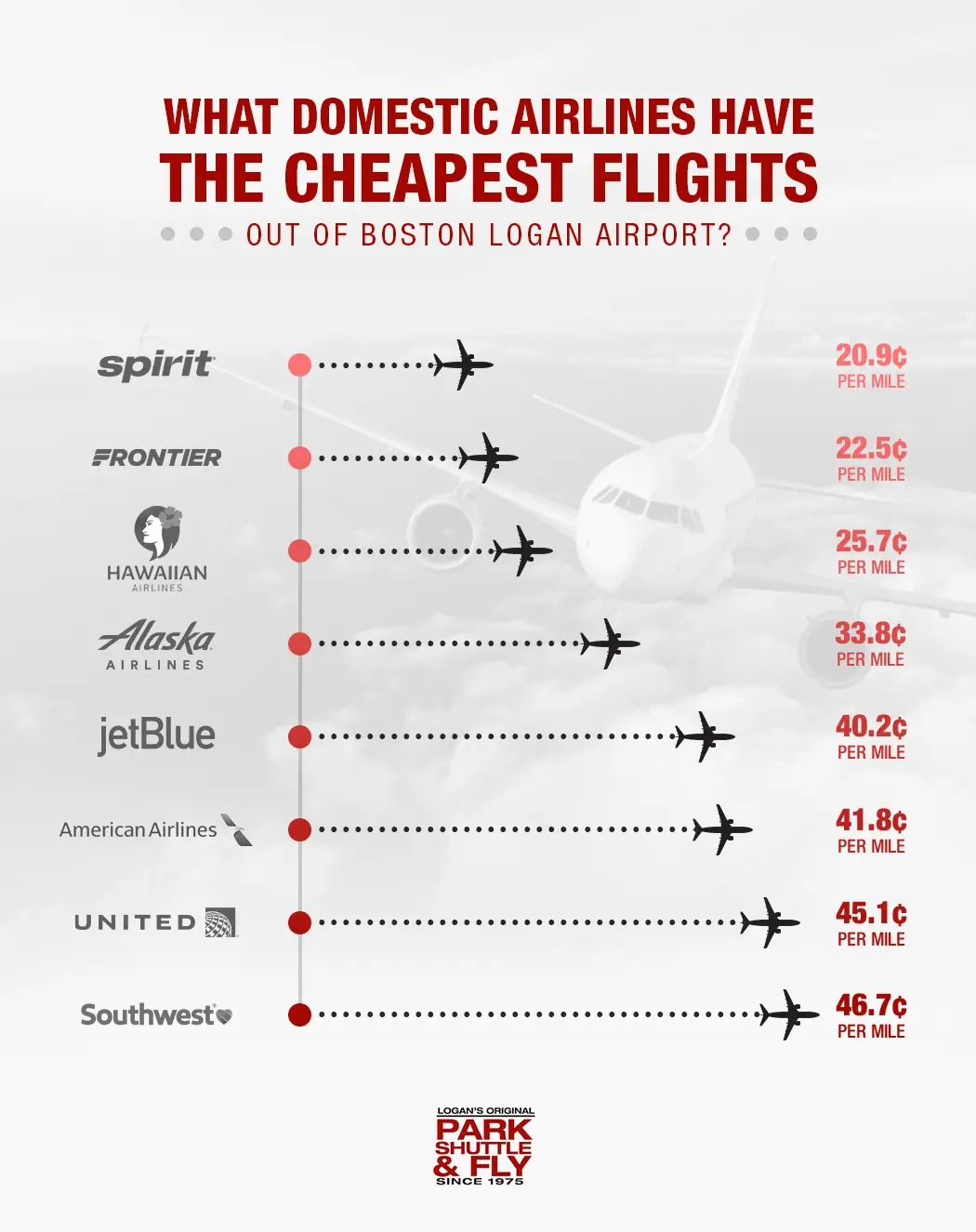
In the United States, Spirit and Frontier are the dominant ULCCs. They offer the lowest base fares but have the most aggressive fee structures. For travelers who are highly disciplined with their packing and expectations, these are mathematically the “cheapest” options.
Southwest Airlines represents a different financial model: the “Value” carrier. While their base fares are often higher than Spirit’s, they include two checked bags for free. For a family of four or a traveler relocating with significant gear, Southwest often ends up being the cheapest airline despite a higher initial ticket price. This highlights the importance of matching the airline’s brand model to your specific financial needs.
European and Asian Value Leaders
Europe is the gold standard for budget aviation, dominated by Ryanair and EasyJet. Ryanair, in particular, is famous for its aggressive cost-cutting, sometimes offering promotional fares for as little as €5. In Asia, AirAsia has revolutionized travel, making it possible to fly between countries for less than the cost of a mid-range dinner. When traveling internationally, researching these regional leaders can save you hundreds of dollars compared to booking through a global legacy carrier.
Strategic Financial Planning for Frequent Flyers
Finding the cheapest airline isn’t just about the booking moment; it’s about the financial ecosystem you build around your travel habits. Savvy investors in their own lifestyle use specific tools and strategies to ensure they never pay “retail” prices for airfare.
Leveraging Reward Systems and Credit Card Points
The most cost-effective way to fly is often by not using cash at all. Travel hacking—the strategic use of credit card sign-up bonuses and spending categories—is a vital component of personal finance for travelers.
By using a card that earns 3x points on travel or 4x points on groceries, you are essentially getting a 3% to 5% rebate on your daily spending to be used toward flights. When you redeem these points for “sweet spot” awards on partner airlines, your “cost per flight” can drop to nearly zero. In this context, the “cheapest” airline is the one that has the best partnership with your preferred credit card ecosystem.
Timing the Market: When to Buy for the Best Rate
Just as a stock trader looks for entry points, a traveler must look for booking windows. Data consistently shows that for domestic flights, the financial “sweet spot” is typically 1 to 3 months before departure. For international travel, that window expands to 2 to 8 months.
Additionally, utilizing financial tools like “price protection” or “price tracking” through apps can automate the process of finding the lowest fare. Setting a “strike price”—a price at which you are willing to buy—removes the emotional stress of trying to time the absolute bottom of the market, which is statistically difficult to hit.

The Verdict: Value vs. Price
In the final analysis, the “cheapest airline” is a subjective title that depends entirely on your travel profile. If you are a solo traveler with a backpack, a ULCC like Spirit or Ryanair will almost always be your best financial bet. However, if you are a professional who needs reliability, Wi-Fi, and checked luggage, a mid-tier or legacy carrier might offer better “value” despite a higher price tag.
In the world of personal finance, the goal is never just to spend the least amount of money; it is to maximize the utility of every dollar spent. By understanding the LCC business model, accounting for hidden fees, and leveraging financial tools like rewards points, you can turn air travel from a major expense into a manageable and rewarding part of your financial life. True financial freedom includes the ability to see the world without compromising your long-term fiscal health.
aViewFromTheCave is a participant in the Amazon Services LLC Associates Program, an affiliate advertising program designed to provide a means for sites to earn advertising fees by advertising and linking to Amazon.com. Amazon, the Amazon logo, AmazonSupply, and the AmazonSupply logo are trademarks of Amazon.com, Inc. or its affiliates. As an Amazon Associate we earn affiliate commissions from qualifying purchases.