
The term “fascism” often evokes visceral reactions, conjuring images of historical dictatorships, aggressive nationalism, and violent oppression. However, beyond these widely recognized associations, a deeper understanding of fascism requires dissecting its core tenets, historical manifestations, and its enduring, albeit often insidious, presence in contemporary discourse. This exploration delves into the multifaceted meaning of fascism, moving beyond simplistic definitions to examine its ideological foundations, its strategic deployment, and the subtle ways in which its principles can manifest in various societal structures, particularly through the lens of Brand.
The Ideological Architecture of Fascism: A Branding Perspective
To understand fascism as a phenomenon, we can draw parallels with the construction and projection of a powerful brand. Fascism, at its heart, is a radical ideology that seeks to forge a singular, unshakeable collective identity, much like a dominant brand aims to capture the unwavering loyalty of its consumers. This section dissects the core ideological components of fascism and frames them through the strategic principles of brand building and management.
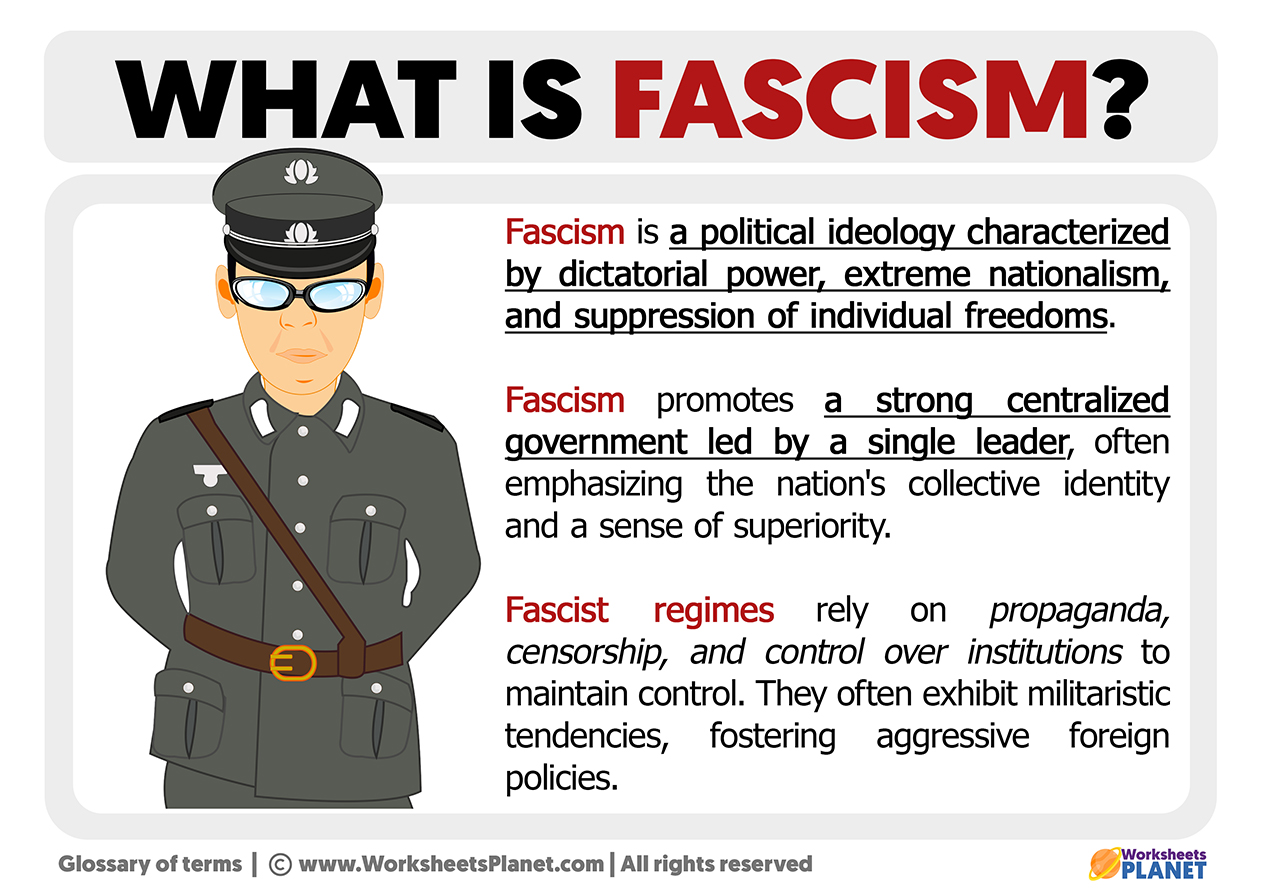
The Cult of the Leader: A Charismatic Brand Ambassador
A cornerstone of fascist ideology is the veneration of a singular, often messianic, leader. This leader is not merely a political figurehead but a personification of the national will, embodying strength, decisiveness, and an almost infallible vision. In branding terms, this leader functions as the ultimate brand ambassador. Their personality, pronouncements, and very existence become inextricably linked to the brand’s identity.
Building the Myth: Propaganda and Image Management
The creation of this charismatic leader is a deliberate and sophisticated branding exercise. Fascist regimes excel at manipulating public perception through pervasive propaganda. This involves carefully curated narratives, often emphasizing the leader’s humble origins, their heroic struggles, and their unparalleled ability to solve national crises. This is akin to how a company meticulously crafts its brand story, highlighting its founding principles, the ingenuity of its founders, and its commitment to innovation, all designed to foster emotional connection and trust with its audience. The leader’s image is meticulously managed, projecting an aura of strength, competence, and unwavering conviction. Any perceived weakness is swiftly hidden or reframed as a strategic advantage.
The Promise of Salvation: A Brand’s Core Value Proposition
The leader’s narrative invariably revolves around a promise of national salvation. Whether it’s restoring past glory, overcoming economic hardship, or defending against perceived enemies, the fascist brand offers a compelling solution to the anxieties and frustrations of its target audience. This promise acts as the core value proposition of the fascist brand. Just as a successful brand communicates a clear benefit – whether it’s convenience, luxury, or a solution to a specific problem – fascism offers a potent, albeit dangerous, promise of collective redemption and security. This promise is often delivered through powerful rhetoric, appealing to a sense of national pride and a desire for order.
The Deification of the Nation: Brand Loyalty Redefined
Fascism elevates the nation to a sacred entity, demanding absolute loyalty and obedience from its citizens. This concept of the nation as an all-encompassing, supreme authority mirrors the intense brand loyalty that corporations strive to cultivate. The nation, in the fascist paradigm, becomes the ultimate brand to which all individual desires and aspirations must be subservient.
Constructing a Unified Identity: The Brand’s Core Messaging
The creation of a unified national identity is a primary objective. This involves forging a sense of shared history, culture, and destiny, often by emphasizing a romanticized past and demonizing external influences or internal dissenters. This process is remarkably similar to how a brand establishes its core messaging. A brand defines its identity through its values, its mission, and its target audience. Fascism, in this analogy, creates a powerful, singular brand identity for the nation, demanding that all individuals align themselves with this monolithic entity. This unified identity is then reinforced through symbols, rituals, and a pervasive narrative that emphasizes collective belonging.
The “Us vs. Them” Dichotomy: Competitive Differentiation
A crucial branding strategy employed by fascism is the creation of a stark “us vs. them” dichotomy. This positions the nation (the brand) in direct opposition to external enemies, whether they are foreign powers, minority groups, or ideological opponents. This competitive differentiation serves to solidify in-group solidarity and demonize perceived threats, thereby strengthening the brand’s perceived value and the imperative of loyalty. In the corporate world, this is akin to a brand highlighting its unique selling propositions and aggressively positioning itself against competitors. Fascism, however, weaponizes this strategy, transforming it into a tool of exclusion and oppression. The enemy becomes a necessary component of the fascist brand’s identity, providing a clear target for collective animosity and reinforcing the brand’s perceived need for strong leadership and unified defense.
The Mechanisms of Control: Brand Enforcement and Consumer Compliance
Once a powerful brand identity is established, the next critical step for fascism, as with any enduring brand, is ensuring consistent consumer compliance and loyalty. This involves a range of sophisticated mechanisms designed to shape behavior, suppress dissent, and reinforce the brand’s overarching narrative.
The Suppression of Dissent: Eliminating Brand Critics
In the realm of branding, negative reviews or critical feedback can damage a brand’s reputation. Fascism, however, takes this to an extreme, systematically suppressing any form of dissent or criticism that challenges its ideology or leadership. This can manifest as censorship, the silencing of opposition voices, and the severe punishment of perceived critics. For a brand, this would be akin to outright banning any customer who expresses dissatisfaction or demanding that all customer feedback be positive. This absolute intolerance for criticism is a hallmark of fascist control, ensuring that the brand’s narrative remains unchallenged and its authority unquestioned.
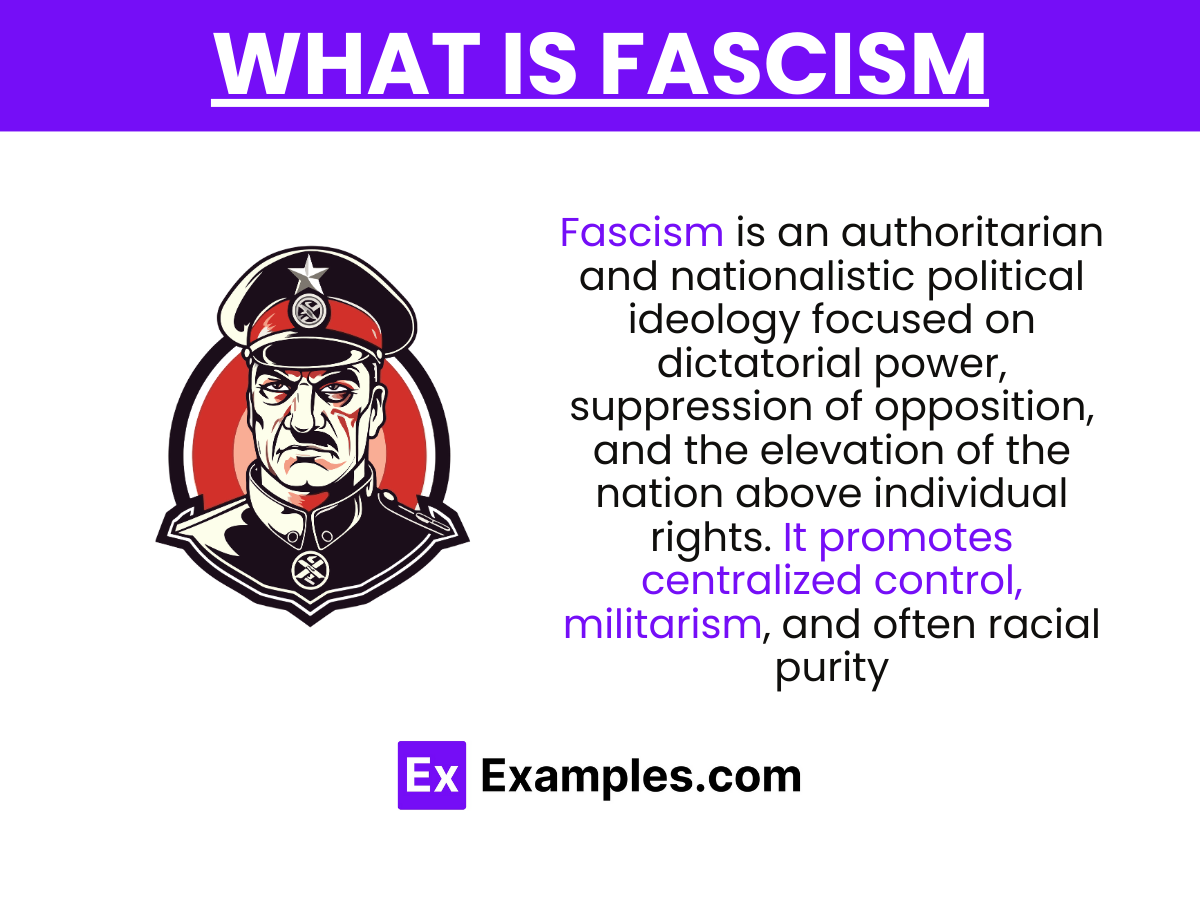
The Role of Surveillance and Fear: Brand Monitoring
The omnipresent threat of surveillance and the instillation of fear are powerful tools for enforcing brand compliance. Citizens are made aware that their actions and even their thoughts are being monitored. This creates an environment where individuals are less likely to deviate from the prescribed norms, lest they face severe repercussions. This can be compared to a brand implementing stringent quality control measures and monitoring customer interactions to ensure adherence to brand standards. However, in the fascist context, this surveillance is not about product quality but about the absolute control of human behavior and thought. The fear of being ostracized, punished, or worse, becomes a powerful deterrent, ensuring that the “consumers” of the fascist brand remain compliant.
The Weaponization of Information: Controlling the Narrative
Fascism exerts a tight grip on information, controlling the flow of news and public discourse. Propaganda is not just about disseminating positive messages but also about actively shaping the narrative and demonizing any information that contradicts the official line. This is analogous to a brand controlling its marketing channels and carefully crafting its public relations. However, the fascist manipulation of information is far more insidious, often involving the deliberate spread of misinformation, the distortion of facts, and the creation of alternative realities to maintain the illusion of legitimacy and superiority. This ensures that the “brand” is always perceived in the most favorable light, and that any challenges to its narrative are effectively neutralized before they can gain traction.
The Mobilization of the Masses: Brand Engagement and Community Building
While often associated with authoritarian control, fascism also excels at mobilizing its populace through a sense of collective purpose and shared identity, mirroring effective brand engagement strategies that foster a sense of community among consumers.
Mass Rallies and Spectacle: Experiential Branding
Large-scale rallies, parades, and public spectacles are central to the fascist playbook. These events are not merely displays of power but carefully orchestrated experiences designed to immerse individuals in the collective identity. The shared chanting, synchronized movements, and overwhelming sense of belonging create a powerful emotional connection to the fascist brand. This is comparable to how brands create immersive retail experiences or host large-scale fan events to foster brand loyalty and community. The sensory overload and emotional intensity of fascist rallies aim to override individual critical thinking and foster an unquestioning adherence to the collective ideology.
Youth Movements and Indoctrination: Building Future Brand Advocates
Fascist regimes actively target youth, instilling their ideology from an early age through dedicated youth organizations and educational reforms. This ensures the continued propagation of the fascist brand across generations. This mirrors how brands invest in educational programs or create youth-focused initiatives to cultivate future brand advocates and ensure long-term market share. The indoctrination of youth is a crucial element in the longevity of any totalitarian ideology, ensuring that the “brand” has a constant influx of new, loyal followers.
The Enduring Echoes of Fascism: Contemporary Brand Strategies
While overt fascist regimes are less prevalent today than in the mid-20th century, the underlying principles and strategies that define fascism can be observed in various contemporary social and political movements, often cloaked in different guises. Understanding fascism’s meaning requires acknowledging its adaptability and its capacity to resurface through subtler, yet equally potent, forms of brand manipulation.
Nationalism as a Brand Extension: Reclaiming “Lost Glory”
Contemporary nationalist movements often adopt tactics reminiscent of fascist branding. They leverage a potent blend of national pride, nostalgia for a romanticized past, and a sense of grievance against perceived external threats. This is essentially a brand extension strategy, where the “nation” is rebranded as a victim requiring strong leadership and a return to supposed former greatness. This appeals to a desire for identity and belonging, offering a simple and powerful narrative in an increasingly complex world.
The Demonization of “Others”: Competitive Market Dominance
The “us vs. them” mentality, a core fascist branding tool, continues to be employed to define and consolidate group identities. When applied to contemporary issues, this can manifest as the demonization of immigrants, minority groups, or political opponents, framed as threats to the national identity or economic prosperity. This creates an easily identifiable enemy, unifying the in-group through shared animosity and reinforcing the perceived need for strong leadership and protection. It’s a branding tactic that prioritizes exclusion and division over inclusivity and understanding.
The Performance of Strength: Charisma and Authoritarian Appeal
The charismatic leader, the central figure in the fascist brand, continues to hold significant appeal. Politicians who project an image of strength, decisiveness, and unwavering conviction, even at the expense of nuance or democratic principles, can resonate with a public seeking clear answers and strong guidance. This performance of strength can be a powerful branding tool, appealing to a desire for order and security. When coupled with a simplified narrative and a promise of decisive action, it can create a potent, albeit potentially dangerous, brand of leadership that echoes the allure of fascist strongmen.
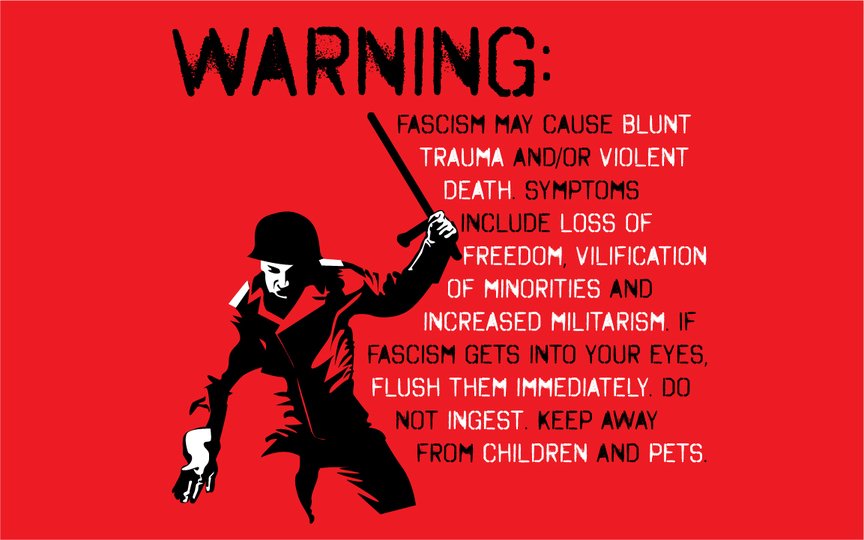
The Control of Information and Narrative: Digital Age Propaganda
In the digital age, the mechanisms of propaganda and information control have become even more sophisticated. Social media platforms, while offering avenues for open discourse, can also be exploited to spread misinformation, create echo chambers, and manipulate public opinion. This allows for the targeted dissemination of narratives that reinforce a particular brand of ideology, mirroring the fascist control of information by amplifying certain messages and suppressing dissenting views. The speed and reach of digital communication offer new avenues for the insidious spread of ideas that share core tenets with fascist ideology, demanding constant vigilance and critical engagement from consumers of information.
Ultimately, understanding what fascism means requires recognizing its capacity for adaptation and its reliance on sophisticated branding techniques to forge identity, demand loyalty, and control narratives. By analyzing its ideological architecture and its mechanisms of control through a branding lens, we can better identify and resist its resurfacing, even in its subtler, contemporary manifestations. The allure of a strong, unified brand, offering simple solutions to complex problems, can be powerful. However, when that brand is built on exclusion, division, and the suppression of individual liberty, its true cost becomes devastatingly clear.
aViewFromTheCave is a participant in the Amazon Services LLC Associates Program, an affiliate advertising program designed to provide a means for sites to earn advertising fees by advertising and linking to Amazon.com. Amazon, the Amazon logo, AmazonSupply, and the AmazonSupply logo are trademarks of Amazon.com, Inc. or its affiliates. As an Amazon Associate we earn affiliate commissions from qualifying purchases.