
The United States federal budget is a colossal and intricate financial document, reflecting the nation’s priorities, responsibilities, and evolving needs. Every year, trillions of dollars are allocated across a vast array of programs and services, from national defense and healthcare to infrastructure and education. Understanding where this money goes is crucial for informed citizenship and for grasping the economic forces that shape the country. While the exact figures fluctuate annually based on legislative decisions and economic conditions, a consistent pattern emerges when analyzing the largest categories of federal expenditure. This exploration delves into the primary drivers of US government spending, offering an insightful look into the financial landscape of the world’s largest economy.

The Pillars of Federal Expenditure: Entitlements and Defense
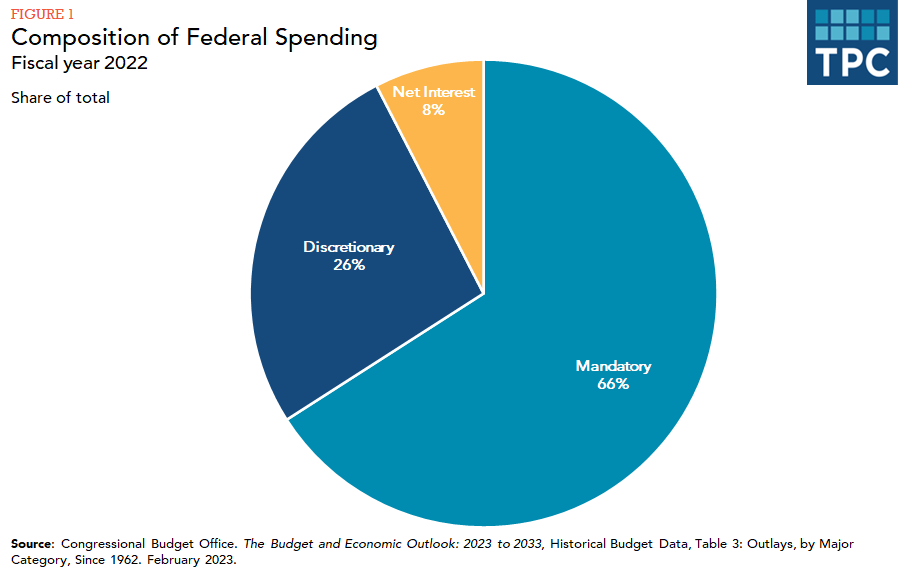
The overwhelming majority of US government spending is concentrated in two broad, and often intertwined, categories: mandatory spending, predominantly driven by entitlement programs, and discretionary spending, with national defense being the most significant component. These two areas collectively account for the largest portions of the federal budget, shaping both domestic well-being and global posture.
Mandatory Spending: The Engine of Entitlement Programs
Mandatory spending, also known as direct spending, is dictated by existing laws rather than annual appropriations. This means that funds are automatically allocated to programs like Social Security, Medicare, and Medicaid based on eligibility criteria and benefit formulas. These programs are designed to provide a safety net and essential services to millions of Americans.
Social Security: The Foundation of Retirement Security
Social Security is the cornerstone of retirement income for millions of Americans. Established in 1935, it provides retirement, disability, and survivor benefits. The program is primarily funded through dedicated payroll taxes levied on both employees and employers. As the baby boomer generation ages and the population’s life expectancy increases, the demographic pressures on Social Security continue to be a significant focus of fiscal policy discussions. The sheer scale of its payouts makes it the single largest federal program. Its solvency and future sustainability are perennial topics of debate, involving considerations of benefit adjustments, eligibility ages, and revenue enhancements. The program’s impact on personal finance, particularly for retirees, is profound, guaranteeing a baseline income that many would otherwise lack.
Medicare: Healthcare for the Elderly and Disabled
Medicare, established in 1965, provides health insurance for individuals aged 65 and older, as well as for younger people with certain disabilities and End-Stage Renal Disease. It is a vital program that significantly reduces healthcare costs for a vulnerable segment of the population. Medicare is funded through a combination of payroll taxes, premiums paid by beneficiaries, and general federal revenues. The rising cost of healthcare in the United States, coupled with an aging population, places immense strain on Medicare. Debates surrounding Medicare often revolve around controlling healthcare costs, expanding coverage, and ensuring the program’s long-term financial viability. For many seniors, Medicare is the primary means of accessing essential medical services, making it indispensable for their financial and physical well-being.
Medicaid: Health Coverage for Low-Income Individuals and Families
Medicaid, jointly funded by the federal government and state governments, provides health coverage to low-income individuals and families, including children, pregnant women, elderly adults, and people with disabilities. Its eligibility requirements and benefits vary by state, but it serves as a critical safety net for millions of Americans who cannot afford private health insurance. Medicaid spending is a significant component of state budgets as well as the federal budget. Like Medicare, Medicaid faces challenges related to rising healthcare costs and the increasing demand for services. Its role in providing access to healthcare for those who are most economically vulnerable underscores its importance in the broader social and financial fabric of the nation.
Discretionary Spending: National Defense and Beyond
Discretionary spending, in contrast to mandatory spending, is subject to the annual appropriations process. Congress decides how much to allocate to these programs each year. While discretionary spending encompasses a wide range of government functions, one area consistently commands the largest share.
National Defense: Protecting National Interests and Global Security
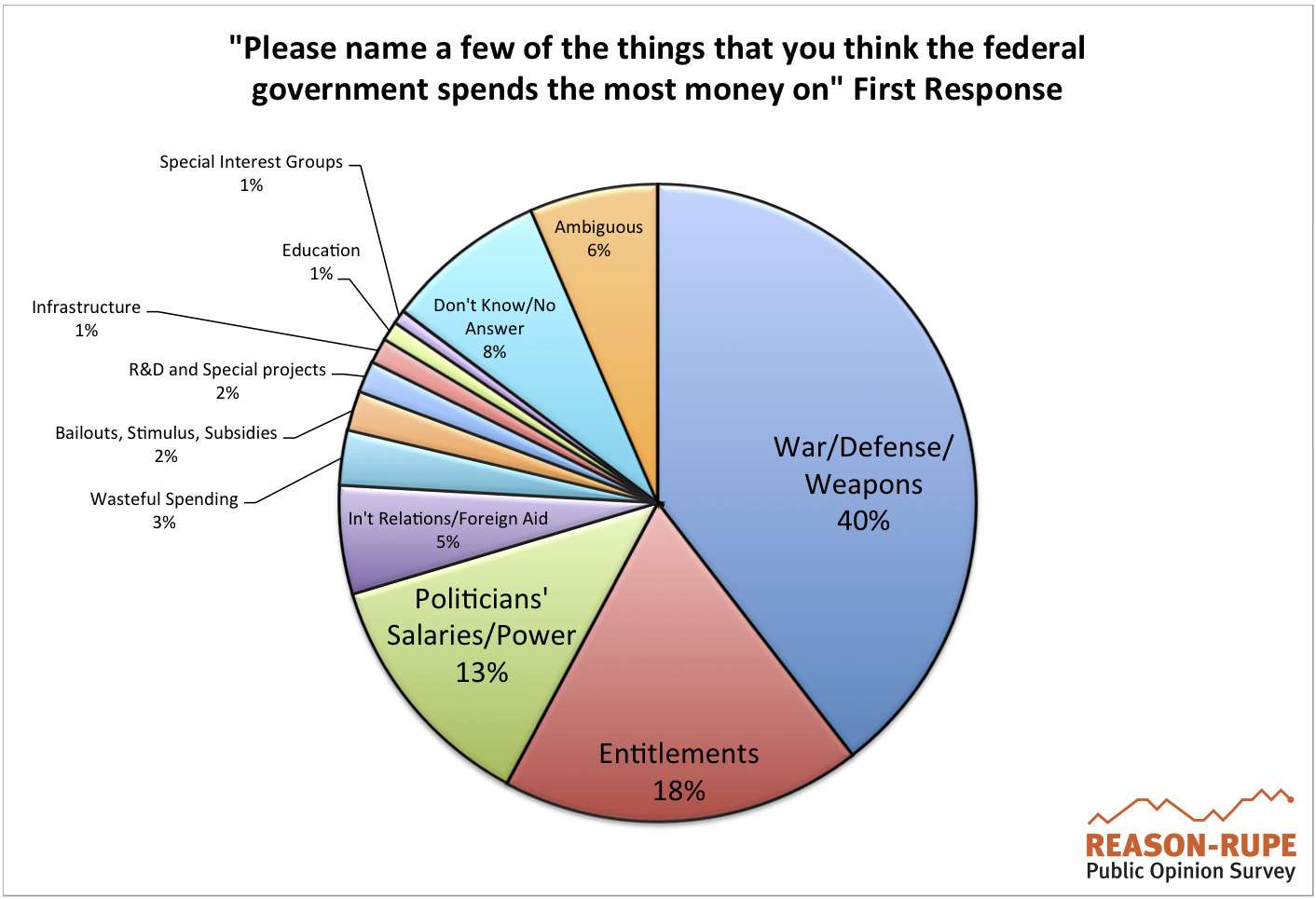
The United States maintains the largest military budget in the world. Spending on national defense covers personnel costs, procurement of weapons systems and equipment, research and development, military operations, and maintaining military bases at home and abroad. This expenditure is driven by a complex interplay of geopolitical considerations, national security threats, and the desire to project global power. The defense budget is a frequent subject of political debate, with discussions often centering on the appropriate level of military spending, the effectiveness of various weapons systems, and the strategic priorities of the nation. The economic impact of defense spending is also substantial, supporting a vast industrial base and numerous jobs.
Other Discretionary Spending: A Diverse Range of Services
While defense is the largest discretionary category, Congress also allocates funds to a multitude of other essential government functions. These include:
- Transportation: Investing in roads, bridges, airports, and public transit systems to facilitate commerce and mobility.
- Education: Funding for K-12 education, higher education, and financial aid programs.
- Veterans Affairs: Providing healthcare, benefits, and support services to former military personnel.
- Health and Human Services (non-Medicare/Medicaid): Funding for public health initiatives, research, and social services.
- Science and Technology: Investing in research and development across various scientific fields, including space exploration and energy.
- Housing and Community Development: Programs aimed at supporting affordable housing and community revitalization.
- International Affairs: Funding for diplomatic missions, foreign aid, and international development.
The allocation of funds within these discretionary categories reflects the evolving priorities of the US government and the nation as a whole.
Beyond the Big Two: Interest on the National Debt
While not a direct spending program in the traditional sense, interest payments on the national debt represent a substantial and growing financial obligation for the US government. As the national debt accumulates, the amount of money required to service that debt through interest payments also increases. This expenditure can divert significant resources away from other potential government investments or programs.
The Growing Burden of Debt Servicing
The national debt is the total amount of money that the federal government owes to its creditors, including individuals, businesses, and foreign governments. It is accumulated through years of deficit spending, where the government spends more than it collects in revenue. Interest payments on this debt are made to bondholders. The rate at which this interest accrues is influenced by prevailing interest rates in the economy. As the debt grows, so does the interest payment, creating a self-perpetuating cycle that can constrain fiscal flexibility. This financial obligation highlights the long-term consequences of deficit spending and the importance of fiscal responsibility. Managing the national debt and its interest payments is a critical aspect of the US government’s financial management.
Financial Flows and Economic Impact
Understanding where the US government spends its money is not merely an academic exercise; it has profound implications for the nation’s economy and the financial well-being of its citizens. The allocation of trillions of dollars directly influences various sectors, from defense contractors to healthcare providers, and from educators to infrastructure developers.
Economic Multipliers and Sectoral Influence
Government spending acts as a powerful economic stimulus. When the government invests in infrastructure, for example, it not only creates jobs in construction but also stimulates demand for materials like steel and cement, benefiting those industries. Defense spending, as noted, supports a vast network of companies and their employees. Similarly, investments in education can lead to a more skilled workforce, boosting long-term economic productivity. The sheer magnitude of federal expenditure means that its allocation can significantly shape economic growth, employment levels, and the competitive landscape of various industries.
The Role of Government in Personal Finance and Economic Stability
The government’s spending priorities have a direct impact on the financial lives of individuals. Social Security and Medicare, for instance, provide a crucial safety net that reduces financial risk for millions of households, particularly in retirement and during periods of illness. Unemployment benefits and other social programs offer temporary financial support during economic downturns. Furthermore, government investments in research and development can lead to new technologies and industries that create new opportunities for income generation and economic advancement. Conversely, fiscal decisions, such as tax policies and the management of national debt, also play a significant role in shaping the broader economic environment in which individuals make their financial decisions, pursue investments, and seek employment. The government’s financial stewardship, therefore, is inextricably linked to the economic stability and prosperity of its citizens.
In conclusion, while the US government engages in a vast array of spending activities, the lion’s share is consistently directed towards entitlement programs like Social Security, Medicare, and Medicaid, and towards national defense. These expenditures reflect the nation’s commitment to social welfare, national security, and its role on the global stage. The growing burden of interest on the national debt also represents a significant financial commitment that warrants ongoing attention. A comprehensive understanding of these spending patterns is essential for navigating the complexities of the US economy and for participating in informed discussions about the nation’s fiscal future.
aViewFromTheCave is a participant in the Amazon Services LLC Associates Program, an affiliate advertising program designed to provide a means for sites to earn advertising fees by advertising and linking to Amazon.com. Amazon, the Amazon logo, AmazonSupply, and the AmazonSupply logo are trademarks of Amazon.com, Inc. or its affiliates. As an Amazon Associate we earn affiliate commissions from qualifying purchases.