
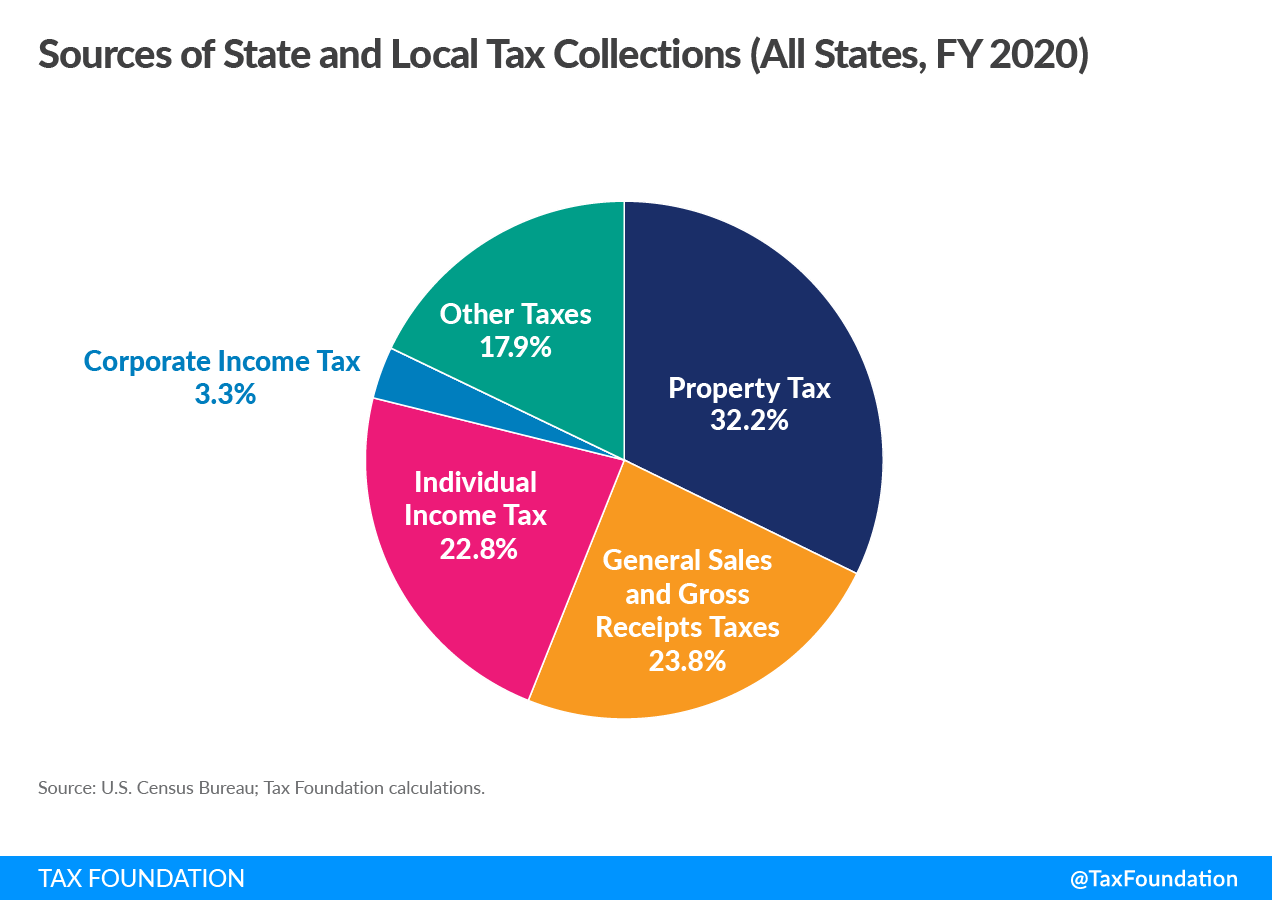
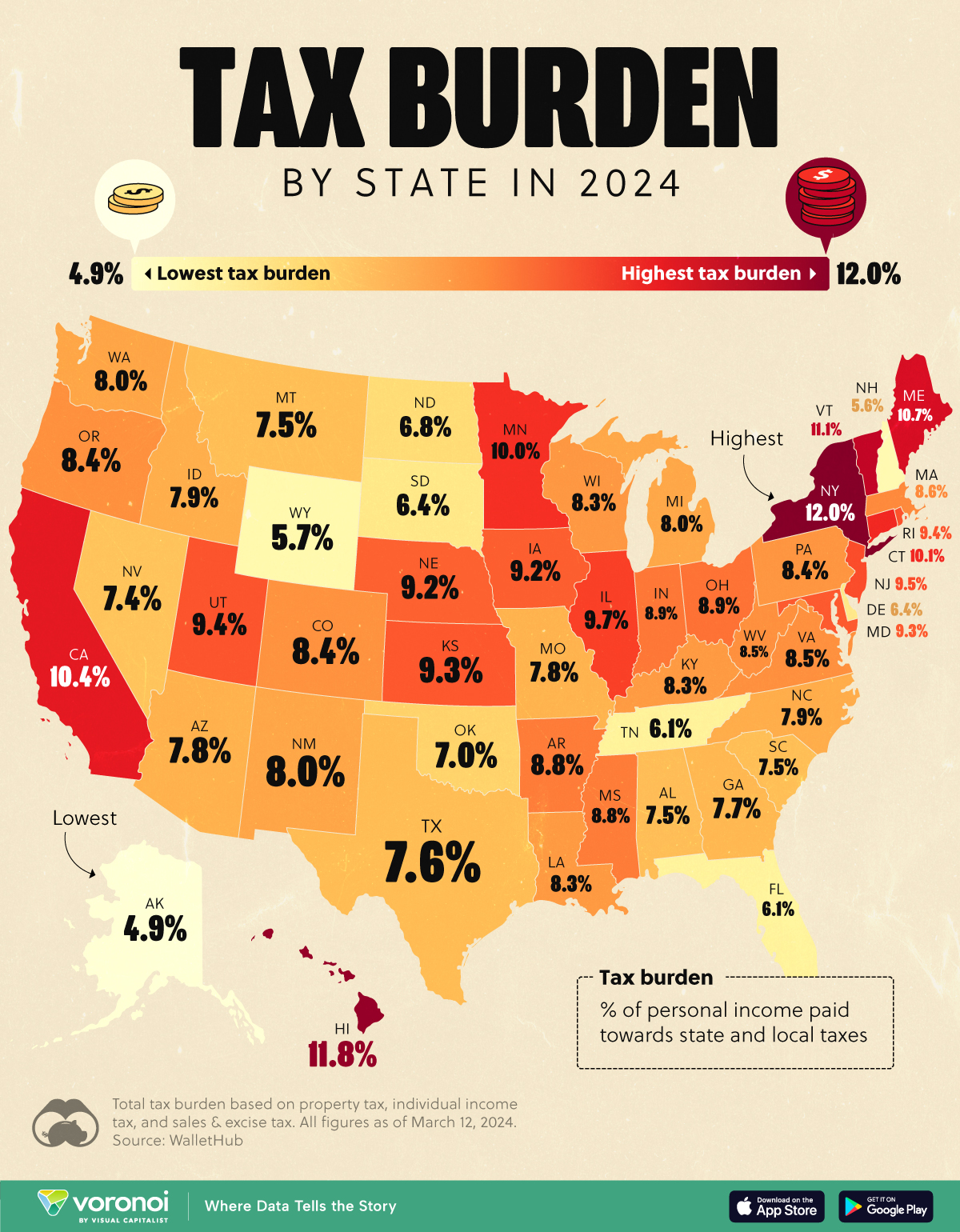
State taxes are a vital, often unseen, engine that powers the infrastructure and services we rely on daily. While the concept of paying taxes can sometimes feel like a burden, understanding where that money goes can foster a greater appreciation for their essential role in a functioning society. These funds are not simply absorbed into a governmental void; they are meticulously allocated to a diverse range of programs and services that directly impact the quality of life for every resident. From the roads we drive on to the schools our children attend, and the safety nets that protect our most vulnerable, state taxes are the bedrock upon which a prosperous and secure community is built.
Funding Public Education: Investing in Our Future
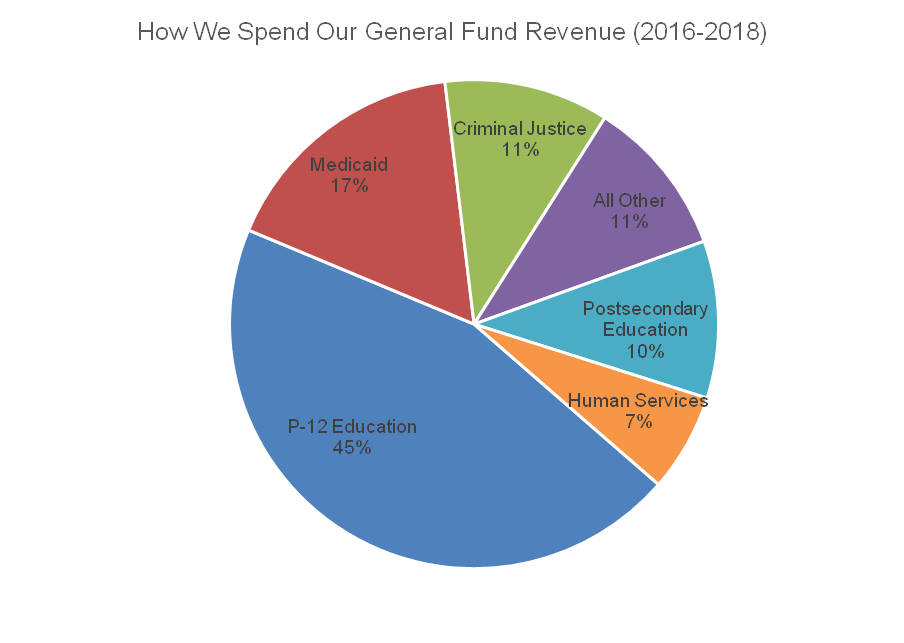
One of the most significant and impactful uses of state tax revenue is the funding of public education. This encompasses a broad spectrum of services, from early childhood programs to K-12 schools and the support of public universities and community colleges. Investing in education is not merely a civic duty; it is a strategic imperative for long-term economic growth and social mobility. Well-funded schools equip the next generation with the knowledge and skills necessary to innovate, contribute to the workforce, and participate actively in civic life.
K-12 School Systems: From Classrooms to Curriculum
State funding plays a crucial role in ensuring that public elementary and secondary schools have the resources they need to operate effectively. This includes everything from teacher salaries and benefits, which are critical for attracting and retaining qualified educators, to classroom supplies, textbooks, and educational technology. Beyond the basics, state funds often support specialized programs like special education services, gifted and talented programs, and bilingual education, catering to the diverse needs of students. Furthermore, a portion of state tax revenue is directed towards school infrastructure, including the construction, maintenance, and modernization of school buildings to ensure safe and conducive learning environments. Funding for standardized testing and curriculum development also falls under this umbrella, ensuring that educational standards are met and continuously improved.
Higher Education and Workforce Development: Cultivating Talent
State governments are also major contributors to the funding of public colleges, universities, and community colleges. These institutions are vital for developing a skilled workforce, fostering research and innovation, and providing accessible pathways to higher education for residents. State appropriations help to keep tuition costs at public institutions more affordable, making college attainable for a wider segment of the population. This funding supports faculty salaries, research initiatives, student support services, and the maintenance of campus facilities. Beyond traditional academic programs, state taxes often fund vocational training and workforce development programs designed to equip individuals with the specific skills needed for in-demand jobs, thereby strengthening the state’s economy and reducing unemployment.
Building and Maintaining Essential Infrastructure: The Backbone of Society
The physical infrastructure of a state is its circulatory system, enabling commerce, facilitating transportation, and providing essential utilities. State tax dollars are indispensable for the construction, repair, and upkeep of this vital network, ensuring that communities can function efficiently and safely. Without robust infrastructure, economic activity would stagnate, and the daily lives of citizens would be significantly hampered.
Transportation Networks: Paving the Way for Progress
A substantial portion of state tax revenue is dedicated to the development and maintenance of transportation infrastructure. This includes the construction and repair of roads, bridges, highways, and tunnels, which are essential for the movement of goods and people. State Departments of Transportation utilize these funds for everything from routine road maintenance, pothole repair, and resurfacing to large-scale projects like building new highways or expanding existing ones. Public transportation systems, such as buses, trains, and subways, also rely heavily on state funding for their operations, maintenance, and expansion. This ensures that residents have viable alternatives to private vehicle use, reducing traffic congestion and promoting environmental sustainability.
Utilities and Public Works: Ensuring Essential Services
Beyond transportation, state taxes contribute to the provision and maintenance of other critical public works and utilities. This can include funding for water and sewer systems, ensuring access to clean drinking water and effective waste management, which are fundamental to public health. State revenue also plays a role in supporting the development and maintenance of public utilities such as power grids and telecommunications infrastructure, though the extent of this involvement can vary. Furthermore, state funds can be allocated to the development and upkeep of public spaces like parks, recreational facilities, and community centers, enhancing the quality of life for residents and fostering community engagement.
Supporting Public Safety and Justice: Protecting Our Communities
The safety and security of its citizens are paramount responsibilities of any state government, and state tax revenue is a primary source of funding for the systems that uphold these principles. From law enforcement to the judicial system and emergency services, these funds are critical for maintaining order, responding to crises, and ensuring that justice is served.
Law Enforcement and Criminal Justice: Upholding the Law
State tax dollars are instrumental in funding state and local law enforcement agencies, including police departments, sheriffs’ offices, and state troopers. This funding covers personnel costs, training, equipment, and the operational expenses necessary for effective crime prevention and investigation. The judicial system, encompassing courts, judges, prosecutors, and public defenders, also relies heavily on state funding to ensure fair and efficient administration of justice. Furthermore, state revenue supports correctional facilities, including prisons and probation services, which are essential for managing the incarcerated population and facilitating rehabilitation efforts.
Emergency Services and Disaster Response: Preparedness and Relief
The state’s ability to respond effectively to emergencies and natural disasters is directly linked to its financial capacity, much of which is derived from tax revenue. Funding for state and local fire departments, ambulance services, and emergency medical technicians (EMTs) is crucial for providing immediate assistance during fires, accidents, and medical emergencies. State governments also allocate funds for emergency management agencies, which are responsible for planning, coordinating, and responding to natural disasters such as hurricanes, floods, earthquakes, and wildfires. This includes maintaining emergency communication systems, stockpiling essential supplies, and providing support and relief to affected communities.
Providing Social Services and Public Health: A Safety Net for All
State taxes are a cornerstone of the social safety net, providing essential services and support to vulnerable populations and promoting the overall health and well-being of the populace. These programs address a wide range of needs, from healthcare and social assistance to environmental protection and consumer safety.
Healthcare and Human Services: Addressing Basic Needs
A significant portion of state tax revenue is directed towards healthcare and human services programs. This includes funding for state-run hospitals and clinics, as well as support for public health initiatives aimed at disease prevention, health education, and vaccination programs. State governments also play a crucial role in administering and partially funding programs like Medicaid, which provides healthcare coverage to low-income individuals and families, and various social assistance programs designed to support those facing poverty, unemployment, or disability. Child welfare services, elder care programs, and mental health services are also often funded through state tax revenue, ensuring that essential support is available to those who need it most.
Environmental Protection and Consumer Safety: Safeguarding Our Well-being
Beyond direct human services, state taxes contribute to efforts that safeguard the environment and protect consumers. This can involve funding for environmental protection agencies that monitor and regulate pollution, conserve natural resources, and protect endangered species. State revenue may also support initiatives for clean air and water, waste management, and the promotion of renewable energy. Consumer protection agencies, funded by the state, work to prevent fraud, ensure product safety, and uphold fair business practices, thereby protecting residents from exploitation and harm.
aViewFromTheCave is a participant in the Amazon Services LLC Associates Program, an affiliate advertising program designed to provide a means for sites to earn advertising fees by advertising and linking to Amazon.com. Amazon, the Amazon logo, AmazonSupply, and the AmazonSupply logo are trademarks of Amazon.com, Inc. or its affiliates. As an Amazon Associate we earn affiliate commissions from qualifying purchases.