
The term “Sharia” is often associated with religious law and ethical principles, primarily within Islam. However, its underlying tenets and the methodologies employed to derive its rulings have profound implications and applications within the realm of technology. Far from being an abstract religious concept, Sharia, when understood through a framework of principles, ethical considerations, and dispute resolution mechanisms, offers a unique lens through which to analyze, develop, and regulate technological advancements. This article will explore what Sharia means in the context of technology, examining how its core values can inform ethical AI development, guide responsible data management, and even influence the design and adoption of new digital tools. We will delve into how the principles of fairness, justice, transparency, and accountability, inherent in Sharia, can provide a robust ethical compass for the tech industry.
Sharia as a Framework for Ethical Technology Development
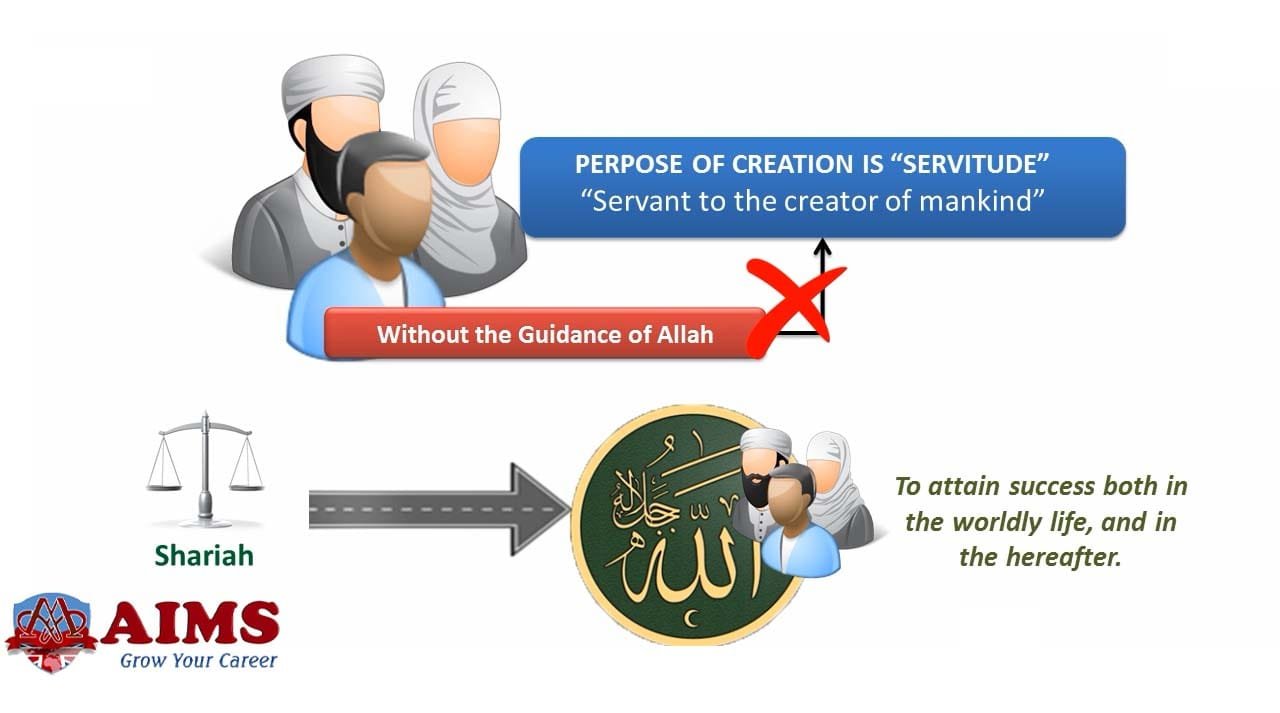
At its core, Sharia is not a rigid set of laws, but rather a comprehensive system of guidance derived from divine sources (the Quran and Sunnah) and further elaborated through human interpretation (Fiqh). This interpretive process, known as Ijtihad, emphasizes reasoning, analogy, and consideration of the prevailing circumstances. When applied to technology, this framework translates into a dynamic and adaptable approach to ethical development.
Principles of Islamic Jurisprudence and Technological Innovation
The foundational principles of Sharia offer a rich source of guidance for navigating the complex ethical landscapes of modern technology. These principles include:
Ensuring Justice and Fairness (Adl)
The principle of Adl (justice and fairness) is paramount in Sharia. In the technological sphere, this translates to a commitment to developing systems that are equitable and do not perpetuate or exacerbate existing societal biases. This means scrutinizing algorithms for potential discrimination in areas such as hiring, loan applications, or criminal justice. A Sharia-informed approach would mandate rigorous testing and auditing of AI models to ensure they treat all individuals fairly, regardless of their background. For instance, facial recognition technology, if trained on datasets that are not representative of diverse populations, can lead to discriminatory outcomes. Applying the principle of Adl would necessitate a proactive effort to create inclusive datasets and develop algorithms that mitigate such biases.
Protecting Human Welfare (Maslaha)
Maslaha refers to the protection of human welfare and the promotion of public good. This principle encourages the use of technology for beneficial purposes and discourages its application in ways that could cause harm or societal disruption. In the tech context, this translates to prioritizing innovations that address pressing societal needs, such as advancements in healthcare, education, or environmental sustainability. Conversely, it would caution against technologies that promote addiction, misinformation, or social isolation. For example, the development of persuasive technologies designed to maximize user engagement through addictive mechanisms might be questioned under the principle of Maslaha, as it could potentially undermine individual well-being and productivity.
Upholding Transparency and Accountability (Wudu’ and Khusn)
Transparency (Wudu’) and clarity (Khusn) are vital for trust and accountability. In the digital realm, this means ensuring that the workings of complex technologies, particularly AI and data processing systems, are understandable to users and stakeholders. This principle advocates for clear communication regarding data collection, usage, and algorithmic decision-making. Furthermore, the concept of accountability, inherent in Sharia’s emphasis on responsibility for one’s actions, demands that developers and deployers of technology be held responsible for the consequences of their creations. This aligns with the growing demand for explainable AI (XAI) and robust data privacy regulations. Companies developing AI systems should strive to make their models interpretable, allowing for scrutiny and recourse when errors or injustices occur.
Prohibiting Harm (Dharar)
A fundamental tenet of Sharia is the prohibition of causing harm (Dharar). This principle extends to the ethical considerations of technological development and deployment. It compels developers to anticipate and mitigate potential negative consequences, both intended and unintended, of their innovations. This could include cybersecurity vulnerabilities, the spread of harmful content, or the erosion of privacy. For instance, the development of autonomous weapons systems would likely be scrutinized under this principle due to the inherent risk of unintended harm and the potential for escalation of conflict. A proactive approach to identifying and addressing potential harms is crucial, moving beyond a reactive stance to address issues only after they arise.
Sharia-Compliant Data Management and Digital Security
The exponential growth of data and the increasing sophistication of digital security threats present a critical area where Sharia principles can offer valuable guidance. The ethical handling of personal information and the safeguarding of digital assets are directly aligned with Sharia’s emphasis on protecting rights and preventing exploitation.
Privacy and Confidentiality in the Digital Age
Sharia places significant importance on the sanctity of privacy and the protection of confidential information. The principle of Satr (covering or concealing) emphasizes the need to protect personal matters from unwarranted exposure. In the context of technology, this translates to a strong ethical imperative for robust data privacy practices. This includes:
Informed Consent and Data Ownership

Users should have a clear understanding of what data is being collected, how it will be used, and with whom it will be shared. The concept of informed consent, a cornerstone of ethical data handling, is deeply rooted in Sharia’s emphasis on voluntary agreement and the avoidance of deception. Furthermore, the idea of individual ownership over one’s data, while a relatively new concept in Western legal frameworks, resonates with the Sharia emphasis on individual rights and responsibilities. Technology companies must ensure that their data collection practices are transparent and that users have meaningful control over their personal information.
Data Security and Protection Against Breaches
The obligation to safeguard assets, including information, is a key aspect of Sharia. In the digital realm, this translates to a stringent requirement for data security. This involves implementing strong encryption, access controls, and regular security audits to prevent data breaches and protect sensitive information from unauthorized access or misuse. A Sharia-informed approach would view data breaches not just as technical failures, but as ethical failures that violate individuals’ rights to privacy and security. Investment in cybersecurity measures should be seen as an ethical obligation rather than merely a compliance requirement.
Minimizing Data Collection and Retention
The principle of necessity and avoidance of excess (Israf) suggests that data should only be collected and retained when it is genuinely necessary for a specific, legitimate purpose. Over-collection and prolonged retention of personal data increase the risk of misuse and breaches. Technology companies should adopt data minimization strategies, collecting only what is essential and securely deleting data once its purpose has been served. This approach aligns with the growing trend towards privacy-preserving technologies and data anonymization techniques.
The Future of Sharia-Informed Technology: From Principles to Practice
As technology continues to evolve at an unprecedented pace, the ethical frameworks guiding its development and deployment become increasingly crucial. Sharia, with its emphasis on justice, welfare, transparency, and accountability, offers a time-tested and adaptable ethical compass for the tech industry. Integrating these principles into the design, development, and governance of technology can lead to more responsible, equitable, and beneficial innovations.
Developing “Sharia-Compliant” Technologies and Services
The application of Sharia principles can extend to the design and functionality of specific technologies. This is particularly evident in the burgeoning field of Islamic finance technology (FinTech), which aims to provide financial services that adhere to Islamic principles, such as the prohibition of interest (Riba) and the promotion of ethical investments.
Ethical AI and Algorithmic Governance
Beyond FinTech, the principles of Sharia can guide the development of “ethical AI” in a broader sense. This involves building AI systems that are not only technically proficient but also aligned with human values and societal well-being. Imagine AI assistants designed to promote productivity and learning while respecting user privacy, or AI-powered healthcare diagnostics that are equitable and accessible to all. The development of robust governance structures for AI, informed by Sharia’s emphasis on consultation (Shura) and ethical oversight, will be essential to ensure these technologies serve humanity.
Responsible Innovation in Emerging Technologies
Emerging technologies like blockchain, virtual reality (VR), and augmented reality (AR) present new ethical challenges and opportunities. Sharia principles can provide a framework for navigating these complexities. For example, the decentralized nature of blockchain technology, with its inherent transparency and immutability, can be viewed through the lens of trust and accountability. In VR and AR, the potential for immersive experiences to influence behavior and perception necessitates careful consideration of ethical design and content moderation, aligning with the Sharia principle of preventing harm and promoting positive social impact.
The Role of Consultation and Collaboration
The very process of deriving Sharia rulings (Ijtihad) involves consultation and engagement with diverse perspectives. This principle of Shura (consultation) is highly relevant to the tech industry, which benefits immensely from interdisciplinary collaboration.
Cross-Disciplinary Dialogue for Ethical Tech
Fostering dialogue between technologists, ethicists, legal experts, and religious scholars is crucial for developing a comprehensive understanding of the ethical implications of new technologies. This cross-disciplinary approach, informed by Sharia’s emphasis on seeking wisdom from various sources, can lead to more nuanced and robust ethical guidelines for the tech sector.

Global Impact and Local Relevance
Understanding what Sharia means in the context of tech is not just an academic exercise; it has tangible global implications. As technology transcends borders, ethical considerations must be globally relevant while respecting local cultural and religious contexts. A Sharia-informed approach to technology development can contribute to a more just and equitable digital future for all, ensuring that technological progress is aligned with fundamental human values and principles. This means building technologies that are not only functional and innovative but also deeply rooted in ethical considerations that promote human dignity and well-being.
aViewFromTheCave is a participant in the Amazon Services LLC Associates Program, an affiliate advertising program designed to provide a means for sites to earn advertising fees by advertising and linking to Amazon.com. Amazon, the Amazon logo, AmazonSupply, and the AmazonSupply logo are trademarks of Amazon.com, Inc. or its affiliates. As an Amazon Associate we earn affiliate commissions from qualifying purchases.