
In the ever-evolving domain of technology, the word “rule” carries a multitude of meanings, often depending on the specific context. It can refer to fundamental principles, operational directives, or even the underlying logic that governs the behavior of systems. Understanding these nuances is crucial for anyone navigating the complexities of the digital world, from software developers to end-users. This exploration delves into the multifaceted significance of “rule” within technology, encompassing everything from the foundational algorithms that power our devices to the security protocols that protect our data.
The Algorithmic Foundation: Rules as the Core of Computation
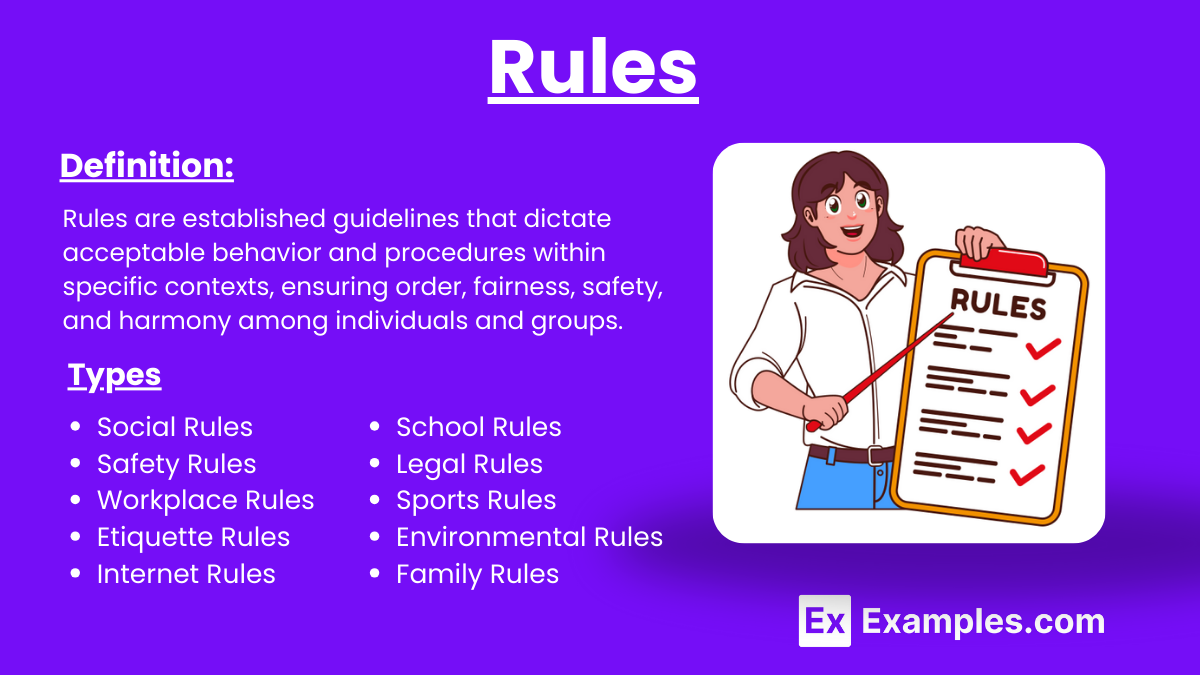
At the heart of all technology lies computation, and computation is fundamentally driven by rules. These rules, often expressed as algorithms, are precise sets of instructions that a computer follows to perform a specific task. They are the invisible architects behind everything from the search results we see to the recommendations we receive.
Algorithms: The Step-by-Step Directives
An algorithm is, in essence, a finite sequence of well-defined, computer-implementable instructions, typically to solve a class of specific problems or to perform a computation. For example, the algorithm for sorting a list of numbers dictates the exact steps needed to arrange them in ascending or descending order. Similarly, algorithms dictate how a social media feed is curated, how a recommendation engine suggests new products, or how a self-driving car navigates its environment. These algorithms are built upon a bedrock of logical rules.
Decision Trees and Rule-Based Systems
Within software development, especially in areas like artificial intelligence and expert systems, the concept of “rule” takes on a more explicit form. Decision trees, for instance, are a powerful visual representation of a set of rules. Each internal node represents a test on an attribute, each branch represents an outcome of the test, and each leaf node represents a class label (decision taken after computing all attributes). In essence, a decision tree is a flowchart-like structure where each path from the root to a leaf represents a specific rule.
Rule-based systems, also known as production systems, are another prominent example. These systems consist of a set of “if-then” rules. The “if” part, known as the antecedent, specifies a condition, and the “then” part, known as the consequent, specifies an action or conclusion. For example, a rule in a medical diagnosis system might be: “IF patient has fever AND cough THEN consider pneumonia.” These systems are invaluable for encoding expert knowledge and automating complex decision-making processes.
The Logic of Programming Languages
Programming languages themselves are built upon a strict set of syntactical and semantic rules. The syntax defines the valid structure of code, ensuring that it can be parsed and understood by a computer. The semantics define the meaning of that code – what actions it will perform. Violating these rules leads to errors, highlighting the absolute necessity of adhering to predefined structures and logic. Compilers and interpreters act as enforcers of these rules, translating human-readable code into machine-executable instructions.
Operational Directives: Rules Governing System Behavior
Beyond the fundamental logic of computation, “rules” also play a critical role in defining how technological systems operate and interact. These rules govern processes, ensure consistency, and manage the flow of information and resources.
Protocols: The Language of Network Communication
In the realm of networking and communication, protocols are the established rules that govern how data is transmitted, received, and interpreted between devices. Think of the internet as a vast global network where countless devices need to communicate. Without common protocols, this communication would be chaotic and impossible.
TCP/IP (Transmission Control Protocol/Internet Protocol): This is the fundamental suite of protocols that powers the internet. TCP ensures reliable data delivery by breaking down data into packets, numbering them, and reassembling them at the destination, retransmitting any lost packets. IP handles the addressing and routing of these packets across networks. Together, they form a set of rules that dictate how information travels from one computer to another, no matter how far apart they are.
HTTP (Hypertext Transfer Protocol): This protocol defines how web browsers and web servers communicate. When you type a URL into your browser, you are initiating an HTTP request. The web server responds with an HTTP response, containing the web page you requested. The rules of HTTP govern the format of these requests and responses, ensuring that both parties understand each other.
APIs (Application Programming Interfaces): The Rules of Engagement
APIs are sets of definitions and protocols that allow different software applications to communicate with each other. They act as intermediaries, defining the rules for how one piece of software can request services or data from another. For example, a weather app uses a weather service’s API to request current weather information. The API specifies the format of the request, the available data points, and the expected response format. By adhering to these rules, developers can integrate various services and build more sophisticated applications without needing to understand the intricate internal workings of each service.
Configuration and Policy Rules
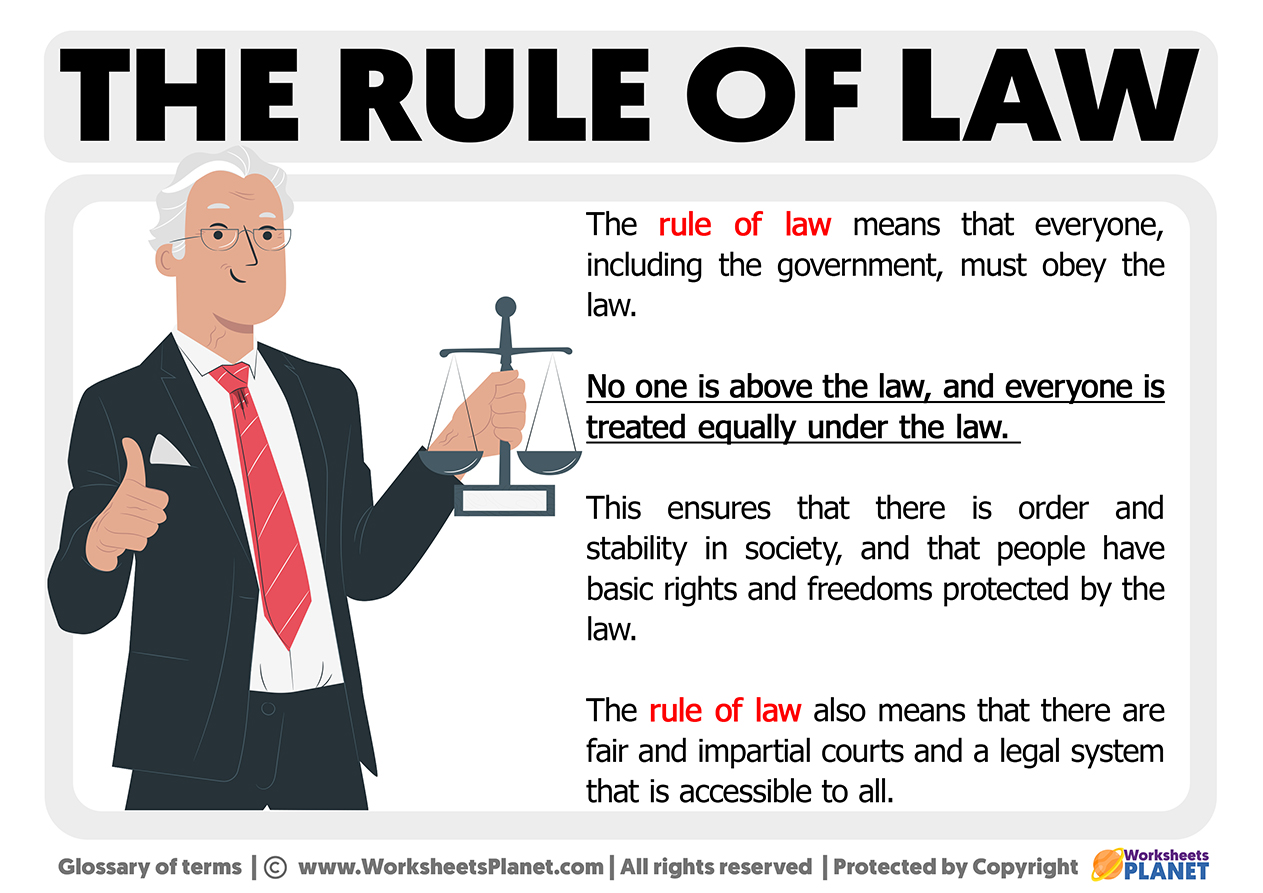
In managing complex IT infrastructures, configuration and policy rules are paramount. Configuration rules define the specific settings and parameters for software and hardware, ensuring they operate as intended. Policy rules, on the other hand, dictate access controls, security measures, and operational procedures. For instance, a firewall operates based on a set of rules that determine which network traffic is allowed to pass and which is blocked. Similarly, organizational policies might dictate password complexity requirements or data backup schedules – all forms of operational rules implemented through technology.
Security and Control: Rules as Guardians of Digital Integrity
Perhaps one of the most critical applications of “rules” in technology is in the domain of security. Rules are the guardians that protect our digital assets, prevent unauthorized access, and ensure the integrity of our data.
Access Control Lists (ACLs): The Gatekeepers of Information
Access Control Lists (ACLs) are a fundamental mechanism for enforcing security rules. They are lists of permissions attached to an object (such as a file, a directory, or a network resource) that specify which users or system processes are granted access to the object, and what operations are allowed. For example, an ACL on a sensitive document might specify that only authorized administrators can read, write, or delete it, while other users have no access at all. These rules are the digital equivalent of locked doors and security badges.
Firewalls and Intrusion Detection/Prevention Systems (IDS/IPS): The Watchmen of the Network
Firewalls act as a barrier between a trusted internal network and untrusted external networks, enforcing rules about what traffic is permitted to enter or leave. They operate based on predefined security policies, analyzing incoming and outgoing network traffic and blocking anything that doesn’t comply with the established rules. IDS/IPS systems go a step further, monitoring network traffic for suspicious activity that might indicate a security breach. They use rule sets, often derived from known attack patterns, to identify and flag potential threats, and in the case of IPS, to actively block them.
Encryption and Cryptography: The Rules of Secrecy
At a deeper level, encryption relies on mathematical rules and algorithms to scramble data, making it unreadable to anyone without the correct decryption key. Cryptography, the science of secure communication, uses a complex set of rules and mathematical principles to ensure confidentiality, integrity, and authenticity. Public key cryptography, for instance, relies on a pair of keys – a public key for encryption and a private key for decryption – governed by intricate mathematical rules. These rules are the bedrock of secure online transactions, secure messaging, and protecting sensitive personal information.
Regulatory Compliance and Governance: The Overarching Rules
In the broader tech landscape, “rules” also extend to the legal and regulatory frameworks that govern the development and use of technology. Data privacy regulations like GDPR (General Data Protection Regulation) and CCPA (California Consumer Privacy Act) impose strict rules on how personal data can be collected, processed, and stored. Software development itself often adheres to industry standards and best practices, which are essentially a set of codified rules aimed at ensuring quality, security, and maintainability. These overarching rules dictate the ethical and legal boundaries within which technological innovation must operate.
The Future of Rules in Technology: AI, Automation, and Evolution
As technology continues its relentless march forward, the concept of “rule” is itself evolving. Artificial intelligence and automation are leading to increasingly dynamic and adaptive rule sets.
Machine Learning and Adaptive Rules
Machine learning algorithms, while often trained on data, can also be seen as learning and evolving sets of rules. Instead of explicit if-then statements, these systems develop complex internal models that, when presented with new data, implicitly generate “rules” for prediction or classification. The “rules” here are not hardcoded but are emergent properties of the learning process. This allows for systems that can adapt to changing environments and discover novel patterns.
Autonomous Systems and Self-Governing Logic
The development of autonomous systems, from self-driving cars to advanced robotics, relies on sophisticated sets of rules that enable them to operate independently. These systems are programmed with a complex hierarchy of rules, priorities, and decision-making logic to navigate unpredictable environments and make real-time choices. The “rule” here is not just about executing a predefined task but about dynamically adapting behavior based on a constantly updating understanding of the surroundings.

The Dynamic Nature of Digital Rules
The digital realm is characterized by its fluidity. Rules are not static; they are constantly being updated, refined, and sometimes even rewritten. Software updates introduce new features and security patches, often altering the underlying rules of operation. Network protocols evolve to accommodate new technologies and demands. This dynamic nature means that staying current with the “rules” governing our technological interactions is an ongoing process.
In conclusion, the word “rule” in technology is far more than a simple directive. It encompasses the foundational algorithms that power computation, the essential protocols that enable communication, the security measures that protect our digital lives, and the evolving logic that drives artificial intelligence. Understanding these diverse meanings is not just an academic exercise; it is essential for anyone seeking to comprehend, build, or safely utilize the technologies that shape our modern world. From the most basic programming instruction to the complex ethical frameworks guiding AI, rules are the invisible scaffolding that supports our digital existence.
aViewFromTheCave is a participant in the Amazon Services LLC Associates Program, an affiliate advertising program designed to provide a means for sites to earn advertising fees by advertising and linking to Amazon.com. Amazon, the Amazon logo, AmazonSupply, and the AmazonSupply logo are trademarks of Amazon.com, Inc. or its affiliates. As an Amazon Associate we earn affiliate commissions from qualifying purchases.