
Navigating the complex landscape of prescription medication costs can be a daunting challenge for many individuals and families. For those prescribed Eliquis (apixaban), an anticoagulant medication crucial for preventing dangerous blood clots, understanding its price tag and available savings options is not merely a convenience but a financial necessity that directly impacts health outcomes. In an era of escalating healthcare expenses, tools like GoodRx have emerged as vital allies, empowering consumers with price transparency and access to significant discounts. This article delves into the financial intricacies of Eliquis, exploring how platforms like GoodRx can dramatically alter its cost, and offering comprehensive strategies for managing medication expenses within the broader context of personal financial health.
The Financial Burden of Essential Prescription Medications
The cost of prescription drugs in the United States continues to be a major concern, often placing a considerable strain on household budgets. For chronic conditions or preventative treatments that require long-term medication, these expenses accumulate, transforming a single prescription into a substantial financial commitment over time.
The Rising Cost of Essential Drugs
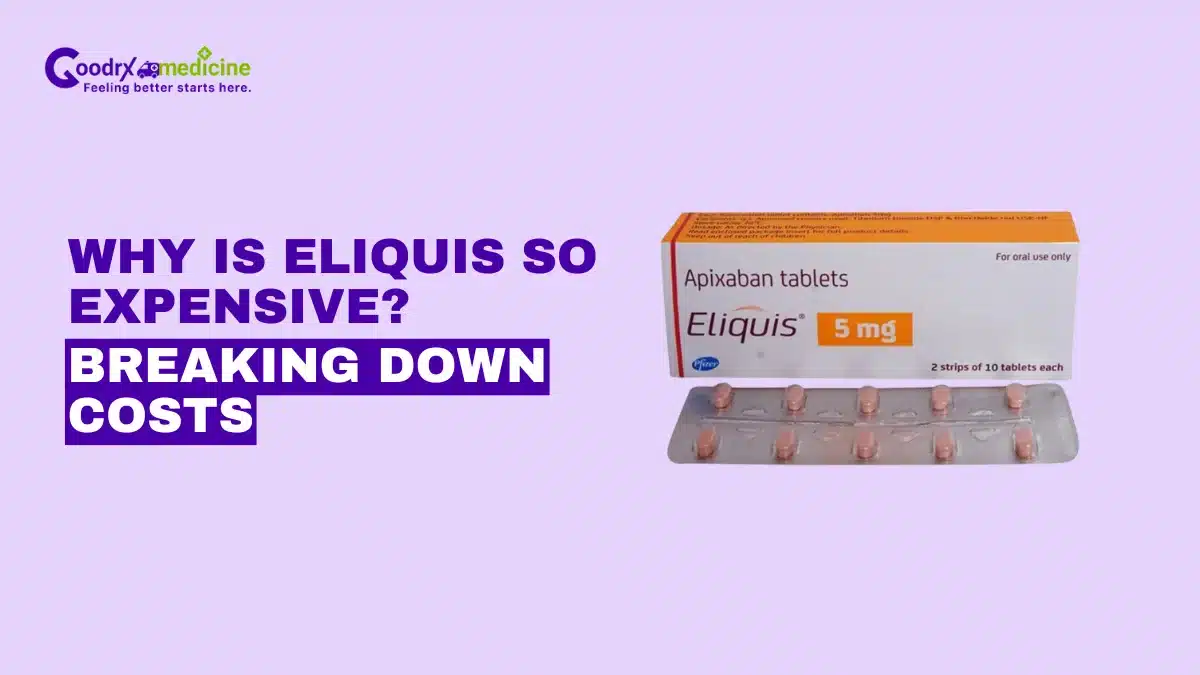
The pharmaceutical industry, driven by research and development, patent protections, and complex supply chains, often sets high prices for innovative medications. While these drugs can be life-saving, their cost can be prohibitive for many patients. Eliquis, a patented drug with no direct generic equivalent widely available in all markets, falls into this category of high-cost brand-name medications. Its vital role in preventing strokes and systemic embolism in patients with nonvalvular atrial fibrillation, and for the treatment and prevention of deep vein thrombosis (DVT) and pulmonary embolism (PE), makes its accessibility paramount. However, the sticker price without insurance or discounts can range significantly, often running into hundreds of dollars per month. This high baseline cost underscores the critical need for effective cost-saving strategies.
The Challenge of Affordability for Chronic Conditions
Managing a chronic condition or a preventative regimen like the one requiring Eliquis necessitates sustained adherence to medication. Financial barriers, however, are a leading cause of medication non-adherence, where patients skip doses, split pills, or delay refills to stretch their supply and budget. This not only compromises their health but can lead to more expensive hospitalizations and complications down the line, creating a vicious cycle of health and financial distress. For individuals already grappling with other medical expenses, co-pays, deductibles, and everyday living costs, an expensive prescription like Eliquis can push them to the brink, forcing difficult choices between health and other essential needs. Understanding and utilizing every available financial tool becomes essential for maintaining both physical well-being and fiscal stability.
Introducing GoodRx: A Powerful Tool for Medication Savings
In response to the opaque and often exorbitant world of prescription pricing, platforms like GoodRx have revolutionized how consumers approach medication purchases. GoodRx acts as a digital intermediary, bringing price transparency and discount opportunities directly to the patient’s fingertips.
What is GoodRx and How Does It Work?
GoodRx is a free-to-use digital platform that aggregates prescription drug prices from various pharmacies across the United States. Available as a website, mobile app, and even a printable coupon service, its primary function is to help consumers compare prices and find discounts on their medications. It’s not insurance, but rather a discount program that can often provide prices lower than what some insurance plans offer, especially for those with high deductibles or limited coverage for specific drugs. Users simply search for their medication, dosage, and quantity, and GoodRx presents a list of prices at nearby pharmacies, along with coupons that can be used at the point of sale.
The Mechanism Behind Discount Coupons and Price Comparisons
GoodRx’s ability to offer significant discounts stems from its intricate network of relationships with pharmacy benefit managers (PBMs) and pharmacies. PBMs negotiate drug prices with manufacturers and pharmacies, and GoodRx leverages these negotiated rates to provide its users with discounted prices. When a user presents a GoodRx coupon at the pharmacy, the transaction is processed through GoodRx’s system, effectively utilizing the negotiated price. This model benefits consumers by cutting down costs, benefits pharmacies by bringing in more customers, and GoodRx by earning a small fee from the PBMs for each transaction. This ecosystem effectively bypasses some of the traditional markups, passing savings directly to the patient. Moreover, by compiling prices from thousands of pharmacies, GoodRx empowers consumers to make informed financial decisions, turning what was once a guessing game into a clear price comparison.
Beyond Discounts: GoodRx’s Role in Price Transparency
Beyond merely providing discounts, GoodRx plays a crucial role in bringing much-needed price transparency to the pharmaceutical market. Historically, comparing drug prices required calling multiple pharmacies or simply accepting whatever price was offered. GoodRx centralizes this information, allowing users to see a wide range of prices for the same medication within their local area. This transparency not only helps individuals save money but also fosters a more competitive environment among pharmacies, potentially driving down overall drug costs. For complex medications like Eliquis, where prices can vary wildly, this insight is invaluable, transforming patients from passive recipients into active participants in managing their healthcare expenditures.
Navigating Eliquis Costs with GoodRx
Applying GoodRx’s capabilities to a specific high-cost medication like Eliquis reveals its true power in personal finance management. Understanding the variables and steps involved is key to maximizing savings.
Factors Influencing Eliquis Pricing
Several factors contribute to the variability in Eliquis’s price, even before applying discounts. These include:
- Dosage and Quantity: Higher dosages or larger quantities (e.g., a 90-day supply vs. a 30-day supply) will naturally have a higher absolute cost, though per-pill cost might sometimes be lower for larger supplies.
- Pharmacy Location and Type: Prices can differ significantly between national chain pharmacies (CVS, Walgreens, Rite Aid), local independent pharmacies, and big-box store pharmacies (Walmart, Costco). Geographic location can also play a role due to varying local market dynamics.
- Supply and Demand: While less volatile for a brand-name drug like Eliquis, market forces can influence pricing.
- Negotiated Contracts: The underlying contracts between pharmaceutical manufacturers, PBMs, and pharmacies can lead to different base prices, which GoodRx then leverages.
Understanding these variables helps contextualize the range of prices GoodRx presents and prepares the consumer for potential savings opportunities.
Step-by-Step Guide to Using GoodRx for Eliquis

Using GoodRx to find discounts on Eliquis is a straightforward process:
- Visit GoodRx: Go to GoodRx.com or open the GoodRx app.
- Search for Eliquis: Type “Eliquis” into the search bar.
- Specify Details: Enter the exact dosage (e.g., 5mg, 2.5mg) and quantity (e.g., 60 tablets for a 30-day supply) as prescribed by your doctor.
- Enter Location: Provide your zip code to see prices at local pharmacies.
- Compare Prices: GoodRx will display a list of pharmacies in your area, along with their prices for Eliquis and available GoodRx coupons. Often, it will highlight the “lowest price” option.
- Select a Pharmacy and Coupon: Choose the pharmacy with the best price that is convenient for you.
- Get Your Coupon: You can print the coupon, email it to yourself, or simply show the coupon code from the GoodRx app to the pharmacist.
- Present at Pharmacy: At the pharmacy counter, give the pharmacist your prescription and the GoodRx coupon code. Inform them you’d like to use GoodRx. They will apply the discount, and you will pay the GoodRx price.
It’s important to remember that you typically cannot use GoodRx in conjunction with your insurance. You must choose one or the other. Often, for high-cost drugs, the GoodRx price can be lower than your insurance co-pay, especially if you have a high deductible that hasn’t been met.
Real-World Scenarios and Potential Savings
The savings with GoodRx for Eliquis can be substantial. For a 30-day supply of Eliquis 5mg, prices without insurance can easily exceed $500-$600 or more. With GoodRx, it’s common to find prices ranging from $400 down to $350, and sometimes even lower, depending on the pharmacy and specific negotiations. While still a significant sum, a saving of $100-$200 per month translates to $1,200-$2,400 per year, a tangible impact on personal finances. For many, this difference can make the medication affordable and ensure continuous treatment, preventing adverse health events and associated higher medical costs. Regularly checking GoodRx before each refill is a crucial financial habit for anyone prescribed Eliquis.
Maximizing Your Savings Beyond GoodRx
While GoodRx is an excellent starting point, a holistic approach to managing Eliquis costs involves exploring additional avenues for financial relief. Smart financial planning for healthcare extends beyond a single tool.
Exploring Manufacturer Programs and Patient Assistance
Pharmaceutical manufacturers often offer patient assistance programs (PAPs) or copay cards directly to consumers. These programs are designed to help eligible patients afford their medications, particularly those who are uninsured, underinsured, or facing significant out-of-pocket costs. For Eliquis, its manufacturer, Bristol Myers Squibb and Pfizer, may offer such programs. Eligibility criteria typically involve income levels and insurance status. Investigating these options can potentially lead to further reductions or even free medication for qualifying individuals. Information about these programs can usually be found on the manufacturer’s website or by asking your prescribing physician or pharmacist.
The Role of Insurance and Deductibles
Understanding your health insurance plan is paramount. For some, after meeting a high deductible, insurance coverage might offer a lower price than GoodRx. It’s crucial to compare the GoodRx price with your insurance co-pay once your deductible is met. Additionally, if you have a health savings account (HSA) or flexible spending account (FSA), you can use pre-tax dollars to pay for Eliquis, whether using GoodRx or your insurance, offering another layer of financial benefit. Strategic use of these tax-advantaged accounts can effectively reduce the net cost of the medication.
Generic Alternatives and Therapeutic Equivalence
Currently, Eliquis is primarily available as a brand-name drug in most markets, though authorized generics have begun to emerge in specific regions. While GoodRx generally excels at finding discounts on brand-name drugs, the eventual availability of a bioequivalent generic version would be the most significant cost-saving development. Generic drugs are typically a fraction of the cost of their brand-name counterparts. Always discuss with your doctor whether a generic alternative or another therapeutically equivalent anticoagulant could be an option for your condition, keeping in mind that therapeutic choices should always prioritize medical efficacy and safety.
Pharmacist Consultation and Doctor Discussions
Your healthcare providers are invaluable resources for managing medication costs. Your doctor might be aware of alternative medications that are equally effective but less expensive, or might have samples available. Your pharmacist can also be a wealth of information, offering insights into manufacturer coupons, store-specific discount programs, or even advising on whether a 90-day supply might be more cost-effective than monthly refills. Openly discussing financial concerns with your medical team is crucial; they are partners in your health journey, and this includes helping you afford the necessary treatments.
The Broader Impact: Financial Health and Medication Adherence
The ability to afford essential medications like Eliquis has profound implications beyond immediate savings, touching upon overall financial health and the critical aspect of treatment adherence.
The Link Between Cost and Treatment Compliance
The financial burden of medication is a well-documented barrier to adherence. When patients face high out-of-pocket costs, they are more likely to ration their medication, skip doses, or abandon treatment altogether. For a medication like Eliquis, which prevents life-threatening events such as strokes and deep vein thrombosis, non-adherence carries severe health risks, often leading to emergency room visits, hospitalizations, and more intensive (and expensive) medical interventions. By significantly reducing the cost barrier, tools like GoodRx and other financial strategies directly contribute to improved treatment compliance, fostering better health outcomes and ultimately reducing the overall economic burden on the healthcare system and the individual. This financial relief supports continuous treatment, ensuring the medication can perform its vital role without interruption.
Empowering Consumers with Financial Information
GoodRx and similar platforms represent a shift towards greater consumer empowerment in healthcare. By making prescription drug pricing transparent and accessible, these tools equip patients with the knowledge to make informed financial decisions about their health. This empowerment is particularly crucial in the complex and often confusing world of healthcare billing and insurance. When individuals understand their options and have the means to compare prices, they become active managers of their medical expenses, leading to a more proactive approach to personal finance and healthcare planning. For a drug like Eliquis, where consistent use is vital, this empowerment translates directly into sustained health.
Long-Term Financial Planning for Healthcare Expenses
For individuals requiring long-term medication like Eliquis, incorporating healthcare costs into broader personal financial planning is essential. This includes budgeting for recurring medication expenses, exploring health savings accounts (HSAs) for tax-advantaged savings for future medical needs, and reviewing insurance plans annually to ensure optimal coverage. Understanding the potential out-of-pocket costs for essential drugs and actively seeking ways to mitigate them through tools like GoodRx is not just about saving money in the short term, but about building a resilient financial future that can absorb ongoing healthcare needs without compromising overall stability. The journey to afford Eliquis, aided by GoodRx and other strategies, is a microcosm of effective financial management in the face of ongoing health requirements.
In conclusion, while the cost of Eliquis can be substantial, platforms like GoodRx offer a powerful and accessible means to significantly reduce this financial burden. By understanding how these tools work, combining them with other savings strategies, and engaging proactively with healthcare providers, patients can ensure they receive their vital medication without jeopardizing their financial well-being. This integrated approach to medication affordability is not just good for the wallet; it’s essential for sustained health and peace of mind.
aViewFromTheCave is a participant in the Amazon Services LLC Associates Program, an affiliate advertising program designed to provide a means for sites to earn advertising fees by advertising and linking to Amazon.com. Amazon, the Amazon logo, AmazonSupply, and the AmazonSupply logo are trademarks of Amazon.com, Inc. or its affiliates. As an Amazon Associate we earn affiliate commissions from qualifying purchases.