
The name “Anubis” evokes a potent and immediate imagery: a jackal-headed deity, the guardian of the underworld, the conductor of souls, and the divine overseer of mummification and the afterlife. For millennia, this figure has held a significant place in human consciousness, primarily through the lens of ancient Egyptian religion. However, beyond its mythological origins, the concept of “Anubis” has evolved into a powerful and enduring brand. This brand is not owned by a corporation or a product, but rather by a set of profound associations, archetypal symbols, and ingrained cultural narratives that continue to resonate in the modern world. Understanding what Anubis means is to dissect the multifaceted layers of a brand that transcends time, offering insights into human fears, aspirations, and the eternal quest for meaning.

The Genesis of a Brand: Anubis in Ancient Egypt
The narrative of Anubis as a brand begins with his foundational role within the complex tapestry of ancient Egyptian cosmology. His iconography, his mythological duties, and his symbolic representations all contributed to a potent and consistent brand identity that appealed to the core beliefs and anxieties of the Egyptian populace.
Divine Roles and Responsibilities: The Core Brand Proposition
At its heart, the Anubis brand was built upon a series of critical divine functions, each serving as a core pillar of its brand proposition. His association with death and the afterlife was paramount. As the god of mummification, he was the divine artisan ensuring the preservation of the physical body, a crucial step in the journey to eternal life. This role instilled confidence and provided a tangible connection to the unknown.
Furthermore, Anubis was the psychopomp, the guide who led the souls of the deceased through the perilous journey of the Duat (underworld). This protective and guiding aspect made him a figure of solace and reassurance, a divine concierge for the ultimate transition. His most iconic role, however, was presiding over the “Weighing of the Heart” ceremony. In this tribunal, the heart of the deceased was weighed against the feather of Ma’at (truth and justice). Anubis ensured the fairness of this judgment, determining the soul’s worthiness for the afterlife. This function cemented his image as an impartial arbiter, a symbol of cosmic justice, and a guarantor of order.
Visual Identity: The Iconic Jackal and its Symbolism
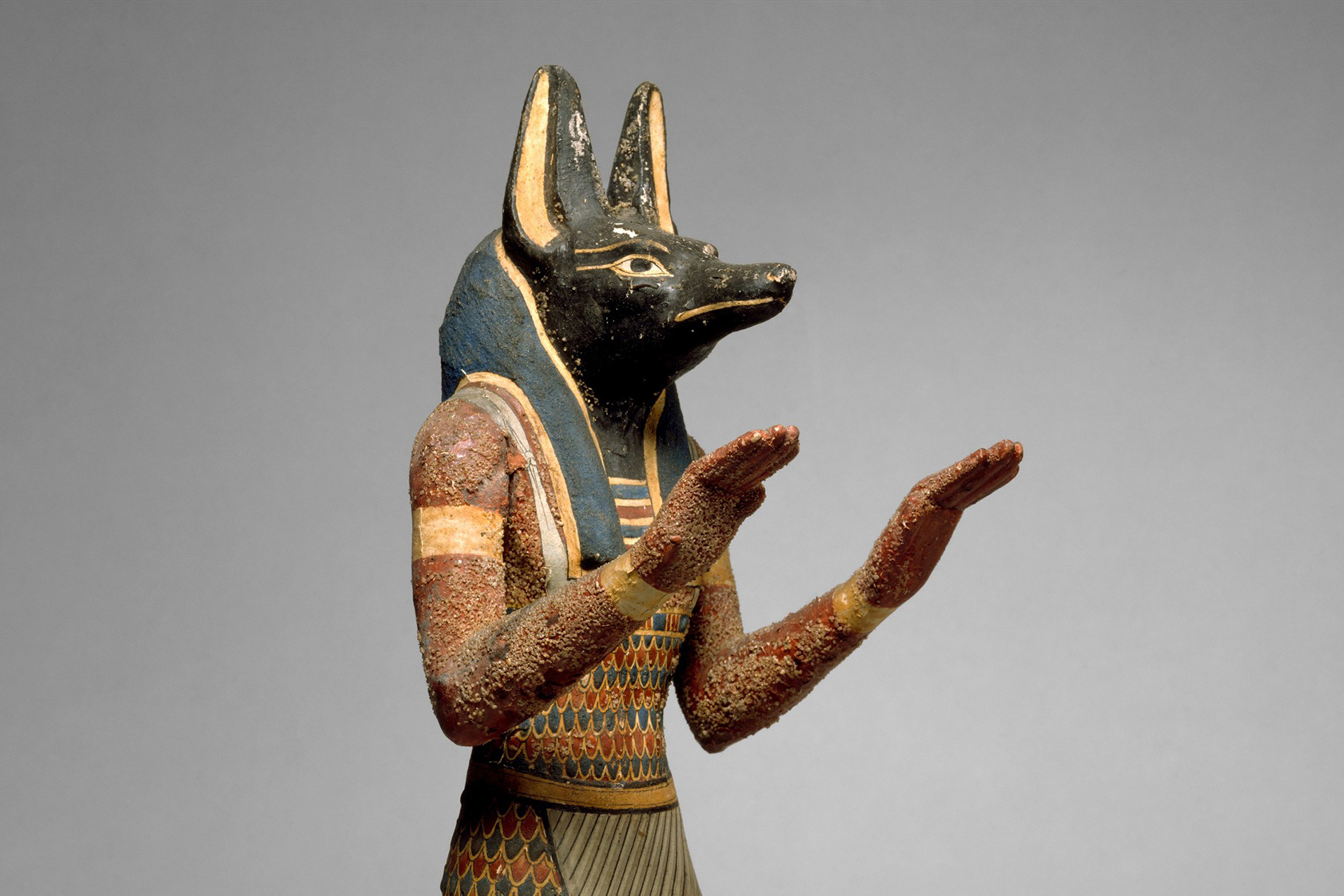
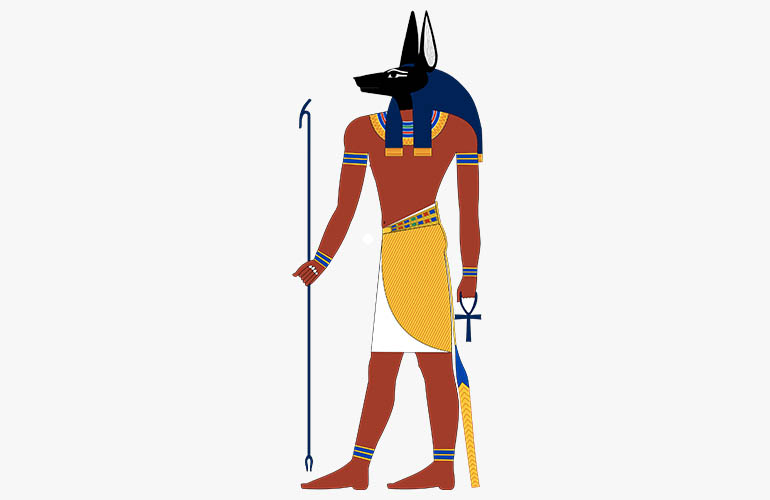
The visual manifestation of Anubis is a cornerstone of his brand’s recognizability. The anthropomorphic depiction with the head of a jackal, or sometimes as a full jackal, is instantly identifiable. This choice of animal was not arbitrary. Jackals were common scavengers in ancient Egypt, often seen near cemeteries and burial grounds, making them a natural, albeit somewhat unsettling, association with death and the liminal spaces between life and the afterlife.
The jackal’s keen senses, nocturnal habits, and association with the desert edge also contributed to his mystique. The sleek, dark fur evoked the shadows of the underworld, while the piercing eyes suggested vigilance and an understanding of hidden realms. This visual cue effectively communicated his domain and his responsibilities, creating a powerful and memorable brand icon that has endured for thousands of years. The deliberate choice of an animal often perceived as ominous yet intrinsically linked to the deceased created a brand that was both respected and feared, a testament to its psychological potency.
Ritual and Cult: Embedding the Brand in Daily Life
The brand of Anubis was not confined to abstract mythology; it was deeply embedded in the rituals and cultic practices of ancient Egypt. His cult centers, particularly in Cynopolis (the “City of Dogs”), were places where his worship was prominent. Priests dedicated to Anubis would have performed ceremonies related to mummification, funeral rites, and prayers for the deceased.
The practices surrounding mummification itself, a meticulous and sacred process, served as a tangible manifestation of Anubis’s brand. The careful embalming, wrapping, and placement within sarcophagi were all acts performed under his divine patronage. These rituals reinforced the belief that Anubis was actively involved in the transition, offering a sense of control and purpose in the face of mortality. The ubiquity of funerary practices and the emphasis on preparing for the afterlife ensured that the brand of Anubis was constantly reinforced, making him an integral part of the Egyptian cultural landscape.
The Enduring Brand Equity: Anubis in the Modern Psyche
The collapse of the ancient Egyptian civilization did not signal the end of the Anubis brand. Instead, his symbolic power proved remarkably resilient, migrating across cultures and finding new interpretations. The equity built over millennia continues to inform how we perceive him and the archetypes he represents.
Archetypal Resonance: Universal Themes in the Anubis Brand
The enduring appeal of Anubis lies in his embodiment of universal archetypes that resonate deeply with the human psyche. He represents the inevitable transition of death, but crucially, he also symbolizes the hope for a just judgment and a continuation of existence. This duality – the stark reality of mortality coupled with the promise of order and consequence – makes him a compelling figure.
His role as a guardian and guide speaks to our innate need for protection and direction, especially in times of uncertainty and profound change. The “Weighing of the Heart” ceremony taps into our collective desire for fairness and accountability, for a sense that our actions have meaning and will be justly assessed. These archetypal associations allow Anubis to transcend his Egyptian origins and speak to fundamental human concerns that remain relevant across cultures and time periods. His brand equity is built on these timeless themes of passage, judgment, and the eternal cycle of existence.
Pop Culture Manifestations: Rebranding for New Audiences
In the modern era, Anubis has experienced a significant degree of “rebranding” through his presence in popular culture. From Hollywood blockbusters like “The Mummy” franchise to video games, comic books, and fantasy literature, his image is frequently invoked. These modern interpretations often adapt his iconography and narrative to suit contemporary tastes and storytelling conventions.
While some portrayals remain faithful to his ancient role, others creatively reinterpret him, sometimes as an antagonist, a neutral cosmic force, or even a figure with a more ambiguous morality. These adaptations, while potentially deviating from strict historical accuracy, serve to keep the Anubis brand visible and relevant to new generations. Each new iteration, whether accurate or stylized, contributes to the ongoing narrative and brand recognition of Anubis, ensuring his continued presence in the collective imagination. This constant exposure, even in fictional contexts, reinforces his status as a recognizable and potent symbol.
Symbol of Transition and Transformation: Anubis as a Metaphorical Brand
Beyond specific portrayals, Anubis has evolved into a powerful metaphorical brand representing transition and transformation. In fields as diverse as psychology, literature, and even business strategy, his symbolism is employed to denote periods of significant change, endings that lead to new beginnings, and the often-unseen processes that govern such shifts.
In a personal development context, invoking Anubis can signify confronting one’s fears, navigating difficult emotional landscapes, or embracing a profound personal transformation. In storytelling, he can represent the pivotal moment where a character faces their ultimate test. Even in branding strategy, the concept of “Anubis branding” could refer to a company’s approach to managing its brand’s evolution, acknowledging the “death” of old strategies to usher in new ones. This metaphorical application showcases the immense depth and flexibility of the Anubis brand, allowing it to be adopted and adapted to symbolize a wide array of profound human experiences.
The Anubis Brand in Digital Spaces: Longevity and Adaptation
The digital age presents a unique challenge and opportunity for enduring brands. Anubis, with his visually striking nature and rich symbolic meaning, has found new avenues for expression and engagement online, demonstrating his adaptability and continued relevance.
Visual Virality and Online Iconography
The distinctive jackal head of Anubis makes him inherently “viral” in the visual language of the internet. Memes, digital art, and profile pictures featuring Anubis or his motifs are commonplace across social media platforms and online forums. This visual iconography transcends language barriers, allowing his image to be recognized and appreciated globally.
Online communities dedicated to mythology, history, and fantasy often feature Anubis prominently. His image is easily shared and reposted, contributing to his sustained visibility. This digital proliferation, while often informal, acts as a continuous form of brand reinforcement, ensuring that new audiences are exposed to his iconic presence. The ease with which his image can be digitally replicated and disseminated speaks to the inherent strength and memorability of his visual brand.
Gaming and Virtual Worlds: Anubis as a Digital Persona
Video games, in particular, have provided a fertile ground for Anubis’s brand to thrive. He frequently appears as a character, a boss, a thematic element, or even as the overarching concept in games that explore ancient civilizations, mythology, or themes of life and death. From strategy games to action-adventure titles, his presence adds an aura of mystery, power, and ancient wisdom.
Virtual worlds and MMORPGs (Massively Multiplayer Online Role-Playing Games) allow players to engage with Anubis’s lore in interactive ways. They might embark on quests related to his domain, collect artifacts associated with him, or even adopt his visual style for their in-game avatars. This deep immersion into his world fosters a personal connection with his brand, making him more than just a mythical figure but a tangible presence within a digital experience.
Educational Content and Digital Storytelling
The digital realm also facilitates the dissemination of more in-depth educational content about Anubis. Documentaries, animated explanations, articles, and interactive timelines are readily available, allowing people to explore his historical context, mythological narratives, and symbolic significance. Platforms like YouTube and educational websites have become modern-day temples where the stories of ancient deities can be retold and appreciated.
This digital storytelling allows for a nuanced understanding of the Anubis brand, moving beyond simplistic portrayals. It can delve into the complexities of ancient Egyptian religion, the evolution of his worship, and the scholarly interpretations of his role. By providing accessible and engaging content, digital platforms ensure that the intellectual and cultural heritage associated with Anubis remains alive and accessible to a global audience, thereby maintaining and enriching his brand value.
The Legacy of Anubis: A Timeless Brand of Transition
The meaning of Anubis extends far beyond a simple name or a mythological character. He represents a profound and enduring brand, forged over millennia by his integral role in human conceptions of death, justice, and the passage to the unknown. His brand is characterized by its iconic visual identity, its deep archetypal resonance, and its remarkable ability to adapt and persist across cultures and through the transformative medium of digital technology.
The Unifying Power of Shared Meaning
Ultimately, the Anubis brand’s longevity is a testament to the unifying power of shared meaning. The anxieties surrounding mortality, the desire for justice, and the hope for continuity are universal human experiences. Anubis, as the divine guide and arbiter of the afterlife, has provided a focal point for these profound concerns for countless generations. His brand offers a narrative framework that helps individuals and societies grapple with the ultimate questions of existence.
Enduring Relevance in a Changing World
In a world that is constantly evolving, the core themes represented by Anubis remain remarkably constant. The need to understand and navigate transitions, to seek fairness, and to contemplate our place in the grand scheme of things are as relevant today as they were in ancient Egypt. The Anubis brand, therefore, continues to offer a powerful lens through which to examine these enduring human preoccupations. Its ability to be reinterpreted and applied in new contexts, from pop culture to metaphorical usage, ensures its continued relevance.
The Future of the Anubis Brand
As technology advances and our understanding of the world deepens, the Anubis brand will undoubtedly continue to evolve. Its digital footprint will likely grow, offering new interactive experiences and accessible educational resources. The archetypal power of Anubis will continue to inspire artists, storytellers, and thinkers, ensuring that his name and image remain synonymous with the profound mysteries of life, death, and the eternal journey. The Anubis brand is not just a relic of the past; it is a living, breathing entity whose meaning continues to be written and rewritten, a testament to its extraordinary and enduring cultural impact.
aViewFromTheCave is a participant in the Amazon Services LLC Associates Program, an affiliate advertising program designed to provide a means for sites to earn advertising fees by advertising and linking to Amazon.com. Amazon, the Amazon logo, AmazonSupply, and the AmazonSupply logo are trademarks of Amazon.com, Inc. or its affiliates. As an Amazon Associate we earn affiliate commissions from qualifying purchases.