
The human body is a complex and often mysterious biological machine, capable of performing incredible feats and exhibiting a wide array of subtle, and sometimes not-so-subtle, physiological responses. Among these is the phenomenon of an involuntary eyelid twitch, commonly referred to as ocular myokymia. While often dismissed as a minor nuisance, a persistent or particularly noticeable twitch in the right eye can spark curiosity and even concern. In the context of our focus on technology, we can explore this common occurrence through a lens of biological feedback, neural pathways, and even the potential impact of our digital lives on our physical well-being. This article delves into the technological underpinnings of why your right eye might be twitching, examining the neurological processes and the modern environmental factors that can contribute to this sensation.
The Neurological Orchestra: Understanding the Signal Pathway
At its core, an eye twitch is a manifestation of a minor disturbance in the intricate network of nerves that control muscle movement. Understanding this pathway requires a look at the fundamental elements of our nervous system and how they interact.
The Motor Neuron’s Command
Every voluntary and involuntary muscle movement in our body originates from signals sent by motor neurons. In the case of the eyelid, specific motor neurons originating from the facial nerve (cranial nerve VII) carry electrochemical impulses to the orbicularis oculi muscle, the primary muscle responsible for closing the eyelid. When these neurons fire in a coordinated and regulated manner, our blinking and eyelid closure are smooth and controlled.
The Role of Neurotransmitters
The transmission of these signals between neurons, and from neurons to muscles, relies on chemical messengers called neurotransmitters. Acetylcholine is the primary neurotransmitter responsible for muscle contraction at the neuromuscular junction. It binds to receptors on the muscle fiber, triggering a cascade of events that leads to contraction. In a healthy system, the release and reuptake of neurotransmitters are tightly regulated, ensuring precise muscle activation.
Involuntary Firing: The Myokymia Phenomenon
Ocular myokymia, the medical term for an eyelid twitch, occurs when there is a spontaneous, involuntary, and often rhythmic firing of a small group of muscle fibers. This isn’t a signal from the brain to perform a deliberate action, but rather a localized electrical misfiring within the nerve fibers or the muscle itself. Think of it like a tiny, unintended electrical surge that causes a brief, unbidden contraction of a few muscle cells. This localized activity is what we perceive as a twitch or flutter.
The exact trigger for this spontaneous firing can vary. It’s not always a sign of a serious neurological disorder. Instead, it’s often a benign event resulting from a temporary imbalance or over-excitability in the nerve signal. This is where the influence of external factors, increasingly relevant in our technologically saturated world, comes into play.
Digital Demands and the Ocular Stressors
Our modern lives are increasingly intertwined with technology. From the glowing screens of our smartphones and computers to the constant influx of digital information, these devices and our engagement with them can have a tangible impact on our physiology, including the delicate muscles around our eyes. While not directly “tech” in the sense of hardware, the way we interact with technology creates a specific environment that stresses our visual and neurological systems.
Screen Time and Visual Fatigue
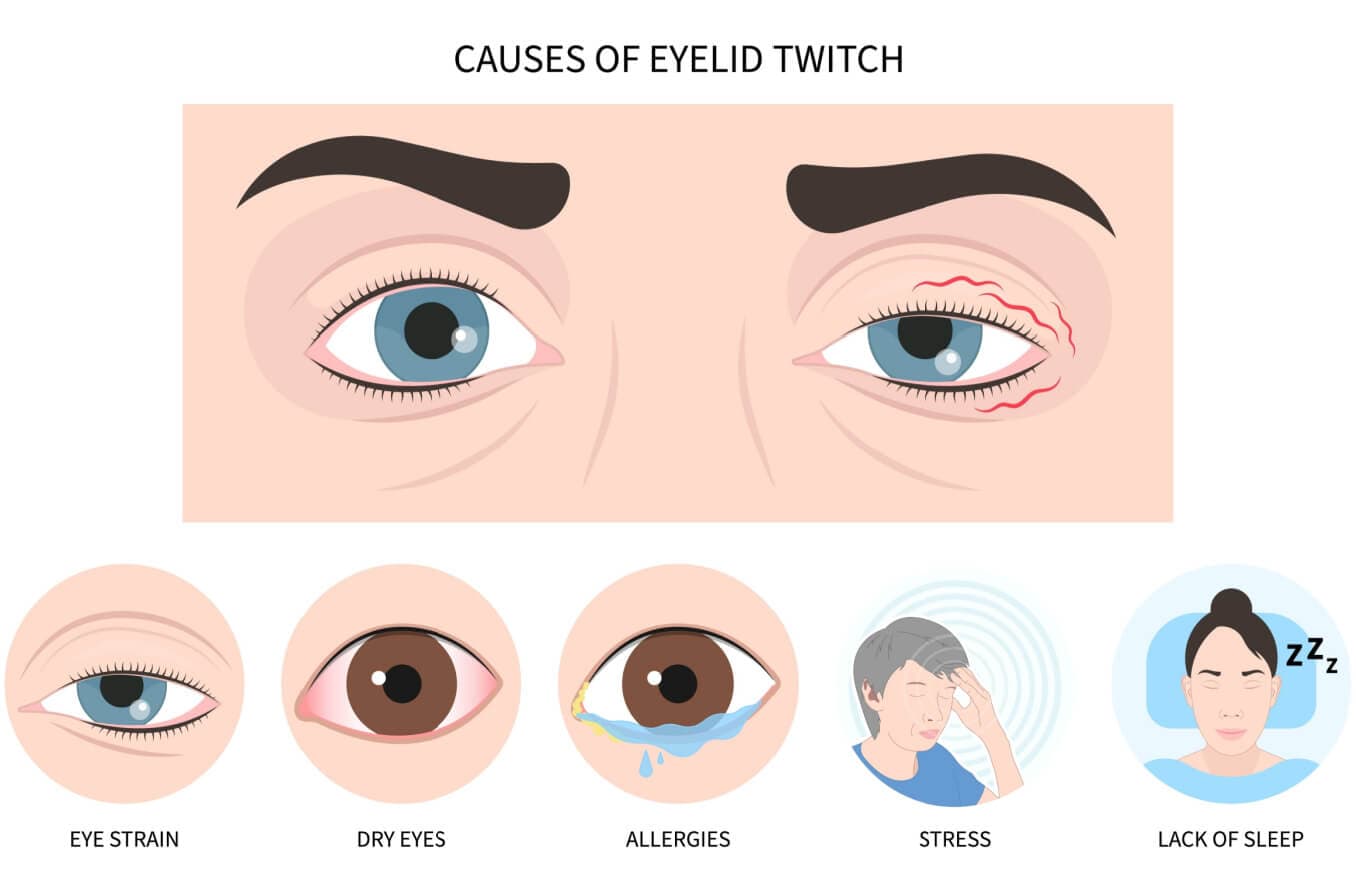
Prolonged exposure to digital screens is a major contributor to eye strain and fatigue. When we stare at a screen, especially for extended periods without breaks, our blink rate naturally decreases. Blinking is crucial for several reasons: it spreads the tear film across the surface of the eye, keeping it moist and comfortable; it clears away debris; and it provides brief moments of rest for the ocular muscles. A reduced blink rate leads to dry eyes, irritation, and increased muscular effort to keep the eyes comfortable and focused, which can, in turn, lead to the over-excitability of the eyelid muscles.
The specific characteristics of screen light also play a role. Blue light emitted from digital devices has been linked to visual discomfort and sleep cycle disruption. While direct causation between blue light and eye twitches isn’t firmly established for all cases, the general strain on the visual system can be a contributing factor. Furthermore, the constant need to adjust focus between the screen and the surrounding environment, or to decipher small text, puts additional pressure on the ciliary muscles within the eye and the surrounding ocular muscles.
The Impact of Digital Overload and Stress
Beyond direct visual strain, the nature of our digital engagement can contribute to overall stress and neurological overload. The constant barrage of notifications, emails, social media updates, and the pressure to be always “on” can elevate stress hormones like cortisol. High stress levels are a known trigger for various physiological responses, including muscle tension and spasms, and it’s plausible that this generalized nervous system excitability can manifest as ocular myokymia.
The cognitive load associated with processing vast amounts of digital information can also contribute to fatigue. When our brains are working harder to filter, process, and respond to digital stimuli, this neurological exertion can indirectly impact the finely tuned control of our motor functions, including those of the eyelid. This is analogous to how intense mental focus can sometimes lead to physical tension in other parts of the body.
Modern Lifestyle Factors and Bio-Feedback Loops

Our daily routines, heavily influenced by technology, create a complex web of lifestyle factors that can either promote or disrupt the delicate balance of our biological systems. Understanding these factors can help us manage and potentially mitigate common physiological responses like eye twitches.
Sleep Deprivation and Its Neurological Repercussions
In our fast-paced, digitally connected world, sleep deprivation has become alarmingly common. The impact of insufficient sleep on the nervous system is profound. During sleep, the brain consolidates memories, clears metabolic waste, and essentially “resets” itself. When we don’t get enough restorative sleep, our nervous system can become overstimulated and less regulated. This dysregulation can manifest in various ways, including increased sensitivity to stimuli and a propensity for involuntary muscle contractions, such as eye twitches.
The blue light emitted from screens can also interfere with melatonin production, the hormone that regulates sleep, further exacerbating sleep issues for those who engage with devices late into the night. This creates a feedback loop where screen use disrupts sleep, and disrupted sleep makes us more susceptible to eye twitches and other physical symptoms.
Caffeine, Nicotine, and Other Stimulants
Many individuals rely on stimulants like caffeine to combat fatigue, especially in demanding work environments often facilitated by technology. While caffeine can temporarily boost alertness, excessive consumption can overstimulate the central nervous system. This heightened excitability can lead to tremors, jitters, and, for some, involuntary muscle spasms, including those in the eyelid. Similarly, nicotine, a stimulant found in tobacco products, can also increase nerve excitability and contribute to muscle twitches.
The interplay between these stimulants and the stresses of modern digital life can create a perfect storm for triggering ocular myokymia. For instance, a person might consume extra coffee to power through a late-night work session on their computer, further increasing their susceptibility to an eye twitch.
Magnesium Deficiency and Neural Communication
While not directly a “tech” factor, nutritional deficiencies can significantly impact neurological function. Magnesium is an essential mineral that plays a crucial role in nerve and muscle function. It helps regulate neurotransmitter activity and can act as a natural calcium blocker, which is important for smooth muscle contraction. A deficiency in magnesium can lead to increased nerve excitability, making muscles more prone to spasms and twitches.
In the context of modern lifestyles, dietary habits can be influenced by convenience and time constraints, often leading to diets low in magnesium-rich foods. Furthermore, some studies suggest that increased stress levels can deplete magnesium stores in the body. Therefore, while not a direct technological cause, the lifestyle choices often associated with our digital age can contribute to nutritional imbalances that, in turn, affect neural communication and muscle control.
When to Seek Professional Guidance: Beyond the Benign Twitch
For the vast majority of people, an occasional eyelid twitch is a temporary and harmless phenomenon, often resolving on its own once contributing factors like stress or fatigue are addressed. However, there are instances where an eye twitch, particularly in the right eye, might warrant further investigation by a medical professional.
Persistent and Severe Twitching
If your eye twitch is persistent, occurring daily for weeks on end, or if it is severe enough to cause significant discomfort, involuntary closure of the eye, or affect your vision, it is advisable to consult a doctor. While most cases are benign, prolonged or intense twitching could, in rare instances, be an early symptom of a more complex neurological condition.
Associated Symptoms
It is important to be aware of any other symptoms that accompany the eye twitch. If you experience twitching in other parts of your face or body, or if you notice any changes in muscle tone, facial paralysis, involuntary movements, or difficulty with coordination, these could be indicators of a neurological issue that requires medical attention. Conditions such as blepharospasm (involuntary forceful eyelid closure), hemifacial spasm (involuntary twitching on one side of the face), or even more serious neurological disorders can present with various forms of involuntary muscle activity.

Medical Interventions and Technological Solutions
In cases where an eye twitch is bothersome or indicative of an underlying issue, medical professionals can offer various diagnostic tools and treatment options. These might range from lifestyle recommendations and stress management techniques to prescription medications that help relax muscles or reduce nerve excitability. In some rare and severe cases, interventions like botulinum toxin (Botox) injections can be used to temporarily paralyze the overactive muscles.
From a technological perspective, while not a treatment for the twitch itself, advances in diagnostic imaging and neurological monitoring can aid in identifying the root cause of persistent or unusual eye twitches. Understanding the intricate neural pathways and identifying any subtle abnormalities is facilitated by sophisticated medical technology. This allows for a more precise diagnosis and targeted treatment plan, ultimately bringing relief and restoring comfort to those affected.
In conclusion, while the sensation of a twitching right eye is often a mundane experience, its underlying mechanisms are rooted in the fascinating bio-electrical communication within our nervous system. In our modern, technologically driven world, it is increasingly important to recognize how our digital habits, sleep patterns, and lifestyle choices can influence these intricate biological processes. By understanding the neurological orchestra and the external stressors, we can better manage our well-being and distinguish between a fleeting annoyance and a signal that warrants professional attention.
aViewFromTheCave is a participant in the Amazon Services LLC Associates Program, an affiliate advertising program designed to provide a means for sites to earn advertising fees by advertising and linking to Amazon.com. Amazon, the Amazon logo, AmazonSupply, and the AmazonSupply logo are trademarks of Amazon.com, Inc. or its affiliates. As an Amazon Associate we earn affiliate commissions from qualifying purchases.