
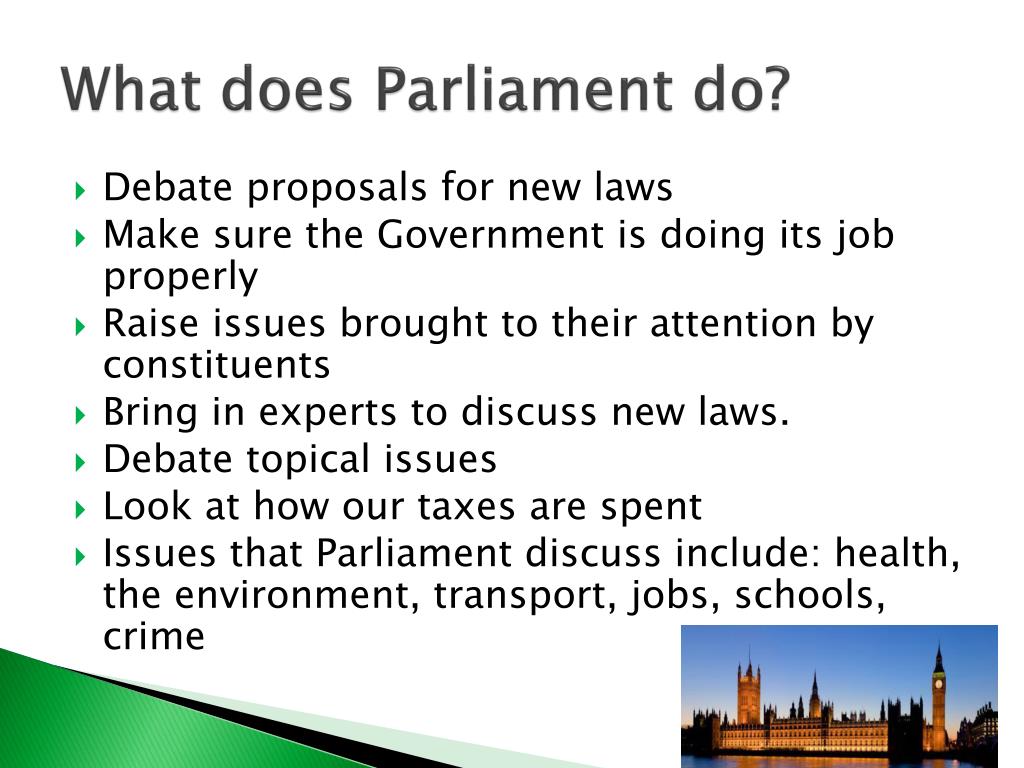
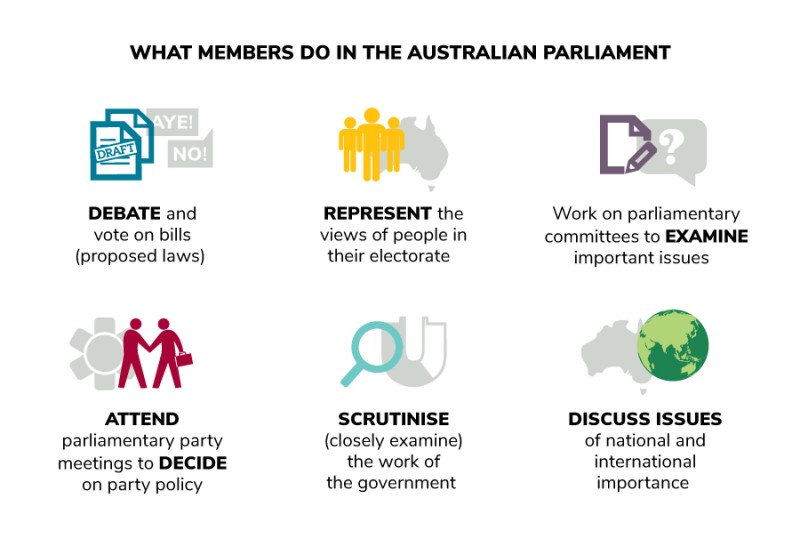
The question “What did Parliament do?” might evoke images of lengthy debates, legislative maneuvering, and the passage of laws. While these are certainly the visible outputs, the true impact of parliamentary action often resonates most powerfully in the realm of finance. Governments, through their legislative bodies, wield immense power to shape economies, influence markets, and dictate the flow of capital. Understanding what Parliament does is, in essence, understanding how it impacts the financial landscape for individuals, businesses, and the nation as a whole. This article delves into the multifaceted ways parliamentary decisions translate into tangible financial consequences, exploring how legislation influences investment, personal finance, and the broader economy.

Shaping the Economic Landscape: Fiscal Policy and Budgetary Control
Parliamentary bodies are the primary architects of a nation’s fiscal policy. This encompasses the government’s decisions regarding taxation and spending. These two levers are fundamental to influencing economic activity, managing inflation, and fostering growth. The decisions made in legislative chambers have a profound and direct impact on the money in our pockets and the health of businesses.
The Power of Taxation: Revenue Generation and Economic Incentives
Taxation is Parliament’s most significant tool for generating revenue. The structure and rates of various taxes – from income tax and corporate tax to value-added tax (VAT) or sales tax – are debated, amended, and ultimately enacted by elected officials. These decisions have immediate financial implications:
- Personal Income Tax: Changes to income tax brackets, deductions, and credits directly affect an individual’s take-home pay. A reduction in income tax, for instance, increases disposable income, potentially boosting consumer spending. Conversely, an increase can dampen demand and necessitate adjustments in household budgets. Parliament’s choices here determine how much individuals contribute to public services and how much they have available for personal savings, investment, or discretionary spending.
- Corporate Taxation: The level of corporate tax levied on businesses influences their profitability and investment decisions. Lower corporate tax rates can encourage companies to reinvest profits, expand operations, or hire more staff, thereby stimulating economic growth. Higher rates might lead to reduced investment, potential price increases for consumers, or a migration of businesses to more favorable tax jurisdictions. Parliament’s decisions here are critical for the competitiveness of domestic industries and their ability to create jobs and wealth.
- Indirect Taxes (VAT/Sales Tax): Taxes on goods and services affect the cost of everyday items. An increase in VAT or sales tax makes goods more expensive, potentially leading to reduced consumption and contributing to inflationary pressures. Conversely, a reduction can make goods more affordable, stimulating demand. These taxes also have a regressive effect, disproportionately impacting lower-income households who spend a larger percentage of their income on consumption.
- Tax Incentives and Relief: Beyond revenue generation, Parliament also uses taxation to encourage specific behaviors or support certain sectors. Tax credits for research and development, incentives for renewable energy investments, or tax breaks for small businesses are all legislative tools designed to steer economic activity. These targeted interventions can significantly influence the financial viability and growth prospects of specific industries and innovative ventures. For instance, a new tax credit for electric vehicle purchases directly impacts consumer spending decisions and the financial performance of automotive manufacturers.
Government Spending: Public Services, Infrastructure, and Stimulus
Alongside taxation, Parliament’s control over government spending is a powerful economic driver. The allocation of public funds directly influences economic activity, public services, and national development.
- Public Services Funding: Decisions on funding for healthcare, education, social welfare, and defense have direct financial implications for citizens and service providers. Increased investment in public healthcare, for example, can reduce out-of-pocket medical expenses for individuals and create employment opportunities within the healthcare sector. Similarly, adequate funding for education can lead to a more skilled workforce, enhancing long-term economic productivity.
- Infrastructure Projects: Parliamentary approval for significant infrastructure projects – such as roads, bridges, public transport, and digital networks – injects substantial capital into the economy. These projects create jobs, stimulate demand for materials and services, and improve the efficiency of commerce and transportation, leading to long-term economic benefits. The financial planning and budgeting for these large-scale endeavors are central to parliamentary fiscal responsibility.
- Economic Stimulus Packages: In times of economic downturn, Parliament often approves stimulus packages designed to boost demand and prevent deep recessions. These packages can include direct cash payments to citizens, tax cuts, or increased government spending on public projects. The design and timing of these interventions are critical to their effectiveness and have direct implications for national debt and future fiscal stability.
- Debt Management and Deficit Spending: Parliament’s decisions on borrowing and spending also determine the level of national debt. While borrowing can fund essential services and investments, excessive debt can lead to higher interest payments, potentially crowding out other public spending or necessitating future tax increases. The management of national debt is a crucial aspect of parliamentary financial oversight.
Regulating Financial Markets and Consumer Protection
Parliament plays a vital role in establishing the rules of the financial game. Through legislation, it creates regulatory frameworks designed to ensure market stability, prevent fraud, and protect consumers. These regulations have a profound impact on how financial institutions operate, how investments are made, and how individuals manage their money.
Oversight of Financial Institutions: Ensuring Stability and Integrity
The banking sector, insurance companies, and investment firms are heavily regulated to safeguard depositors, policyholders, and investors. Parliament enacts laws that dictate capital requirements for banks, solvency rules for insurance companies, and operational standards for all financial entities.
- Banking Regulations: Post-financial crisis reforms, often driven by parliamentary action, have strengthened capital requirements for banks. This means banks must hold more reserves, making them more resilient to economic shocks. Regulations also govern lending practices, consumer credit, and the types of financial products banks can offer, aiming to prevent risky behavior that could destabilize the entire financial system.
- Investment and Securities Regulation: Parliamentarians are instrumental in creating bodies like securities commissions and enacting laws that govern stock markets, bond markets, and other investment vehicles. These regulations aim to ensure transparency, prevent insider trading, and protect investors from fraudulent schemes. Rules around disclosure requirements for publicly traded companies, for example, are designed to provide investors with the information they need to make informed decisions.
- Consumer Credit and Lending: Legislation governing credit cards, mortgages, and other forms of consumer debt is also the domain of Parliament. Laws that mandate clear interest rate disclosures, limit predatory lending practices, and provide consumers with rights in case of default are crucial for protecting individuals from financial hardship. The Financial Conduct Authority (FCA) in the UK, or similar bodies in other countries, derive their powers and mandates from parliamentary legislation.
Consumer Protection Measures: Safeguarding Individuals’ Finances
Beyond the regulation of institutions, Parliament enacts specific measures to protect individuals from financial exploitation and to promote responsible financial behavior.
- Fraud Prevention and Consumer Rights: Legislation targeting financial scams, identity theft, and misleading advertising aims to protect consumers. Laws that grant consumers the right to cancel certain contracts within a cooling-off period or provide redress mechanisms in cases of faulty financial products are vital.
- Data Privacy and Security: In the digital age, the protection of personal financial data is paramount. Parliamentarians often legislate on data protection laws, requiring financial institutions to implement robust security measures and be transparent about how customer data is collected, stored, and used. This impacts the digital security practices of financial technology (FinTech) companies and traditional banks alike.
- Pension and Retirement Savings: Parliament has a significant role in shaping retirement savings through legislation that governs pension schemes, individual savings accounts (like ISAs in the UK or 401(k)s in the US), and social security programs. Decisions on contribution limits, tax treatment of savings, and the regulation of pension fund management directly impact individuals’ long-term financial security.
Stimulating Innovation and Business Growth: Policy and Investment Frameworks
Parliamentary decisions don’t just regulate existing financial structures; they also actively work to foster innovation and encourage the growth of new businesses. This involves creating supportive policy environments, directing investment, and sometimes directly funding research and development.
Fostering Entrepreneurship and Small Business Support
Small and medium-sized enterprises (SMEs) are the backbone of many economies. Parliamentarians often enact legislation and create programs designed to support their creation, growth, and sustainability.
- Access to Finance: Parliamentary initiatives can focus on improving SMEs’ access to capital through loan guarantees, grants, or tax incentives for angel investors and venture capitalists who invest in startups. The creation of specific government-backed funds or the regulation of crowdfunding platforms are examples of parliamentary action that can unlock crucial funding for entrepreneurs.
- Regulatory Simplification: Overly burdensome regulations can stifle small businesses. Parliament may act to streamline licensing processes, reduce paperwork, and simplify compliance requirements for SMEs, allowing them to focus more resources on innovation and growth.
- Export Support and International Trade: Policies that facilitate international trade, such as trade agreements and export credit guarantees, can open up new markets for businesses, driving revenue growth and job creation. Parliament’s role in ratifying these agreements and establishing supportive trade policies is crucial.
Investment in Research, Development, and Emerging Technologies
To remain competitive in a globalized economy, nations must invest in innovation. Parliament plays a key role in directing public funds and creating incentives for research and development (R&D) in cutting-edge fields.
- Funding for Scientific Research: Government grants and funding for universities and research institutions are often allocated through parliamentary budgets. These funds fuel basic and applied research that can lead to groundbreaking discoveries and technological advancements, creating new industries and economic opportunities.
- Incentives for R&D: Tax credits for R&D expenditures are a common parliamentary tool to encourage private sector investment in innovation. These credits reduce the financial risk for companies undertaking experimental projects, making them more likely to pursue novel solutions and develop new products or services.
- Support for Emerging Technologies: Parliament can proactively support the development and adoption of emerging technologies, such as artificial intelligence, biotechnology, or quantum computing, through dedicated funding programs, regulatory sandboxes, and strategic investment in related infrastructure. This forward-looking approach is essential for securing future economic prosperity.
In conclusion, the question “What did Parliament do?” is fundamentally a question about financial impact. From the broad strokes of fiscal policy that shape national economies to the granular regulations that protect individual consumers, parliamentary decisions are inextricably linked to the flow of money, the health of markets, and the financial well-being of citizens. Understanding these connections is not just an academic exercise; it is essential for informed personal financial planning, strategic business decision-making, and active civic engagement. The legislative process, therefore, is a powerful engine of financial change, constantly reshaping the economic landscape in which we all operate.
aViewFromTheCave is a participant in the Amazon Services LLC Associates Program, an affiliate advertising program designed to provide a means for sites to earn advertising fees by advertising and linking to Amazon.com. Amazon, the Amazon logo, AmazonSupply, and the AmazonSupply logo are trademarks of Amazon.com, Inc. or its affiliates. As an Amazon Associate we earn affiliate commissions from qualifying purchases.