
In the intricate world of personal finance, understanding the foundational elements of your banking operations is paramount. Among these, the routing number stands as a silent yet essential hero, a critical identifier that ensures your money flows precisely where it needs to go. While many of us interact with our bank accounts daily—transferring funds, paying bills, or receiving direct deposits—the routing number often remains an obscure nine-digit code until it’s specifically required. When that moment arrives, whether you’re setting up a direct deposit for a new job, authorizing an automatic bill payment, or initiating a wire transfer, knowing exactly where to locate this crucial piece of information on your check becomes indispensable.

This guide is designed to demystify the routing number, explain its profound importance, and, most importantly, show you exactly where to find it on your personal checks. We’ll delve into the anatomy of a check, explore alternative methods for retrieval, and discuss best practices for safeguarding this vital financial detail. Embracing this knowledge is not just about finding a number; it’s about empowering yourself with a deeper understanding of your financial instruments and enhancing your overall financial literacy and security.
Understanding the Anatomy of Your Check
Before we pinpoint the routing number, it’s helpful to understand the various components that make up a standard personal check. These small pieces of paper are, in fact, sophisticated financial documents, each section serving a specific purpose in the secure transfer of funds.
The Key Players: Account Number, Check Number, and Routing Number
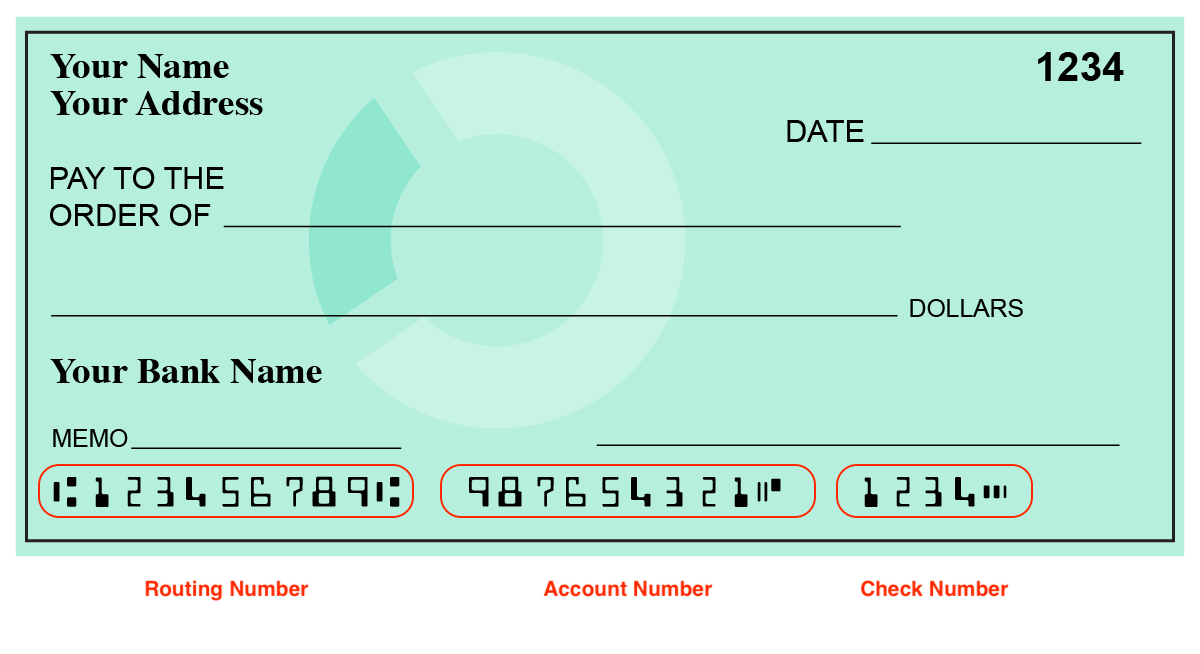
Every check contains a trio of numerical identifiers that work in concert to facilitate transactions:
- Check Number: This is a sequential number found in the upper right-hand corner and also printed on the MICR line at the bottom. It helps you keep track of the checks you’ve written.
- Account Number: This unique identifier belongs specifically to your individual checking account. It tells the bank which account to debit or credit.
- Routing Number: Also known as an ABA (American Bankers Association) routing transit number, this nine-digit code identifies your specific financial institution and the location where your account was opened. It directs the transaction to the correct bank. Think of it as the bank’s address for electronic transactions.
The MICR Line: Where the Magic Happens
The most important area for locating your routing number, account number, and check number is the Magnetic Ink Character Recognition (MICR) line. This is the series of numbers printed in a distinctive font at the very bottom of your check. These numbers are printed with special magnetic ink that allows high-speed check sorters and automated systems to read them quickly and accurately. This technology is critical for processing millions of checks daily, ensuring that funds are correctly routed and debited or credited.
The MICR line typically presents the numbers in a specific order:
- The first set of numbers (usually nine digits) is your routing number.
- The second set (variable length, often 10-12 digits) is your account number.
- The third set (usually 3-4 digits) is the check number.
While this is the standard order, it’s essential to recognize the distinctive symbols that often bracket each numerical segment on the MICR line, as these can help differentiate them if you’re unsure.
Pinpointing Your Routing Number on a Personal Check
Now that we understand the layout, let’s get specific about finding that elusive nine-digit code.
The Bottom-Left Quadrant: Your Primary Location
On most standard personal checks issued by U.S. banks, the routing number is consistently located in the bottom-left corner of the check. It’s almost always the first set of numbers you encounter on the MICR line when reading from left to right. This placement is standardized to ensure ease of processing and identification across all financial institutions.
What to Look For: The Nine-Digit Identifier
Your routing number will always be nine digits long. This is a universal standard, making it easy to distinguish from your account number, which varies in length, or your check number, which is typically much shorter. Look for the distinct nine-digit sequence, often enclosed by specific transit symbols (e.g., a colon-like symbol or a small square). These symbols act as delimiters, clearly separating the routing number from the account number and check number.
For example, a typical MICR line might look like this:
⑆012345678⑆ 1234567890 ⑆ 0001
In this example, 012345678 would be your routing number.
Common Variations and Exceptions
While the bottom-left, nine-digit rule is highly consistent, there can be subtle variations:
- Temporary Checks: If you’re using temporary checks provided by your bank when you open an account, the routing number might be hand-stamped or printed in a slightly different location, though usually still on the bottom. It’s always best to verify with your bank in such cases.
- Business Checks: Business checks generally follow the same format as personal checks but might have more complex numbering systems for internal accounting purposes. The routing number’s location remains standard.
- Multiple Routing Numbers: Some larger banks, especially those with a nationwide presence or those that have merged with other institutions, might have multiple routing numbers depending on the state or region where your account was opened. The routing number printed on your check is always the correct one for that specific account. However, if you are looking for a routing number for an electronic transfer to a specific branch or region, it’s always best to verify directly with your bank.
- Credit Union Checks: Credit unions operate similarly to banks, and their checks will also feature the routing number in the same standardized location.
Always use a pre-printed check, not a deposit slip, to find your routing number for transfers. Deposit slips often contain a different routing number used for internal bank processing rather than for external transfers to your specific account.
Why Your Routing Number is Crucial for Financial Transactions
The routing number is far more than just a sequence of digits; it’s the bedrock upon which the majority of modern financial transactions are built. Its accuracy is paramount to ensuring that your money is handled correctly and efficiently.
Facilitating Electronic Fund Transfers (EFTs)
The routing number is the primary identifier for all electronic fund transfers (EFTs). This includes:
- Direct Deposits: Whether it’s your paycheck, government benefits (like Social Security), or tax refunds, your employer or the government needs your routing number (and account number) to deposit funds directly into your bank account.
- Wire Transfers: For larger or international money movements, wire transfers rely heavily on accurate routing numbers to ensure funds reach the intended recipient’s bank securely and swiftly.
- Online Bill Payments: When you set up automated payments through a biller’s website (e.g., utility company, credit card company), you’ll typically provide your routing and account numbers to authorize direct debits.
Setting Up Automated Payments and Direct Debits
Beyond one-time transfers, the routing number is fundamental for recurring financial arrangements:
- Automated Clearing House (ACH) Transactions: The routing number is central to ACH transactions, which include direct deposits, direct debits for loan payments, insurance premiums, and other recurring bills. It guides the ACH network in correctly identifying your bank.
- Payroll Deductions: For things like 401(k) contributions, health savings accounts (HSAs), or other pre-tax deductions handled by your employer, your routing number ensures these funds are directed to the correct financial institution for processing.
Safeguarding Your Financial Information
The importance of the routing number also extends to financial security. Providing the correct routing number ensures that legitimate transactions are processed without error, preventing delays or misdirected funds. Conversely, being vigilant about who you share this number with is also part of safeguarding your finances. While less sensitive than your full account number or debit card details, it’s still a piece of your financial identity that should be protected.
Alternative Ways to Find Your Routing Number
While your personal check is the most direct source, it’s not the only way to find your routing number. In an increasingly digital world, several convenient alternatives exist.
Online Banking Portals and Mobile Apps
For most modern banks, your online banking portal or mobile app is an excellent resource:
- Login to Your Account: After logging into your bank’s website or mobile app, navigate to your checking account details.
- Account Information Section: Look for a section labeled “Account Details,” “Account Summary,” or similar. Here, you’ll typically find both your full account number and the associated routing number.
- Statements/Documents: Many banks also provide digital access to your monthly statements within the online portal, where the routing number will be clearly displayed.
This method is often the quickest and most secure, as you’re accessing information directly from your bank’s protected environment.
Bank Statements and Official Documents
Physical bank statements are another reliable source:
- Monthly Statements: Your paper bank statements, mailed to your home or accessible digitally, will clearly list your routing number, usually near your account number at the top or bottom of the statement.
- Welcome Kits/Account Opening Documents: When you first opened your account, your bank would have provided a welcome kit or documentation that includes your account and routing numbers. Keep these documents in a secure place.
Contacting Your Bank Directly
If digital methods aren’t available or you prefer speaking to someone, your bank’s customer service can provide this information:
- Customer Service Hotline: Call your bank’s customer service number. Be prepared to verify your identity with personal information (e.g., account number, address, date of birth) for security purposes.
- Branch Visit: Visit any local branch of your bank. A teller or customer service representative can provide you with your routing number after verifying your identity.
Using Official Bank Websites
Many banks offer a dedicated section on their public website to help customers find their routing number:
- “Find Routing Number” Search: Use the search bar on your bank’s main website (not the login portal) and type “routing number.”
- FAQ or Contact Us Pages: Routing numbers are often listed in the FAQ section or on pages detailing direct deposit instructions or wire transfer information. Be careful to use only the official bank website to avoid phishing scams.
Protecting Your Routing Number: Best Practices
While a routing number alone is generally not enough for fraudsters to empty your account, it is still a sensitive piece of information. Combining it with your account number or other personal details can expose you to risks.
Be Wary of Sharing: When and With Whom
- Legitimate Uses: It is safe to share your routing number (and account number) with trusted entities for legitimate purposes such as setting up direct deposit with your employer, paying bills, or initiating transfers with other financial institutions.
- Suspicious Requests: Be highly skeptical of unsolicited requests for your routing number, especially via email, text, or phone calls from unknown sources. Banks will typically never ask for your full account and routing numbers via email or text.
Understanding Security Risks
- Phishing Scams: Fraudsters may attempt to trick you into revealing your routing and account numbers through fake emails or websites disguised as your bank or a reputable company. Always verify the sender and the legitimacy of the request.
- Identity Theft: While a routing number alone poses limited risk, combined with other pieces of personal information, it can contribute to identity theft, allowing criminals to open fraudulent accounts or make unauthorized transactions.

Tips for Secure Digital Transactions
- Use Strong Passwords: Ensure your online banking accounts are protected with complex, unique passwords.
- Enable Two-Factor Authentication (2FA): This adds an extra layer of security, requiring a second verification step (like a code sent to your phone) to access your account.
- Monitor Your Accounts Regularly: Regularly review your bank statements and transaction history for any unauthorized activity. Report discrepancies immediately.
- Secure Wi-Fi: Avoid accessing sensitive financial information over public, unsecured Wi-Fi networks.
Knowing where your routing number is on your check is a fundamental aspect of managing your finances effectively. It is the silent workhorse behind countless transactions, ensuring your money travels accurately and efficiently through the financial system. By understanding its location, its purpose, and the various ways to retrieve it, you empower yourself with crucial financial literacy. Furthermore, adopting best practices for its protection is essential for safeguarding your financial well-being in an increasingly digital world. Keep your financial information secure, stay informed, and navigate your personal finances with confidence and precision.
aViewFromTheCave is a participant in the Amazon Services LLC Associates Program, an affiliate advertising program designed to provide a means for sites to earn advertising fees by advertising and linking to Amazon.com. Amazon, the Amazon logo, AmazonSupply, and the AmazonSupply logo are trademarks of Amazon.com, Inc. or its affiliates. As an Amazon Associate we earn affiliate commissions from qualifying purchases.