
The question of presidential accomplishment is rarely simple, often debated through partisan lenses and shifting economic winds. When we focus specifically on the realm of Money, and seek to understand what President Biden has accomplished in this critical domain, the picture emerges through a series of legislative actions, economic indicators, and strategic policy shifts aimed at reshaping the financial fortunes of individuals, businesses, and the nation as a whole. This analysis will dissect the key economic initiatives and their observable impacts, offering an insightful look at the Biden administration’s financial legacy thus far.

Rebuilding the Economic Foundation: Stimulus and Support
One of the most immediate and significant economic undertakings of the Biden administration was the response to the lingering effects of the COVID-19 pandemic. This involved a multi-pronged strategy designed to inject capital into the economy, support struggling households and businesses, and lay the groundwork for a more robust recovery.
The American Rescue Plan: A Stimulus Juggernaut
The American Rescue Plan, signed into law in March 2021, was a cornerstone of the administration’s early economic strategy. This sweeping legislation allocated trillions of dollars towards various relief efforts. For individuals, it included expanded unemployment benefits, direct stimulus checks, and an enhanced Child Tax Credit, all aimed at bolstering consumer spending and mitigating hardship. This infusion of cash provided a critical lifeline to millions of American families, preventing a deeper economic downturn and supporting demand as the economy began to reopen.
The plan also extended significant aid to businesses, particularly small businesses grappling with pandemic-related closures and revenue losses. Programs like the Paycheck Protection Program (PPP) were continued and expanded, alongside new initiatives designed to facilitate access to capital and promote job retention. The goal was not just immediate relief, but also to create a more stable environment for businesses to weather the storm and begin rehiring.
Strengthening the Safety Net: Beyond Immediate Relief
Beyond the direct stimulus, the American Rescue Plan and subsequent policies aimed to fortify the long-term economic security of American households. The temporary expansion of the Child Tax Credit, for instance, dramatically reduced child poverty rates in the short term, demonstrating the power of targeted government support in addressing systemic financial challenges faced by families. While the expansion was temporary, its impact highlighted the potential for such policies to serve as powerful tools for economic equity and upward mobility.
Furthermore, investments in public health infrastructure and vaccine distribution, while primarily health-focused, had direct economic implications. A faster and more effective control of the pandemic allowed for a more confident and sustained reopening of businesses and a quicker return to normalcy, fostering a more predictable environment for investment and economic activity.
Investing in the Future: Infrastructure and Innovation
Recognizing that long-term economic growth requires a solid foundation, the Biden administration prioritized significant investments in infrastructure and the promotion of technological innovation. This approach aimed to boost productivity, create jobs, and enhance America’s global competitiveness.
The Bipartisan Infrastructure Law: Modernizing America’s Backbone
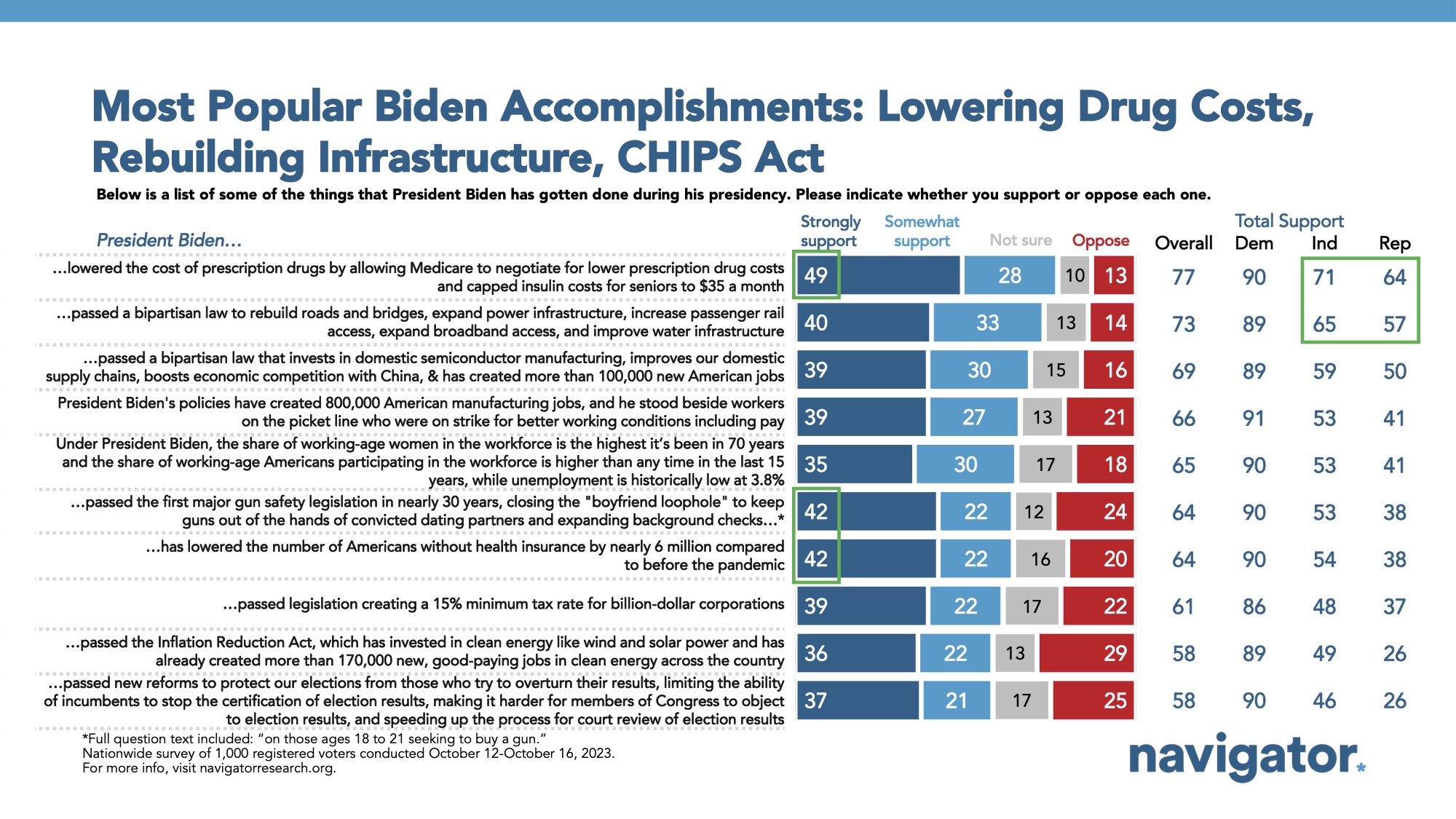
The Bipartisan Infrastructure Law, enacted in November 2021, represented a historic commitment to rebuilding and modernizing America’s physical infrastructure. This legislation allocated substantial funding towards repairing and upgrading roads, bridges, public transit, airports, and water systems. The economic rationale behind such investments is multifaceted.
Firstly, it directly stimulates job creation. The construction and maintenance of infrastructure projects employ millions of workers across various trades, providing a significant boost to employment figures and local economies. Secondly, improved infrastructure reduces the cost of doing business. More efficient transportation networks lower shipping costs for businesses, making American goods more competitive. Reliable broadband access, also a key component of the law, bridges the digital divide and enables greater participation in the modern economy for both individuals and businesses, particularly in rural and underserved areas. Finally, these investments enhance long-term productivity by creating a more efficient and resilient economic system.
Driving Innovation: The CHIPS and Science Act
Another landmark piece of legislation with profound economic implications is the CHIPS and Science Act. This act is designed to boost domestic semiconductor manufacturing and scientific research and development. The strategic importance of semiconductors cannot be overstated, as they are the bedrock of nearly all modern technologies.
By incentivizing the construction of new chip manufacturing facilities in the United States, the CHIPS Act aims to reduce reliance on foreign supply chains, which have proven vulnerable to disruptions. This can lead to more stable pricing for technology components and a more secure national economy. Furthermore, the act’s significant investment in research and development across various scientific fields is intended to foster a new wave of innovation, leading to the creation of new industries, high-paying jobs, and advancements that will shape the future economy. This forward-looking approach positions the U.S. to remain at the forefront of technological progress.
Addressing Inflation and Stabilizing Markets
While the administration has focused on growth and investment, it has also had to contend with significant inflationary pressures that emerged in the post-pandemic economic recovery. Navigating this complex challenge has involved a combination of monetary policy, fiscal responsibility, and targeted interventions.
The Federal Reserve’s Role and Policy Coordination
It’s crucial to acknowledge that the Federal Reserve, an independent entity, plays the primary role in managing inflation through monetary policy tools like interest rate adjustments. However, the Biden administration’s fiscal policies can indirectly influence inflationary pressures. The administration has emphasized the importance of reducing the federal deficit over the long term, a stance that, if realized, can help to temper aggregate demand and ease inflationary pressures.
Furthermore, the administration has taken steps to address specific drivers of inflation. For example, efforts to increase domestic energy production and release oil from the Strategic Petroleum Reserve have aimed to alleviate pressures on energy prices, a significant component of inflation. The focus on supply chain resilience, as outlined in the infrastructure and CHIPS legislation, also aims to address bottlenecks that have contributed to price increases across various sectors.

Targeted Interventions and Consumer Protection
In addition to broader economic strategies, the Biden administration has pursued targeted interventions to ease financial burdens on consumers. For instance, efforts to lower prescription drug costs through the Inflation Reduction Act, which allows Medicare to negotiate drug prices, have the potential to provide significant relief to millions of Americans. Similarly, measures aimed at increasing housing affordability and providing student loan relief are designed to address specific cost-of-living challenges that disproportionately affect middle- and lower-income households.
The focus on consumer protection, including efforts to curb anti-competitive practices and ensure fair pricing in various markets, also plays a role in stabilizing the economic environment. By promoting a more competitive marketplace, the administration seeks to prevent undue price gouging and ensure that the benefits of economic growth are more broadly shared.
In conclusion, assessing President Biden’s accomplishments in the realm of money reveals a deliberate and multifaceted approach to economic management. From providing immediate relief and stimulus during a crisis to making substantial long-term investments in infrastructure and innovation, the administration has sought to build a more resilient, equitable, and competitive economy. While challenges, particularly inflation, have persisted and require ongoing attention, the legislative achievements and policy initiatives undertaken by the Biden administration represent a significant effort to reshape and strengthen the financial well-being of the nation. The true measure of these accomplishments will, of course, continue to unfold in the years to come as these policies take root and their long-term impacts become more evident.
aViewFromTheCave is a participant in the Amazon Services LLC Associates Program, an affiliate advertising program designed to provide a means for sites to earn advertising fees by advertising and linking to Amazon.com. Amazon, the Amazon logo, AmazonSupply, and the AmazonSupply logo are trademarks of Amazon.com, Inc. or its affiliates. As an Amazon Associate we earn affiliate commissions from qualifying purchases.