
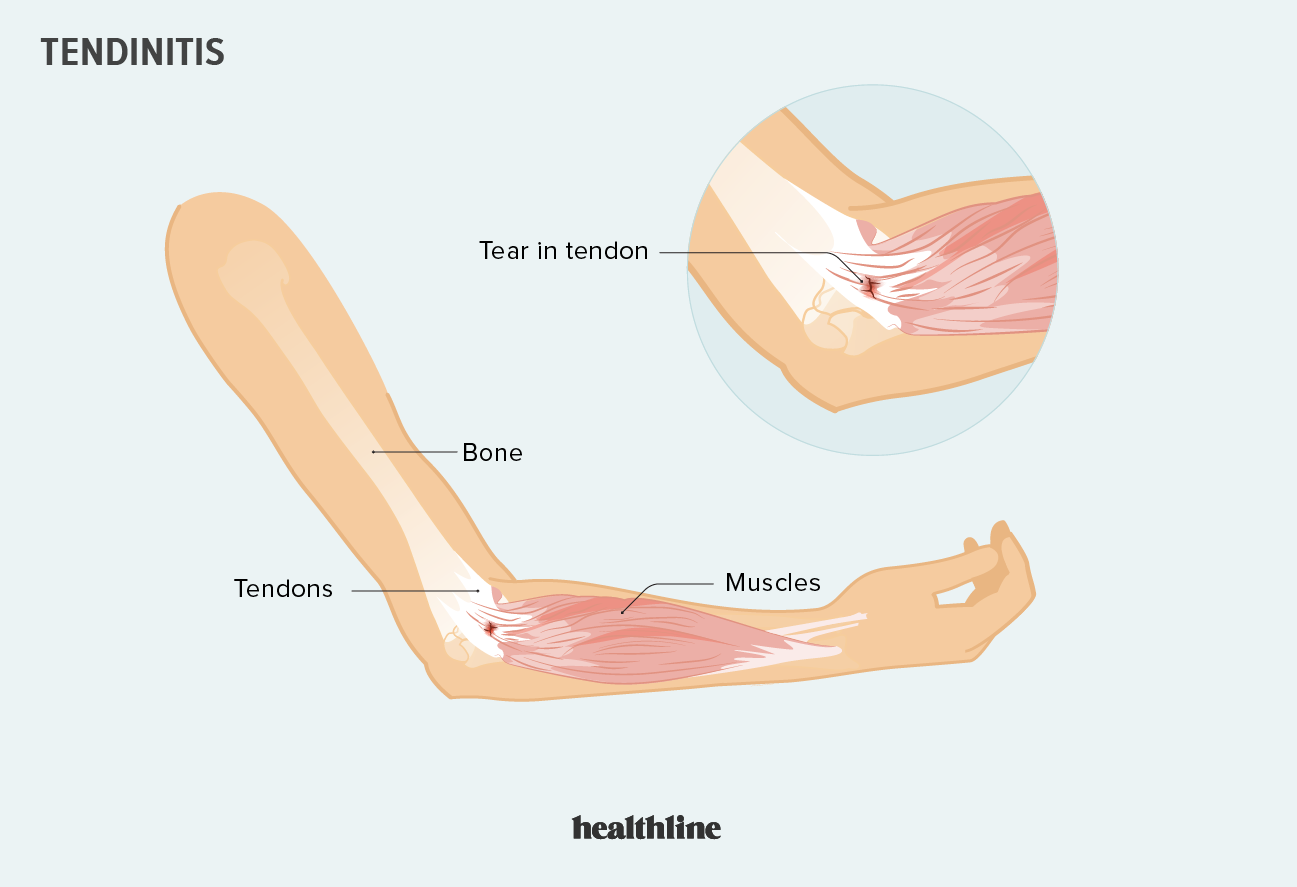
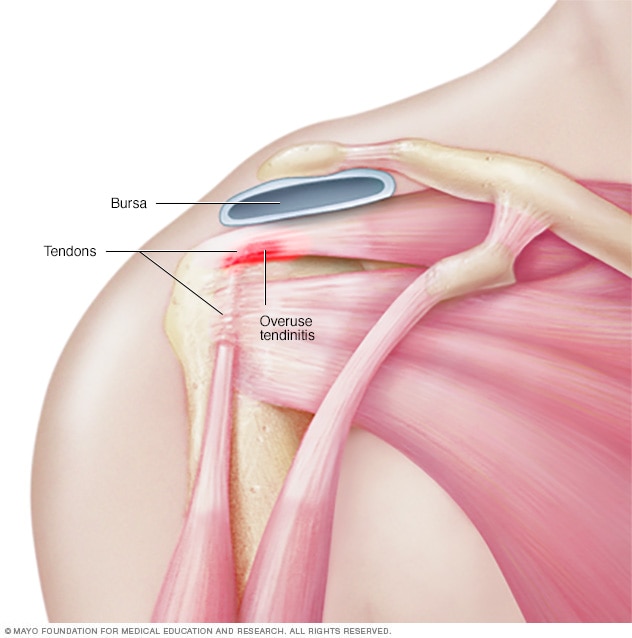
Tendon inflammation, medically known as tendinitis or tendinopathy, is a common ailment that can significantly impact an individual’s quality of life and, consequently, their financial stability. While the immediate concern for those suffering from this condition is often the pain and loss of mobility, the ripple effects extend deeply into personal finances, affecting income, expenses, and long-term financial planning. Understanding the financial landscape of tendinitis is crucial for proactive management and mitigation of its economic consequences.
The Economic Burden of Tendinitis: Direct and Indirect Costs
The financial strain imposed by tendinitis can be substantial, encompassing both direct medical expenses and indirect costs associated with reduced earning capacity. A comprehensive understanding of these economic burdens is the first step in navigating the financial challenges that arise from this condition.
Direct Medical Expenses: A Detailed Breakdown
When tendinitis strikes, individuals are immediately faced with a series of direct medical costs. These expenses can vary widely depending on the severity of the inflammation, the treatment modalities employed, and the geographical location of healthcare services.
Initial Diagnosis and Consultation Fees
The journey to managing tendinitis often begins with a visit to a healthcare professional. This initial consultation, whether with a primary care physician or a specialist like an orthopedic doctor or sports medicine physician, incurs a fee. For those without comprehensive health insurance, these out-of-pocket expenses can be a significant upfront burden. Even with insurance, co-pays and deductibles for specialist visits can add up, particularly if multiple appointments are required to pinpoint the diagnosis. Diagnostic imaging, such as X-rays or ultrasounds, may also be necessary to rule out other conditions and assess the extent of the tendon damage, introducing further costs.
Treatment Modalities: From Conservative to Surgical
The treatment for tendinitis is multifaceted and can range from conservative measures to more aggressive interventions. Each approach carries its own set of financial implications.
- Medications: Over-the-counter pain relievers like ibuprofen or naproxen are often the first line of defense. While relatively inexpensive individually, regular or prolonged use can lead to cumulative costs. Prescription anti-inflammatory drugs or stronger pain relievers, if required, will naturally increase expenses.
- Physical Therapy and Rehabilitation: This is perhaps one of the most critical, and potentially costly, components of tendinitis treatment. Regular sessions with a physical therapist are often prescribed to reduce inflammation, improve range of motion, strengthen surrounding muscles, and prevent recurrence. The number of sessions can vary greatly, from a few weeks to several months, and the cost per session, especially without adequate insurance coverage, can be substantial. Many insurance plans have limits on physical therapy visits, leaving individuals to cover the remainder.
- Injections: In some cases, corticosteroid injections may be administered to reduce inflammation and pain. While often providing temporary relief, these injections are not without cost, and repeated injections may be necessary. Other newer regenerative therapies, such as platelet-rich plasma (PRP) injections, while showing promise, can be significantly more expensive and are often not fully covered by insurance.
- Orthotic Devices and Bracing: Depending on the affected tendon and the nature of the injury, individuals may require specialized braces, splints, or orthotic inserts to support the joint and reduce stress on the inflamed tendon. The cost of these devices can range from modest to quite high, depending on the complexity and customization required.
- Surgical Intervention: In severe or chronic cases where conservative treatments fail, surgery may be recommended. This is the most financially impactful treatment option, involving hospital fees, surgeon fees, anesthesia costs, and post-operative care, including extended physical therapy. The recovery period following surgery can also be lengthy, leading to prolonged absence from work and further financial strain.
Long-Term Management and Preventative Care
Beyond the acute treatment phase, managing tendinitis often involves ongoing strategies to prevent recurrence. This might include the continued use of certain exercises, ergonomic adjustments in the workplace, or specialized equipment. While these measures aim to prevent future flare-ups and associated costs, they represent an ongoing financial commitment.
Indirect Costs: The Hidden Financial Drain
While direct medical expenses are quantifiable, the indirect costs of tendinitis can often be more insidious and financially damaging. These costs are primarily linked to the impact of the condition on an individual’s ability to earn an income.
Lost Wages and Reduced Earning Capacity
For many, tendinitis affects professions that involve repetitive motions, heavy lifting, or prolonged static postures. This can include athletes, manual laborers, office workers, and even musicians. When pain and inflammation limit an individual’s ability to perform their job duties effectively, it directly translates to lost wages. This can manifest as:
- Sick Leave: Employees may need to take time off work, utilizing paid or unpaid sick leave. Frequent or extended absences can strain an employer’s resources and may even jeopardize employment in some situations.
- Reduced Productivity: Even if an individual can continue working, the pain and discomfort can significantly reduce their productivity, leading to lower output and potentially impacting performance reviews and future earning potential.
- Job Modification or Relocation: In some cases, individuals may be forced to seek modified duties or even change careers entirely to avoid exacerbating their condition. This can lead to a substantial decrease in earning capacity, particularly if the new role is in a lower-paying field.
- Loss of Benefits: Prolonged absence from work can also lead to the loss of employer-sponsored benefits, such as health insurance and retirement contributions, further exacerbating financial insecurity.
Impact on Savings and Investment Goals
The financial pressures created by tendinitis can significantly derail personal financial goals. When individuals are faced with mounting medical bills and reduced income, their ability to save for retirement, invest in assets, or even meet monthly expenses can be severely compromised. This can lead to a cycle of financial stress, where the focus shifts from long-term financial security to immediate survival.
Increased Insurance Premiums
For individuals with chronic or recurring tendinitis, there can be an impact on their health insurance premiums. Insurers may perceive a higher risk, leading to increased costs for coverage. This added expense, while seemingly minor, contributes to the overall financial burden.
Financial Strategies for Managing Tendinitis
Navigating the financial complexities of tendinitis requires a proactive and strategic approach. Implementing effective financial management techniques can help mitigate the impact of medical expenses and lost income, ensuring greater financial resilience.
Leveraging Health Insurance and Employee Benefits
Understanding and maximizing available health insurance and employee benefits is paramount.
Optimizing Insurance Coverage
- Reviewing Policy Details: Before needing extensive treatment, it is crucial to thoroughly understand your health insurance policy. Pay close attention to coverage for specialist visits, physical therapy, diagnostic imaging, and prescription medications. Note any limitations on the number of visits or the percentage of costs covered.
- Utilizing In-Network Providers: Choosing healthcare providers who are in your insurance network can significantly reduce out-of-pocket expenses. Researching and confirming provider network status before appointments is a wise practice.
- Understanding Deductibles and Co-pays: Be aware of your deductible amount and co-pays for different services. This knowledge allows for better budgeting and planning for medical expenses.
- Exploring Health Savings Accounts (HSAs) and Flexible Spending Accounts (FSAs): If available through your employer, these accounts offer pre-tax savings for qualified medical expenses, effectively reducing the overall cost of treatment.
Maximizing Employee Benefits
- Paid Sick Leave Policies: Understand your employer’s sick leave policies and how they apply to prolonged absences due to illness or injury.
- Disability Insurance: If your employer offers short-term or long-term disability insurance, ensure you understand the coverage it provides. This insurance can be a vital financial safety net if your tendinitis prevents you from working for an extended period.
- Wellness Programs: Some employers offer wellness programs that may include access to subsidized physical therapy, ergonomic assessments, or health coaching, which can indirectly help manage tendinitis and its associated costs.
Budgeting and Financial Planning for Healthcare Costs
Proactive budgeting and financial planning are essential for managing the financial impact of tendinitis.
Creating a Dedicated Healthcare Fund
- Setting Aside Savings: Start by setting aside a dedicated savings fund specifically for healthcare expenses. This can be a separate savings account that you regularly contribute to, ensuring funds are available when needed.
- Estimating Potential Costs: Work with your healthcare providers to get estimates for potential treatment costs, including anticipated physical therapy sessions, medications, and any necessary equipment. This will help you set a realistic savings goal.
Adjusting the Household Budget
- Identifying Non-Essential Expenses: When facing increased medical costs or reduced income, it may be necessary to review your household budget and identify non-essential expenses that can be temporarily reduced or eliminated. This could include entertainment, dining out, or discretionary purchases.
- Prioritizing Needs: Focus on essential needs such as housing, food, utilities, and healthcare.
Exploring Financial Assistance and Legal Avenues
When the financial burden becomes overwhelming, it is important to explore all available avenues for assistance.
Seeking Financial Aid and Payment Plans
- Hospital and Clinic Financial Assistance Programs: Many healthcare facilities offer financial assistance programs for patients who are unable to afford their medical bills. Inquire about these programs at the time of service or when receiving your bills.
- Negotiating Payment Plans: If you are struggling to pay medical bills, do not hesitate to contact the billing department to discuss payment plan options. Many providers are willing to work with patients to set up manageable installment plans.
- Exploring Medical Loans: In extreme circumstances, specialized medical loans may be an option, though these should be considered carefully due to potential interest rates.
Understanding Workers’ Compensation and Personal Injury Claims
- Work-Related Injuries: If your tendinitis developed as a result of your work activities, you may be eligible for workers’ compensation benefits, which can cover medical expenses and lost wages. Consult with your employer and a legal professional to understand your rights.
- Third-Party Liability: In rare cases, if your tendinitis was caused by the negligence of a third party (e.g., faulty equipment, a car accident), you might have grounds for a personal injury claim to recover damages.
Long-Term Financial Resilience and Preventative Investment
Beyond immediate management, fostering long-term financial resilience is key to buffering against future health-related financial shocks. Investing in preventative measures and maintaining a strong financial foundation can significantly reduce the impact of conditions like tendinitis.
Investing in Preventative Health and Wellness
The most cost-effective approach to managing tendinitis financially is to prevent it from occurring or to manage early symptoms before they escalate.
Ergonomic Assessments and Workplace Modifications
Proactive ergonomic assessments of your workspace can identify and mitigate risks that could lead to tendon strain. Investing in ergonomic equipment, such as specialized keyboards, mice, or supportive chairs, can be a wise preventative measure. For physically demanding jobs, advocating for and implementing proper lifting techniques and regular breaks can significantly reduce the incidence of tendinitis.
Regular Physical Activity and Strength Training
Maintaining a consistent and balanced exercise routine that includes flexibility and strength training can strengthen tendons and the surrounding muscles, making them more resilient to injury. This is a form of “health investing” that pays dividends by reducing the likelihood of costly medical interventions.
Healthy Lifestyle Choices
Factors such as maintaining a healthy weight, proper nutrition, and adequate hydration contribute to overall musculoskeletal health. These seemingly simple lifestyle choices can have a profound impact on reducing inflammation and promoting tissue repair, thus preventing or mitigating the severity of tendon inflammation.
Building a Robust Financial Safety Net
A strong financial safety net provides a buffer against unexpected health-related expenses and income disruptions.
Emergency Fund Growth
A well-funded emergency fund is crucial. Aim to save 3-6 months of living expenses, ensuring you can cover essential costs during periods of illness or job loss without resorting to high-interest debt.
Diversified Investment Portfolio
For long-term financial security, a diversified investment portfolio can help grow wealth over time, providing a cushion against unforeseen financial challenges, including those stemming from health issues.

Reviewing Insurance Needs
Regularly reviewing your insurance needs, including health, disability, and life insurance, ensures you have adequate coverage in place to protect yourself and your family from the financial devastation that can accompany serious health conditions.
In conclusion, while tendinitis is primarily a medical condition, its financial repercussions are undeniable. By understanding the direct and indirect costs, proactively leveraging insurance and employee benefits, implementing smart budgeting strategies, and prioritizing preventative health and financial planning, individuals can effectively navigate the economic challenges posed by tendon inflammation and build a more secure financial future.
aViewFromTheCave is a participant in the Amazon Services LLC Associates Program, an affiliate advertising program designed to provide a means for sites to earn advertising fees by advertising and linking to Amazon.com. Amazon, the Amazon logo, AmazonSupply, and the AmazonSupply logo are trademarks of Amazon.com, Inc. or its affiliates. As an Amazon Associate we earn affiliate commissions from qualifying purchases.