
The specter of global warming looms large, a complex and multifaceted challenge demanding immediate and innovative solutions. While the urgency of the situation is undeniable, so too is the potential for human ingenuity to chart a course towards a more sustainable future. Among the most powerful tools at our disposal are technological advancements. From revolutionizing energy production and consumption to developing sophisticated monitoring systems and fostering new economic models, technology offers a critical pathway to mitigating and, ultimately, avoiding the most catastrophic impacts of climate change. This exploration will delve into the technological interventions that are not only vital for addressing global warming but are actively shaping a cleaner, greener planet.

Harnessing Renewable Energy: The Backbone of Decarbonization
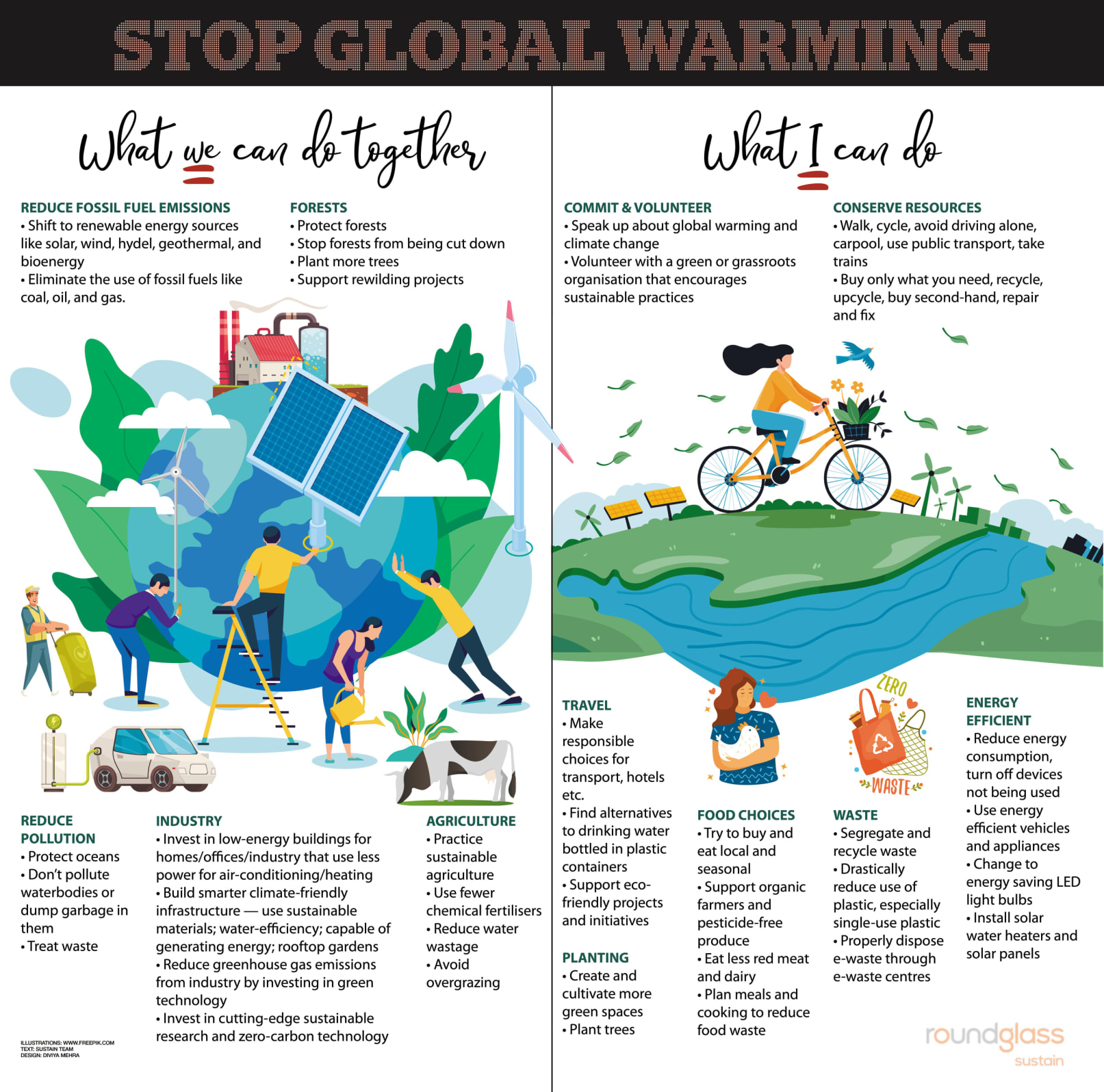
The transition away from fossil fuels towards clean, renewable energy sources is arguably the most significant technological undertaking in our fight against global warming. This shift is not merely about swapping one power source for another; it involves a fundamental re-engineering of our energy infrastructure, driven by groundbreaking innovations in efficiency, storage, and distribution.
Solar Power: From Niche to Dominant Force
Solar photovoltaic (PV) technology has witnessed an exponential surge in efficiency and a dramatic decrease in cost over the past decade. Advances in materials science, such as perovskites and multi-junction solar cells, promise even higher conversion rates of sunlight into electricity. Beyond utility-scale solar farms, innovative applications like building-integrated photovoltaics (BIPV) are transforming passive surfaces – roofs, windows, and facades – into active energy generators. Furthermore, smart solar management systems, often powered by AI, optimize energy capture and integration into the grid, minimizing waste and maximizing output. The proliferation of affordable solar panels, coupled with advancements in battery storage, is democratizing energy production, allowing individuals and communities to reduce their carbon footprint significantly.
Wind Energy: Offshore Innovations and Turbine Efficiency
Wind power, particularly offshore wind, is another cornerstone of the renewable energy revolution. Modern wind turbines are significantly larger and more efficient than their predecessors, capable of capturing more energy from lower wind speeds. Innovations in blade design, materials, and control systems are constantly pushing the boundaries of performance. Offshore wind farms, once considered prohibitively expensive, are becoming increasingly competitive due to advancements in foundation technologies, installation methods, and grid connection infrastructure. Floating offshore wind turbines, in particular, unlock vast untapped wind resources in deeper waters, expanding the potential of this clean energy source.
Geothermal and Hydropower: Tapping Earth’s Enduring Power
While solar and wind often grab headlines, established technologies like geothermal and hydropower continue to play a crucial role. Geothermal energy, which harnesses the Earth’s internal heat, offers a consistent and reliable baseload power source. Advanced drilling techniques and enhanced geothermal systems (EGS) are opening up new possibilities for accessing geothermal energy in a wider range of geological locations. Hydropower, though facing its own environmental considerations, remains a significant contributor to low-carbon electricity generation, with ongoing technological improvements focusing on turbine efficiency and reduced environmental impact through innovative dam designs and operational strategies.
Electrification and Energy Efficiency: Smarter Consumption, Cleaner Lives
Beyond generating clean energy, reducing our overall energy consumption and electrifying sectors traditionally reliant on fossil fuels are paramount. Technology is at the forefront of this dual approach, enabling us to use energy more intelligently and to power our lives with clean electricity.
Smart Grids and Grid Modernization: The Intelligent Energy Network
The traditional electricity grid is undergoing a profound transformation into a “smart grid.” This interconnected network leverages digital communication technologies, sensors, and data analytics to monitor, control, and optimize the flow of electricity in real-time. Smart grids enable better integration of intermittent renewable sources, facilitate demand-response programs (where consumers are incentivized to reduce energy use during peak demand), and improve overall grid resilience against disruptions. Advanced metering infrastructure (AMI) provides consumers with detailed energy usage data, empowering them to make more informed decisions about their consumption. AI-powered grid management systems can predict demand fluctuations, anticipate potential outages, and reroute power efficiently, significantly reducing energy loss and improving reliability.
Electric Vehicles (EVs) and Sustainable Transportation: A Clean Commute
The automotive sector is undergoing a seismic shift towards electrification. Electric vehicles, powered by increasingly efficient battery technology and supported by a growing charging infrastructure, offer a zero-emission alternative to internal combustion engine vehicles. Advancements in battery chemistry, such as solid-state batteries, promise faster charging times, longer ranges, and reduced costs. Beyond personal vehicles, electrification is extending to public transportation, heavy-duty trucks, and even aviation, with ongoing research and development in electric and hybrid-electric aircraft. Integrated mobility platforms, combining ride-sharing, public transport, and EV charging, are further optimizing transportation networks and reducing reliance on single-occupancy vehicles.
Building Efficiency and Smart Homes: Minimizing Our Footprint at Home
Buildings account for a significant portion of global energy consumption. Technological solutions are revolutionizing how we design, construct, and operate our homes and commercial spaces to minimize their environmental impact. Smart thermostats, automated lighting systems, and advanced insulation materials are just a few examples of how technology is enhancing energy efficiency. The Internet of Things (IoT) enables interconnected smart home devices that can learn occupant habits and optimize energy usage accordingly. Furthermore, the development of energy-efficient appliances and the widespread adoption of energy-efficient building codes, supported by digital modeling and simulation tools, are crucial in reducing the energy demand of the built environment.
Carbon Capture, Utilization, and Storage (CCUS) and Geoengineering: Emerging Solutions for a Warming Planet
While reducing emissions is the primary goal, technologies that can remove existing greenhouse gases from the atmosphere or mitigate the effects of warming are also gaining traction. These represent more advanced and, in some cases, speculative technological interventions.
Carbon Capture Technologies: Scrubbering the Skies
Carbon capture, utilization, and storage (CCUS) technologies aim to capture carbon dioxide (CO2) emissions from industrial sources or directly from the atmosphere. Direct air capture (DAC) technologies are particularly promising, as they can remove CO2 from ambient air, offering a way to address historical emissions. Once captured, the CO2 can be utilized in various industrial processes – for example, in the production of concrete, chemicals, or synthetic fuels – or it can be permanently stored underground in geological formations. While still in its developmental stages, CCUS holds the potential to be a critical tool in achieving net-zero emissions.
Geoengineering: A Controversial but Potentially Powerful Tool
Geoengineering encompasses a range of large-scale, deliberate interventions in the Earth’s climate system to counteract global warming. These technologies are highly controversial and carry significant uncertainties and potential risks. Solar radiation management (SRM) techniques, such as stratospheric aerosol injection, aim to reflect a small portion of sunlight back into space, thereby cooling the planet. Carbon dioxide removal (CDR) techniques, beyond CCUS, include methods like bioenergy with carbon capture and storage (BECCS) and enhanced weathering. These technologies are the subject of intense scientific research and ethical debate, and their deployment would require careful consideration of unintended consequences and global governance.
Data, AI, and Digitalization: Powering Climate Action Through Insight
Underpinning all these technological advancements is the pervasive influence of data, artificial intelligence (AI), and digitalization. These digital tools are not just enablers but active drivers of climate action, providing us with the insights and capabilities to understand, predict, and respond to global warming more effectively.
Climate Modeling and Prediction: Understanding the Earth’s Complex Systems
Sophisticated climate models, powered by supercomputing and advanced algorithms, are crucial for understanding the complex interactions within the Earth’s climate system. These models allow scientists to simulate future climate scenarios, assess the impacts of different emissions pathways, and evaluate the effectiveness of various mitigation strategies. AI is increasingly being used to enhance the accuracy and efficiency of these models, enabling faster processing of vast datasets and the identification of subtle patterns and trends.
Environmental Monitoring and Sensing: Real-Time Insights from the Planet
A vast network of sensors, satellites, and drones are providing unprecedented real-time data on the state of our planet. This includes monitoring greenhouse gas concentrations, tracking deforestation, measuring ocean temperatures, and observing ice sheet melt. AI algorithms are vital for processing this deluge of data, identifying anomalies, and generating actionable insights. This granular understanding of environmental changes allows for more targeted interventions and more effective policy-making.
Green Tech Innovation and Entrepreneurship: Driving the Future
The digital revolution has also spurred a wave of innovation and entrepreneurship in the green technology sector. Online platforms facilitate collaboration, knowledge sharing, and investment in sustainable solutions. AI-powered tools are accelerating research and development in areas like new battery materials, sustainable agriculture, and efficient recycling processes. Furthermore, the increasing availability of data and analytical tools empowers businesses and individuals to identify opportunities for sustainable innovation and to develop solutions that are both environmentally responsible and economically viable.
The fight against global warming is a testament to humanity’s capacity for innovation. By embracing and further developing the technological solutions discussed, we can not only mitigate the most severe consequences of climate change but also forge a path towards a more sustainable, prosperous, and resilient future for all. The journey requires continued investment, international collaboration, and a shared commitment to harnessing the power of technology for the good of our planet.
aViewFromTheCave is a participant in the Amazon Services LLC Associates Program, an affiliate advertising program designed to provide a means for sites to earn advertising fees by advertising and linking to Amazon.com. Amazon, the Amazon logo, AmazonSupply, and the AmazonSupply logo are trademarks of Amazon.com, Inc. or its affiliates. As an Amazon Associate we earn affiliate commissions from qualifying purchases.