
The question, “What can I sell my house for?” is likely one of the most significant financial inquiries a homeowner will ever face. It’s a question laden with emotion, tied to dreams of a fresh start, financial freedom, or simply moving on to the next chapter of life. Accurately determining your home’s market value is not just about a number; it’s about understanding the complex interplay of factors that influence buyer perception and willingness to pay. This guide delves deep into the financial underpinnings of property valuation, offering a comprehensive understanding of how to arrive at a realistic and profitable selling price.
The Core Pillars of Home Valuation: More Than Just Four Walls
Before diving into specific strategies, it’s crucial to understand that a home’s value isn’t static. It’s a dynamic figure influenced by a multitude of internal and external elements. While a professional appraisal aims for an objective valuation, a seller’s understanding of these pillars empowers them to participate effectively in the pricing process and market their property strategically.
Location, Location, Location: The Unshakeable Foundation
This age-old adage in real estate remains undeniably true. A desirable location is the single most significant determinant of property value. It encompasses a broad spectrum of elements that contribute to a neighborhood’s appeal and, consequently, its marketability.
Neighborhood Desirability and Amenities
The character and reputation of a neighborhood play a pivotal role. Factors such as low crime rates, well-maintained public spaces, and a sense of community can significantly boost property values. Proximity to essential amenities is equally critical. Easy access to quality schools (often a primary concern for families), convenient shopping centers, diverse dining options, and recreational facilities (parks, gyms, cultural attractions) make a location more attractive to a wider pool of buyers.
Commuting and Accessibility
In today’s increasingly mobile society, commute times are a major consideration. Homes with easy access to major transportation arteries, public transit hubs, and employment centers will naturally command higher prices. Buyers are often willing to pay a premium for a home that simplifies their daily commute and improves their work-life balance. Conversely, areas with poor accessibility or notorious traffic congestion can depress property values.
Future Development and Growth Potential
While past performance is an indicator, future potential is a significant driver of value. Neighborhoods undergoing revitalization, with planned infrastructure improvements, or experiencing an influx of new businesses and residents, often see a rise in property values. Understanding local zoning laws and upcoming development projects can provide insights into the long-term prospects of an area.
The Physical Asset: Condition, Size, and Features
Beyond the external appeal of its location, the physical characteristics of the house itself are paramount. These are the tangible aspects that buyers inspect and compare, forming the basis of their offer.
Square Footage and Layout Efficiency
The sheer size of a home, measured in square footage, is a fundamental valuation metric. However, equally important is the efficiency of the layout. A well-designed floor plan that maximizes usable space, offers good flow between rooms, and provides an optimal number of bedrooms and bathrooms for its size, will often be valued higher than a home with a similar square footage but a less functional layout. Open-concept living areas are currently in high demand, contributing to perceived spaciousness and modern appeal.
Age, Condition, and Maintenance
The age of a property can be an indicator of potential maintenance issues, but it’s the condition that truly matters. A well-maintained older home can be more valuable than a poorly maintained newer one. Buyers scrutinize the condition of the roof, HVAC system, plumbing, electrical wiring, and foundation. Homes that have been regularly serviced and updated will require less immediate investment from the buyer, making them more attractive. Significant deferred maintenance can lead to substantial deductions from perceived value.
Upgrades and Renovations: ROI Considerations
Strategic upgrades and renovations can significantly enhance a home’s selling price. However, it’s essential to differentiate between value-adding improvements and those that offer a poor return on investment. Modern kitchens and bathrooms are consistently among the most impactful renovations. Energy-efficient upgrades (new windows, insulation, solar panels) are also increasingly appealing to buyers. Conversely, highly personalized renovations (e.g., a custom-built home theater in a specific style) may not appeal to a broad buyer base and might not recoup their cost. Understanding current market trends and buyer preferences is key to making profitable renovation decisions.
Market Dynamics: Supply, Demand, and Economic Climate
The intrinsic value of a property is always filtered through the lens of the prevailing real estate market. Economic forces, both local and national, play a crucial role in determining what buyers are willing and able to pay.
The Law of Supply and Demand
This is perhaps the most fundamental economic principle affecting home prices. In a seller’s market, where there are more buyers than available homes, prices tend to rise. Conversely, in a buyer’s market, with an oversupply of homes and fewer interested buyers, prices will likely stagnate or decline. The number of active listings in your area and the average time homes spend on the market are key indicators of this dynamic.
Interest Rates and Mortgage Affordability
Mortgage interest rates have a direct and profound impact on housing affordability. When interest rates are low, buyers can afford larger loans, leading to increased demand and potentially higher prices. Conversely, rising interest rates can shrink buyer purchasing power, cooling the market. Understanding the current interest rate environment is vital for sellers, as it influences the pool of eligible buyers and their budget constraints.
The Broader Economic Landscape
Beyond local market conditions, the national and global economic climate can influence real estate values. Factors such as employment rates, consumer confidence, inflation, and economic growth all contribute to the overall financial health of potential buyers. A robust economy generally fosters a stronger housing market, while economic uncertainty can lead to caution and reduced buyer activity.
Strategies for Determining Your Home’s Value: A Practical Approach
Armed with an understanding of the core valuation pillars, you can begin to actively participate in the process of determining your home’s selling price. This involves both leveraging professional expertise and conducting your own informed research.
Professional Appraisals and Agent Comparative Market Analyses (CMAs)
While homeowners can conduct their own research, the most reliable figures often come from professionals who are deeply immersed in the real estate market.
The Role of the Professional Appraiser
A licensed appraiser provides an objective, unbiased opinion of your home’s value. They conduct a thorough inspection of your property, meticulously analyze comparable sales (known as “comps”), and consider factors like location, condition, size, and recent renovations. Their report is often required by lenders for mortgage purposes and serves as a credible benchmark for pricing.
Leveraging Your Real Estate Agent’s Expertise
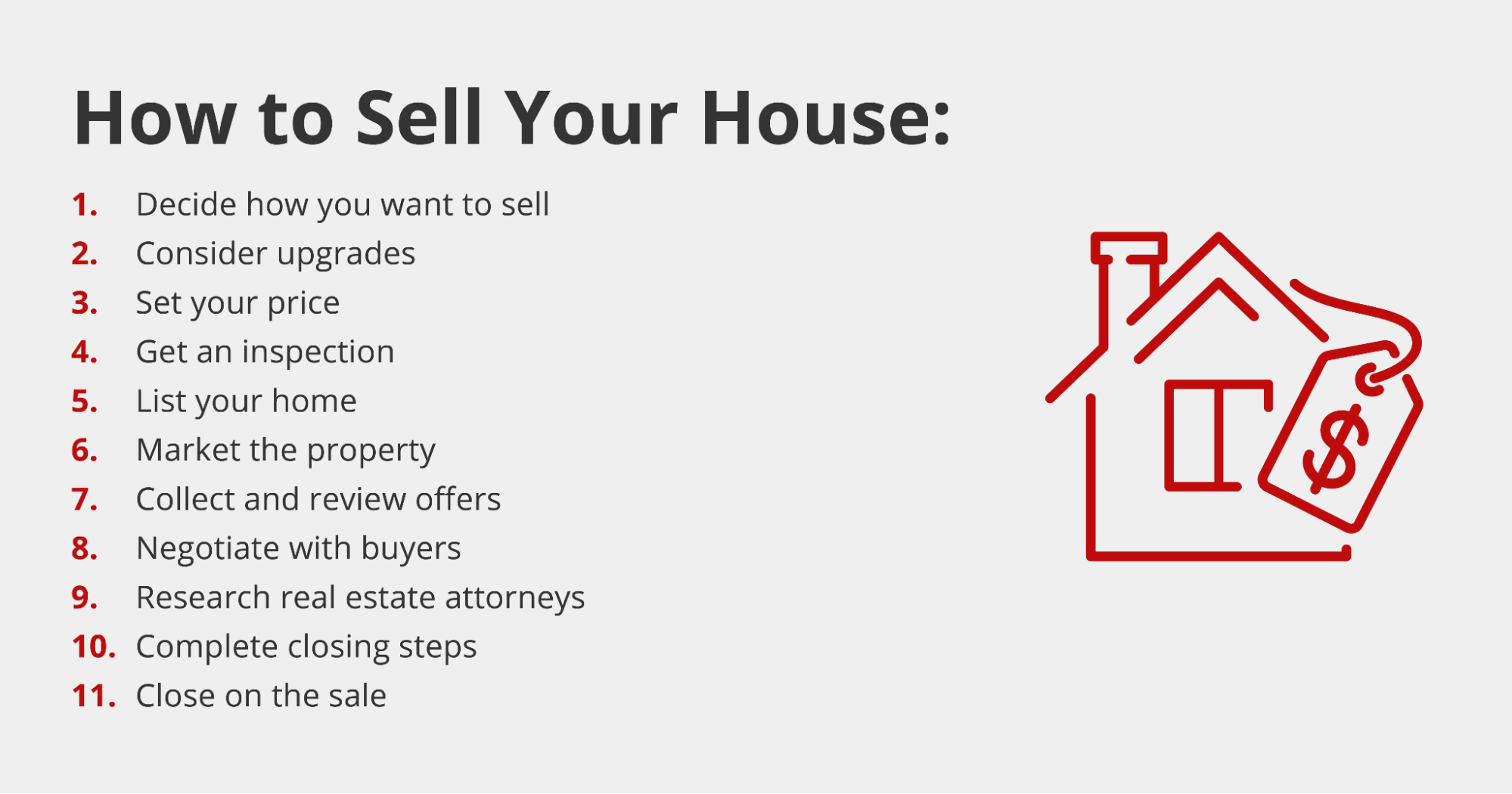
A skilled real estate agent is your most valuable partner in pricing your home. They have intimate knowledge of the local market, including recent sales, current listings, and buyer trends. They will typically provide a Comparative Market Analysis (CMA), which is similar to an appraisal but is focused on preparing your home for sale. A CMA will highlight the prices of recently sold similar homes, active listings that your home will compete with, and expired listings that failed to sell. This provides a realistic range of what buyers are currently paying and what your home needs to do to stand out.
DIY Valuation: Researching Comparable Sales
While professional input is essential, you can significantly enhance your understanding by conducting your own research into comparable properties.
Identifying True Comparables
The key to effective DIY valuation lies in identifying truly comparable properties. Look for homes that are:
- Similar in Size: Within a reasonable percentage of your home’s square footage.
- Similar in Style and Age: Ranch vs. Colonial, newly built vs. decades old.
- In the Same Neighborhood or Adjacent Ones: Ideally within a mile radius.
- Recently Sold: Within the last 3-6 months. Properties that have been on the market for an extended period may not reflect true market value.
- Similar in Condition and Features: Homes that have undergone similar renovations or have comparable amenities.
Utilizing Online Real Estate Platforms
Websites like Zillow, Redfin, Realtor.com, and others offer vast databases of property information. You can search for recently sold homes in your area and filter them based on the criteria mentioned above. Pay attention to the details: number of bedrooms and bathrooms, lot size, garage capacity, and any notable features or upgrades.
Understanding the Nuances of “Sold” Data
It’s important to remember that online estimates (like Zillow’s Zestimate) are just that – estimates. They rely on algorithms and publicly available data, which may not always capture the full picture of a property’s condition or unique selling points. The “sold” price is the ultimate determinant, and understanding the context behind that sale (e.g., was it a distressed sale, a bidding war, or an off-market transaction?) is crucial.
Pricing Your Home for Success: From Valuation to Offer
Once you have a solid understanding of your home’s potential market value, the next critical step is to strategically price it to attract buyers and achieve your financial goals.
The Psychology of Pricing: Finding the Sweet Spot
Pricing is not just about math; it’s also about psychology. The right price can generate immediate interest and multiple offers, while an overpriced home can languish on the market, leading to price reductions and ultimately selling for less than it could have initially.
Avoiding the “Overpriced Trap”
Listing your home at an unrealistically high price is one of the most common and detrimental mistakes sellers make. This can deter potential buyers from even viewing your property, as they may assume it’s out of their budget. An overpriced home often leads to a “stale” listing, where it sits on the market for an extended period. Buyers perceive a stale listing as a sign that something is wrong with the property, or that the seller is unwilling to negotiate. This can force you to make significant price reductions, and you may end up selling for less than you would have if you had priced it correctly from the start.
The Power of Competitive Pricing
Conversely, pricing your home competitively, or even slightly below market value in a highly desirable market, can create a sense of urgency and encourage multiple offers. This can sometimes lead to a bidding war, driving the final sale price above your initial listing price. This strategy requires careful consideration of market conditions and the potential for buyer excitement.
Strategic Pricing Adjustments and Negotiation
The initial listing price is not the end of the pricing discussion. Market feedback and buyer interest will dictate whether adjustments are necessary.
Responding to Market Feedback
After your home is listed, pay close attention to the feedback you receive from showings and open houses. Are buyers consistently commenting on the price? Are there offers coming in significantly below your asking price? This feedback can indicate that your initial valuation or pricing strategy needs adjustment. Your real estate agent will be invaluable in interpreting this feedback and recommending a course of action.
The Art of Negotiation
Once you receive an offer, the negotiation process begins. This is where your understanding of your home’s value, market conditions, and your own financial needs will be put to the test. Be prepared to discuss the offer with your agent, consider counteroffers, and understand what concessions you are willing to make. Remember that the “sale price” is not the only negotiable term; buyers may also seek concessions on closing costs, repairs, or closing dates.
Ultimately, determining “what you can sell your house for” is a multifaceted process that blends objective financial analysis with an understanding of human behavior and market dynamics. By thoroughly researching your property, leveraging professional expertise, and strategically pricing your home, you can position yourself for a successful and financially rewarding sale.
aViewFromTheCave is a participant in the Amazon Services LLC Associates Program, an affiliate advertising program designed to provide a means for sites to earn advertising fees by advertising and linking to Amazon.com. Amazon, the Amazon logo, AmazonSupply, and the AmazonSupply logo are trademarks of Amazon.com, Inc. or its affiliates. As an Amazon Associate we earn affiliate commissions from qualifying purchases.