
The term “Jewish Bible” often refers to the Tanakh, the canonical collection of Jewish scriptures. Understanding its composition is crucial for anyone seeking to grasp the foundational texts of Judaism. Far from being a single, monolithic book, the Tanakh is a complex library of diverse literary genres, historical accounts, prophetic pronouncements, and poetic expressions, all interwoven to form a narrative of God’s covenant with the Jewish people.
The Threefold Structure of the Tanakh
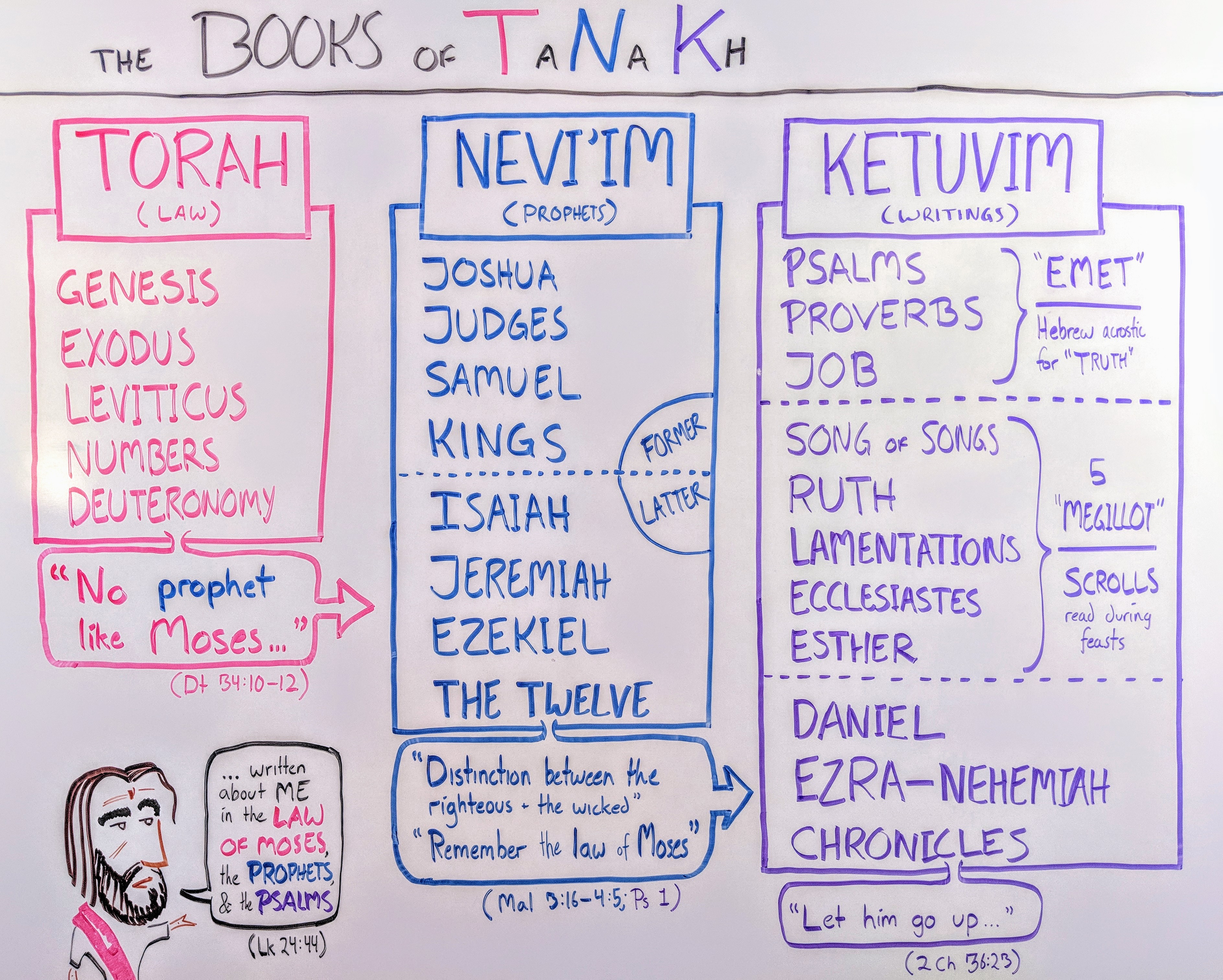
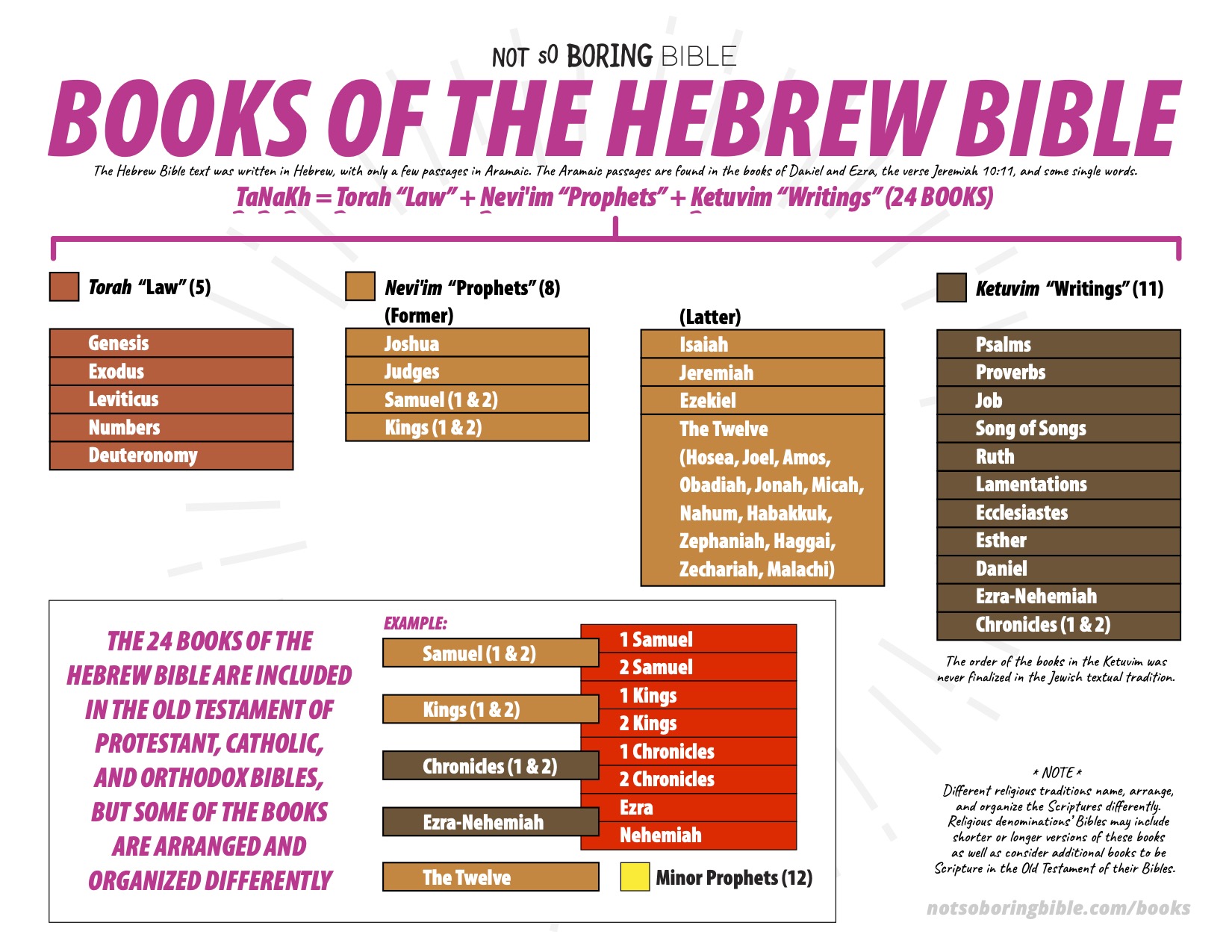
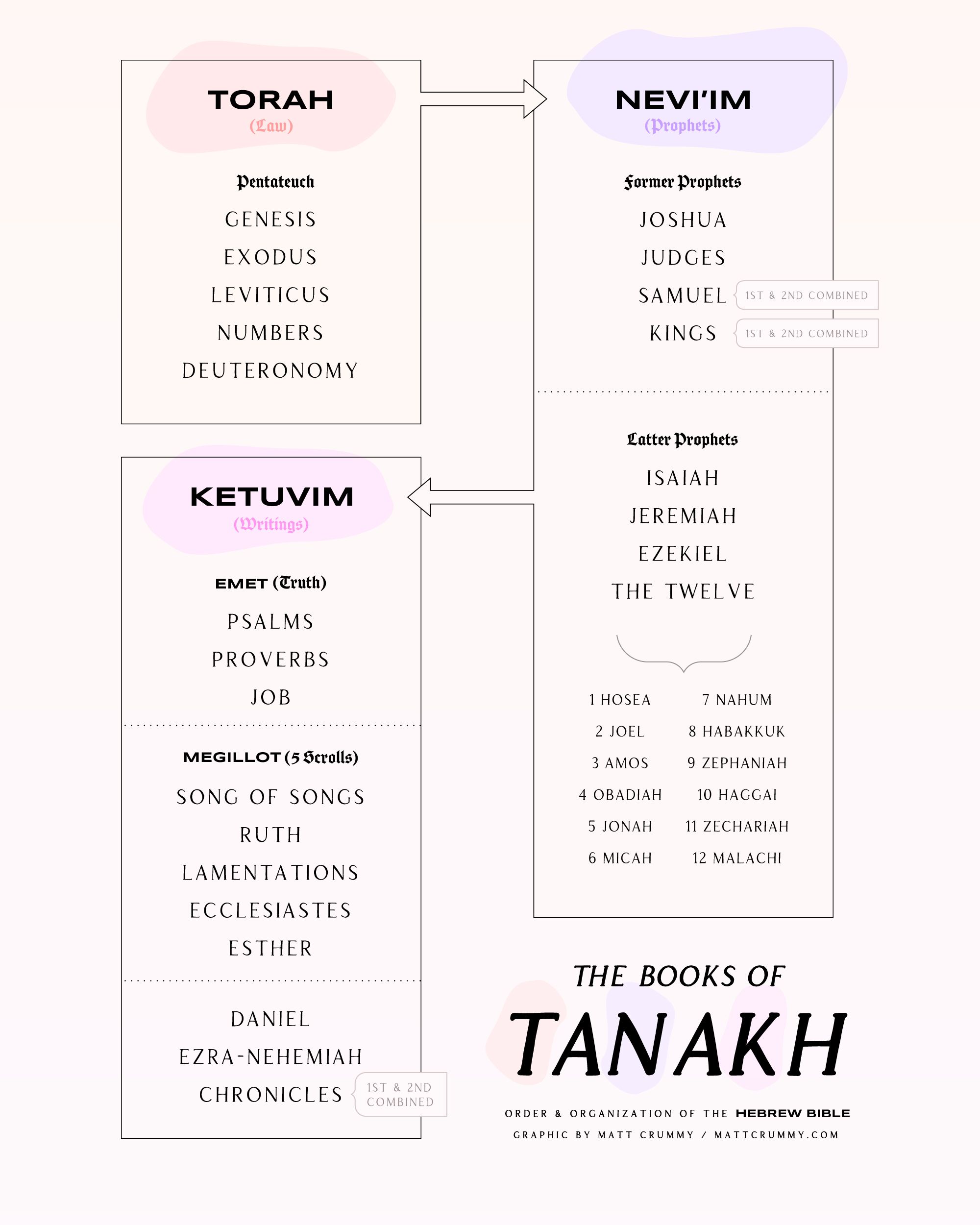
The Tanakh is not simply a chronological collection of writings but is systematically divided into three distinct sections, each with its own unique character and purpose. This tripartite structure is fundamental to understanding the organization and theological emphasis of the Jewish scriptures. These sections are the Torah, the Nevi’im, and the Ketuvim.
The Torah: The Foundation of Law and Narrative
The Torah, also known as the Pentateuch or the Five Books of Moses, forms the bedrock of the Tanakh. It is considered the most sacred and authoritative part of the Jewish Bible, containing the core narratives of creation, the patriarchs, the exodus from Egypt, and the establishment of the Israelite nation. Crucially, the Torah also lays out the divine commandments, known as the mitzvot, which guide Jewish life and practice. The five books within the Torah are:
Genesis (Bereishit)
Genesis, meaning “beginning,” recounts the creation of the universe, the early history of humanity, and the stories of the patriarchs: Abraham, Isaac, and Jacob, as well as Joseph. It establishes the foundational relationship between God and the Jewish people, detailing the covenant God made with Abraham and his descendants. Key events include the creation of Adam and Eve, the Flood and Noah’s Ark, the Tower of Babel, and God’s promises to Abraham.
Exodus (Shemot)
Exodus chronicles the enslavement of the Israelites in Egypt, their miraculous deliverance under the leadership of Moses, and the giving of the Torah at Mount Sinai. This book is central to Jewish identity, celebrating freedom from oppression and the receiving of divine law. It includes the Ten Commandments and a detailed account of the construction of the Tabernacle, God’s portable sanctuary.
Leviticus (Vayikra)
Leviticus focuses on the laws and rituals associated with worship, holiness, and sacrifice. It provides instructions for the priesthood (the Kohanim), the observance of the Sabbath and festivals, and dietary laws (kashrut). The emphasis here is on sanctification and maintaining a holy relationship with God.
Numbers (Bamidbar)
Numbers recounts the Israelites’ forty years of wandering in the wilderness after their exodus from Egypt. It details their censuses, their challenges, and their journey towards the Promised Land. This book highlights themes of faith, doubt, rebellion, and God’s continued guidance through difficult circumstances.
Deuteronomy (Devarim)
Deuteronomy, meaning “second law,” essentially comprises a series of sermons delivered by Moses to the Israelites before they enter the Land of Canaan. It reiterates and expands upon the laws presented in the earlier books, emphasizing the importance of obedience and love for God. It also includes Moses’ farewell address and his blessings upon the tribes of Israel.
The Nevi’im: The Voices of the Prophets
The Nevi’im, or Prophets, form the second major section of the Tanakh. This collection includes historical accounts of the Israelite monarchy and the period of prophecy, as well as the direct messages and visions of the prophets themselves. The Nevi’im serve as a reminder of God’s expectations for Israel, admonishing them for straying from the covenant and offering messages of hope and repentance. The Nevi’im are further divided into two sub-sections: the “Former Prophets” and the “Latter Prophets.”
The Former Prophets
The books in this section are largely historical narratives that focus on the period of Israelite settlement in Canaan and the early monarchy. They interpret historical events through a theological lens, highlighting God’s involvement in human affairs and the consequences of obedience and disobedience. The Former Prophets include:
Joshua
This book details the conquest and division of the Land of Canaan among the twelve tribes of Israel under the leadership of Joshua, Moses’ successor.
Judges
Judges describes the period after Joshua’s death, characterized by cycles of apostasy, oppression by foreign nations, and deliverance through charismatic leaders known as judges.
Samuel (1 & 2 Samuel)
These two books cover the transition from the period of the judges to the establishment of the monarchy, detailing the lives of the prophet Samuel, King Saul, and King David.
Kings (1 & 2 Kings)
These books chronicle the history of the united monarchy, its division into the Northern Kingdom of Israel and the Southern Kingdom of Judah, and the subsequent reigns of their kings, culminating in the Babylonian exile.
The Latter Prophets
This section consists of the writings of individual prophets, whose messages are often more direct, theological, and future-oriented. They address the moral and spiritual failings of the people and kings, calling for repentance and warning of impending judgment, but also offering visions of future redemption. The Latter Prophets are further divided into the “Major Prophets” and the “Minor Prophets” based on the length of their books, not their importance.
Major Prophets
These are the longer prophetic books:
- Isaiah (Yeshayahu): A comprehensive prophetic book offering pronouncements of judgment and visions of a messianic future.
- Jeremiah (Yirmeyahu): Known as the “weeping prophet,” Jeremiah delivered his messages during the turbulent years leading up to and during the Babylonian conquest of Jerusalem.
- Ezekiel (Yechezkel): A priest and prophet, Ezekiel delivered his prophecies during the Babylonian exile, offering messages of judgment, restoration, and the future rebuilding of the Temple.
Minor Prophets
These are the shorter prophetic books, often referred to collectively as the “Twelve Prophets”:
- Hosea (Hoshea): Uses his own troubled marriage as a metaphor for God’s relationship with unfaithful Israel.
- Joel (Yoel): Focuses on a locust plague as a sign of divine judgment and calls for repentance.
- Amos (Amos): A shepherd from the Northern Kingdom, Amos denounces social injustice and religious hypocrisy.
- Obadiah (Ovadia): A prophecy against Edom for its cruelty towards Judah during Jerusalem’s fall.
- Jonah (Yonah): The story of the reluctant prophet sent to Nineveh, illustrating God’s compassion even for Gentiles.
- Micah (Mikha): Denounces corruption and oppression, but also prophesies the coming of a ruler from Bethlehem.
- Nahum (Nachum): A prophecy of judgment against the Assyrian empire, specifically Nineveh.
- Habakkuk (Chavakuk): A dialogue between the prophet and God about the problem of evil and divine justice.
- Zephaniah (Tzefanya): Warns of a coming “Day of the Lord” of judgment but also promises future restoration.
- Haggai (Chagai): Encourages the rebuilding of the Second Temple after the return from exile.
- Zechariah (Zecharya): Offers visions and prophecies concerning the restoration of Jerusalem and the Messianic age.
- Malachi (Malachi): The last prophet in the Tanakh, Malachi addresses the spiritual apathy and corrupt practices of the post-exilic community.
The Ketuvim: Writings of Wisdom and Poetry
The Ketuvim, or Writings, is the third and largest section of the Tanakh, comprising a diverse collection of literary works. It includes poetry, wisdom literature, historical accounts, and liturgical texts. While less prescriptive than the Torah and less focused on direct divine pronouncements than the Nevi’im, the Ketuvim offers profound insights into human experience, faith, and the relationship between individuals and God. The books within the Ketuvim are numerous and varied:
The Poetical Books
These books are characterized by their lyrical style and explore themes of love, loss, wisdom, and praise:
- Psalms (Tehillim): A collection of 150 songs and prayers expressing a wide range of human emotions, from joy and praise to sorrow and lament.
- Proverbs (Mishlei): A compilation of wise sayings and moral instructions attributed primarily to King Solomon, offering practical guidance for living a righteous life.
- Job (Iyov): A profound exploration of suffering, faith, and the justice of God, telling the story of a righteous man who endures immense hardship.
The Megillot (The Five Scrolls)
These five shorter books are traditionally read in synagogues on specific festivals, adding a liturgical dimension to their study:
- Song of Songs (Shir HaShirim): An allegorical and literal celebration of love, often interpreted as representing the love between God and Israel. Read during Passover.
- Ruth (Rut): A story of loyalty, devotion, and unexpected redemption, focusing on a Moabite woman who embraces the God of Israel. Read during the festival of Shavuot.
- Lamentations (Eichah): A collection of five poetic laments mourning the destruction of Jerusalem and the Temple. Read on Tisha B’Av.
- Ecclesiastes (Kohelet): A philosophical exploration of the meaning of life, emphasizing the transience of earthly pursuits and the importance of fearing God. Read during Sukkot.
- Esther (Esther): The story of a Jewish queen who saves her people from annihilation in Persia, celebrated with the festival of Purim.
Other Books of the Ketuvim
- Daniel (Daniel): A book that combines historical narrative with apocalyptic visions, focusing on the faithfulness of Daniel and his companions in exile and prophetic insights into future kingdoms.
- Ezra-Nehemiah (Ezra; Nechemiah): These books (often treated as one) recount the return of the Jewish exiles from Babylon, the rebuilding of the Temple and Jerusalem, and the spiritual and administrative reforms undertaken.
- Chronicles (Divrei HaYamim 1 & 2): These books offer a retrospective account of Israel’s history, focusing on the Davidic dynasty and the Temple, often with a theological emphasis on covenant faithfulness.
In conclusion, the Jewish Bible, or Tanakh, is a rich tapestry of scripture, divided into the Torah, Nevi’im, and Ketuvim. Each section contributes uniquely to the understanding of God, the covenant, and the principles that have guided Jewish life and thought for millennia. Exploring these books offers a profound journey into the spiritual and historical heart of Judaism.
aViewFromTheCave is a participant in the Amazon Services LLC Associates Program, an affiliate advertising program designed to provide a means for sites to earn advertising fees by advertising and linking to Amazon.com. Amazon, the Amazon logo, AmazonSupply, and the AmazonSupply logo are trademarks of Amazon.com, Inc. or its affiliates. As an Amazon Associate we earn affiliate commissions from qualifying purchases.