
The question “what are the years of adolescence?” might appear straightforward, evoking common societal markers like the onset of puberty or the achievement of legal majority. However, in our increasingly digital world, the temporal boundaries and lived experiences of adolescence are being subtly, and sometimes overtly, reshaped by technology. Understanding adolescence today requires acknowledging the influence of digital platforms, the constant connectivity, and the evolving landscape of information and social interaction that defines this critical developmental period. This exploration delves into the nuanced understanding of adolescent years, viewed through the prism of technology’s pervasive influence.

The Traditional Framework: A Shifting Digital Landscape
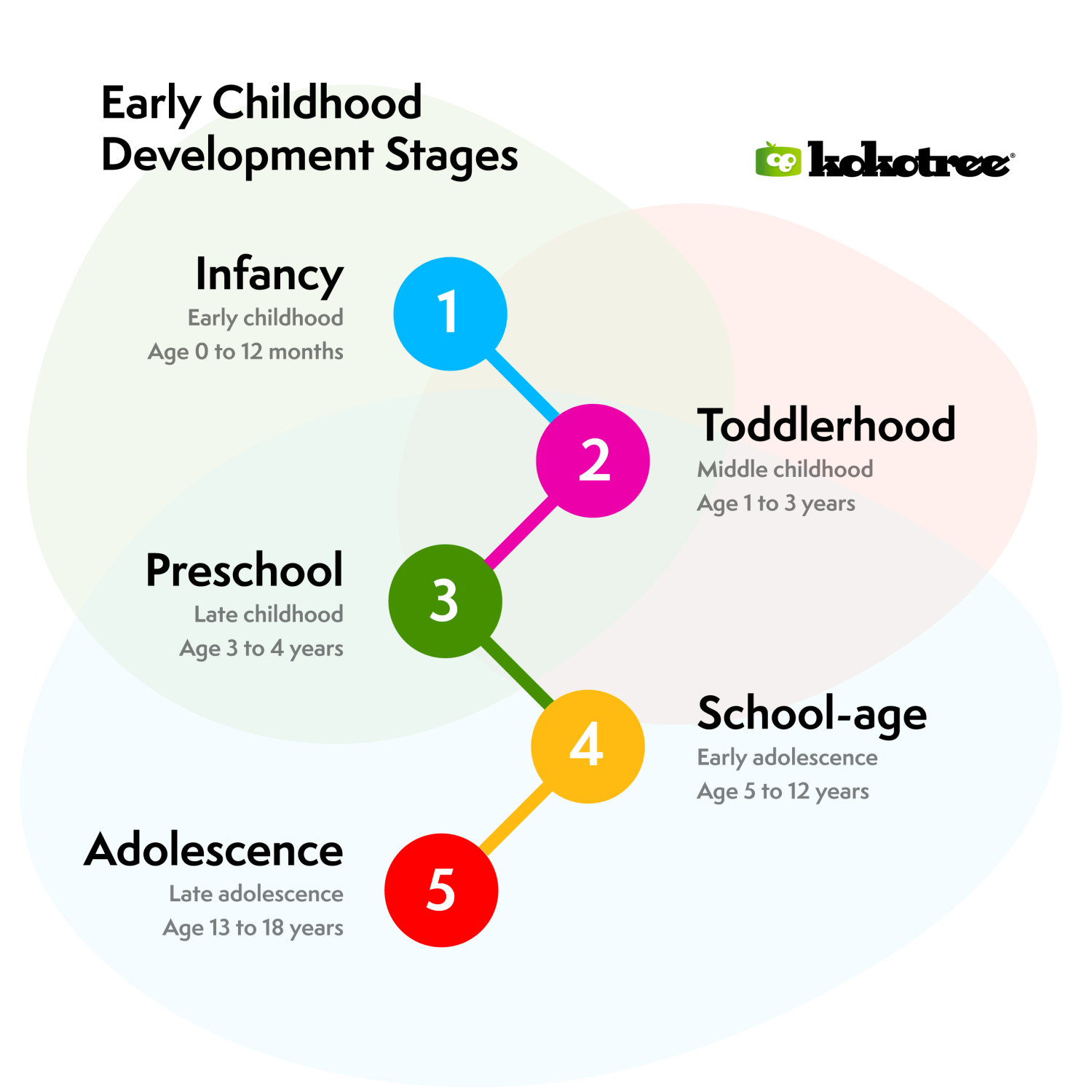
Historically, adolescence has been understood as a transitional phase between childhood and adulthood, typically spanning from puberty (around 10-14 years) to the late teens or early twenties (around 18-21 years). This period is characterized by significant biological, psychological, and social changes. However, the advent and proliferation of digital technologies have introduced new dimensions to these transitions, blurring traditional lines and extending certain aspects of adolescent development into new territories.
Puberty’s Digital Mirror: Early Indicators and Information Access
The biological markers of adolescence, like puberty, are still the primary biological anchors. Yet, the awareness and management of these changes are now heavily mediated by technology. From the earliest stages, pre-teens and early adolescents are exposed to information about puberty through online resources, videos, and forums, often before they receive formal education or parental guidance. This digital immersion can influence their perceptions, anxieties, and preparedness for these physical and emotional shifts.
- Early Digital Exposure: Children are gaining access to smartphones and tablets at younger ages than ever before. This means exposure to a wider digital world, including content that can hint at or directly address adolescent changes, often before the physical manifestations are fully evident.
- Information Overload and Misinformation: While the internet provides a wealth of information, it also presents a significant risk of misinformation regarding puberty, body image, and developing sexuality. Adolescents navigate this complex landscape, often forming their understanding based on a mix of reliable and unreliable digital sources.
- Technological Tools for Tracking and Understanding: For parents and even adolescents themselves, wearable technology and health apps are beginning to offer insights into biological rhythms and developmental milestones. While not directly dictating the years of adolescence, these tools can provide data points that inform the understanding of individual developmental timelines.
The “Digital Native” Experience: Extended Adolescence and New Milestones
The concept of “digital natives” – those who have grown up with ubiquitous internet access and digital devices – suggests that their developmental trajectory may differ from previous generations. The constant connectivity, the pressure to maintain an online persona, and the extended period of social and emotional learning through digital platforms can contribute to a perceived extension of adolescence, even as biological markers remain consistent.
- Social Media’s Role in Identity Formation: Social media platforms have become central arenas for adolescent social development and identity formation. The curated realities, the pursuit of likes and validation, and the navigation of online social hierarchies all contribute to a prolonged period of self-discovery and social experimentation that often spills beyond the traditional age brackets.
- The “Snapchat Dysmorphia” Phenomenon: This term highlights how the use of filters and digital alteration of images can create unrealistic beauty standards, contributing to body image issues and self-esteem challenges that extend into late adolescence and even early adulthood. The pursuit of an idealized digital self can prolong the insecurities and self-consciousness associated with adolescence.
- Educational Technology and Extended Learning: The rise of online learning platforms, educational apps, and digital resources allows for more flexible and often extended periods of learning and skill acquisition. This can blur the lines between formal education and personal development, potentially prolonging the period of structured learning and skill building that often defines the latter stages of adolescence.
- The “Emerging Adulthood” Concept in a Digital Age: Sociologists have discussed “emerging adulthood” as a distinct phase from roughly 18 to 29 years, characterized by exploration and delayed commitment. In the digital age, this concept is further amplified as technology enables remote work, online education, and global connectivity, allowing for more prolonged periods of self-discovery and experimentation before settling into adult roles.
Navigating the Digital Frontier: Technology’s Impact on Adolescent Autonomy and Responsibility
As technology provides adolescents with unprecedented access to information, connection, and influence, it also raises questions about their autonomy, responsibility, and the digital boundaries of their developmental stage. The years of adolescence are increasingly defined by how young people navigate this complex digital frontier.
Digital Autonomy and the Blurred Lines of Childhood and Adulthood
The ability for adolescents to independently access and interact with the digital world at an increasingly young age introduces new dimensions to the concept of autonomy. This digital autonomy often precedes full social and cognitive maturity, creating a unique set of challenges and opportunities.
- Early Digital Independence: Children as young as 8 or 9 can possess their own devices and navigate the internet independently. This grants them a significant degree of autonomy in their information consumption and social interactions, which is a departure from previous generations where such independence was typically reserved for later adolescence.
- The Role of Parental Controls and Digital Guardianship: While digital autonomy is a reality, parents and guardians often employ technological solutions like parental control apps and screen time limits to manage this newfound independence. This creates a complex interplay between a child’s desire for autonomy and the technological mechanisms in place to guide and protect them.
- Digital Citizenship and Online Etiquette: The development of responsible digital citizenship is a critical component of modern adolescence. Learning to navigate online interactions, understand privacy settings, and engage ethically in digital spaces are skills that are developed throughout these years, often through trial and error facilitated by technology.
The Evolving Definition of “Ready for Adulthood” in a Tech-Driven Society
The traditional markers of readiness for adulthood – financial independence, stable employment, and establishing a household – are now intertwined with technological proficiency and digital engagement. The years of adolescence are thus also a period of acquiring digital competencies that are increasingly essential for adult life.
- Digital Literacy as a Prerequisite: Proficiency in using various digital tools, understanding online communication, and discerning credible information are no longer optional skills but fundamental requirements for navigating higher education and the modern workforce. The years of adolescence are crucial for developing this digital literacy.
- The Gig Economy and Online Income Streams: For many emerging adults, the pursuit of “online income” and “side hustles” through digital platforms has become a significant aspect of their journey towards financial independence. This can extend the period of exploration and experimentation with income generation, blurring the traditional lines of entry into full-time adult employment.
- Virtual Communities and Support Networks: Technology has enabled adolescents to form virtual communities and support networks based on shared interests, challenges, or identities. These online spaces can provide crucial emotional support and a sense of belonging, which can influence the timing and nature of their transition into adulthood, offering a buffer or alternative to traditional social support structures.
The Future of Adolescent Years: Continuous Digital Evolution
As technology continues its rapid evolution, so too will the definition and experience of adolescence. The coming years will likely see even more profound integrations of technology into every aspect of adolescent development, from learning and social interaction to identity formation and the very perception of time.
AI and the Personalization of Adolescent Development
Artificial intelligence (AI) is poised to play an increasingly significant role in shaping how we understand and support adolescents. AI-powered tools can offer personalized learning experiences, mental health support, and even insights into developmental patterns.
- AI-Powered Educational Tools: Adaptive learning platforms that adjust to an individual student’s pace and learning style are becoming more sophisticated. This can tailor educational experiences throughout adolescence, potentially influencing the duration and effectiveness of formal schooling.
- AI for Mental Health Support: Chatbots and AI-driven therapeutic applications are emerging as accessible resources for adolescents dealing with mental health challenges. While not a replacement for human interaction, these tools can provide initial support and guidance, potentially impacting the way adolescents seek help and manage their well-being during these formative years.
- Predictive Analytics in Development: While ethically complex, the use of AI to analyze developmental data could offer new insights into adolescent trajectories. This might lead to more nuanced understandings of when certain developmental milestones are typically reached, further refining the temporal boundaries of adolescence.

Extended Digital Engagement and the Redefinition of Adulthood
The increasing longevity of human life, coupled with the continuous technological advancements that enable new forms of work and social engagement, suggests that the concept of “adulthood” itself may continue to shift. This shift will inevitably influence how we perceive the preceding years of adolescence.
- Lifelong Learning and Upskilling: The need for continuous learning and upskilling in a rapidly changing job market means that individuals may engage in formal or informal learning well into what was traditionally considered adulthood. This blurs the lines of the educational phase of adolescence.
- The Blurring of Work and Life: Technology enables greater flexibility in work arrangements, including remote work and the gig economy, allowing individuals to integrate professional pursuits with personal development and exploration for longer periods. This can extend the “exploration” phase often associated with emerging adulthood, which is rooted in adolescent development.
- Digital Legacy and Lifespan: As individuals live longer and engage more actively in digital spaces throughout their lives, the concept of a “digital legacy” becomes increasingly relevant. This extended digital presence, cultivated throughout adolescence and beyond, contributes to a more complex understanding of a person’s life journey, where the digital footprint of adolescence is a significant and enduring part.
In conclusion, while the biological and societal markers of adolescence remain fundamental, the years of adolescence are no longer solely defined by these traditional indicators. Technology has woven itself into the fabric of this developmental stage, reshaping how young people learn, socialize, form their identities, and navigate their path towards adulthood. Understanding adolescence in the 21st century necessitates a keen awareness of the digital forces that are continuously redefining its temporal boundaries and lived experiences.
aViewFromTheCave is a participant in the Amazon Services LLC Associates Program, an affiliate advertising program designed to provide a means for sites to earn advertising fees by advertising and linking to Amazon.com. Amazon, the Amazon logo, AmazonSupply, and the AmazonSupply logo are trademarks of Amazon.com, Inc. or its affiliates. As an Amazon Associate we earn affiliate commissions from qualifying purchases.