
The “Twitter Files” refers to a series of internal documents and communications released by Twitter (now X) starting in late 2022. These documents shed light on the company’s internal decision-making processes, particularly concerning content moderation, censorship, and the handling of user information. Primarily released to journalists and researchers, the files have ignited significant debate about platform power, free speech, and the role of social media in public discourse. This exploration will delve into the origins, content, and implications of the Twitter Files, focusing squarely on their ramifications within the realm of Tech.
The Genesis of the Twitter Files: A Shift in Transparency
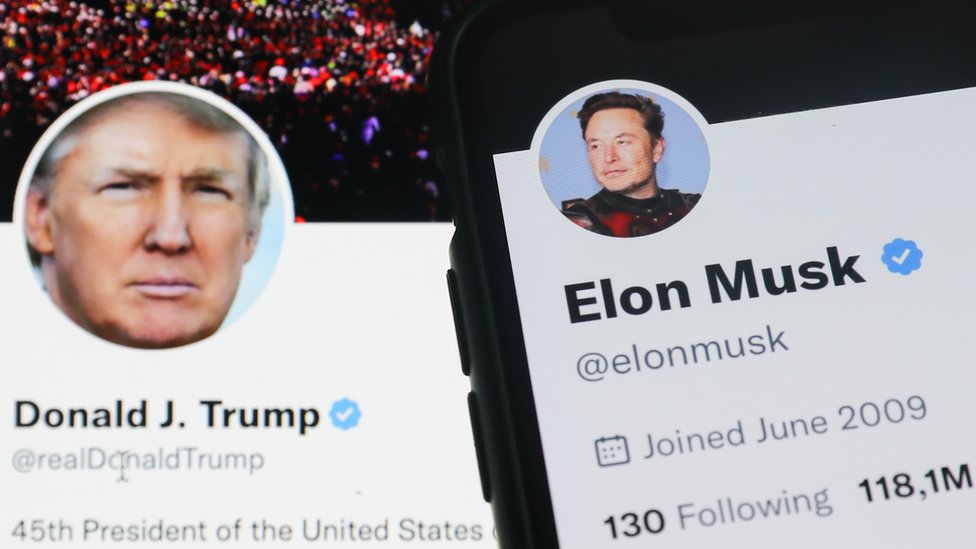
The inception of the Twitter Files can be traced back to the change in ownership of Twitter in late 2022, with Elon Musk acquiring the company. Musk had campaigned on a platform of increased transparency and a commitment to the principle of “free speech absolutism” on the platform. As part of this commitment, he authorized the release of internal documents, promising to expose what he described as the “censorship” and “shadow banning” that had occurred under previous management. This move was met with both anticipation and skepticism, as it promised to offer an unprecedented look behind the curtain of one of the world’s most influential social media platforms.
The Role of Elon Musk and Internal Whistleblowers
Elon Musk’s acquisition of Twitter was the catalyst for the release of the Twitter Files. His stated goal was to foster greater openness about how the platform operated, particularly in relation to content moderation policies and their application. Musk delegated the task of curating and releasing these documents to select journalists, most notably Matt Taibbi and Bari Weiss, who had previously been critical of Twitter’s content policies. This approach itself generated controversy, as the selection of journalists and the framing of the releases were seen by some as politically motivated.
The “Twitter Files” as a Public Relations Strategy
From a technological and platform governance perspective, the release of the Twitter Files can also be viewed as a strategic move by the new ownership. It served to:
- Signal a New Era of Openness: By making internal deliberations public, Musk’s administration aimed to differentiate itself from the previous leadership, which was often perceived as opaque. This was a deliberate attempt to rebuild trust with certain segments of the user base and to project an image of a more user-centric platform.
- Justify Policy Changes: The revelations within the files were frequently used to justify subsequent changes to Twitter’s moderation policies, employee structure, and operational practices. Musk leveraged the information to explain why he believed certain past decisions were detrimental to free expression.
- Influence Public Perception: The narrative surrounding the Twitter Files has been heavily contested. Supporters see them as evidence of systemic bias and censorship, while critics argue they are cherry-picked to support a particular agenda. Regardless of interpretation, the releases have undeniably shaped public perception of Twitter’s past and present operations.
Core Content of the Twitter Files: Moderation, Policy, and Influence
The substance of the Twitter Files centers on how Twitter’s internal systems, policies, and human decisions intersected to shape what content users saw and what they were prevented from saying. These documents offer a granular view of the complex and often contentious landscape of social media content moderation.
Content Moderation and Policy Enforcement
A significant portion of the released files details the processes and debates surrounding content moderation. This includes:
- “Shadow Banning” Allegations: The files have been cited by some as evidence of “shadow banning,” a practice where content or accounts are made less visible without explicit notification to the user. While Twitter historically denied systematic shadow banning, the documents have revealed internal discussions and algorithms that impacted content reach. The debate often revolves around the distinction between algorithmic amplification and suppression, and whether the latter constitutes a form of censorship.
- The Handling of Controversial Narratives: The files have touched upon Twitter’s decisions regarding the moderation of specific political narratives, including the suppression of stories deemed “misinformation” or “election interference.” The Hunter Biden laptop story and discussions around COVID-19 information are frequently cited examples. These instances highlight the challenges platforms face in balancing the need to combat harmful content with the protection of legitimate discourse.
- The Role of Third-Party Requests: A recurring theme is the extent to which external entities, including government agencies and political organizations, influenced Twitter’s moderation decisions. The files have reportedly shown instances where Twitter employees engaged with these entities, leading to debates about the independence of platform policy enforcement.

Internal Debates and Decision-Making Processes
The Twitter Files offer a glimpse into the internal workings of the company, revealing the differing viewpoints and pressures that shaped its decisions.
- Conflicting Interpretations of Policies: The documents often illustrate how Twitter’s own policies could be interpreted in multiple ways by different teams or individuals within the company. This led to inconsistencies in enforcement and provided fertile ground for accusations of bias.
- The Influence of Public Pressure and Media: The files sometimes depict how public outcry, media attention, or the threat of negative press could influence moderation decisions. This raises questions about whether policies were applied consistently or opportunistically.
- The Engineering and Algorithmic Side: Beyond human moderation, the files have also delved into the engineering aspects of content visibility. Discussions around algorithms that determine what content users see, and how those algorithms might have been tweaked or biased, are central to the technological implications.
Technological Implications and Debates
The Twitter Files have profound implications for understanding the technological architecture and governance of social media platforms. They bring to the forefront critical questions about algorithms, platform power, and the very definition of free speech in the digital age.
Algorithmic Transparency and Bias
The release of these documents has intensified calls for greater transparency regarding the algorithms that power social media platforms.
- Understanding Content Amplification and Suppression: The files have provided some insights into how Twitter’s algorithms might have been configured to amplify certain types of content or suppress others. This raises concerns about whether these algorithms are neutral or if they inadvertently or intentionally promote specific viewpoints. The technical specifics of these algorithms remain largely proprietary, but the discussions within the files offer clues.
- The Impact of Algorithm Design on Discourse: The way content is surfaced and prioritized by algorithms has a direct impact on public discourse. If algorithms are opaque, their potential for bias or manipulation becomes a significant concern for users and policymakers alike. The Twitter Files have served as a case study in how these internal workings can affect the broader information ecosystem.
Platform Power and Accountability
The existence and release of the Twitter Files underscore the immense power wielded by social media platforms.
- The Gatekeepers of Information: Twitter, like other major platforms, acts as a powerful gatekeeper of information for billions of users. The decisions made regarding content moderation and visibility have real-world consequences for political discourse, public opinion, and even democratic processes.
- The Need for External Oversight: The revelations have fueled debates about the necessity of external oversight for social media companies. Critics argue that self-regulation has proven insufficient and that independent bodies or legislative action may be required to ensure accountability and protect user rights. The tech industry, in its current form, operates with significant autonomy, and the Twitter Files have highlighted the potential risks associated with this.
- Defining Free Speech in the Digital Age: The core of the controversy lies in how platforms interpret and enforce “free speech.” The files have brought to light the complex challenges of moderating content in a way that is both inclusive and protective, without resorting to censorship. This is not just a policy debate; it is fundamentally a technological challenge of how to build platforms that can foster open dialogue while mitigating harm. The technical infrastructure of these platforms, including their moderation tools and algorithms, are the conduits through which these difficult decisions are enacted.

The Future of Platform Governance and Tech Policy
The enduring legacy of the Twitter Files will likely be their contribution to the ongoing conversation about the future of social media governance and the development of tech policy.
- Setting Precedents for Transparency: The precedent set by the release of the Twitter Files, regardless of one’s interpretation of their contents, may encourage other platforms to adopt more transparent practices. This could lead to a broader trend of increased openness in the tech industry.
- Informing Legislative Efforts: Policymakers around the world are grappling with how to regulate social media. The insights gained from the Twitter Files can serve as valuable data points, informing the development of legislation aimed at issues such as algorithmic transparency, data privacy, and content moderation accountability.
- Evolving User Expectations: As users become more aware of the complex technological and policy decisions that shape their online experiences, their expectations of platforms are likely to evolve. The demand for greater control over their data, more predictable content moderation, and clearer algorithmic processes will likely grow, pushing the tech industry to innovate in areas of transparency and user empowerment. The Twitter Files have undeniably contributed to this evolving landscape of user expectation and platform responsibility within the tech sphere.