
Blood, a vital fluid coursing through our veins and arteries, is far more than a simple red liquid. It’s a complex biological matrix, a sophisticated transport system, and a critical indicator of our overall health. In the realm of technology, understanding the intricate composition of blood is paramount. From the development of advanced diagnostic tools that can detect disease at its earliest stages to the creation of innovative therapeutic interventions, the detailed analysis of blood components forms the bedrock of numerous technological breakthroughs in medicine and biotechnology. This article delves into the fundamental components of blood, exploring their individual roles and highlighting their significance within the context of technological innovation.
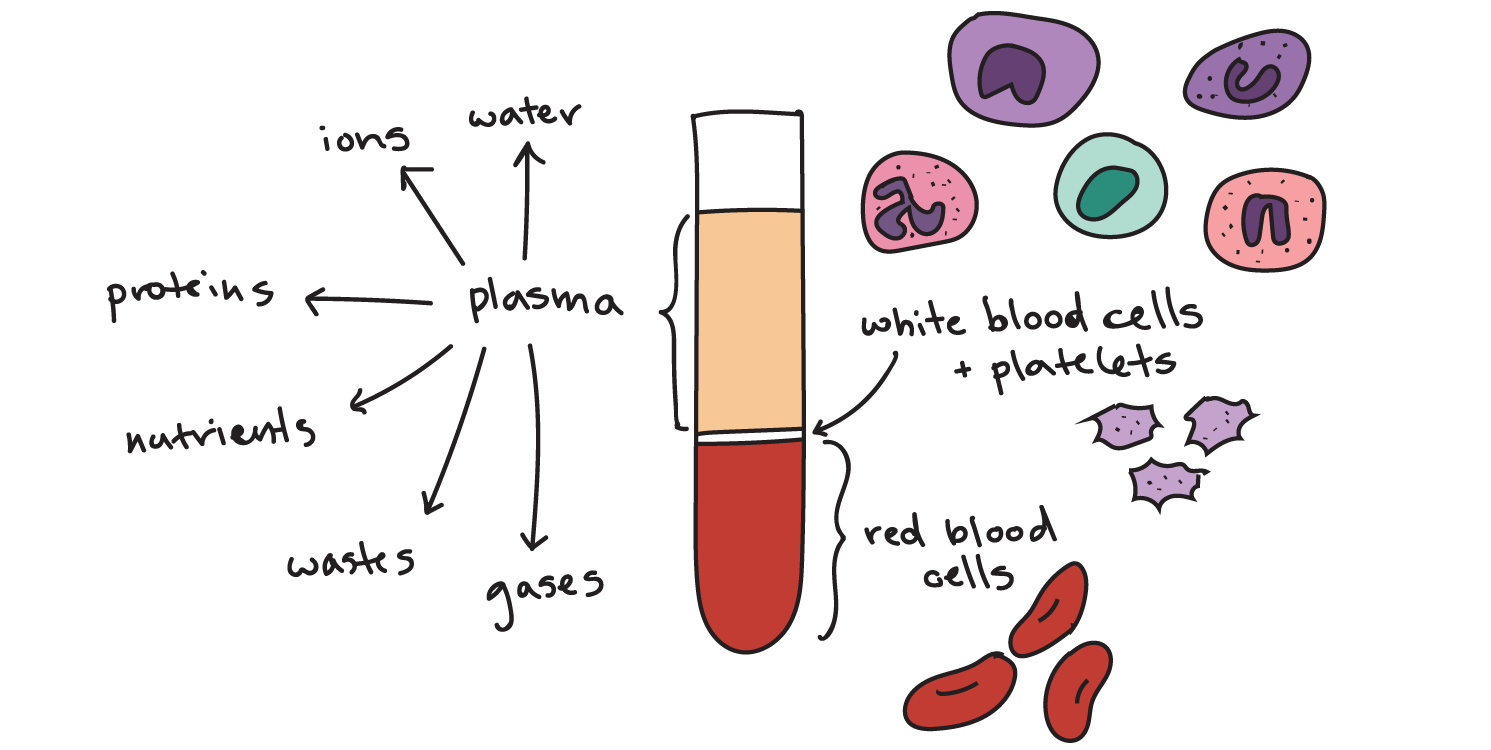
The Cellular Architects: Red Blood Cells, White Blood Cells, and Platelets
The most visible and abundant elements suspended within blood plasma are the cellular components. These are not static entities but dynamic participants in a myriad of physiological processes, each with unique structures and functions that have been meticulously studied and technologically harnessed.
Red Blood Cells (Erythrocytes): The Oxygen Delivery Network
Red blood cells, or erythrocytes, are perhaps the most recognized blood cells. Their primary and most critical function is the transport of oxygen from the lungs to the body’s tissues and the removal of carbon dioxide as a waste product. This vital task is accomplished by a protein called hemoglobin, which resides within each red blood cell. Hemoglobin contains iron, which binds to oxygen molecules, giving blood its characteristic red color.
The technology behind understanding and manipulating red blood cells is extensive. Automated blood cell counters, a staple in modern laboratories, utilize various principles like impedance and light scattering to quantify and differentiate red blood cells, providing crucial data for diagnosing conditions such as anemia (a deficiency in red blood cells or hemoglobin) and polycythemia (an excess of red blood cells). Furthermore, advanced imaging techniques, including confocal microscopy and flow cytometry, allow researchers to visualize the morphology and behavior of erythrocytes at a cellular and even molecular level, leading to a deeper understanding of their development and potential defects. The development of artificial blood substitutes, though still an active area of research, directly leverages our understanding of hemoglobin’s oxygen-carrying capacity, aiming to replicate its function through technological innovation.
White Blood Cells (Leukocytes): The Immune System’s Sentinels
White blood cells, or leukocytes, are the body’s defense mechanism, forming the cornerstone of the immune system. They are a diverse group of cells, each with specialized roles in identifying and neutralizing pathogens such as bacteria, viruses, and fungi, as well as clearing cellular debris and abnormal cells. The major types of white blood cells include neutrophils, lymphocytes, monocytes, eosinophils, and basophils, each contributing uniquely to the body’s defense.
The technological applications stemming from the study of white blood cells are immense. Flow cytometry, a powerful analytical technique, is instrumental in identifying and quantifying different types of leukocytes, which is crucial for diagnosing and monitoring a wide range of conditions, including infections, autoimmune diseases, and cancers like leukemia. Genetic sequencing technologies have also revolutionized our understanding of lymphocyte function, enabling the development of targeted immunotherapies for cancer and other diseases. In diagnostic laboratories, automated differential counts provide rapid assessments of leukocyte populations, aiding clinicians in making timely treatment decisions. Moreover, research into personalized medicine heavily relies on understanding the specific immune profiles of individuals, often analyzed through sophisticated blood tests that scrutinize leukocyte activity and gene expression.
Platelets (Thrombocytes): The Clotting Cascade Initiators
Platelets, or thrombocytes, are small, irregular-shaped cell fragments derived from larger bone marrow cells called megakaryocytes. Their primary role is in hemostasis, the process of stopping bleeding. When a blood vessel is injured, platelets aggregate at the site of injury, forming a plug and releasing factors that initiate the complex cascade of blood clotting. Without functional platelets, even minor injuries could lead to life-threatening hemorrhages.
The technological advancements in understanding platelet function are critical for managing bleeding disorders and thrombotic diseases. Automated hematology analyzers routinely measure platelet count, crucial for assessing bleeding risk. More advanced assays can evaluate platelet function, such as aggregometry, which uses light transmission to measure how well platelets clump together in response to different stimuli. This technology is vital for monitoring the effectiveness of antiplatelet medications used to prevent heart attacks and strokes. Furthermore, research into platelet-rich plasma (PRP) therapy, a regenerative medicine technique, harnesses the growth factors released by platelets to promote tissue healing, showcasing a direct technological application of this blood component.
The Liquid Matrix: Plasma and Its Crucial Solutes
Suspended within these cellular components is plasma, a straw-colored liquid that constitutes about 55% of blood volume. Plasma is primarily water, but it carries a vast array of dissolved substances essential for life. The technological investigation of plasma reveals a complex biochemical soup, critical for maintaining homeostasis and facilitating numerous bodily functions.
Plasma: The Transport Medium and Biochemical Hub

Plasma serves as the transport medium for blood cells, as well as for nutrients, hormones, antibodies, waste products, and vital proteins. Its composition is tightly regulated, reflecting the body’s overall metabolic state. The water content of plasma allows for the efficient circulation of all these substances throughout the body.
The technological applications in analyzing plasma are vast and ever-evolving. Clinical chemistry analyzers employ sophisticated enzymatic and immunoassay techniques to measure hundreds of different analytes in plasma, including glucose, electrolytes, enzymes, lipids, and organ function markers. These analyses are fundamental to routine health screenings, diagnosing diseases like diabetes, kidney disease, and liver disorders, and monitoring treatment efficacy. The development of point-of-care testing devices, utilizing microfluidics and biosensors, allows for rapid plasma analysis in diverse settings, from emergency rooms to remote clinics, revolutionizing patient care through accessible technology.
Vital Proteins: Albumin, Globulins, and Clotting Factors
Plasma is rich in various proteins, each with specific functions. Albumin, the most abundant plasma protein, helps maintain oncotic pressure, which prevents fluid from leaking out of blood vessels. Globulins include antibodies (immunoglobulins), which are crucial for the immune response, and transport proteins. Clotting factors, a group of specialized proteins, are essential for initiating and completing the blood coagulation process.
The technological prowess in understanding and quantifying these proteins is a testament to advancements in biochemistry and molecular biology. Immunoassays, such as ELISA (Enzyme-Linked Immunosorbent Assay) and Western blotting, are widely used to detect and quantify specific proteins, including antibodies for diagnosing infectious diseases or monitoring autoimmune conditions. Protein electrophoresis is another key technique for separating and analyzing different protein fractions in plasma, aiding in the diagnosis of conditions like multiple myeloma. Furthermore, the development of recombinant clotting factors has been a monumental achievement in biotechnology, providing life-saving treatments for individuals with hemophilia, a genetic disorder characterized by a deficiency in specific clotting factors.
Electrolytes, Nutrients, and Hormones: The Body’s Chemical Messengers
Plasma also carries a multitude of essential electrolytes (like sodium, potassium, and chloride), nutrients (such as glucose, amino acids, and fatty acids), and hormones (chemical messengers that regulate various bodily functions). The precise balance of these substances is critical for cellular function and overall physiological stability.
Technological innovation in this domain is directly linked to the miniaturization and automation of analytical equipment. Spectrophotometry, mass spectrometry, and various electrochemical sensors are employed to accurately measure electrolyte levels, glucose concentrations, and hormone levels. These technologies underpin diagnostic testing for conditions like diabetes, thyroid disorders, and electrolyte imbalances. The development of continuous glucose monitoring (CGM) systems, a significant technological leap, allows individuals with diabetes to track their blood glucose levels in real-time, enabling better management of their condition. Similarly, advanced assays for hormone levels are crucial for diagnosing endocrine disorders and guiding hormone replacement therapies.
Blood as a Biomarker: Technological Applications in Diagnosis and Research
The intricate composition of blood makes it an invaluable source of biomarkers, substances that can indicate a particular physiological state, disease process, or response to treatment. Technological advancements have transformed blood analysis from a basic diagnostic tool into a sophisticated platform for early disease detection, personalized medicine, and cutting-edge research.
Diagnostic Technologies: From Basic Tests to Advanced Profiling
The diagnostic power derived from blood analysis is profound. Basic blood tests, performed using automated analyzers, provide a snapshot of a patient’s health. However, modern technology enables much deeper insights. Techniques like DNA sequencing are now routinely used to detect genetic predispositions to diseases or to identify specific mutations in cancer cells, guiding personalized treatment strategies. Proteomics, the study of the entire set of proteins expressed by an organism, is increasingly being applied to blood samples to identify novel disease markers and understand complex biological pathways. Liquid biopsies, a non-invasive diagnostic approach, leverage the presence of circulating tumor DNA (ctDNA) or circulating tumor cells (CTCs) in the blood to detect, monitor, and even guide the treatment of cancer.
Drug Development and Personalized Medicine: Tailoring Therapies with Blood Data
The pharmaceutical industry heavily relies on blood analysis throughout the drug development pipeline. Pharmacogenomics, the study of how genes affect a person’s response to drugs, uses blood samples to identify genetic variations that influence drug efficacy and safety. This allows for the development of personalized medicine, where treatments are tailored to an individual’s genetic makeup, maximizing effectiveness and minimizing adverse reactions. Understanding how drugs are metabolized and distributed within the body often involves analyzing blood levels of the drug and its metabolites, utilizing sophisticated chromatographic and mass spectrometric techniques. The ability to precisely measure blood components also allows for the development of targeted therapies, such as monoclonal antibodies, which are designed to interact with specific molecules on blood cells or in the bloodstream.

Research and Innovation: Unraveling Biological Mysteries
Beyond direct clinical applications, blood analysis remains a cornerstone of fundamental biological research. Technologies that allow for high-throughput screening, single-cell analysis, and advanced imaging are constantly pushing the boundaries of our understanding of blood cell development, immune system function, and the pathogenesis of various diseases. The ability to isolate and analyze rare cell populations, such as circulating stem cells or fetal cells, from blood has opened new avenues for research in regenerative medicine and prenatal diagnostics. As our technological capabilities advance, so too does our capacity to decipher the complex language of blood, paving the way for future medical breakthroughs and innovative healthcare solutions.
aViewFromTheCave is a participant in the Amazon Services LLC Associates Program, an affiliate advertising program designed to provide a means for sites to earn advertising fees by advertising and linking to Amazon.com. Amazon, the Amazon logo, AmazonSupply, and the AmazonSupply logo are trademarks of Amazon.com, Inc. or its affiliates. As an Amazon Associate we earn affiliate commissions from qualifying purchases.