
The world of cannabis has long been characterized by a simplified dichotomy: Sativa and Indica. For decades, these two classifications have served as the primary markers for consumers seeking to understand and predict the effects of different cannabis strains. While this distinction has offered a useful starting point for navigating the vast array of available products, a deeper dive reveals a more nuanced reality. The differences between Sativa and Indica extend beyond anecdotal observations to encompass botanical characteristics, chemical profiles, and the evolving scientific understanding of their respective impacts. This exploration will delve into these distinctions, providing a comprehensive overview for those looking to make more informed choices.
Understanding the Botanical Origins and Physical Characteristics
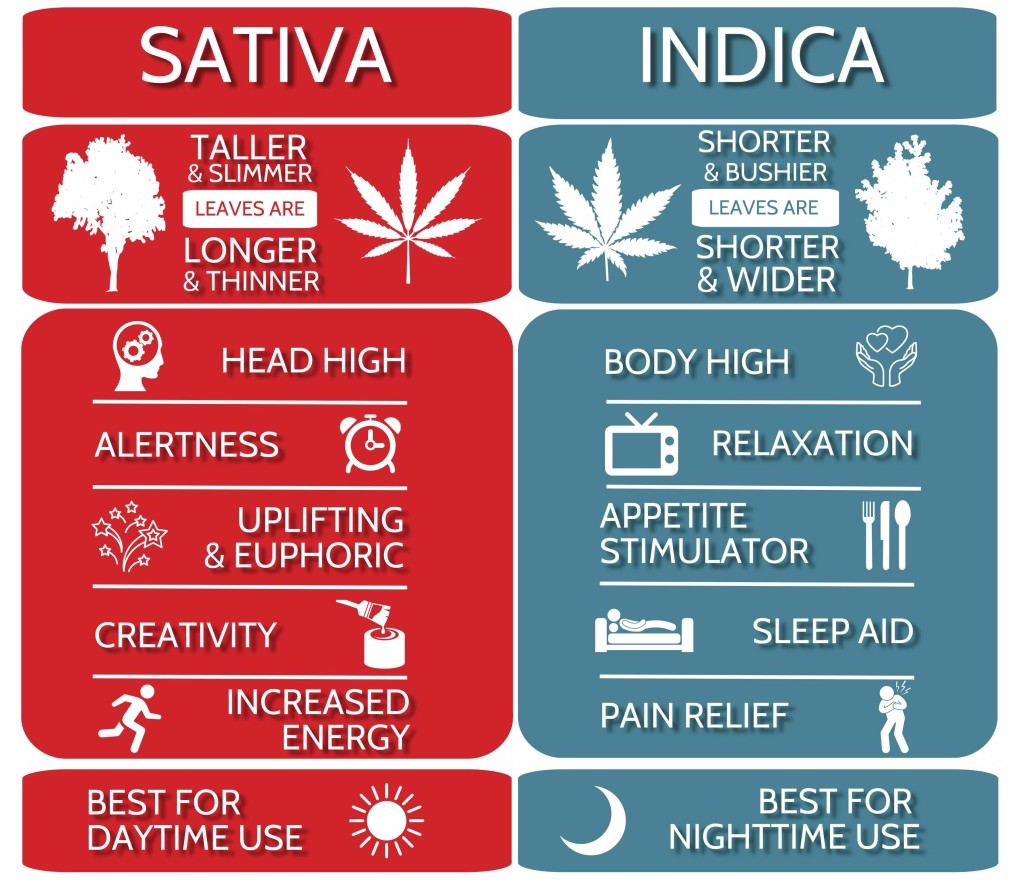
The foundational difference between Sativa and Indica strains lies in their geographical origins and the physical traits that developed as a result of those environments. These adaptations have historically informed their perceived effects, even if modern breeding has blurred some lines.
Sativa: The Equatorial Explorer
- Geographical Roots: Cannabis Sativa L. is believed to have originated in equatorial regions, such as Southeast Asia, Colombia, Mexico, and Thailand. These climates, characterized by long daylight hours and warm temperatures, influenced the plant’s growth patterns.
- Physical Morphology: Sativa plants are typically tall and slender, with narrow, finger-like leaves. They can grow quite high, often reaching heights of 10-20 feet or more, and they possess a longer flowering cycle, taking more time to mature their buds. The buds themselves tend to be less dense and more airy than those of Indica strains.
- Growth Habits: Due to their origin in regions with abundant sunlight, Sativa plants are well-suited for outdoor cultivation and generally require a longer growing season. Their lankier structure allows them to maximize sunlight exposure.
Indica: The Mountain Dweller
- Geographical Roots: Cannabis Indica, on the other hand, is thought to have originated in the mountainous regions of Afghanistan, Pakistan, and India, specifically the Hindu Kush mountain range. These harsher, cooler climates with shorter growing seasons led to different evolutionary adaptations.
- Physical Morphology: Indica plants are generally shorter and bushier, with broad, thick leaves. They typically do not exceed 6 feet in height and have a much shorter flowering period, allowing them to produce mature buds before the onset of colder weather. Their buds are known for being dense and compact.
- Growth Habits: The compact nature and rapid flowering cycle of Indica strains make them well-suited for indoor cultivation and cooler climates. Their resilience in challenging environments contributed to their unique characteristics.
Exploring the Chemical Landscape: Terpenes and Cannabinoids
While botanical differences provide a visual and environmental context, the true divergence in effects between Sativa and Indica is increasingly attributed to their chemical composition, primarily the interplay of cannabinoids and terpenes.
Cannabinoids: The Primary Actors
- THC (Delta-9-tetrahydrocannabinol): This is the primary psychoactive compound in cannabis, responsible for the “high.” While both Sativa and Indica strains contain THC, the ratio and concentration can influence the intensity and nature of the psychoactive experience. Historically, Sativas were often associated with higher THC levels, contributing to their reputation for more cerebral effects.
- CBD (Cannabidiol): This is a non-psychoactive cannabinoid known for its potential therapeutic benefits, such as reducing anxiety, pain, and inflammation. Indica strains have historically been more associated with higher CBD content, lending to their reputation for more body-centric effects. However, modern breeding has led to a wide spectrum of THC:CBD ratios in both Sativa and Indica-dominant strains.
- Other Cannabinoids: Beyond THC and CBD, cannabis contains over a hundred other cannabinoids, such as CBN (cannabinol), CBG (cannabigerol), and THCV (tetrahydrocannabivarin). While their individual effects are still being researched, their presence and ratios also contribute to the overall experience of a strain. The interaction between these cannabinoids, known as the “entourage effect,” is believed to be crucial in determining a strain’s impact.
Terpenes: The Aromatic Architects of Effect
Terpenes are aromatic compounds found in many plants, including cannabis, and are responsible for the distinct scents and flavors of different strains. Crucially, research suggests that terpenes play a significant role in modulating the effects of cannabinoids, influencing everything from mood to pain relief.
- Limonene: Found in citrus fruits, limonene is often associated with uplifting and mood-boosting effects. It is commonly found in Sativa strains.
- Myrcene: Known for its earthy, musky aroma, myrcene is a prevalent terpene in Indica strains and is often linked to sedative and relaxing effects. It has also been noted for its potential anti-inflammatory properties.
- Pinene: With a scent reminiscent of pine trees, alpha- and beta-pinene are associated with alertness and memory retention. They can be found in both Sativa and Indica strains.
- Caryophyllene: This terpene has a peppery, spicy aroma and is unique in that it can also interact with the body’s endocannabinoid system directly, potentially offering anti-inflammatory and analgesic benefits. It’s found in a wide range of strains.
- Linalool: Known for its floral, lavender-like scent, linalool is often associated with calming and stress-reducing effects. It’s commonly found in Indica strains but can also be present in Sativas.
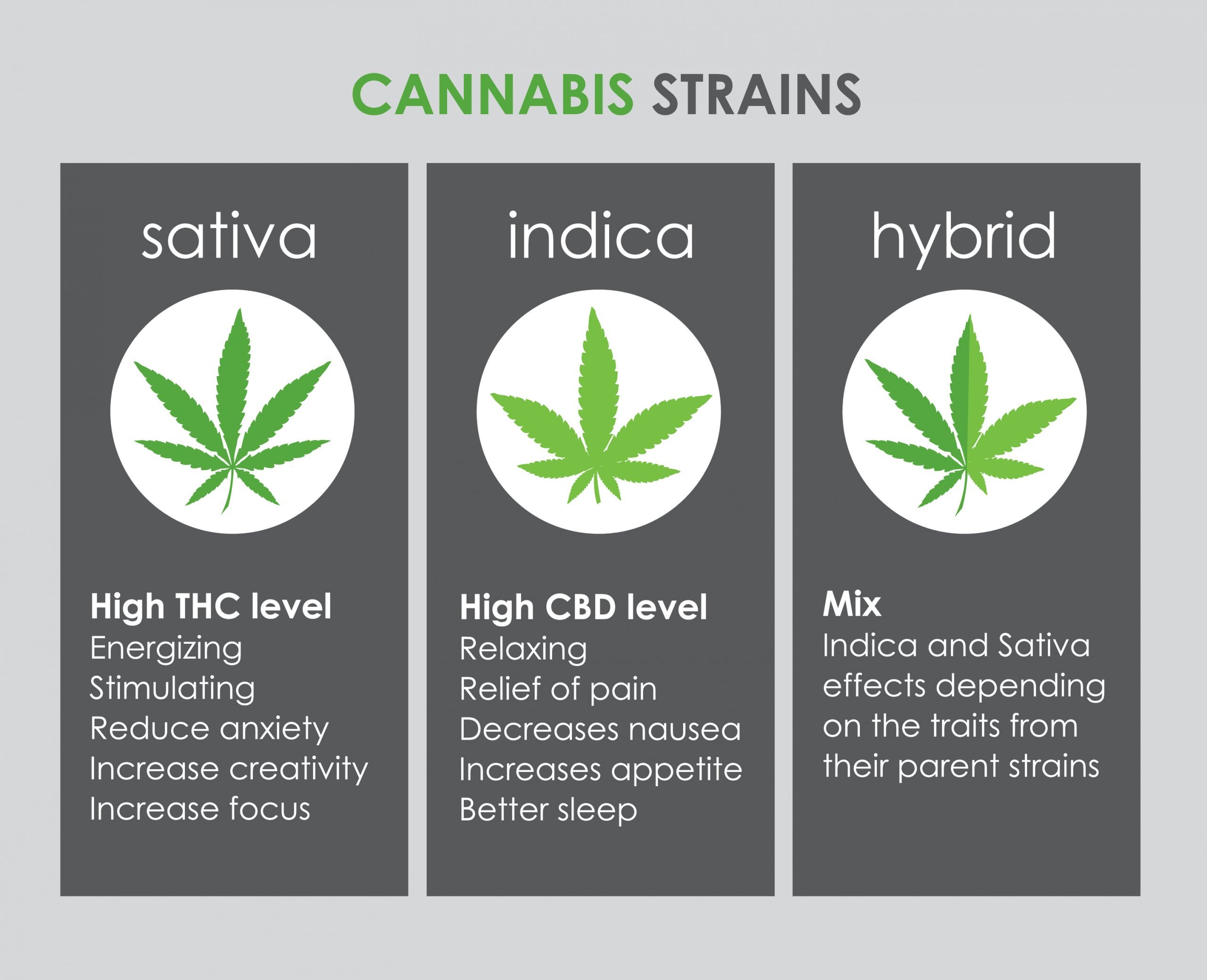
The specific combination and concentration of terpenes, working in synergy with cannabinoids, are increasingly seen as the key to understanding the diverse effects attributed to Sativa and Indica.
The Subjective Experience: “Head High” vs. “Body Stone”
The historical and most widely recognized difference between Sativa and Indica lies in their perceived effects on the consumer. While scientific research is continually refining this understanding, these traditional associations remain influential in consumer choice.
Sativa-Dominated Effects: The Cerebral Lift
- Uplifting and Energizing: Sativa strains are traditionally associated with producing a more uplifting, energetic, and cerebral high. Consumers often report feelings of increased creativity, focus, and motivation.
- Mental Stimulation: The experience is often described as a “head high,” characterized by enhanced sensory perception, chattiness, and a sense of euphoria. This can make Sativas a popular choice for daytime use, social gatherings, or creative endeavors.
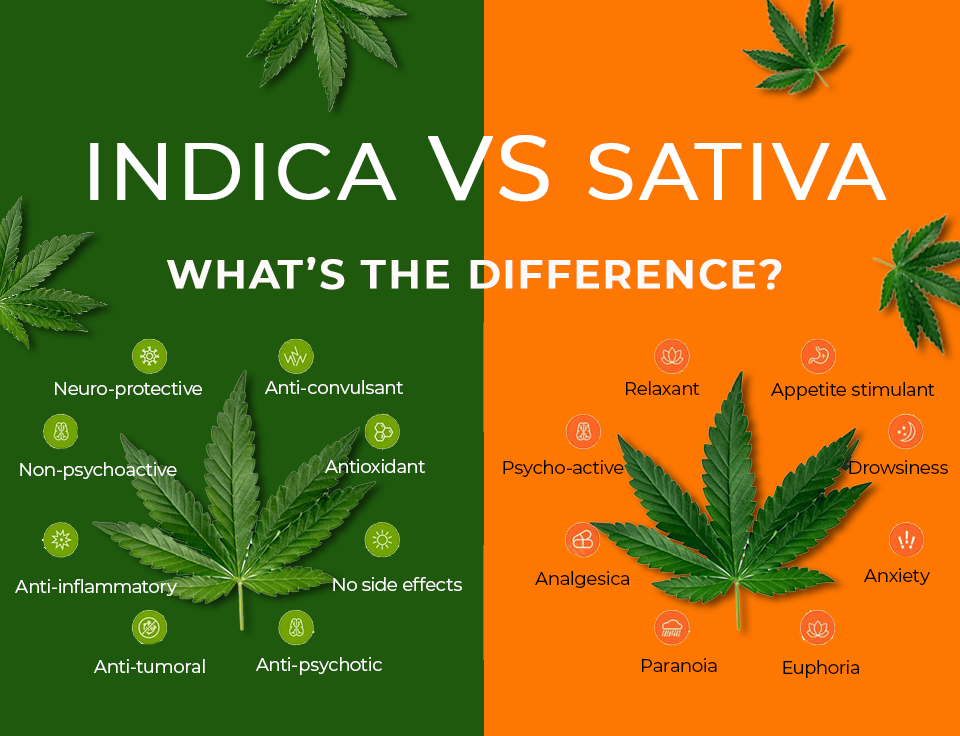
- Potential for Anxiety: For some individuals, particularly those sensitive to THC, the more stimulating effects of Sativas can, paradoxically, lead to increased anxiety or paranoia. This underscores the importance of understanding individual tolerance and strain-specific cannabinoid and terpene profiles.
Indica-Dominated Effects: The Relaxing Embrace
- Relaxing and Sedative: Indica strains are predominantly linked to producing a more relaxing, calming, and physically sedating effect, often referred to as a “body stone.” This can manifest as muscle relaxation, reduced pain, and a sense of profound tranquility.
- Drowsiness and Appetite Stimulation: Due to their deeply relaxing properties, Indicas are often recommended for evening use or for individuals struggling with insomnia or chronic pain. They are also known to stimulate appetite.
- Reduced Mental Activity: While the mental effects are typically less pronounced than with Sativas, they are often described as a sense of clear-headedness or a gentle unwinding of thoughts, rather than a strong cerebral buzz.
The Modern Landscape: Hybrids and the Nuance of Breeding
It’s crucial to acknowledge that the strict Sativa/Indica dichotomy is becoming increasingly blurred due to modern cannabis cultivation and breeding practices. The vast majority of strains available today are hybrids, possessing characteristics of both.
The Rise of Hybrids
- Balancing Effects: Hybrid strains are bred to combine the desirable traits of both Sativa and Indica. This allows cultivators to create a wide spectrum of effects, from mildly uplifting to deeply relaxing, with many offering a balanced experience in between.
- Sativa-Dominant, Indica-Dominant, and Balanced Hybrids: Hybrids are often categorized by their Sativa-to-Indica ratio. A Sativa-dominant hybrid might lean more towards uplifting effects while still offering some of the relaxation associated with Indicas. Conversely, an Indica-dominant hybrid would prioritize relaxation with a touch of Sativa-like mental clarity. Balanced hybrids aim for an equal blend of both.
- Understanding Strain Names: Many strain names, such as “Blue Dream” (often a Sativa-dominant hybrid) or “Granddaddy Purple” (an Indica-dominant hybrid), are historical indicators of their lineage and perceived effects. However, it’s always advisable to look beyond the name and consult with dispensaries or product information for detailed cannabinoid and terpene profiles.
The Importance of the Entourage Effect
The concept of the “entourage effect” highlights that the therapeutic and psychoactive effects of cannabis are not solely due to THC and CBD but rather the synergistic interaction of all the compounds within the plant. This complex interplay between cannabinoids, terpenes, and flavonoids means that two strains with similar THC and CBD percentages can produce vastly different experiences.
- Individualized Responses: Because of the entourage effect and individual endocannabinoid systems, the effects of any given strain can vary from person to person. What might be a relaxing experience for one individual could be mildly energizing for another.
- Beyond the Dichotomy: As our scientific understanding of cannabis evolves, the focus is shifting from a simple Sativa vs. Indica classification to a more detailed analysis of cannabinoid ratios, terpene profiles, and the specific chemotype of each strain. This allows for a more precise and personalized approach to cannabis consumption.
In conclusion, while the Sativa and Indica classification has served as a valuable introductory framework, a deeper understanding of their botanical origins, chemical compositions, and the nuanced interactions of cannabinoids and terpenes provides a far richer picture. The modern landscape of cannabis, dominated by hybrids and an increasing appreciation for the entourage effect, encourages a more informed and personalized approach to choosing strains that best align with individual needs and desired experiences.
aViewFromTheCave is a participant in the Amazon Services LLC Associates Program, an affiliate advertising program designed to provide a means for sites to earn advertising fees by advertising and linking to Amazon.com. Amazon, the Amazon logo, AmazonSupply, and the AmazonSupply logo are trademarks of Amazon.com, Inc. or its affiliates. As an Amazon Associate we earn affiliate commissions from qualifying purchases.