
Prescribed burns, also known as controlled burns or prescribed fire, are a crucial land management tool that utilizes controlled application of fire to achieve specific land management objectives. These objectives are diverse and can include improving ecosystem health, reducing wildfire risk, enhancing habitat for wildlife, and even managing certain invasive plant species. Far from being a haphazard act of ignition, prescribed burning is a meticulously planned and executed process that leverages the natural role of fire in many ecosystems. Understanding the science, planning, and execution behind these burns is essential to appreciating their significant ecological and economic benefits.
The Ecological Imperative: Restoring Natural Fire Regimes
Many ecosystems, particularly in North America, have evolved over millennia with fire as a regular and vital component of their life cycles. Historically, natural ignitions, such as lightning strikes, would initiate fires that cleared out accumulated dead vegetation, recycled nutrients, and promoted the regeneration of fire-adapted species.
Mimicking Natural Processes for Ecosystem Health
Over a century of aggressive fire suppression policies has disrupted these natural fire regimes. The absence of frequent, low-intensity fires has led to an unnatural buildup of fuel – dry leaves, needles, fallen branches, and dense undergrowth. This excess fuel creates a dangerous environment where wildfires, when they do occur, are far more intense, destructive, and difficult to control.
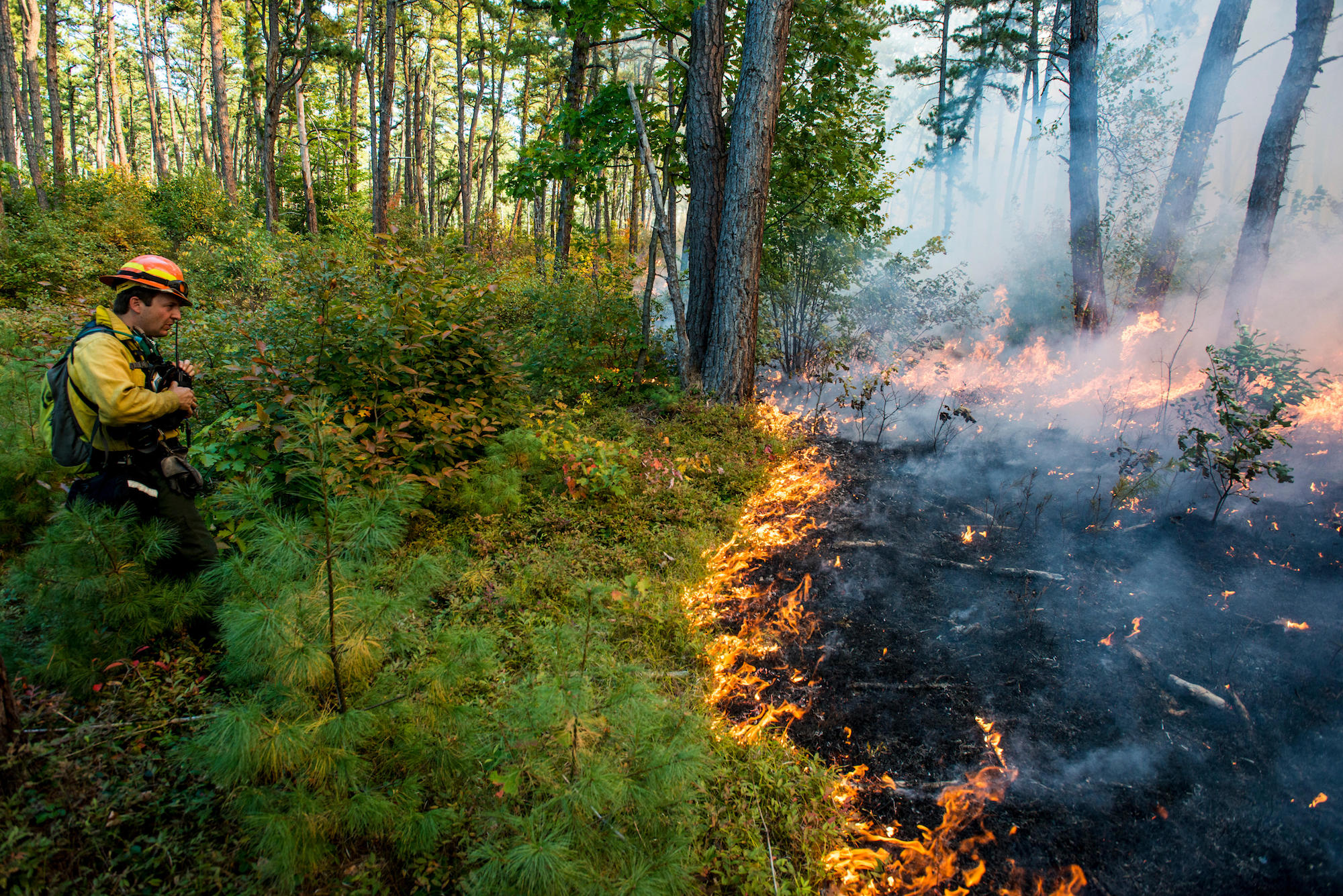
Prescribed burns aim to reintroduce fire in a controlled manner, mimicking the historical frequency and intensity of natural fires. By carefully removing this excess fuel, prescribed burns can:
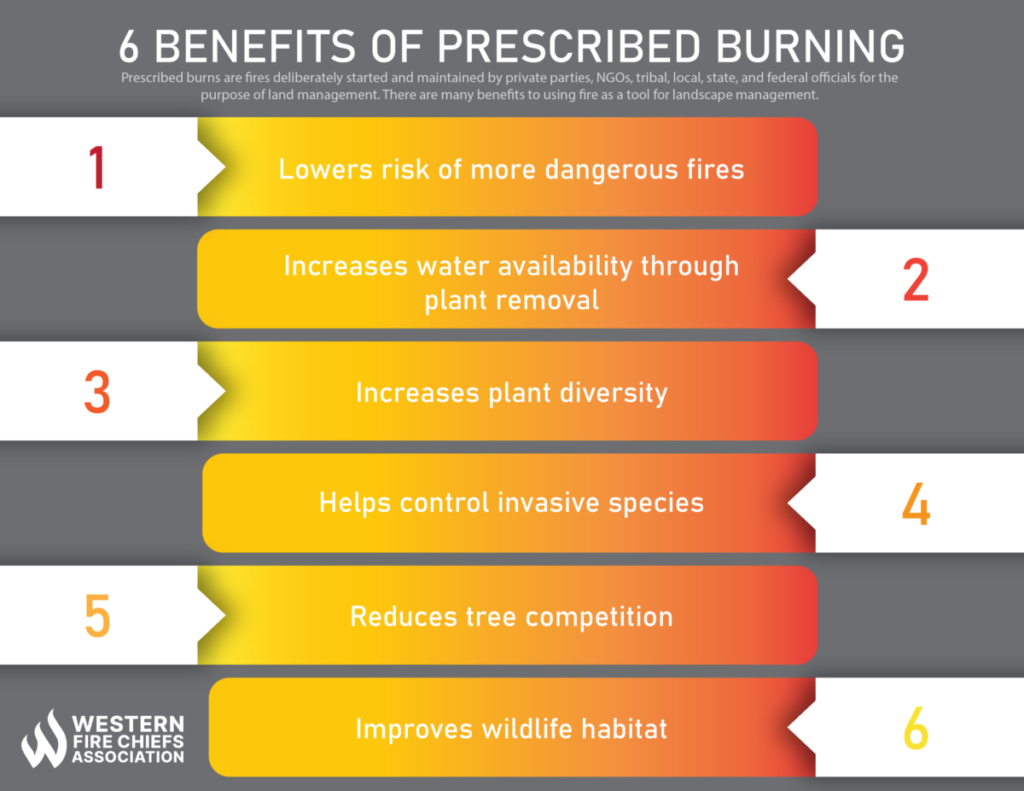
- Reduce the risk of catastrophic wildfires: By thinning out the understory and removing dead material, the intensity and spread of future wildfires are significantly lessened, making them easier to manage and less damaging to surrounding communities and infrastructure.
- Promote biodiversity: Many plant species rely on fire for germination or seed release. For example, certain pines require heat to open their cones, and some wildflowers thrive in the open, nutrient-rich conditions that follow a burn. Prescribed burns can create a mosaic of habitats that support a wider array of plant and animal life.
- Control invasive species: Some invasive plants are outcompeted by native species that are adapted to fire. Prescribed burns can create conditions favorable for native regeneration, while suppressing or removing invasive populations.
- Improve forest health: By clearing out dense undergrowth and competing vegetation, prescribed burns allow more sunlight to reach the forest floor, promoting the growth of healthy trees. They can also help to reduce the incidence of certain tree diseases and insect infestations that are exacerbated by overcrowding and stress.
- Manage agricultural and rangelands: In some agricultural and rangeland settings, prescribed burns can be used to clear old growth, control pests, and stimulate the growth of nutritious forage for livestock.
Understanding Fire Ecology
The success of a prescribed burn hinges on a deep understanding of fire ecology – the study of how fire interacts with the environment. This involves knowing:
- Fuel types and loads: The type, amount, and condition of combustible material present. Different fuels burn at different rates and intensities.
- Weather conditions: Wind speed and direction, temperature, and humidity are critical factors that influence fire behavior.
- Topography: The slope of the land can affect how quickly fire spreads.
- Fire behavior: Predicting how a fire will spread and behave under specific conditions is paramount to safe execution. This involves understanding concepts like fire intensity, flame length, and rate of spread.
The Science of Planning: Precision and Preparedness
Prescribed burning is not an impromptu event; it is a highly scientific and methodical process that begins long before any ignition occurs. The planning phase is arguably the most critical component, ensuring the burn achieves its objectives safely and effectively.
Developing a Prescribed Fire Plan
A comprehensive prescribed fire plan is developed by qualified fire management professionals. This document is the blueprint for the burn and typically includes:
- Objectives: Clearly defined goals for the burn, such as reducing fuel loads by a certain percentage, increasing habitat for a specific species, or controlling a particular invasive plant.
- Resource assessment: Identifying the necessary personnel, equipment, and water sources required for the operation. This includes defining roles and responsibilities for the burn crew.
- Area description: Detailed information about the burn unit, including vegetation types, topography, soil types, and any sensitive resources such as archeological sites, threatened and endangered species habitats, or private property boundaries.
- Ignition pattern: The strategy for igniting the fire to achieve the desired fire behavior. This might involve a backing fire (burning into the wind), a heading fire (burning with the wind), or a flanking fire (burning perpendicular to the wind).
- Holding and contingency plans: Strategies for controlling the fire within the designated boundaries and detailed plans for managing any unintended fire spread, including escape routes and communication protocols.
- Monitoring and evaluation: Procedures for assessing the effectiveness of the burn in meeting its objectives and documenting the results.
- Permitting and notification: Obtaining all necessary permits from relevant authorities and notifying adjacent landowners and the public about the planned burn.
Weather Windows and Prescription Parameters
The success of a prescribed burn is heavily reliant on favorable weather conditions. Fire managers operate within specific “prescription parameters” – a range of acceptable weather conditions under which a burn can be safely and effectively conducted. These parameters are meticulously defined in the plan and are non-negotiable.
Key weather elements that are closely monitored include:
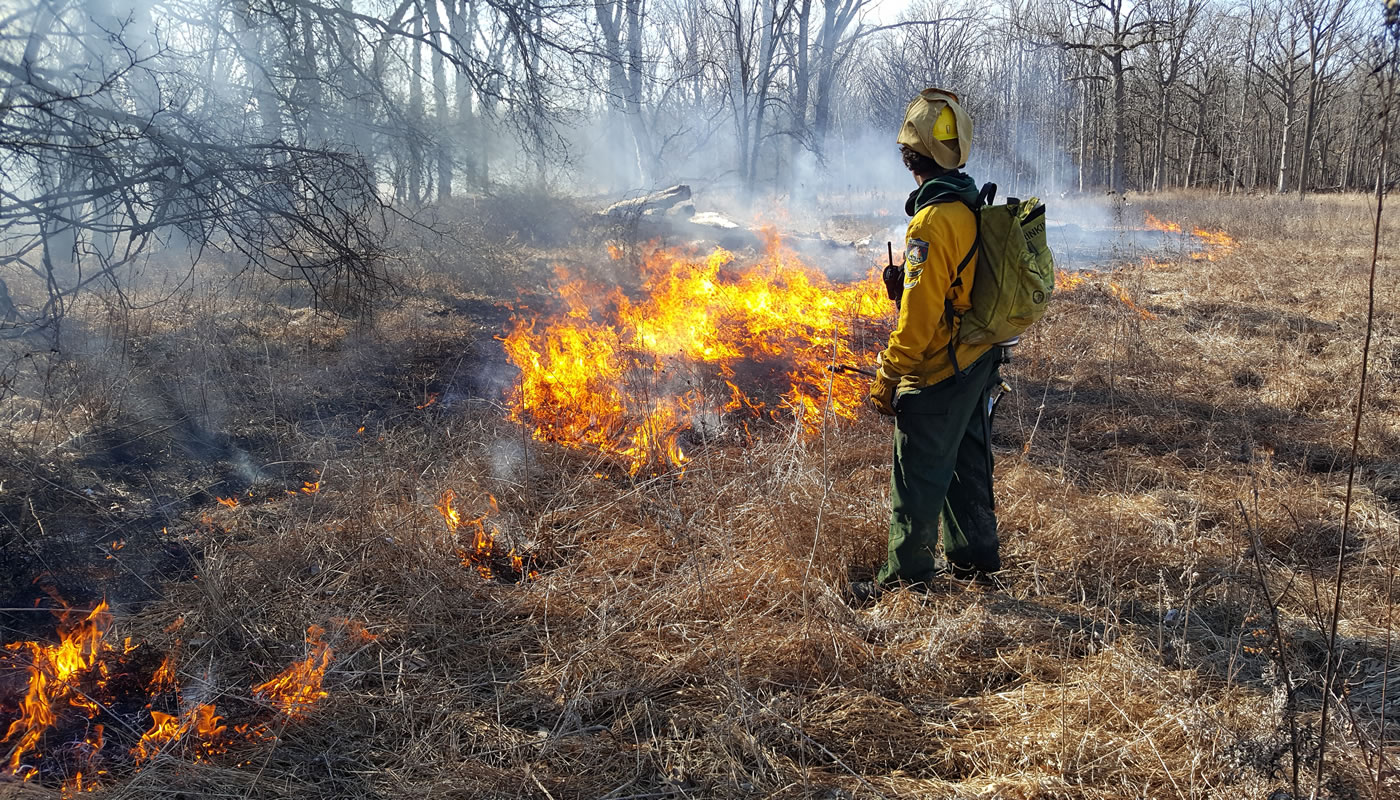
- Wind: Wind speed and direction are primary drivers of fire spread. Prescribed burns are often conducted when winds are light and consistent, allowing for predictable fire behavior.
- Humidity: Low relative humidity can dry out fuels, making them more receptive to ignition and increasing fire intensity. Conversely, very high humidity can make ignition difficult.
- Temperature: Higher temperatures generally lead to drier fuels and more vigorous fire behavior.
- Drought indices: These are used to assess the long-term dryness of fuels, providing an indication of overall fire risk.
A “weather window” refers to a period when all prescribed parameters are met. Fire managers constantly monitor weather forecasts, and a burn might be postponed or canceled if conditions deviate from the plan, even at the last minute. This adherence to prescribed parameters underscores the professional and scientific nature of this practice.
Executing the Burn: Precision, Control, and Safety
The execution of a prescribed burn is a highly coordinated effort that demands precision, constant vigilance, and a strong commitment to safety. The burn crew, comprised of trained professionals, works systematically to ignite, manage, and mop up the fire.
Ignition and Fireline Control
Once the conditions are optimal and the plan is in place, the ignition phase begins. The ignition pattern is crucial for controlling fire behavior. For example, a backing fire, where ignition moves slowly into the wind, creates a low-intensity fire that consumes fuels gradually. A heading fire, igniting with the wind, will spread more rapidly and intensely.
The “fireline” is the boundary of the burn unit, and maintaining control along this line is paramount. This is achieved through a combination of:
- Natural barriers: Rivers, roads, or existing firebreaks can serve as natural boundaries.
- Mechanical firebreaks: These are areas where vegetation has been removed down to mineral soil, creating a barrier that fire cannot cross.
- Water and hand tools: The crew uses hoses, pumps, and hand tools to extinguish any embers or flames that threaten to escape the control line.
- Aerial ignition: In some cases, specialized devices dropped from aircraft can be used to ignite large areas quickly and efficiently, particularly in remote or inaccessible locations.
Mop-Up and Monitoring
After the main fire has been contained within the burn unit, the critical phase of “mop-up” begins. This involves systematically checking the perimeter and interior of the burn unit for any smoldering material that could reignite or escape. Hot spots are extinguished, and embers are cooled. This process can take several days, depending on the size and intensity of the burn.
Ongoing monitoring is also essential. Post-burn assessments evaluate the effectiveness of the burn in achieving its objectives, document any ecological impacts, and identify any unforeseen consequences. This data collection contributes to the refinement of future burn plans and the overall advancement of fire management science.
Benefits and Challenges: A Balancing Act
Prescribed burns offer a multitude of benefits, but their implementation is not without its challenges. Understanding both sides of this equation is key to appreciating the role of controlled fire in modern land management.
Tangible Outcomes for Ecosystems and Communities
The positive outcomes of well-executed prescribed burns are far-reaching:
- Reduced wildfire severity: As previously mentioned, this is a primary benefit, leading to less destruction of homes, infrastructure, and natural resources.
- Improved air quality (long-term): While prescribed burns do produce smoke, the emissions from a controlled burn are generally less intense and shorter-lived than those from a large, uncontrolled wildfire. Over time, by preventing larger wildfires, prescribed burns contribute to better overall air quality.
- Enhanced water resources: Reduced wildfire intensity can protect watersheds from erosion and sediment buildup, leading to cleaner and more reliable water supplies.
- Economic advantages: Prescribed burning can be significantly more cost-effective than wildfire suppression. Furthermore, healthy ecosystems supported by prescribed fire can provide valuable resources for timber, recreation, and tourism.
- Cultural significance: For many Indigenous communities, fire has been an integral part of their cultural heritage and land stewardship practices for millennia. Prescribed burns can help to perpetuate these traditional ecological knowledge systems.
Overcoming Obstacles to Implementation
Despite their advantages, several obstacles can hinder the widespread adoption and effective implementation of prescribed burns:
- Public perception and concerns about smoke: Smoke can be a significant nuisance and health concern for nearby communities. Educating the public about the benefits of prescribed burns and employing strategies to minimize smoke impacts (e.g., burning during favorable wind conditions) are crucial.
- Regulatory hurdles and permitting processes: Obtaining the necessary permits and navigating complex regulatory frameworks can be time-consuming and challenging.
- Availability of trained personnel and resources: Prescribed burning requires skilled professionals and adequate equipment. In some regions, there may be a shortage of trained personnel or a lack of funding for burn programs.
- Unpredictable weather: The reliance on specific weather conditions means that many planned burns are postponed or canceled due to unfavorable forecasts. This can lead to delays in achieving land management objectives.
- Liability concerns: Landowners and land managers may face liability issues if a prescribed burn escapes control. Robust planning, execution, and insurance are essential to mitigate these risks.
In conclusion, prescribed burns are a sophisticated and indispensable tool for managing landscapes, promoting ecological health, and reducing the devastating impacts of uncontrolled wildfires. By understanding the ecological rationale, the meticulous planning involved, and the precise execution required, we can better appreciate the vital role these controlled fires play in safeguarding our natural resources and communities for the future.
aViewFromTheCave is a participant in the Amazon Services LLC Associates Program, an affiliate advertising program designed to provide a means for sites to earn advertising fees by advertising and linking to Amazon.com. Amazon, the Amazon logo, AmazonSupply, and the AmazonSupply logo are trademarks of Amazon.com, Inc. or its affiliates. As an Amazon Associate we earn affiliate commissions from qualifying purchases.