
The allure of a deeply penetrating heat, a sweat-inducing session that promises relaxation and potential health benefits, has propelled infrared saunas into the mainstream wellness conversation. Unlike traditional saunas that heat the air around you, infrared saunas utilize specific wavelengths of light to directly warm the body. This fundamental difference leads to a distinct sauna experience, often described as more comfortable and with a unique set of purported advantages. For the tech-savvy individual, the rise of infrared saunas is not just about wellness; it’s a fascinating intersection of applied physics, innovative design, and the ever-growing digital integration of personal health devices. Understanding what infrared saunas are, how they work, and the technology that underpins them provides a compelling glimpse into the evolving landscape of home-based health and wellness solutions.
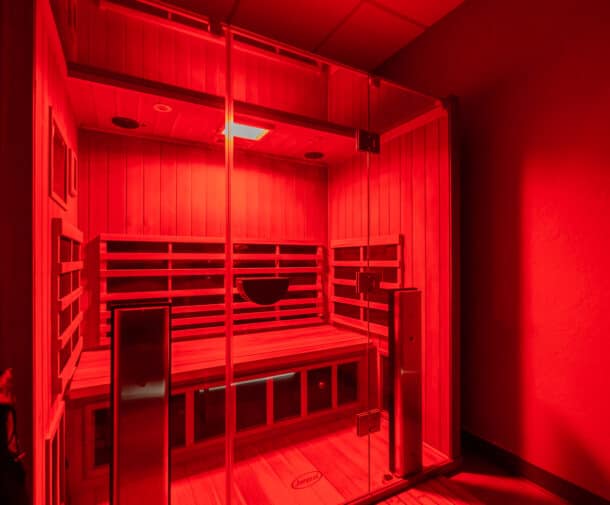
The Science of Radiant Heat: How Infrared Saunas Work
At its core, an infrared sauna operates on a principle that’s both simple and scientifically elegant: the transfer of energy through electromagnetic radiation. Unlike traditional saunas that rely on convection and conduction to heat the air and subsequently your body, infrared saunas employ specialized emitters to produce infrared light. This light, imperceptible to the human eye, penetrates the skin to a certain depth, directly warming the body’s tissues.
Understanding the Infrared Spectrum
The electromagnetic spectrum is a broad range of radiation, and infrared light occupies a specific portion of it. Within this portion, different wavelengths have varying therapeutic effects. Infrared saunas typically utilize wavelengths that fall within three main categories:
- Near-infrared: These wavelengths (approximately 0.7 to 1.4 micrometers) are the shortest and penetrate the superficial layers of the skin. They are often associated with promoting wound healing, reducing inflammation, and improving circulation.
- Mid-infrared: With wavelengths ranging from 1.4 to 3 micrometers, these penetrate slightly deeper than near-infrared. They are believed to aid in muscle relaxation, pain relief, and detoxification.
- Far-infrared: These are the longest wavelengths (3 to 1000 micrometers) and are the most commonly used in commercial and residential infrared saunas. Far-infrared waves are thought to penetrate the deepest into the body’s tissues, promoting significant detoxification through sweating, improving cardiovascular health, and boosting the immune system.
The specific combination and intensity of these wavelengths vary between different sauna models and manufacturers. Advanced infrared sauna designs incorporate emitters that are specifically engineered to optimize the delivery of these therapeutic wavelengths.
The Technological Components of an Infrared Sauna

The “infrared” in infrared sauna points directly to the core technology. The heating elements, often referred to as emitters or panels, are the heart of the system. These are typically made from materials like carbon fiber or ceramic, chosen for their ability to efficiently convert electrical energy into infrared radiation.
- Emitter Technology: The design and placement of these emitters are crucial. Early infrared saunas might have used incandescent bulbs, but modern units predominantly feature low-EMF (electromagnetic field) carbon fiber panels, known for their uniform heat distribution and energy efficiency. Ceramic emitters also exist, often providing a more intense heat but with a narrower emission spectrum. The development of specialized emitter coatings and designs aims to maximize the output of beneficial far-infrared wavelengths while minimizing other electromagnetic frequencies.
- Control Systems: Sophisticated control panels are now standard. These allow users to precisely adjust temperature, session duration, and sometimes even customize the heat output from different zones within the sauna. Many high-end models integrate digital displays, programmable settings, and even Bluetooth connectivity for controlling music or connecting to wellness apps. This integration highlights the increasing “smart” nature of home wellness devices.
- Materials and Construction: The materials used in the sauna’s construction also play a role in its effectiveness and user experience. Hemlock, cedar, and basswood are common choices for the interior, selected for their durability, natural resistance to moisture, and pleasant aroma. The insulation and design of the cabin are engineered to efficiently contain and direct the infrared heat, ensuring an optimal therapeutic environment.
The Digital Integration and Future of Infrared Saunas
The evolution of infrared saunas is inextricably linked to broader technological advancements, particularly in the realms of smart home technology and personal health monitoring. What began as a relatively simple heating device is rapidly becoming an intelligent component of a connected wellness ecosystem.
Smart Sauna Features and Connectivity
The concept of a “smart sauna” is no longer futuristic. Modern infrared saunas are increasingly equipped with features that enhance user experience, provide data, and integrate seamlessly with other smart devices.
- App Control and Customization: Many manufacturers now offer dedicated mobile applications that allow users to control their sauna remotely. This means preheating the sauna before you get home, adjusting temperature and time settings on the fly, and even saving personalized session profiles. These apps can also provide educational content about infrared therapy and sauna usage.
- Health Monitoring Integration: The growing trend of wearable health trackers and smartwatches creates opportunities for deeper integration. Future infrared saunas might be able to communicate with these devices, adjusting session parameters based on real-time biometric data like heart rate, body temperature, or even stress levels. This could lead to highly personalized and adaptive wellness treatments.
- Advanced User Interfaces: Beyond simple buttons, digital touchscreens are becoming more common, offering intuitive navigation and a wealth of information. Some models are even exploring voice control integration, further simplifying operation.
Data, Analytics, and Personalized Wellness
The data generated by smart infrared saunas, combined with data from wearable devices, opens up new avenues for personalized wellness.
- Usage Tracking and Performance Metrics: Apps can track session history, duration, and intensity, allowing users to monitor their progress and adherence to a wellness routine. This data can be invaluable for identifying patterns and understanding individual responses to infrared therapy.
- Biometric Feedback Loops: Imagine a sauna that subtly adjusts its heat output based on your heart rate variability or skin temperature. This closed-loop system, driven by data from your wearable, could optimize the therapeutic benefits of each session, ensuring you achieve the desired physiological response.
- AI-Powered Recommendations: As artificial intelligence advances, it’s conceivable that sauna platforms could offer AI-driven recommendations for session protocols based on your health goals, lifestyle, and historical data. This could range from suggesting specific session lengths for muscle recovery to recommending intensity levels for detoxification.
Innovations in Infrared Emitter Technology
The efficiency, safety, and therapeutic effectiveness of infrared saunas are continually being refined through advancements in emitter technology. This is where the true “tech” of infrared saunas shines, moving beyond basic heating to targeted energy delivery.
Low-EMF and Full-Spectrum Emitters
A significant concern for consumers interested in infrared saunas has been electromagnetic field (EMF) exposure. Technological innovations have led to the development of emitters that significantly minimize EMF output while maximizing beneficial infrared radiation.
- Carbon Fiber Emitters: These are the most prevalent in modern saunas and are highly efficient at producing far-infrared wavelengths. Manufacturers have refined their carbon fiber compositions and designs to ensure extremely low EMF levels, addressing a key health and safety consideration for users.
- Full-Spectrum Emitting Technologies: Some advanced saunas aim to replicate the full spectrum of natural sunlight’s beneficial infrared rays, encompassing near, mid, and far-infrared wavelengths. This is achieved through sophisticated emitter designs that combine different materials or use layered structures. The goal is to harness a broader range of therapeutic benefits that may be associated with different infrared bands.
- Energy Efficiency Improvements: Newer emitter technologies are also more energy-efficient, converting more electrical energy into infrared radiation and less into wasted heat or other forms of energy. This translates to lower operating costs and a more sustainable product.
Wavelength Accuracy and Control
The precise delivery of specific infrared wavelengths is critical for achieving targeted therapeutic outcomes.
- Material Science Advancements: Research into new materials and their thermal properties allows for the creation of emitters that generate very specific and consistent infrared wavelengths. This precision is essential for unlocking the full potential of infrared therapy.
- Advanced Circuitry and Calibration: The electronics that power and control the emitters are becoming increasingly sophisticated. These systems ensure that the emitted wavelengths remain stable and accurate throughout the session, preventing fluctuations that could diminish effectiveness.
- Targeted Emission Profiles: Future developments may see emitters capable of dynamically adjusting their output profile based on user input or sensor readings, allowing for truly customized therapeutic sessions. This could involve fine-tuning the ratio of near, mid, and far-infrared wavelengths for specific wellness goals.
The Technological Advantage: Why Choose an Infrared Sauna?
For the technologically inclined individual, the appeal of infrared saunas extends beyond mere relaxation. It lies in the sophisticated interplay of physics, engineering, and design that delivers a modern approach to personal well-being. The advancements in emitter technology, control systems, and digital integration transform the sauna experience into a personalized, data-driven, and highly effective tool for health and wellness.
Precision and Personalization
Unlike the broad-stroke heat of traditional saunas, infrared technology offers a level of precision and personalization that resonates with a tech-forward mindset.
- Targeted Heat Delivery: The ability of infrared waves to penetrate the body directly, rather than just heating the surrounding air, allows for a more efficient and potentially deeper therapeutic effect. This direct energy transfer appeals to an understanding of physics and its application.
- Customizable Settings: The sophisticated control panels and app integration allow for meticulous customization of session parameters. Users can fine-tune temperature, time, and even the intensity of heat, tailoring the experience to their specific needs and preferences. This level of control is a hallmark of advanced technology.
- Low-EMF Technology: The focus on developing low-EMF emitters speaks to a commitment to user safety and informed choice, aligning with a desire for technology that is both effective and responsible.

Smart Home Integration and Data-Driven Wellness
The seamless integration of infrared saunas into the broader smart home ecosystem is a key differentiator for the tech-savvy consumer.
- Remote Control and Scheduling: The convenience of preheating a sauna via a smartphone app before arriving home, or scheduling sessions, is a testament to the growing interconnectedness of our devices and living spaces.
- Data Collection and Analysis: For those who embrace quantified self principles, the data-gathering capabilities of modern saunas are invaluable. Tracking session duration, temperature, and potentially even physiological responses (when linked with wearables) allows for a data-driven approach to optimizing health and wellness routines.
- Future-Proofing and Innovation: The ongoing development in infrared emitter technology and smart features ensures that infrared saunas are not static products but are continually evolving. This forward-looking aspect, the promise of future enhancements and integrations, is a significant draw for individuals who appreciate innovation.
In essence, infrared saunas represent a sophisticated application of technology to an age-old practice. They offer a blend of scientifically grounded principles, cutting-edge engineering, and user-centric design that appeals to those who seek to leverage technology for enhanced personal well-being. The precision, personalization, and potential for seamless integration into a digital lifestyle make infrared saunas a compelling and technologically advanced choice in the modern wellness landscape.
aViewFromTheCave is a participant in the Amazon Services LLC Associates Program, an affiliate advertising program designed to provide a means for sites to earn advertising fees by advertising and linking to Amazon.com. Amazon, the Amazon logo, AmazonSupply, and the AmazonSupply logo are trademarks of Amazon.com, Inc. or its affiliates. As an Amazon Associate we earn affiliate commissions from qualifying purchases.