
The term “campaign” is ubiquitous, appearing in contexts ranging from political discourse to military strategy, and crucially, within the realm of marketing and business. When we ask “what are campaigns” in the context of building and growing a brand, we are delving into a sophisticated and multifaceted discipline. A campaign, in this arena, is far more than a simple advertisement or a series of disconnected activities. It is a meticulously planned and executed series of coordinated actions designed to achieve a specific, measurable objective within a defined timeframe. These objectives are typically geared towards influencing a target audience’s perception, behavior, or engagement with a brand, product, or service.
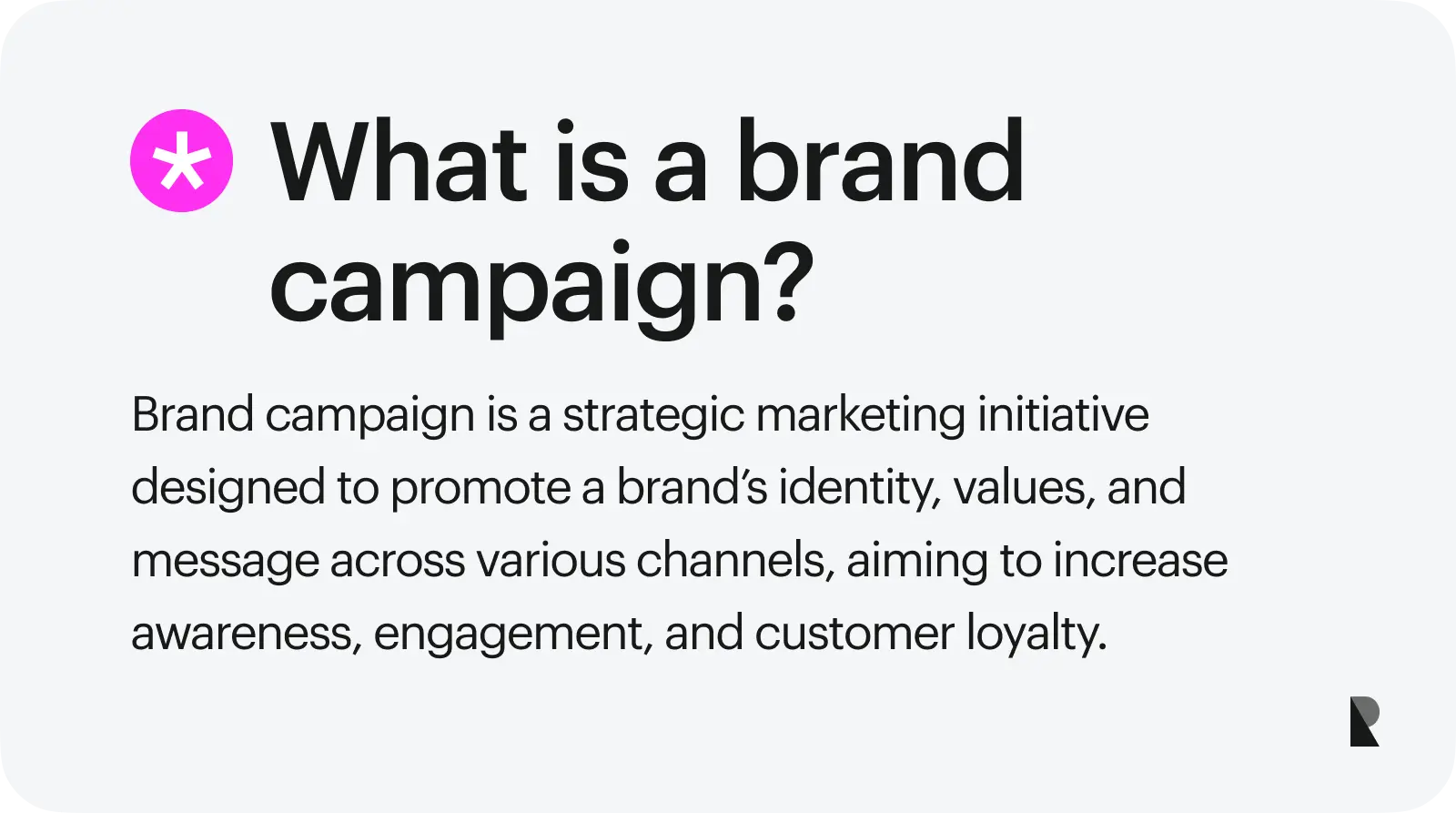
In the modern business landscape, successful campaigns are the engines that drive brand awareness, customer acquisition, sales growth, and ultimately, long-term brand loyalty. They represent a concentrated effort to communicate a particular message, promote an offering, or achieve a strategic goal, leveraging a variety of channels and tactics to maximize impact. Understanding the fundamental nature of campaigns, their strategic underpinnings, and their diverse manifestations is essential for any entity seeking to establish a strong market presence and achieve its business aspirations.
The Strategic Foundation of a Campaign
At its core, a campaign is not an ad hoc endeavor but a deliberate strategic undertaking. Before any creative elements are conceived or media is purchased, a robust strategy must be established. This strategic foundation dictates the entire direction and success of the campaign, ensuring that all efforts are aligned and contribute meaningfully to overarching business goals. It involves a deep understanding of the market, the target audience, and the brand itself.
Defining Objectives and Key Performance Indicators (KPIs)
The first and most critical step in campaign strategy is the clear definition of objectives. What, precisely, does the campaign aim to achieve? These objectives must be SMART: Specific, Measurable, Achievable, Relevant, and Time-bound. Vague goals like “increase brand awareness” are insufficient. Instead, an objective might be “increase brand awareness among young professionals in the tech industry by 15% within the next six months.”
Once objectives are set, they must be translated into quantifiable Key Performance Indicators (KPIs). These are the metrics that will be used to track progress and ultimately determine the campaign’s success. For a brand awareness campaign, KPIs might include website traffic, social media mentions, brand sentiment scores, or search volume for brand-related terms. For a sales-focused campaign, KPIs would be direct sales figures, conversion rates, customer acquisition cost (CAC), and return on ad spend (ROAS). The selection of appropriate KPIs is crucial for objectively evaluating the campaign’s effectiveness and informing future strategies.
Understanding the Target Audience
A campaign’s success hinges on its ability to resonate with the intended audience. Therefore, a deep and nuanced understanding of this target demographic is paramount. This involves more than just basic demographics like age and location. It requires delving into psychographics, understanding their needs, desires, pain points, values, online behavior, media consumption habits, and decision-making processes. Creating detailed buyer personas can be an invaluable tool in this process, allowing marketers to visualize and empathize with the individuals they are trying to reach.
By understanding the target audience intimately, marketers can tailor their messaging, choose the most effective communication channels, and develop creative assets that speak directly to their interests and motivations. A campaign aimed at Gen Z will likely employ different language, visuals, and platforms than one targeting C-suite executives. Failing to properly identify and understand the target audience is a common pitfall that leads to wasted resources and ineffective campaigns.
Crafting the Core Message and Value Proposition
Every successful campaign revolves around a clear, compelling, and consistent message. This message should articulate the unique value proposition of the brand or offering. What problem does it solve? What benefit does it provide? Why should the target audience care? The message needs to be simple enough to be easily understood and remembered, yet impactful enough to drive action.
The value proposition is the promise of value to be delivered. It is the primary reason a customer should choose one brand or product over another. In campaign development, the core message and value proposition are the guiding stars for all creative and strategic decisions. They ensure that every piece of content, every advertisement, and every interaction reinforces the same fundamental idea about the brand and its offering. Consistency in messaging across all touchpoints is vital for building recognition and trust.
The Execution Landscape: Channels and Tactics
Once the strategic blueprint is laid, the focus shifts to the execution – how the campaign’s message will reach and engage the target audience. This involves selecting the most appropriate channels and employing a range of tactics designed to achieve the defined objectives. The digital age has dramatically expanded the campaign execution landscape, offering a diverse array of options.
Digital Channels and Their Applications
The digital realm offers a vast and interconnected ecosystem for campaign execution. Search engine marketing (SEM), encompassing both search engine optimization (SEO) and pay-per-click (PPC) advertising, allows brands to capture demand from individuals actively searching for related products or services. Social media marketing leverages platforms like Facebook, Instagram, Twitter, LinkedIn, and TikTok for targeted advertising, organic content creation, community building, and influencer collaborations.
Content marketing, through blogs, articles, videos, podcasts, and infographics, serves to educate, engage, and build authority, nurturing leads and fostering brand loyalty. Email marketing remains a powerful tool for direct communication, nurturing existing leads, announcing new products, and driving repeat business. Display advertising, including banner ads and programmatic advertising, can be used for broad reach and retargeting, while video advertising on platforms like YouTube offers dynamic and engaging storytelling opportunities. Each digital channel has its own strengths and is best suited for specific campaign objectives and audience segments.
Traditional Media and Integrated Campaigns
While digital channels have gained prominence, traditional media still hold significant value, particularly for reaching broader demographics or reinforcing brand presence. Television advertising can offer unparalleled reach for mass-market brands, while radio advertising can effectively target local audiences. Print advertising in magazines and newspapers can still be effective for niche audiences or industries that rely on these publications. Out-of-home (OOH) advertising, such as billboards and transit ads, provides visibility in physical spaces.
The most impactful campaigns often employ an integrated approach, seamlessly blending digital and traditional channels. This synergy ensures a consistent brand experience across all touchpoints, amplifying the message and increasing its memorability. For example, a TV advertisement might drive viewers to a website or social media profile, where they can engage further with the brand through digital content or interactive experiences. This holistic approach maximizes the campaign’s reach and impact.
Creative Development and Content Strategy
The creative execution of a campaign is what brings the message to life and captures the audience’s attention. This involves developing compelling visuals, persuasive copy, and engaging formats that align with the brand’s identity and the campaign’s objectives. Whether it’s a visually stunning video, a witty social media post, an informative blog article, or an eye-catching print ad, the creative must be impactful and relevant.
A well-defined content strategy underpins the creative development process. This strategy outlines the types of content that will be produced, the platforms on which it will be distributed, and how it will be tailored to each stage of the customer journey. The goal is to create a narrative that guides the audience from initial awareness through consideration and ultimately to conversion and loyalty. This requires a deep understanding of storytelling and the ability to evoke emotion and inspire action.
Measurement, Optimization, and Evolution
A campaign is not a static entity; it is a dynamic process that requires continuous monitoring, analysis, and adaptation. The ability to measure performance, identify what is working and what isn’t, and make necessary adjustments is crucial for maximizing ROI and achieving campaign success.
Tracking Performance and Analyzing Data
The KPIs established at the strategic stage are now put to work. Robust tracking mechanisms are implemented to collect data from all campaign touchpoints. This includes website analytics, social media insights, ad platform performance data, email open and click-through rates, and sales figures. The collected data is then analyzed to understand how the campaign is performing against its objectives.
Data analysis goes beyond simply looking at numbers. It involves identifying trends, patterns, and anomalies. Are certain ads performing better than others? Is a particular audience segment more responsive? Are there specific channels that are driving higher conversion rates? Insights derived from this analysis are critical for making informed decisions about campaign optimization.
The Process of Optimization
Optimization is the ongoing process of refining and improving a campaign based on performance data. This can involve a wide range of adjustments. For digital campaigns, it might mean tweaking ad copy, adjusting targeting parameters, refining bidding strategies, A/B testing different creative assets, or reallocating budget to higher-performing channels. For content marketing, it might involve optimizing blog post titles for SEO or refining the call-to-actions in email newsletters.
The goal of optimization is to improve efficiency, increase engagement, and drive better results. It’s an iterative process of making changes, measuring their impact, and making further adjustments. A campaign that is not optimized is likely leaving money on the table and failing to reach its full potential.
Learning and Adapting for Future Campaigns
Every campaign, whether successful or not, provides valuable learning opportunities. The data gathered and the insights gained from analysis and optimization feed directly into the planning of future campaigns. Understanding what resonated with the audience, which channels were most effective, and what creative approaches yielded the best results allows for more strategic and impactful planning in the future.
Furthermore, the marketing landscape is constantly evolving. Consumer behavior shifts, new technologies emerge, and competitive pressures change. Campaigns must be adaptable, and the lessons learned from past efforts are essential for navigating this dynamic environment. A forward-thinking brand views each campaign not just as a means to achieve immediate goals, but also as a crucial step in a continuous learning and improvement cycle that builds long-term brand strength.
The Role of Campaigns in Brand Building
Beyond immediate objectives like sales or lead generation, campaigns play a profound role in the long-term construction and evolution of a brand. They are the vehicles through which a brand communicates its identity, values, and promises to the world, shaping perceptions and fostering connections with its audience.
Shaping Brand Perception and Identity
Each campaign is an opportunity to reinforce or redefine what a brand stands for. The tone of voice, the visual aesthetic, the stories told, and the values implicitly or explicitly communicated all contribute to the overall brand perception. A consistent and well-executed campaign can solidify a brand’s position in the market and differentiate it from competitors. For example, a campaign focused on sustainability can shape a brand’s identity as environmentally conscious, attracting a specific segment of consumers. Conversely, a poorly executed or inconsistent campaign can inadvertently damage brand perception, creating confusion or mistrust.
Building Customer Relationships and Loyalty
Effective campaigns are not just about transactional interactions; they are about building relationships. By providing value, offering solutions, and engaging in meaningful conversations, campaigns can foster a sense of connection between a brand and its customers. Content marketing campaigns that educate and inform, social media campaigns that encourage interaction, and loyalty programs that reward repeat business all contribute to building strong customer relationships. When customers feel understood, valued, and connected to a brand, they are more likely to become loyal advocates, leading to sustained business growth and positive word-of-mouth marketing.

Driving Innovation and Market Leadership
Campaigns can also be powerful drivers of innovation and market leadership. By boldly introducing new products, challenging industry norms, or pioneering new communication strategies, brands can use campaigns to capture attention and establish themselves as forward-thinkers. A groundbreaking advertising campaign can disrupt the market, forcing competitors to respond and raising the bar for industry standards. Moreover, campaigns that highlight a brand’s commitment to innovation can attract talent, investment, and a customer base that values cutting-edge solutions. In essence, campaigns are not just promotional tools; they are strategic instruments that shape market dynamics and define a brand’s enduring legacy.
aViewFromTheCave is a participant in the Amazon Services LLC Associates Program, an affiliate advertising program designed to provide a means for sites to earn advertising fees by advertising and linking to Amazon.com. Amazon, the Amazon logo, AmazonSupply, and the AmazonSupply logo are trademarks of Amazon.com, Inc. or its affiliates. As an Amazon Associate we earn affiliate commissions from qualifying purchases.