
The question “What’s Tuesday’s weather like?” might seem deceptively simple, a casual inquiry before heading out for the day. However, in today’s technologically advanced landscape, this seemingly mundane query unlocks a fascinating intersection of data science, artificial intelligence, and the tangible impact on our daily lives. Beyond a simple forecast, understanding and utilizing weather information has evolved into a sophisticated technological endeavor, influencing everything from personal scheduling to large-scale industrial operations. This article delves into the technological underpinnings of weather forecasting, how advanced tools are making it more precise and accessible, and how this data is integrated into the very fabric of our digital existence, ultimately empowering us to be more proactive in our planning.

The Technological Engine Behind Weather Prediction
The ability to accurately predict weather is a testament to decades of advancements in scientific understanding and computational power. What was once a realm of educated guesses based on limited observations has transformed into a highly complex, data-driven science. The foundation of modern weather forecasting lies in the intricate interplay of sensor networks, sophisticated atmospheric models, and powerful computing infrastructure.
Gathering the Data: A Global Network of Sensors
The genesis of any weather prediction is the meticulous collection of atmospheric data. This involves a vast and interconnected global network of sensors, each contributing vital pieces to the atmospheric puzzle.
Meteorological Satellites: Our Eyes in the Sky
Satellites orbiting Earth are instrumental in providing a broad, synoptic view of weather patterns. These marvels of engineering are equipped with a suite of instruments that measure various atmospheric parameters. Visible and infrared imagers capture cloud formations, storm systems, and temperature gradients. Sounders provide vertical profiles of atmospheric temperature and humidity, offering insights into the stability of the atmosphere. Specialized instruments can detect atmospheric gases, aerosols, and even precipitation rates. The continuous stream of data from these satellites allows meteorologists to monitor weather systems as they develop and move across continents and oceans, providing crucial early warnings for severe weather events.
Ground-Based Weather Stations: The Granular Detail
Complementing satellite data are thousands of ground-based weather stations strategically located across the globe. These stations provide high-resolution, localized measurements of surface conditions. They measure temperature, humidity, barometric pressure, wind speed and direction, precipitation, and visibility. Automated weather stations are increasingly common, providing real-time updates without human intervention. These stations are vital for understanding microclimates and for verifying satellite and model outputs.
Weather Balloons and Radar: Probing the Atmosphere
Weather balloons, launched twice daily from hundreds of locations worldwide, ascend into the upper atmosphere, transmitting data on temperature, pressure, humidity, and wind speed at different altitudes. This vertical profiling is critical for understanding atmospheric stability, the formation of thunderstorms, and the movement of jet streams. Doppler radar systems, both ground-based and airborne, are essential for detecting precipitation, its intensity, and its movement. Advanced Doppler radar can even detect the rotation within thunderstorms, providing crucial warnings for tornadoes.
Modeling the Atmosphere: From Data to Forecast
Raw data, while essential, is only the first step. The true magic of weather forecasting lies in how this data is processed and used to create predictive models. These models are sophisticated mathematical representations of the Earth’s atmosphere and its complex physical processes.
Numerical Weather Prediction (NWP) Models: The Core of Forecasting
Numerical Weather Prediction (NWP) models are the backbone of modern forecasting. These are complex computer programs that use fundamental laws of physics and fluid dynamics to simulate the future state of the atmosphere. They take the vast amounts of observational data collected by sensors and assimilate it into their initial conditions. The models then solve complex equations representing atmospheric processes such as convection, radiation, and moisture transport. The output of these models is a grid of predicted atmospheric variables for future time steps. Different NWP models, developed by various meteorological agencies and research institutions, employ slightly different approaches and resolutions, leading to a range of forecast outputs.
Ensemble Forecasting: Quantifying Uncertainty
Recognizing that initial conditions are never perfectly known and that models themselves have inherent limitations, meteorologists increasingly rely on ensemble forecasting. This technique involves running the same NWP model multiple times with slightly different initial conditions or running multiple different NWP models. The resulting spread of forecast outcomes provides a measure of the uncertainty associated with the prediction. By analyzing the ensemble, forecasters can determine the probability of different weather scenarios occurring, offering a more nuanced and reliable forecast than a single deterministic prediction. This is particularly important for predicting the timing and intensity of significant weather events.
Supercomputing Power: The Engine Room of Prediction
Running these complex NWP models and processing vast datasets requires immense computational power. Supercomputers are the unsung heroes of modern weather forecasting. These machines are capable of performing trillions of calculations per second, allowing for higher resolution models, more complex physics, and the generation of forecasts in a timely manner. The continuous advancement in supercomputing technology directly translates into improved accuracy and longer lead times for weather predictions.
Integrating Weather Data into Our Digital Lives: Smart Devices and Predictive Planning
The sophisticated technological infrastructure powering weather forecasting is no longer confined to meteorological offices. This data is now seamlessly integrated into our daily digital lives, transforming how we plan and interact with our environment. Smart devices, driven by AI and machine learning, are making weather-informed decision-making more intuitive and proactive.
Smart Assistants and Predictive Notifications
Our ubiquitous smart assistants, whether voice-activated or embedded in our smartphones, are increasingly becoming personal meteorologists. They go beyond simply answering “What’s Tuesday’s weather like?” by proactively offering relevant information and suggestions based on predicted conditions.
Proactive Alerts for Your Schedule
Imagine your smart assistant notifying you on Monday evening that Tuesday is predicted to have heavy rain during your usual commute time, suggesting you leave 15 minutes earlier or consider an alternative route. This level of proactive integration is powered by sophisticated algorithms that correlate weather forecasts with your calendar entries and usual travel patterns. It’s not just about reporting the weather; it’s about anticipating its impact on your day.
Contextual Recommendations
Beyond commute adjustments, smart assistants can leverage weather data for more contextual recommendations. For instance, if a hot and sunny Tuesday is predicted, your assistant might suggest outdoor activities or remind you to stay hydrated. Conversely, a cold and windy Tuesday could trigger suggestions for indoor pursuits or a reminder to wear warmer clothing. These suggestions are driven by AI that learns your preferences and correlates them with prevailing weather conditions.
Smart Home Devices: Adapting to the Elements
The influence of weather extends into our homes, with smart home devices increasingly incorporating weather data into their operations for enhanced comfort, efficiency, and security.
Climate Control Optimization
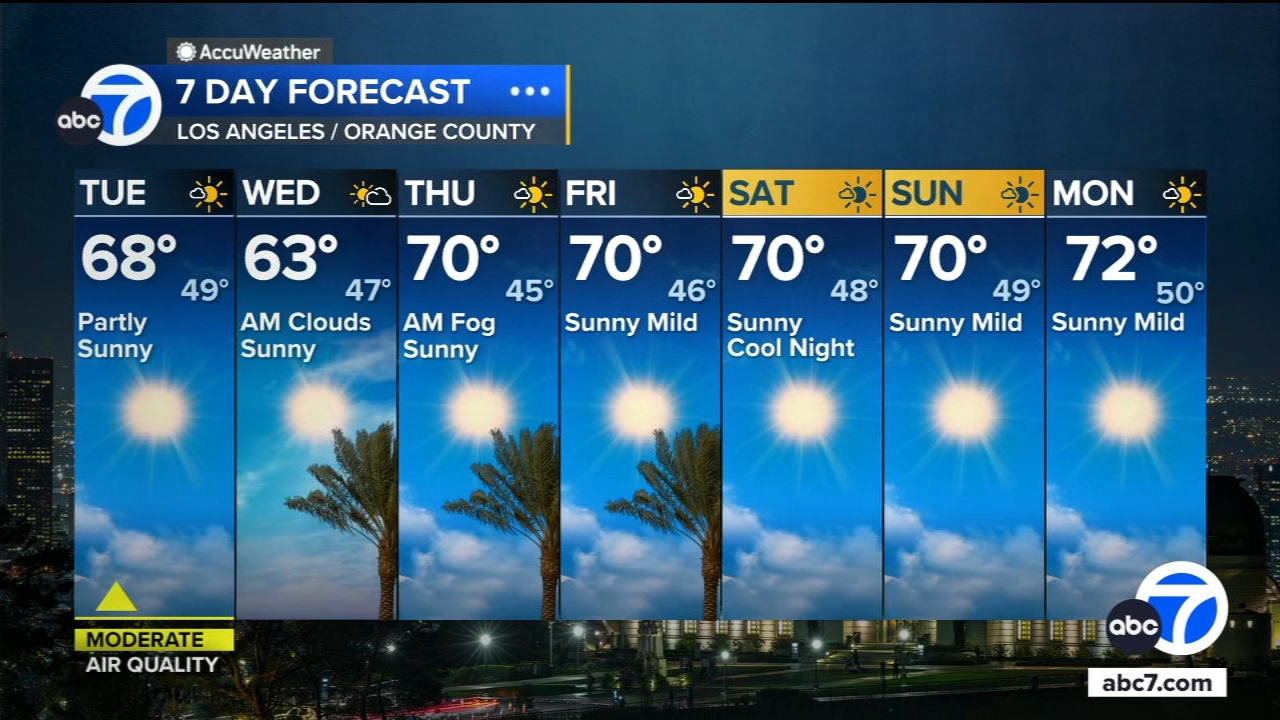
Smart thermostats are a prime example. They can integrate with local weather forecasts to optimize heating and cooling schedules. For a predicted cold Tuesday, the thermostat can pre-heat your home to ensure a comfortable arrival temperature, while for a cooler day, it might reduce heating to save energy. This predictive climate control minimizes energy waste and maximizes occupant comfort.
Outdoor Smart Devices: Security and Maintenance
Smart outdoor cameras and sprinkler systems also benefit from weather integration. A smart sprinkler system can automatically pause watering if rain is forecasted for Tuesday, conserving water. Outdoor security cameras can adjust their sensitivity or alert protocols based on predicted weather conditions, such as high winds or heavy precipitation, to better distinguish between genuine threats and environmental factors.
Wearable Technology: Personalized Environmental Awareness
Wearable devices, from smartwatches to fitness trackers, are becoming increasingly sophisticated in their ability to monitor our personal environment and integrate weather information.
Health and Activity Recommendations
Many wearables now include environmental sensors that can detect UV levels or air quality. When combined with weather forecasts, these devices can offer personalized health and activity recommendations. For a Tuesday with high UV index, your smartwatch might advise you to wear sunscreen and limit outdoor exposure during peak hours. For those with respiratory sensitivities, air quality alerts linked to weather patterns can be invaluable.
Activity Planning and Performance
For athletes and outdoor enthusiasts, weather data integrated with wearable technology can be crucial for planning and performance. A runner might receive a notification on their smartwatch about optimal running conditions for Tuesday, or a cyclist might be alerted to strong headwinds along their planned route. This allows for informed decisions about training intensity, gear choices, and even route modifications.
The Future of Weather Technology: Enhanced Accuracy, Accessibility, and Predictive Power
The trajectory of weather technology is one of continuous innovation, promising even greater accuracy, broader accessibility, and more profound predictive capabilities. The ongoing advancements in artificial intelligence and machine learning, coupled with the ever-increasing volume and sophistication of data collection, are paving the way for a future where weather is not just observed, but proactively managed.
AI and Machine Learning in Forecasting: Beyond Traditional Models
While NWP models remain crucial, the application of AI and machine learning is revolutionizing weather forecasting by uncovering complex patterns and improving predictive accuracy.
Deep Learning for Pattern Recognition
Deep learning algorithms, particularly convolutional neural networks (CNNs), are proving highly effective at analyzing satellite imagery and radar data. These networks can identify subtle weather phenomena and predict their evolution with remarkable accuracy, often outperforming traditional methods in specific forecasting tasks, such as nowcasting (very short-term forecasting).
Bias Correction and Model Improvement
Machine learning is also being used to correct biases in NWP models and to identify areas where models might be underperforming. By analyzing historical forecast errors, AI can learn to adjust model outputs, leading to more reliable predictions. Furthermore, AI can help in selecting the most appropriate NWP models for specific situations or regions.
Citizen Science and Crowdsourced Data: Expanding the Network
The democratization of data collection is a growing trend, with citizen science initiatives and crowdsourced weather data playing an increasingly important role.
Crowdsourced Weather Observations
Apps that allow individuals to report local weather conditions are generating valuable, hyper-local data that can supplement traditional networks. While these observations might not be as scientifically rigorous as those from official stations, their sheer volume and geographical spread can provide valuable insights, particularly in underserved areas.
The Internet of Things (IoT) and Ubiquitous Sensing
The proliferation of IoT devices, from smart appliances to connected vehicles, is creating a vast, distributed network of potential weather sensors. As these devices become more common, they could contribute to an unprecedented level of atmospheric sensing, providing granular data on everything from local temperature and humidity to wind gusts.
Enhanced Predictive Analytics for Sector-Specific Applications
The refined accuracy and accessibility of weather data are leading to increasingly sophisticated predictive analytics tailored for specific industries, moving beyond general forecasts to highly specialized applications.
Agriculture and Precision Farming
Weather is a critical factor in agriculture. Advanced weather analytics can help farmers optimize planting and harvesting schedules, predict crop yields, and manage irrigation more efficiently. Forecasts for temperature, precipitation, and frost are essential for mitigating risks and maximizing productivity.
Energy Sector and Renewable Energy Management
The energy sector, particularly renewable energy sources like solar and wind, is highly dependent on weather conditions. Accurate forecasts enable better prediction of power generation from these sources, allowing grid operators to balance supply and demand more effectively and reduce reliance on fossil fuels.
Transportation and Logistics
Weather significantly impacts transportation networks. Predictive analytics can help optimize shipping routes, anticipate delays due to storms or fog, and improve safety protocols for air, sea, and land travel. This leads to more efficient supply chains and reduced operational costs.
In conclusion, the simple question “What’s Tuesday’s weather like?” has become a gateway to understanding the profound impact of technology on our ability to anticipate and adapt to our environment. From the intricate global sensor networks and powerful supercomputers that power numerical weather prediction, to the smart devices that seamlessly integrate this data into our daily routines, technology is empowering us with unprecedented levels of insight and control. As AI and machine learning continue to advance, and as data collection becomes even more ubiquitous, our ability to proactively plan for any given Tuesday, or indeed any day, will only continue to grow.
aViewFromTheCave is a participant in the Amazon Services LLC Associates Program, an affiliate advertising program designed to provide a means for sites to earn advertising fees by advertising and linking to Amazon.com. Amazon, the Amazon logo, AmazonSupply, and the AmazonSupply logo are trademarks of Amazon.com, Inc. or its affiliates. As an Amazon Associate we earn affiliate commissions from qualifying purchases.