
The term “patriarchy” is frequently used in contemporary discourse, yet its precise meaning and implications can often feel elusive or abstract. While often invoked in discussions of social justice, feminism, and power dynamics, a clear understanding of its structural underpinnings and manifestations is crucial for productive dialogue and meaningful change. This article aims to demystify the concept of patriarchy, exploring its historical roots, its pervasive influence on societal structures, and its tangible impact on individuals, particularly within the context of Brand development and its connection to societal perceptions and power.
The Historical and Societal Roots of Patriarchy
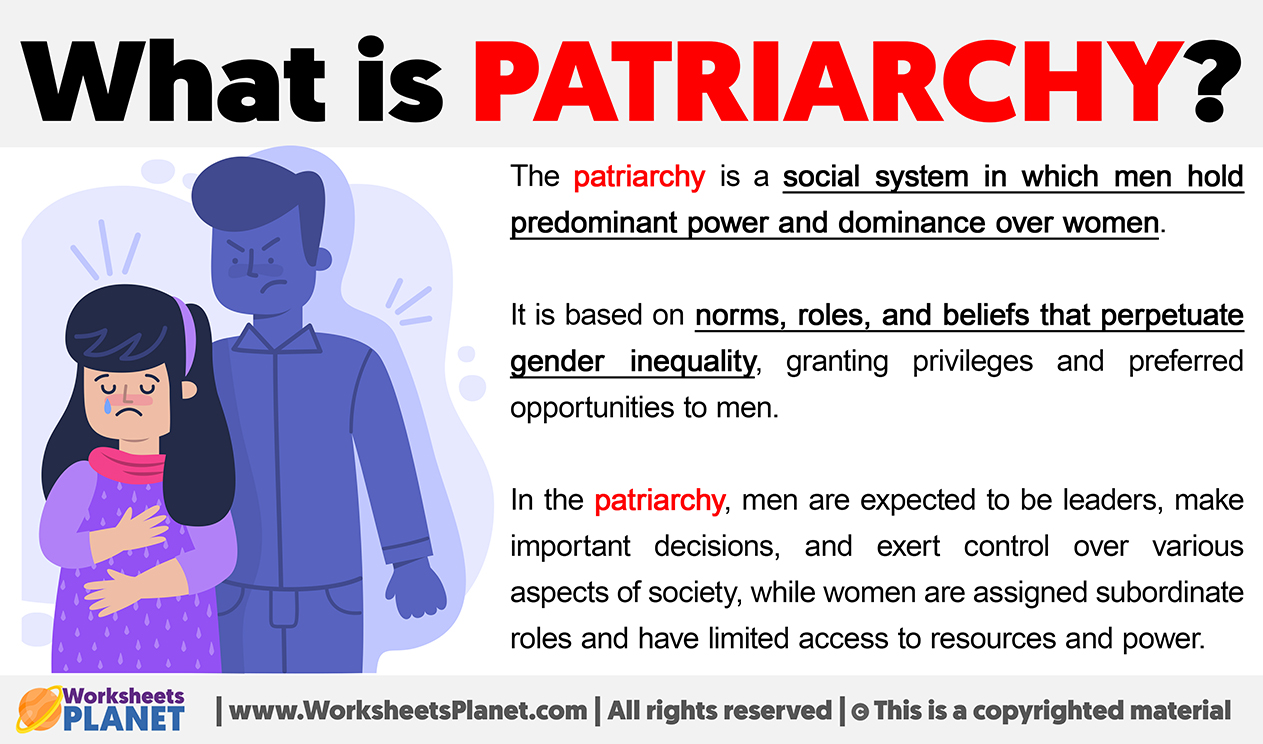
To understand what patriarchy is, we must first acknowledge its deep historical and societal roots. Patriarchy, at its core, refers to a social system in which men hold primary power and predominate in roles of political leadership, moral authority, social privilege, and control of property. While the term itself is relatively modern, the structures it describes have existed for millennia across diverse cultures and civilizations.
Evolution of Patriarchal Structures
The emergence of patriarchy is often linked to the development of settled agriculture, the rise of organized states, and the subsequent establishment of hereditary property ownership. In these emerging societal frameworks, control over resources, land, and lineage became paramount. As societies evolved, these systems tended to solidify patriarchal norms where lineage was traced through the male line, and men were primarily responsible for governance, warfare, and the management of public life. This historical trajectory has, over centuries, normalized male dominance and shaped expectations about gender roles and capabilities.
Socialization and Gendered Norms
Crucially, patriarchy is not merely a system of overt male rule but is deeply embedded in the socialization process. From birth, individuals are often exposed to and internalize gendered norms that dictate how they should behave, what aspirations they should hold, and what societal roles are considered appropriate based on their sex. These norms are reinforced through family, education, media, and cultural institutions, creating a pervasive framework that often privileges masculinity and devalues femininity. These ingrained beliefs and expectations significantly influence how brands are perceived and how individuals within the business world, including those in marketing and branding, operate.
Patriarchy’s Influence on Brand Perception and Marketing
The pervasive influence of patriarchy extends directly into the realm of brands, shaping their identities, marketing strategies, and ultimately, consumer perception. Understanding these dynamics is vital for any organization aiming to build a relevant, inclusive, and impactful brand in today’s world.
Stereotypical Brand Narratives
Historically, many brands have, consciously or unconsciously, perpetuated patriarchal stereotypes in their marketing. This can manifest in various ways:
- Product Placement and Representation: Think about the traditional advertising of cleaning products, cars, or financial services. For decades, these were often presented with women as the primary users of domestic goods and men as the decision-makers and primary operators of more “powerful” or “technical” products. This created a feedback loop, reinforcing societal assumptions about gendered interests and capabilities.
- Advertising Tropes: The use of female models often focused on their physical appearance, their role as caregivers, or their desirability to men, rather than their agency, intellect, or professional achievements. Conversely, male figures were frequently depicted as authoritative, competent, and aspirational. These tropes, while evolving, have historically painted a picture of the world and its products through a patriarchal lens.
- Brand Archetypes: Many established brand archetypes have leaned into traditionally masculine-coded characteristics like the Hero, the Ruler, or the Warrior, often overlooking or underrepresenting the power of traditionally feminine-coded archetypes like the Lover, the Caregiver, or the Innocent, or presenting them in a subservient or limited fashion.
The Impact on Consumer Trust and Loyalty
When brands fail to acknowledge or actively challenge patriarchal norms, they risk alienating significant portions of their audience. Consumers are increasingly discerning and expect brands to reflect contemporary values of equality and inclusivity.
- Alienation of Female Consumers: For a long time, brands that exclusively targeted men or perpetuated stereotypes about women found success within a system that allowed for it. However, as women’s economic power and social influence have grown, brands that do not resonate with their experiences and aspirations are missing out on a vast market. This includes being perceived as outdated, irrelevant, or even offensive.
- Erosion of Authenticity: In an era where authenticity is highly valued, brands that present a façade that doesn’t align with the lived realities of their consumers, particularly regarding gender equality, will struggle to build genuine trust and loyalty. A brand that appears to be stuck in a patriarchal mindset will likely be seen as inauthentic by a broad segment of the population.
- Perception of Innovation and Progress: Brands that actively embrace inclusivity and challenge traditional gender roles are often perceived as more modern, innovative, and forward-thinking. This perception can translate into stronger brand equity and a competitive advantage.

Challenging Patriarchy in Branding and Marketing Strategies
Recognizing the existence and impact of patriarchy is the first step. The next, and arguably more critical, is actively challenging it within brand strategy and marketing efforts. This requires a conscious and sustained effort to dismantle ingrained biases and build brands that are truly representative and equitable.
Reimagining Brand Narratives and Visual Language
This involves a fundamental shift in how brands tell their stories and represent themselves visually.
- Diverse Storytelling: Moving beyond stereotypical narratives requires creating stories that showcase a broader spectrum of human experiences. This means featuring diverse protagonists, exploring multifaceted relationships, and highlighting achievements across all genders, ethnicities, and backgrounds. Brands should move away from portraying women solely in domestic roles or as objects of desire, and men solely as stoic providers or aggressive competitors.
- Inclusive Visual Representation: The visual language of advertising and branding must evolve. This means featuring diverse individuals in all roles, showing them as empowered, capable, and multi-dimensional. It involves showcasing authentic representation rather than tokenism. This includes considering the gender and representation of the creative teams themselves, as their perspectives will inevitably shape the brand’s output.
- Empowering Archetypes: Brands can consciously leverage and even redefine archetypes to promote more equitable representations. For instance, a brand might present a traditionally “masculine” archetype with traits like empathy and collaboration, or a “feminine” archetype with traits of leadership and ambition, thereby challenging rigid gender associations.
Cultivating Inclusive Brand Cultures and Leadership
The internal culture of an organization is intrinsically linked to its external brand perception. A brand that claims to be inclusive but operates with a patriarchal internal structure will find its efforts undermined.
- Gender-Balanced Leadership: Promoting gender balance in leadership positions is crucial. When women and diverse gender identities are represented at the decision-making tables, their perspectives naturally influence brand strategy, marketing campaigns, and overall organizational values. This isn’t just about optics; it’s about bringing a wider range of lived experiences to bear on brand development.
- Creating an Equitable Workplace: Beyond leadership, fostering an equitable workplace culture where all employees feel valued, respected, and have equal opportunities for growth is paramount. This involves addressing issues like pay equity, parental leave policies, and mechanisms for reporting and addressing harassment or discrimination.
- Authentic Commitment to Social Values: Brands that genuinely commit to challenging patriarchal norms and promoting equality will find that this commitment resonates with consumers. This can be demonstrated through partnerships with relevant organizations, public statements on social issues, and tangible actions that support gender equality. Authenticity is key; performative activism will be quickly identified and rejected.
The Future of Branding: Embracing Post-Patriarchal Ideals
The journey to dismantle patriarchy is ongoing, and its implications for branding are continually evolving. The future of successful branding lies in embracing post-patriarchal ideals – a paradigm that moves beyond male dominance to foster a truly equitable and inclusive society, reflected in the brands we create and consume.
Shifting Consumer Expectations and Brand Responsibilities
Today’s consumers, particularly younger generations, are highly attuned to social issues. They are more likely to support brands that align with their values and actively contribute to positive social change.
- Demand for Authenticity and Transparency: Consumers are increasingly demanding transparency about a brand’s values and practices. They want to know that a brand’s commitment to equality isn’t just a marketing ploy but is embedded in its operations and culture. This transparency builds trust and fosters a deeper connection.
- Brands as Agents of Change: There’s a growing expectation for brands to be more than just providers of goods and services; they are increasingly seen as potential agents of social change. Brands that actively champion inclusivity and challenge systemic inequalities are likely to build stronger brand loyalty and advocacy.
- Ethical Consumerism: The rise of ethical consumerism means that purchasing decisions are often influenced by a brand’s impact on society. Brands that perpetuate patriarchal structures risk being perceived as unethical, leading consumers to seek alternatives.
Building Brands for a More Equitable Future
Ultimately, building successful brands in the 21st century requires a conscious departure from patriarchal frameworks and an embrace of genuinely equitable principles.
- Inclusive Design and Communication: This means ensuring that all aspects of a brand’s offering, from product design to marketing communications, are inclusive and accessible to everyone, regardless of gender, background, or identity. This involves continuous learning and adaptation as societal understandings of gender and identity evolve.
- Empowering All Voices: Brands that empower all voices within their organization and in their external communications will foster a sense of belonging and resonance with a broader audience. This involves actively seeking out and amplifying diverse perspectives.
- Long-Term Vision: Challenging patriarchal norms in branding is not a short-term marketing tactic; it’s a long-term strategy for building resilient, relevant, and respected brands. By focusing on genuine inclusivity and equality, brands can position themselves for sustained success in an increasingly diverse and conscious world. The question for brands is no longer if they should address their relationship with patriarchal structures, but how they will evolve to thrive in a post-patriarchal future.